A study reveals that PTSD has different biological roots in men and women, with men showing deficits in stress-regulating lipids and women exhibiting heightened systemic inflammation, suggesting the need for sex-specific treatments.

A study by Weill Cornell Medicine suggests that boosting the endocannabinoid 2-AG in the brain can reduce opioid addiction without compromising pain relief. This approach, tested in mice using the chemical JZL184, may lead to safer pain management therapies by mitigating the addictive properties of opioids like morphine and oxycodone. The research highlights a potential new therapeutic strategy to address the opioid crisis, which has resulted in over 80,000 deaths in 2023 alone.
Researchers at The Hospital for Sick Children have found that stress disrupts memory specificity by enlarging memory engrams in the brain, leading to generalized aversive memories, a key feature of PTSD. This occurs due to increased endocannabinoid release, which affects interneurons that normally constrain engram size. By blocking endocannabinoid receptors on these interneurons, memory precision was restored in preclinical models, offering potential therapeutic avenues for PTSD treatment.
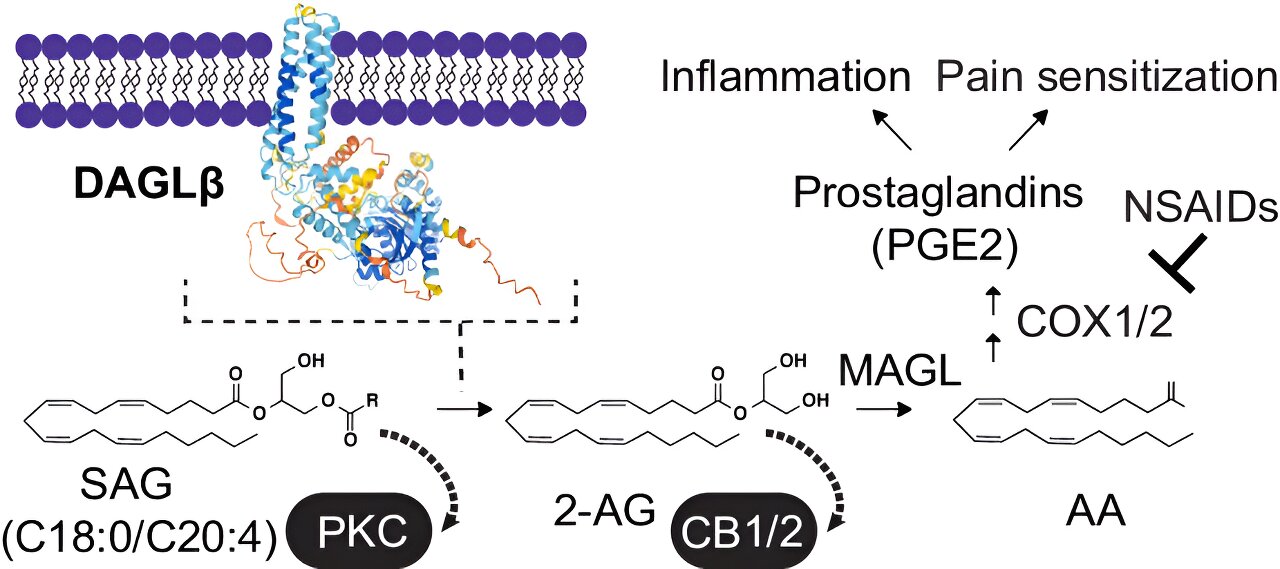
Researchers from Virginia Commonwealth University, the University of Texas at Austin, and the University of Virginia have developed a promising drug candidate, KT109, that targets the enzyme DAGLβ to reduce inflammation and alleviate chronic pain without the risk of addiction. The study, published in the Proceedings of the National Academy of Sciences, shows that the drug effectively tricks immune cells into shutting off inflammatory responses, offering a potential new treatment for chronic pain sufferers.
Researchers have discovered that place cells in the hippocampus release endocannabinoids to communicate position information, challenging previous beliefs about the spread and speed of these signals. This finding not only advances our understanding of spatial navigation but also opens new possibilities for addressing cognitive aspects of neurological disorders like epilepsy. Understanding endocannabinoid signaling in spatial orientation could lead to new strategies for managing cognitive issues in conditions such as epilepsy.
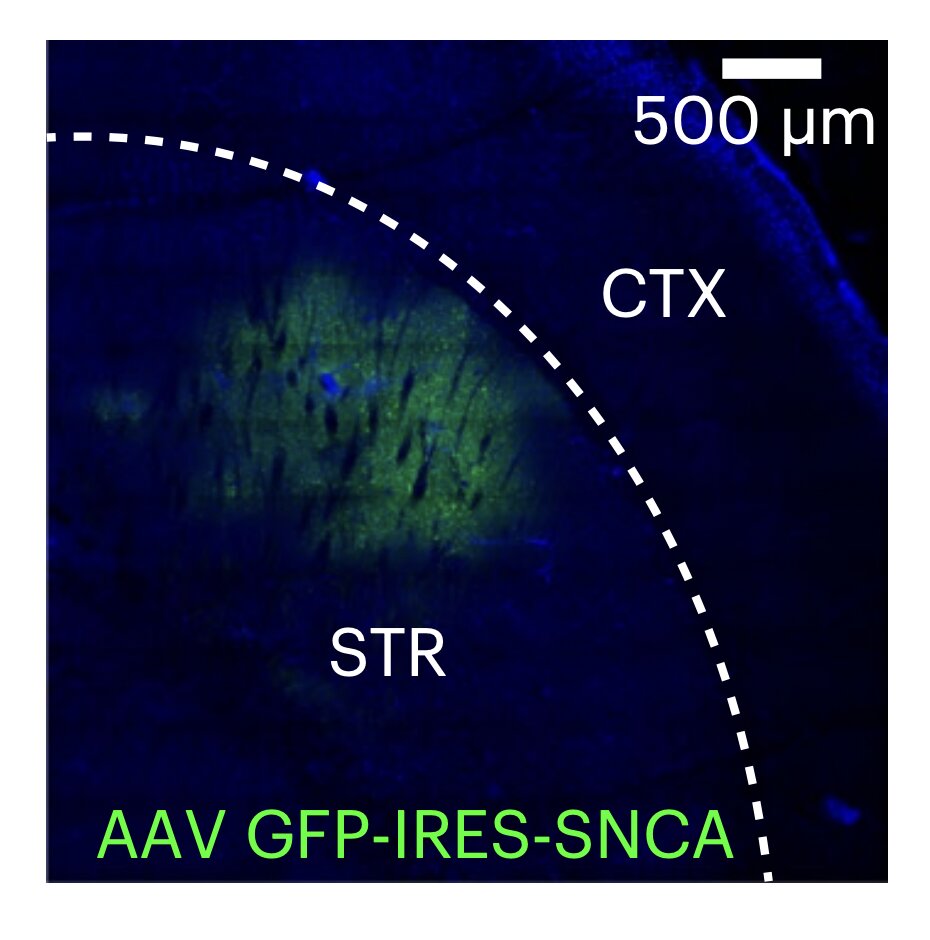
A recent study by researchers at Stanford University suggests that the release of endocannabinoids, neurotransmitters that support several vital physiological processes, is supported by postsynaptic synucleins, proteins that have been linked to the development of Parkinson's disease. The study conducted on mice using a series of genetic and imaging techniques found that synuclein deletion blocks endocannabinoid-dependent synaptic plasticity, which could be connected to Parkinson's disease and other neurodegenerative illnesses. The findings could pave the way for further research investigating this connection further, potentially leading to important discoveries.
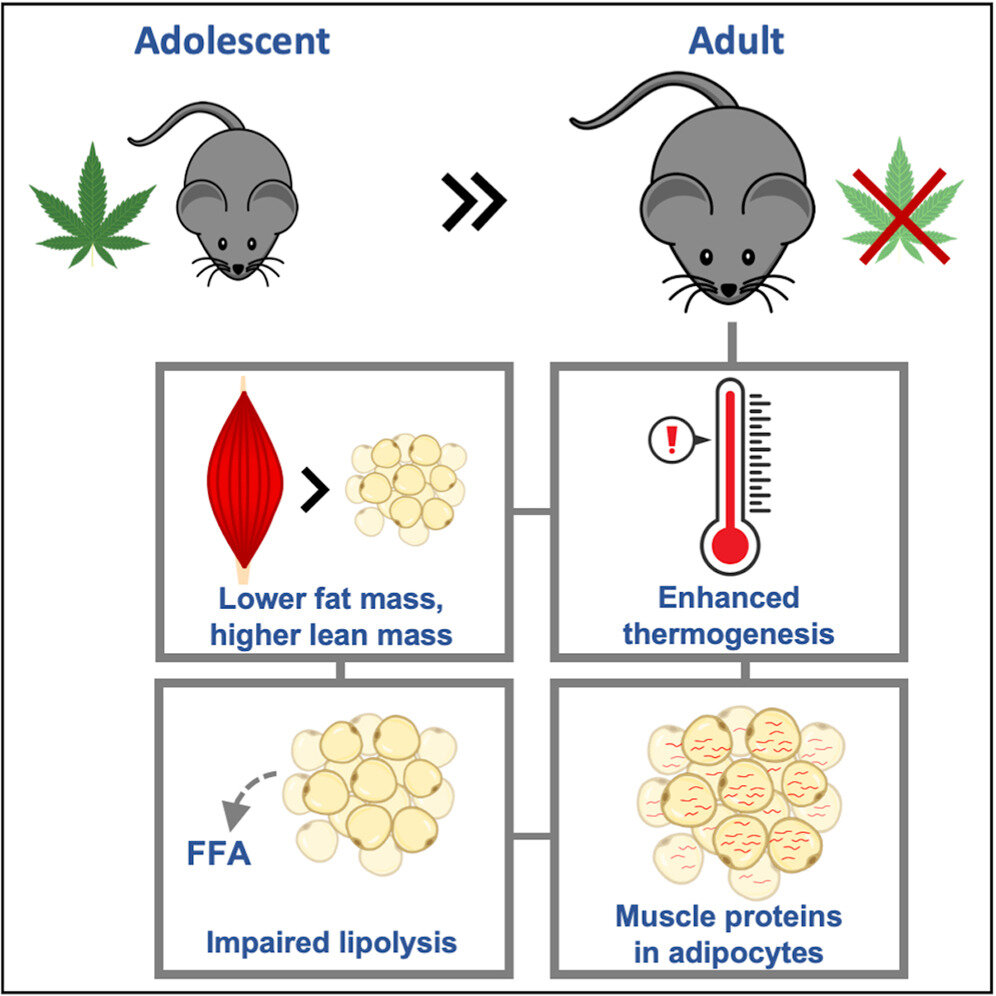
Despite getting "the munchies," frequent cannabis users are leaner and less prone to diabetes than non-users. A new study shows that adolescent exposure to low-dose THC disrupts energy balance and adipose organ homeostasis in adulthood, making the body leaner and less susceptible to obesity but also less capable of mobilizing stored nutrients needed for brain and muscle activity. These alterations are rooted in striking molecular changes that occur within the body's fat depots, which start making proteins that are normally found only in muscle and the heart.
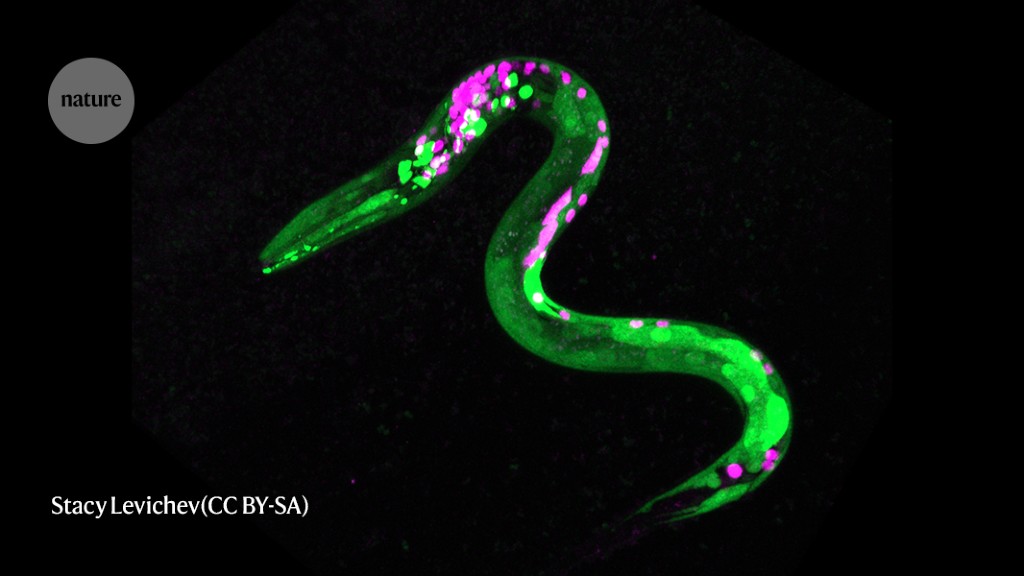
A study has found that Caenorhabditis elegans worms exposed to cannabis chemicals exhibit a persistent hunger for tasty food, similar to humans. The worms choose to feed for longer than normal and show a stronger preference for their favourite high-quality foods over less nutritious options. The research suggests that the mechanism by which cannabis affects appetite evolved more than 500 million years ago, when the evolutionary paths of C. elegans and humans diverged. The study indicates that C. elegans could be used to study how cannabis affects the human nervous system.
High levels of endocannabinoids, the body's own cannabis-like substances, protect against addiction in individuals previously exposed to childhood maltreatment, according to a study from Linköping University. The study found that individuals who had not developed an addiction following childhood maltreatment seem to process emotion-related social signals better. The resilient group, who had experienced childhood maltreatment but had not later developed an addiction, showed increased function of the endocannabinoid system as well as different brain activity, indicating better emotional regulation.