A Rutgers University study reveals how the human brain integrates fast and slow neural signals through white-matter pathways, influencing cognitive performance and linked to genetic and molecular features, with implications for understanding brain disorders.
A mouse study suggests that imbalances in gut bacteria may influence neural connectivity and depressive symptoms in bipolar disorder, with treatments like lithium showing behavioral improvements, highlighting the gut-brain connection's potential role in bipolar depression.
A mouse study suggests that a combination of zinc, serine, and branched-chain amino acids may improve brain connectivity and social behaviors in models of autism spectrum disorder, though further research is needed before clinical application.
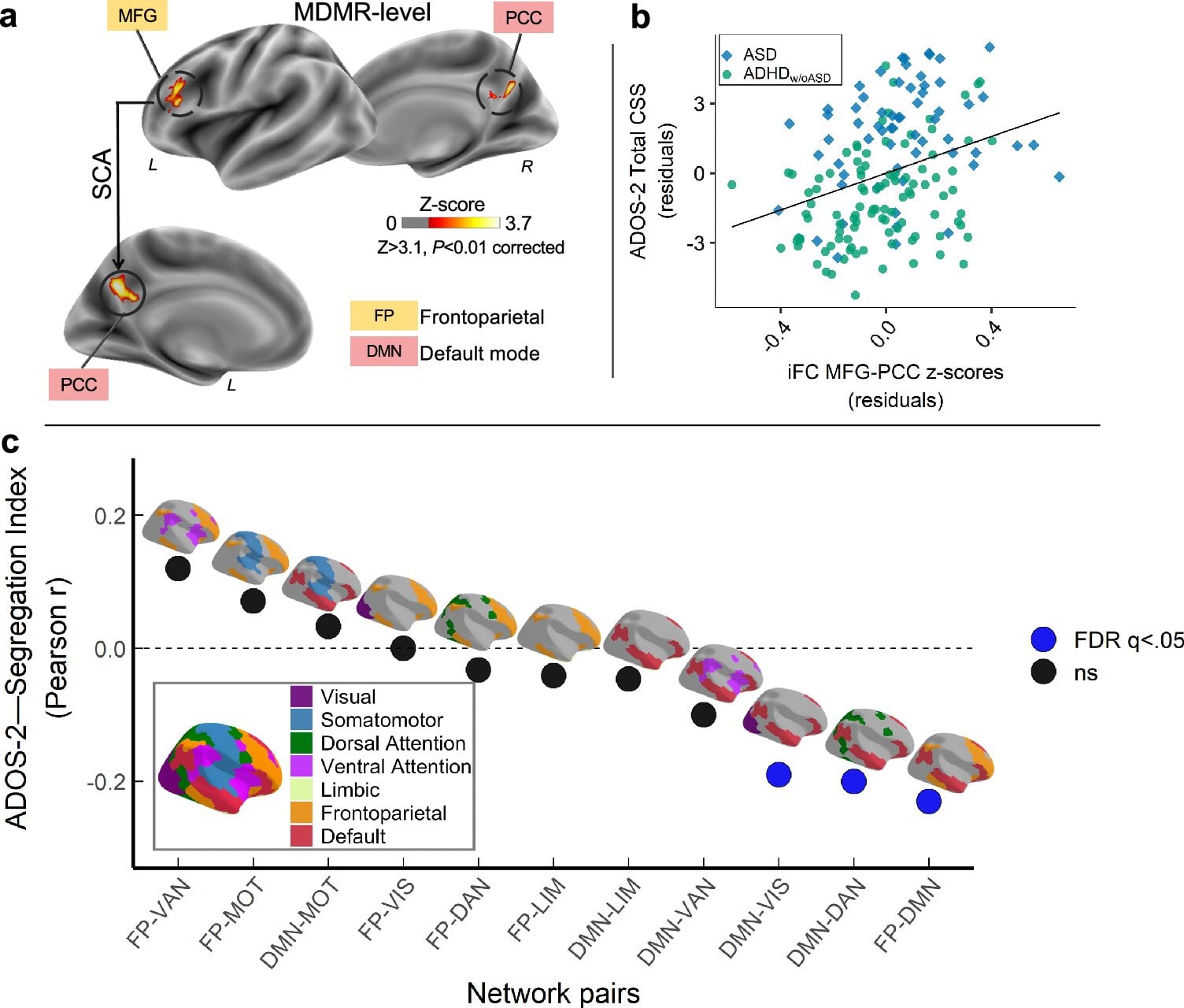
A study finds that autism symptom severity in children with autism and ADHD is linked to shared patterns of brain connectivity and gene expression, regardless of diagnosis, suggesting a common biological basis and supporting dimensional models of neurodevelopmental conditions.

A study finds that autism symptom severity, regardless of diagnosis, correlates with shared brain connectivity patterns and gene expression profiles in children with autism or ADHD, supporting a dimensional and biological approach to understanding neurodevelopmental conditions.
New research using MRI data and meta-analysis tools reveals that the brain's connectivity patterns serve as unique fingerprints for different regions, strongly linking structure to function across various mental activities, providing a comprehensive baseline for understanding healthy brain organization and potential neurological disorders.
A UCLA study found that toddlers with higher levels of certain gut bacteria are at increased risk of anxiety and depression by age 7.5, suggesting early gut bacteria influence brain circuits involved in emotional regulation and could be targeted for early interventions.
A new study identifies five distinct sleep profiles, each linked to different mental, physical, and emotional health indicators, emphasizing that sleep quality and patterns are as important as sleep duration for overall well-being.
A study reveals that specific subregions of the amygdala, particularly the basolateral part, show altered connectivity patterns in individuals with PTSD, affecting emotional regulation, sensory processing, and self-awareness, which deepens understanding of the disorder's neural basis.
Some individuals experience no pleasure from music due to a rare condition called specific musical anhedonia, which results from a disconnect between the brain's auditory and reward networks, despite normal hearing and enjoyment of other rewards. This condition highlights the nuanced ways our brain processes different types of rewards and may inform research into other reward-related disorders.
A study by UT Southwestern found that the human CLOCK gene, known for regulating circadian rhythms, also enhances neural connectivity and cognitive flexibility in mice by promoting more intricate neural networks, suggesting a role in human brain evolution.
New research using advanced connectome modeling reveals that psychopathy is linked to two distinct neural pathways in the brain: one affecting emotional processing and social-affective functions, and the other impacting attentional control. These pathways help explain the emotional detachment and impulsivity seen in psychopathic traits, and suggest potential targets for tailored interventions. The findings highlight the importance of brain network connectivity in understanding and potentially mitigating psychopathic behaviors.
A neuroimaging study suggests that long-term musical training helps older adults maintain youthful brain connectivity patterns, which may protect against age-related decline in speech understanding in noisy environments, supporting the idea that engaging in music can build cognitive reserve and promote brain health with age.
Research shows that long-term musical training helps older adults maintain youthful brain connectivity patterns and improves speech perception in noisy environments, supporting the idea that musical activity builds cognitive reserve and mitigates age-related cognitive decline.
A study finds that reduced grip strength in early psychosis is linked to altered brain connectivity, especially in regions involved in movement and cognition, suggesting new avenues for diagnosis and treatment such as brain stimulation and physical training.