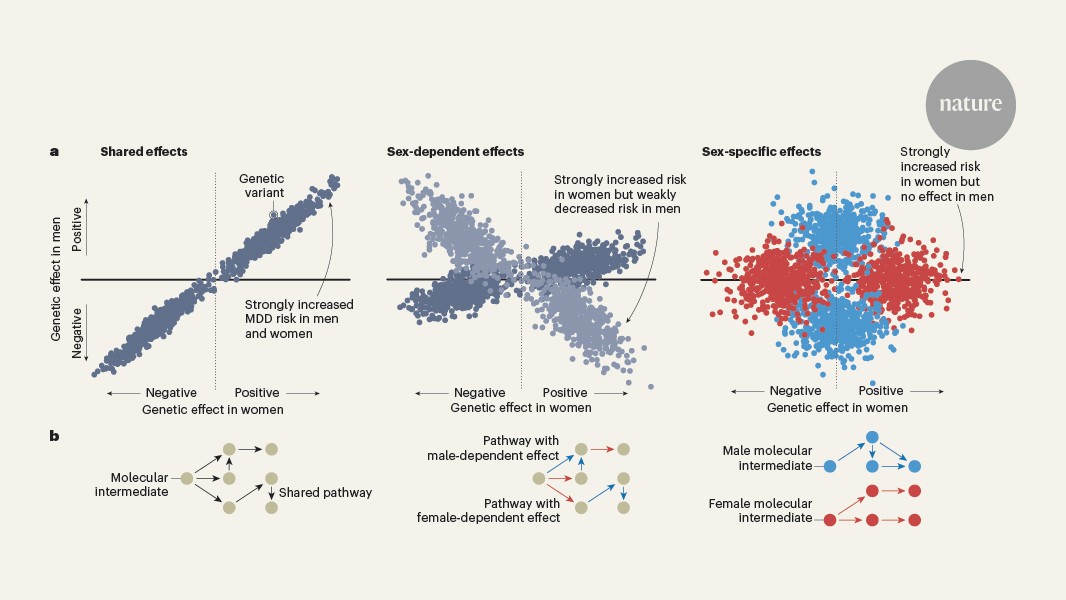
A large genetics study reveals women have more genetic risk variants for major depressive disorder than men, with stronger links to metabolic traits, helping to understand sex-specific aspects of depression and guiding future treatments.
A large genetic study by UC San Diego and 23andMe identified gene variants linked to cannabis use, revealing associations with psychiatric, cognitive, and physical health traits, which could inform prevention and treatment strategies for cannabis use disorder.
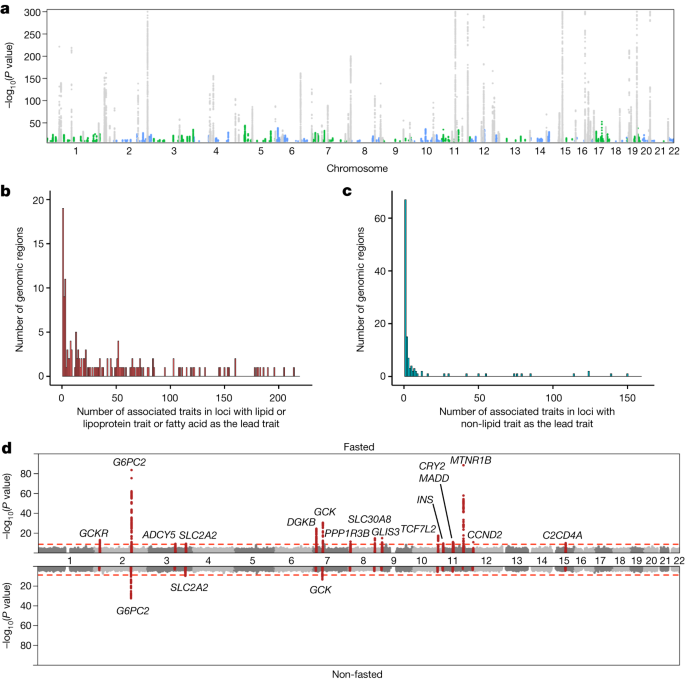
A genome-wide association study involving 233 circulating metabolic traits in over 136,000 participants from 33 cohorts has identified more than 400 independent loci and assigned probable causal genes at two-thirds of these. The study highlights the importance of sample and participant characteristics on genetic associations and demonstrates substantial genetic pleiotropy for multiple metabolic pathways. Ancestry-stratified analyses show positive correlations across ethnic groups, and associations were strongly related to sample size. The study provides a foundational resource for examining the role of metabolism across diverse diseases and emphasizes the need for careful consideration of sample type and fasting status in interpreting results.
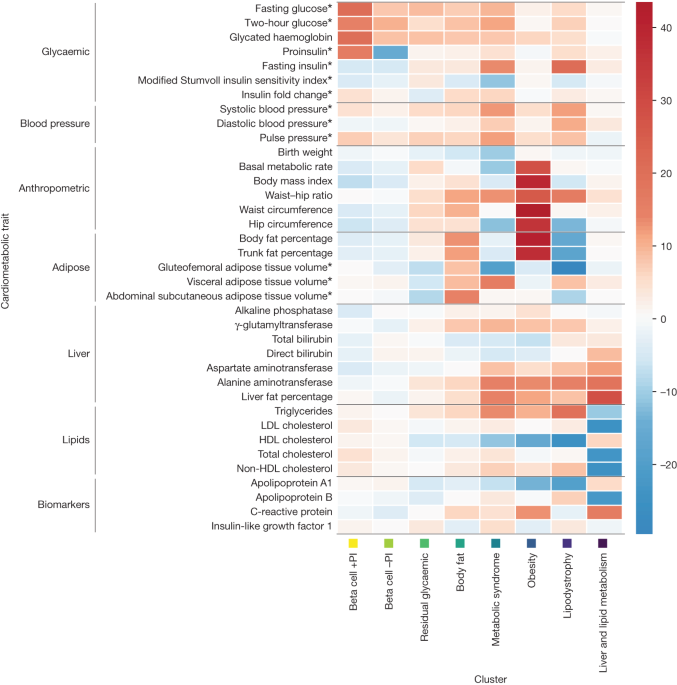
A study on type 2 diabetes (T2D) pathophysiology reveals genetic heterogeneity in T2D development and complications. The research, involving over 2.5 million individuals of diverse ancestry, identified 1,289 T2D association signals and classified them into eight mechanistic clusters based on their cardiometabolic profiles. The study also uncovered ancestry-correlated heterogeneity in allelic effects at T2D association signals, with differences in mean BMI in T2D cases and controls across ancestry groups playing a role. Additionally, the study tested the association of cluster-specific polygenic scores with T2D-related vascular outcomes, providing insights into the genetic drivers of T2D heterogeneity.
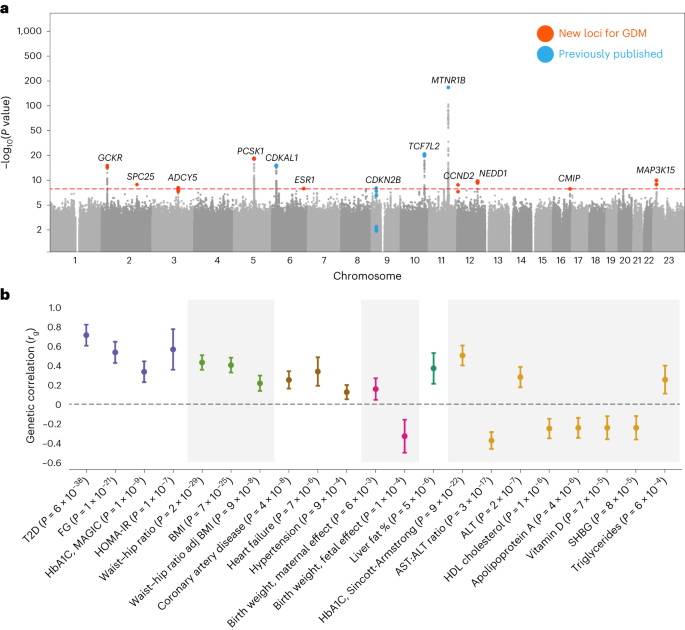
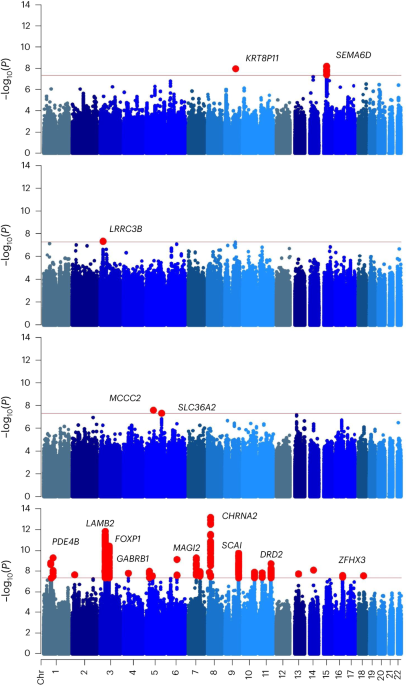
A comprehensive genome-wide association study (GWAS) on Finnish women has nearly tripled the known genetic loci associated with gestational diabetes mellitus (GDM), identifying 13 distinct chromosomal regions and confirming a partially distinct genetic etiology from type 2 diabetes (T2D). The study found that while GDM shares some genetic predispositions with T2D, it also has unique genetic risk factors predominantly related to gestation. This research enhances the understanding of GDM's genetic underpinnings and suggests potential physiological mechanisms of glycemic control that are specific to pregnancy.
A multi-ancestry genome-wide association study has identified 22 independent genome-wide significant loci associated with cannabis use disorder (CanUD) in European ancestry populations, as well as additional loci in African, Admixed American, and East Asian ancestries. The study also revealed genetic correlations between CanUD and various psychiatric and substance use disorder traits, as well as causal relationships with chronic pain, lung cancer, and schizophrenia. Additionally, transcriptome-wide association studies identified genes associated with CanUD in adult and fetal brain tissue, with fetal brain tissue showing greater enrichment for SNP-based heritability. The findings provide insights into the biology of CanUD and have implications for public health.
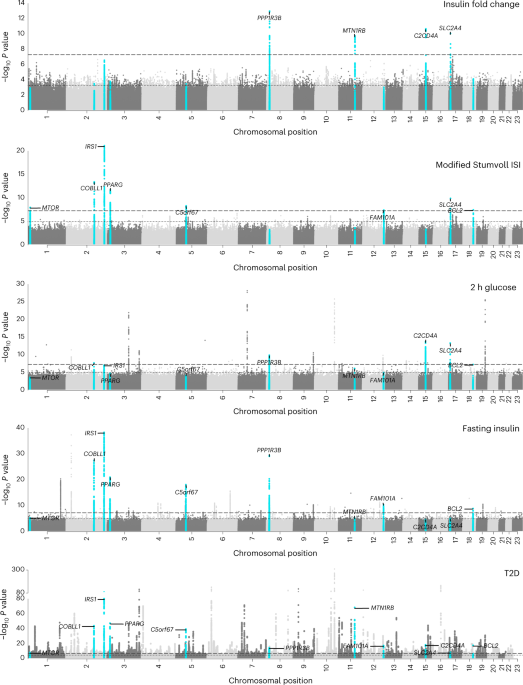
A genome-wide association study (GWAS) and functional characterization have identified candidate genes for insulin-stimulated glucose uptake, a key factor in the development of insulin resistance and type 2 diabetes. The study analyzed data from over 50,000 individuals and identified 42 genetic loci associated with glucose uptake. The study also identified several candidate genes, including TBC1D4, which has previously been linked to insulin resistance. The GWAS summary statistics and data from the Fenland cohort are available for researchers, and all data used in genetic risk score association analyses are available from the UK Biobank.
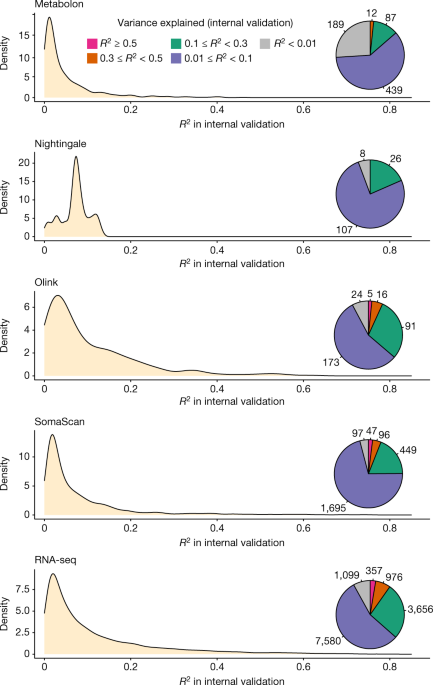
Researchers have developed an atlas of genetic scores to predict multi-omic traits using machine learning and GWAS data. The genetic-score models are publicly accessible through the OmicsPred portal, and the original codes used to train the models are available on GitHub. The atlas could help identify genetic risk factors for various diseases and aid in personalized medicine.