Tag

Brain Volume

All articles tagged with #brain volume

Male Brains Age Faster Than Female Brains, But Why?
health4 months ago

Male Brains Age Faster Than Female Brains, But Why?

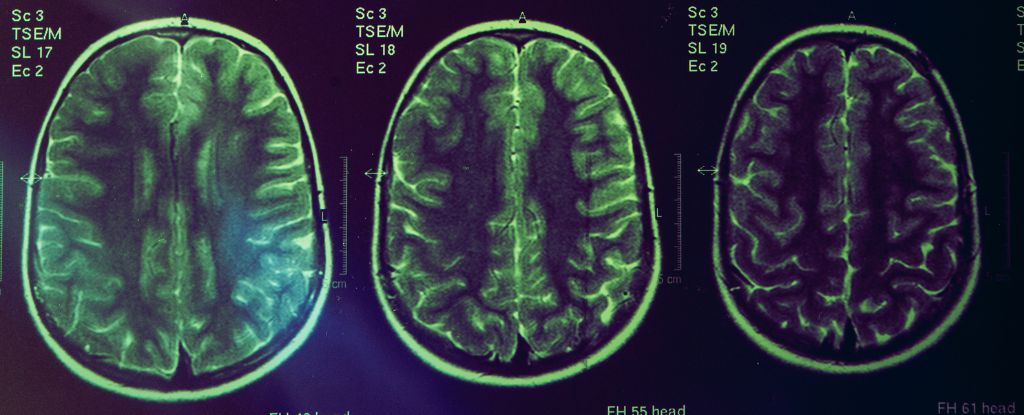
A study analyzing over 12,000 brain scans found that male brains tend to shrink faster than female brains with age, with men showing more decline in various brain regions, though women may experience faster hippocampal decline later in life. The research highlights significant sex differences in brain aging, emphasizing the need for more gender-focused studies in neuroscience.

Gene Defect Ties Brain Size to Social Behavior in ASD and Schizophrenia
neuroscience1 year ago

Gene Defect Ties Brain Size to Social Behavior in ASD and Schizophrenia

A study from UT San Antonio links deficits in the Tbx1 gene to reduced brain volume and altered social behavior, relevant to autism and schizophrenia. Tbx1-deficient mice showed smaller amygdala volumes and less interest in social interaction, suggesting genetic variants play a role in brain development and behavior. The research highlights potential early intervention targets for psychiatric disorders by focusing on amygdala shrinkage during embryonic development.

Alzheimer's Drug Shrinks Brain to Target Amyloid Plaques
health1 year ago

Alzheimer's Drug Shrinks Brain to Target Amyloid Plaques

A new study suggests that the brain volume loss observed in Alzheimer's patients undergoing immunotherapy treatments may be due to the successful removal of beta-amyloid protein clumps, rather than tissue damage. Researchers from University College London found that this volume reduction correlates with the decrease in beta-amyloid levels, indicating that the shrinkage might be a positive sign of treatment efficacy. However, they caution that more research is needed to understand the long-term effects and potential risks of these treatments.

Alzheimer's Drugs: Brain Shrinkage as a Sign of Effectiveness?
health1 year ago

Alzheimer's Drugs: Brain Shrinkage as a Sign of Effectiveness?

New research indicates that brain volume loss observed in Alzheimer's patients undergoing immunotherapy, such as with lecanemab, is due to the removal of amyloid plaques rather than neuronal damage. This phenomenon, termed "amyloid-removal-related pseudo-atrophy" (ARPA), suggests that volume changes are a sign of treatment effectiveness and not harmful. The study, published in Lancet Neurology, emphasizes the need for better reporting and understanding of these changes as such therapies become more common.

"Link Found Between Childhood Maltreatment and Reduced Brain Size"
health-child-development1 year ago

"Link Found Between Childhood Maltreatment and Reduced Brain Size"

A neuroimaging study found that toddlers who experienced more severe maltreatment had lower total brain volume, particularly smaller gray matter volume, which was linked to lower cognitive abilities. Childhood maltreatment encompasses physical, emotional, and sexual abuse, as well as neglect, and can have long-lasting effects on mental and physical health. The study, conducted on 86 children aged 3 to 5, suggests that greater maltreatment severity in early childhood is associated with smaller brain size and implications for intellectual ability, emphasizing the need for mechanism-driven targets for early intervention.

The Link Between Poor Dental Health and Brain Shrinkage
health2 years ago

The Link Between Poor Dental Health and Brain Shrinkage

A new study suggests a link between poor dental health and a reduction in brain volume, particularly in the area associated with cognition and Alzheimer's disease. The study found that tooth loss and gum disease were associated with brain atrophy, but it remains unclear whether dental issues cause brain volume loss or vice versa. The findings highlight the importance of prioritizing good dental health for brain health, as a missing tooth was equivalent to nearly an additional year of brain aging. However, more research is needed to validate these findings and understand the underlying mechanisms.

"The Power of Napping: Slowing Brain Aging"
health2 years ago

"The Power of Napping: Slowing Brain Aging"

People with a genetic predisposition for napping have larger brain volumes, suggesting fewer years of brain aging compared to non-nappers, according to a study from researchers at University College London, the University of the Republic, and the Broad Institute. The study analyzed data from nearly 380,000 participants and found a correlation between genetic markers for habitual napping and increased brain volume. However, the causal relationship between napping and brain health remains unclear, and more research is needed to understand the potential cognitive benefits and long-term effects of napping.

Gout linked to brain damage and neurodegeneration.
health2 years ago

Gout linked to brain damage and neurodegeneration.

A study by the University of Oxford has found a strong correlation between gout and neurodegenerative disease. Participants with gout had smaller global and regional brain volumes and markers of higher brain iron, and higher incidences of all-cause dementia, Parkinson's disease, and probable essential tremor. The study suggests that lower neuroanatomic resources among gout patients may explain their higher vulnerability to multiple neurodegenerative diseases. Patients with gout should be monitored for cognitive and motor symptoms of neurodegenerative disease, given their increased risk, especially in the early period after diagnosis.

Sleep Apnea Linked to Cognitive Decline in Alzheimer's and Middle-Aged Individuals
health2 years ago

Sleep Apnea Linked to Cognitive Decline in Alzheimer's and Middle-Aged Individuals

A new study found that sleep apnea may lead to loss in brain volume and accelerate Alzheimer's disease, particularly in individuals with beta-amyloid buildup. The study also found that lower hippocampal volumes at the beginning of the study were linked to worse episodic memory performance at follow-up. The findings suggest that treating sleep apnea may be one of the most effective things a provider can do when treating individuals with Alzheimer's disease.

Sleep Apnea Linked to Brain Volume Changes in Alzheimer's Patients
health2 years ago

Sleep Apnea Linked to Brain Volume Changes in Alzheimer's Patients

A new study has found a link between sleep apnea and reduced brain volume in regions associated with Alzheimer's disease and memory. The correlation was only found in people with Alzheimer's disease-linked amyloid plaques and severe sleep apnea. The study does not establish causality but suggests that some people may be more susceptible to sleep apnea's detrimental effects. Further studies should investigate whether treating sleep-disordered breathing could potentially improve cognition and prevent or delay neurodegeneration.

Sleep Apnea Linked to Reduced Brain Size, Study Finds.
health2 years ago

Sleep Apnea Linked to Reduced Brain Size, Study Finds.

A study published in Neurology has found a correlation between severe sleep apnea and lower brain volumes in the medial temporal lobe area, including the hippocampus, in people with amyloid plaques, an early sign of Alzheimer’s disease. This correlation, which could suggest brain cell loss, was not seen in those without plaques. The study emphasizes the need for further research into sleep-disordered breathing treatments to potentially improve cognition and delay neurodegeneration.