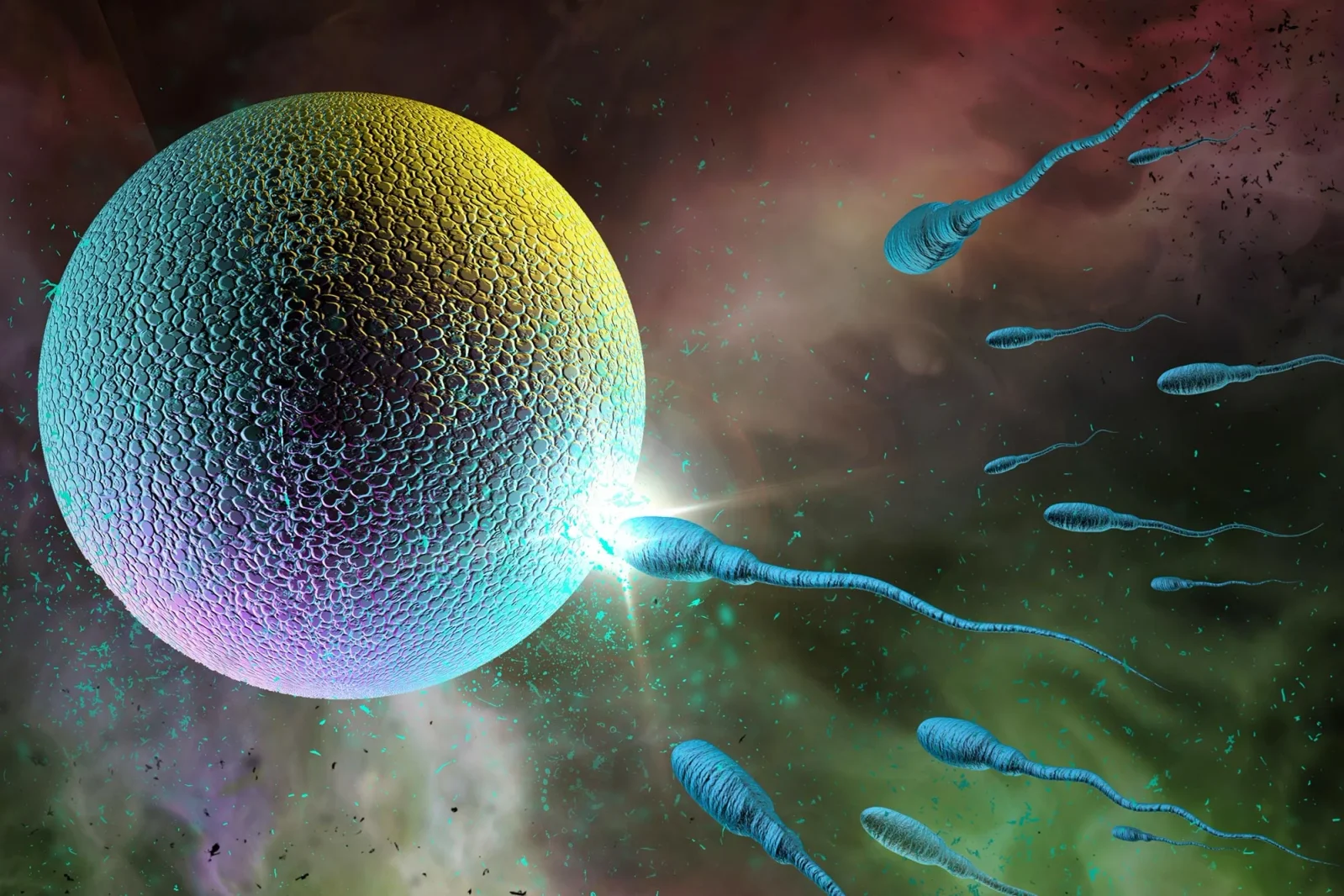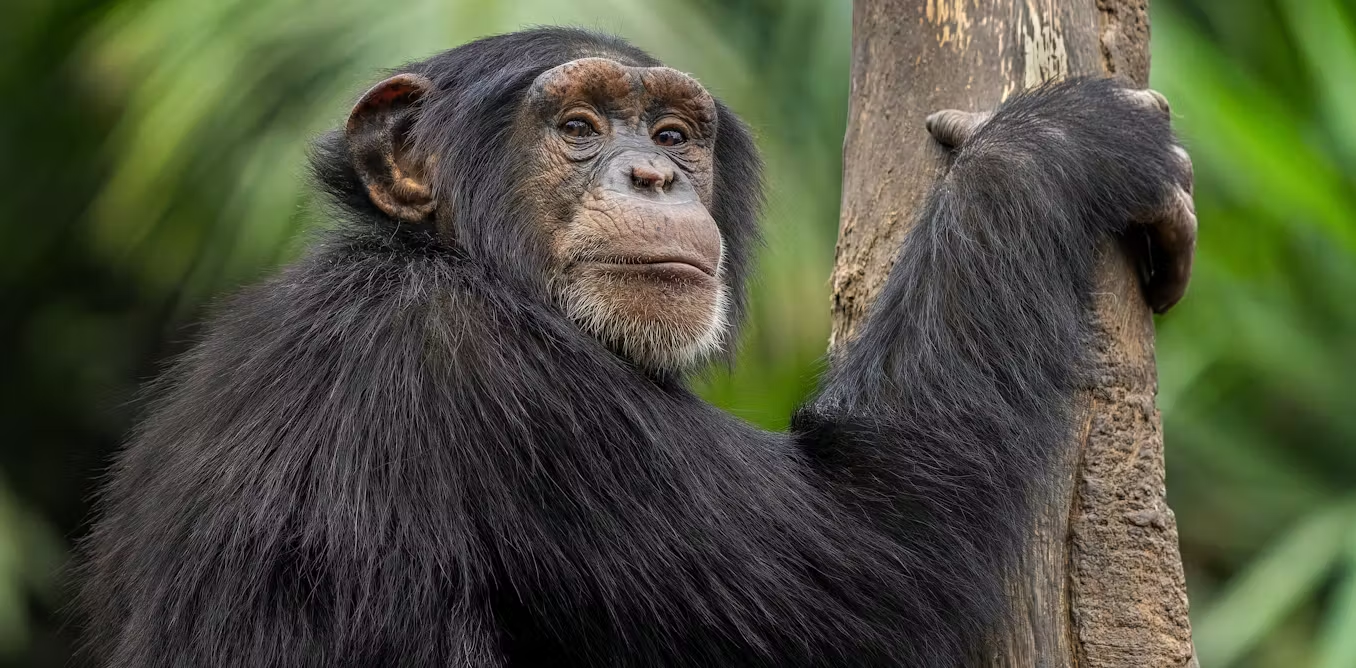
A large-scale study finds that preventing reproduction in mammals, through methods like sterilization or contraception, is associated with increased lifespan, highlighting the biological costs of reproduction and its impact on aging across species, including potential insights for humans.
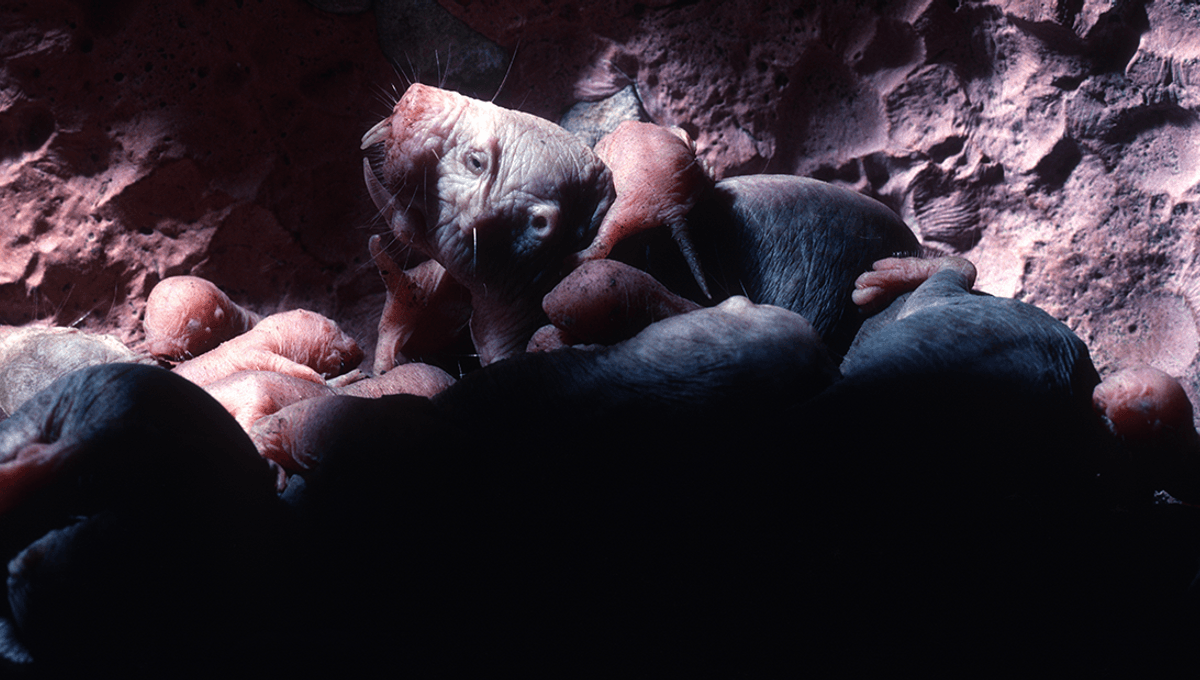
The naked mole-rat, a mammal native to East Africa, exhibits unique characteristics such as eusocial behavior and remarkable cancer resistance, and it thermoregulates in a manner similar to cold-blooded animals by relying on external heat sources and behavioral adaptations, challenging traditional classifications of mammals as strictly warm-blooded.
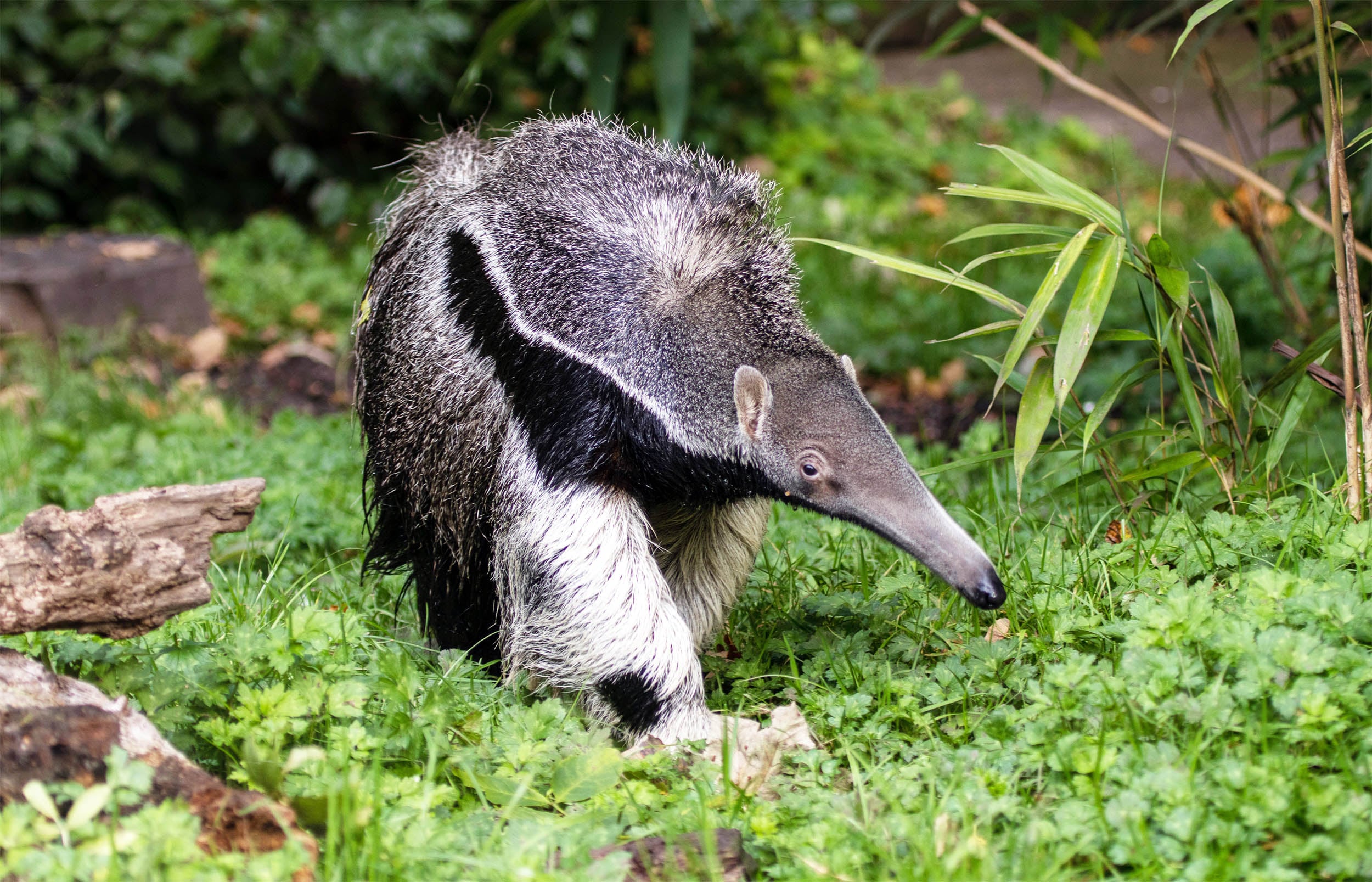
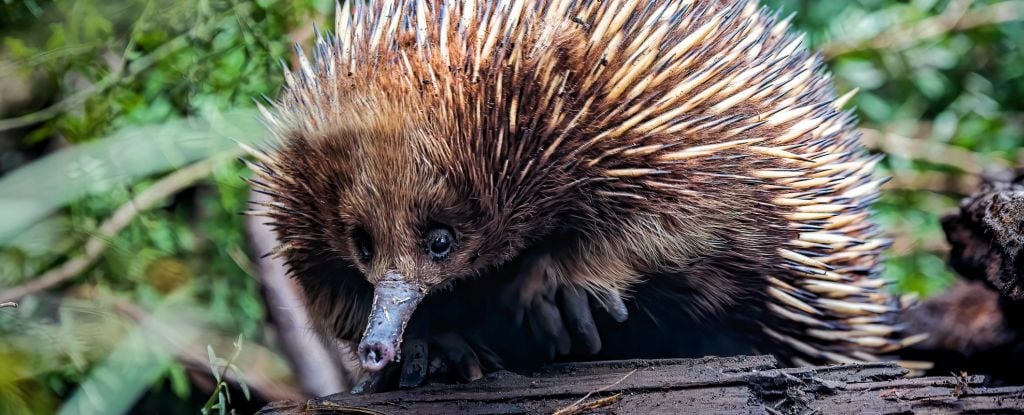
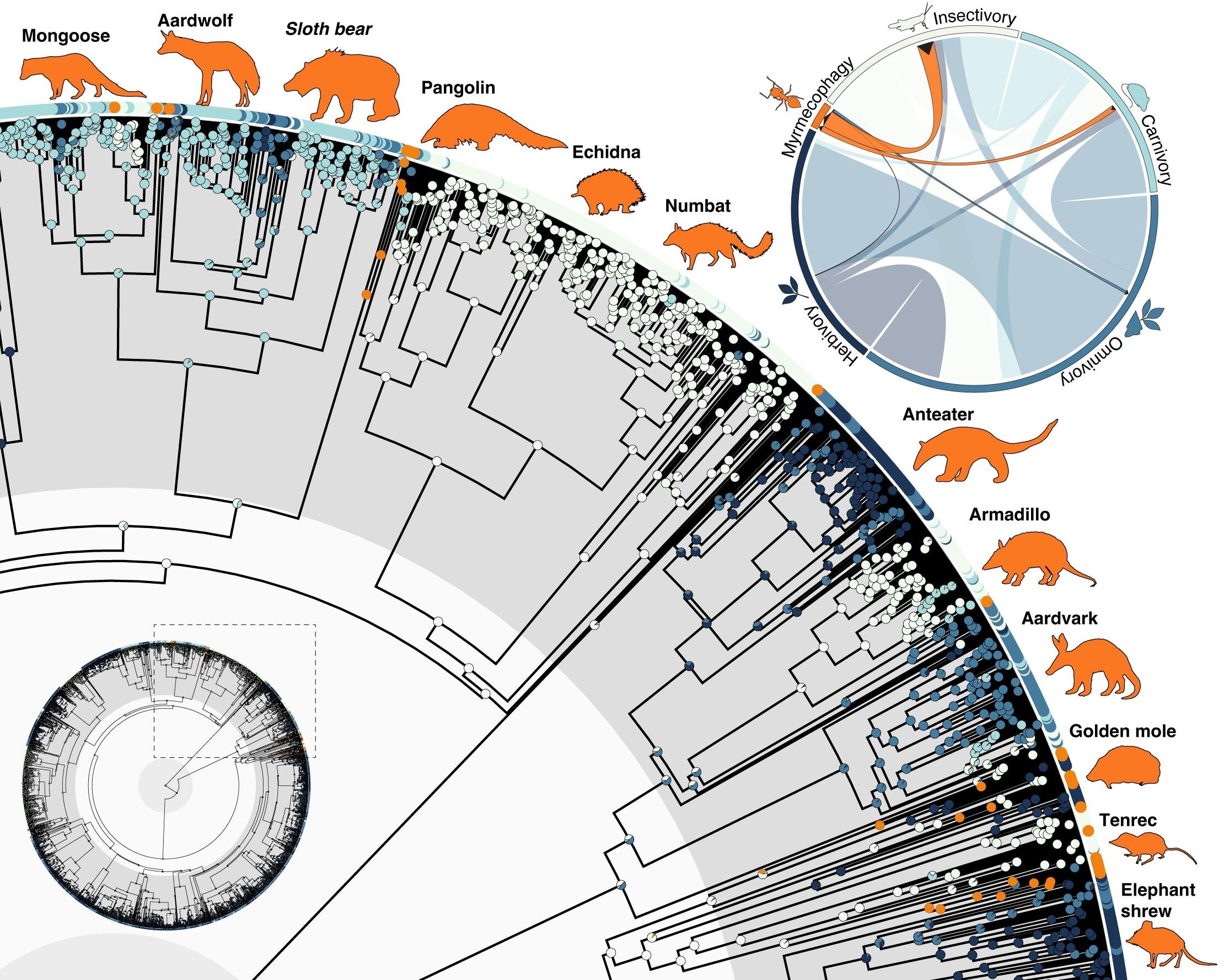
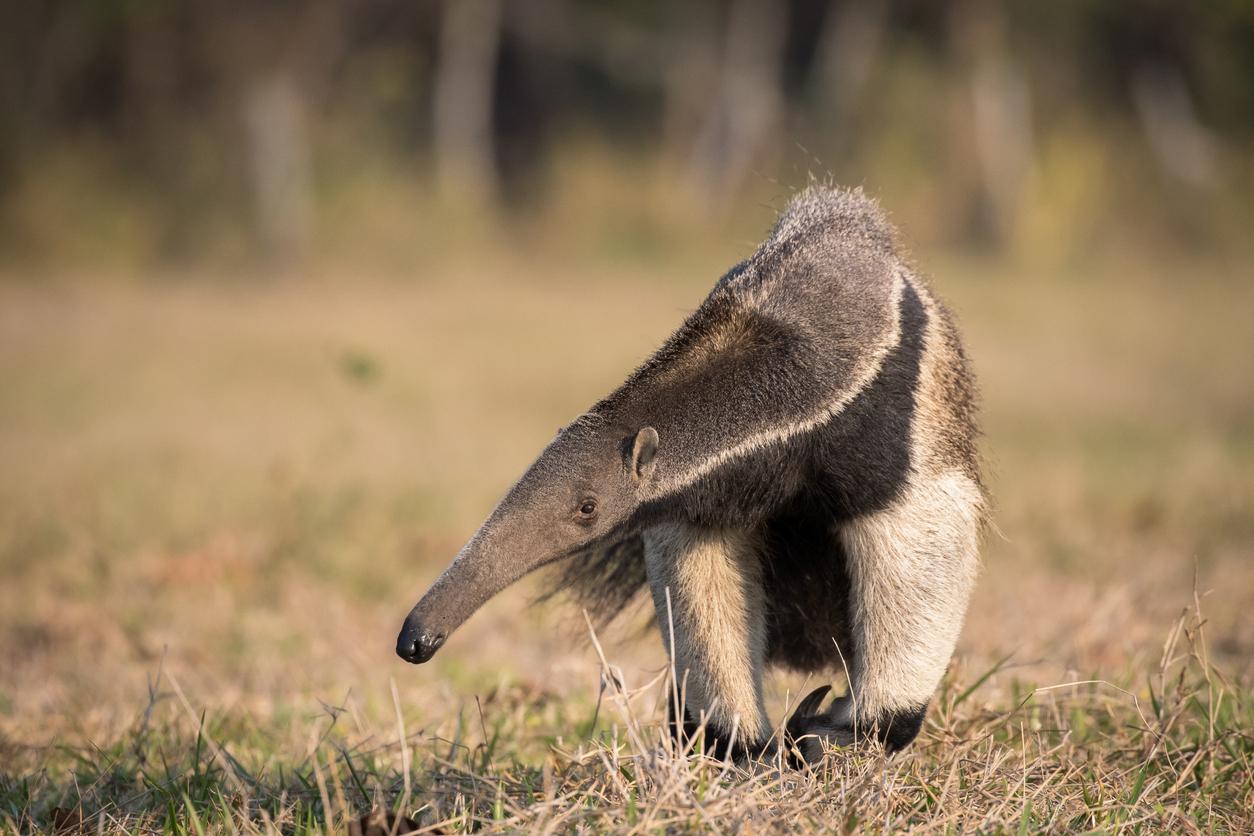
Mammals have independently evolved to eat ants and termites at least 12 times over the past 66 million years, driven by the rise of social insects like ants and termites, which have significantly influenced mammalian evolution and diversity, with specialized anteaters exemplifying this dietary shift.
New research suggests that dinosaurs had a different parenting style from mammals, with juvenile dinosaurs becoming independent quickly and occupying distinct ecological niches, which may have led to greater ecological diversity in the Mesozoic era than previously thought.
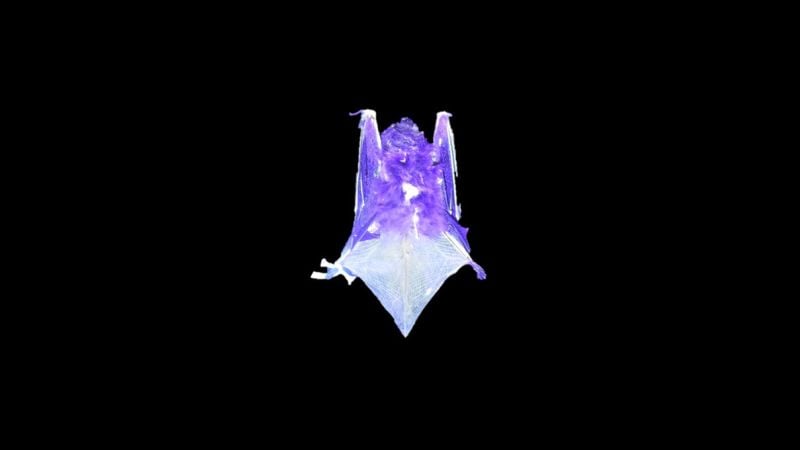
Researchers in Georgia discovered that six North American bat species emit green fluorescence under UV light, a phenomenon whose purpose remains unknown, but may relate to ecological functions or evolutionary history, highlighting the need for further study.
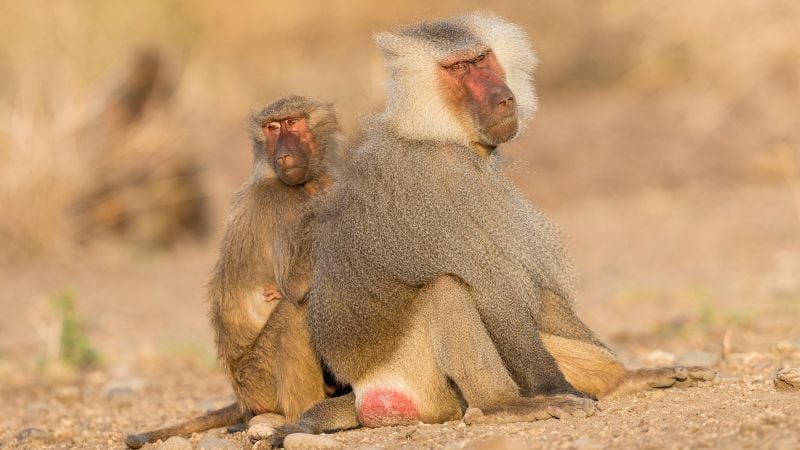
Research shows that female animals generally live longer than males, with patterns varying across species and environments. In mammals, females tend to outlive males due to genetic and reproductive factors, especially in the wild, while in birds, males often have the longevity advantage, possibly due to reproductive costs borne by females. These differences are influenced by genetics, sexual selection, and ecological pressures, and are not universal but context-dependent.
A comprehensive study suggests that female mammals generally live longer than males due to factors like sexual behavior and genetic differences, with variations observed across species and environments, highlighting complex evolutionary and reproductive influences on longevity.
A study published in Science reveals that most rodents have thumbnails instead of claws, which may have contributed to their evolutionary success by enabling better food manipulation, particularly for handling nuts, and this trait has been conserved across their family tree, helping explain their widespread diversity and dominance.
Research shows that at least 12 different mammal lineages have independently evolved to specialize in eating ants since the dinosaurs' extinction, developing similar physical traits such as elongated skulls and reduced teeth, highlighting a remarkable case of convergent evolution driven by the abundance of ants on Earth.
A new study reveals that mammals have independently evolved specialized diets for eating ants and termites at least 12 times since the dinosaur era, driven by the rise of social insects after the K-Pg extinction, with some lineages becoming highly specialized and rarely reverting to other diets.
A groundbreaking study reveals that mammals have independently evolved specialized diets for eating ants and termites at least 12 times since the dinosaurs' extinction, driven by the rise of social insects and environmental changes over the past 66 million years, highlighting the significant evolutionary impact of these insects on mammalian diversity.
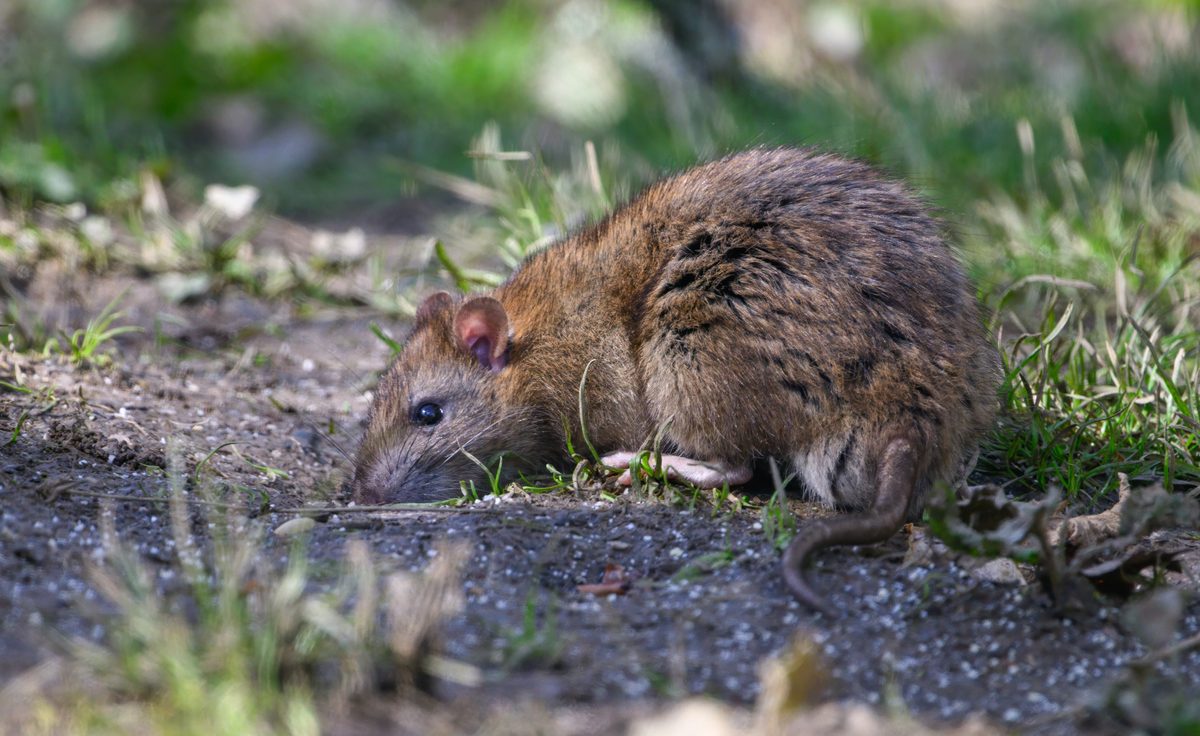
Humans are currently the most numerous mammal species on Earth, with a population of 8 billion as of November 2022. However, among non-human mammals, the brown rat (Rattus norvegicus) is the most numerous due to its high reproductive rate. The house mouse also has a significant population, closely linked to human habitats. The global human population growth rate is slowing, with projections indicating it will take until 2037 to reach 9 billion.
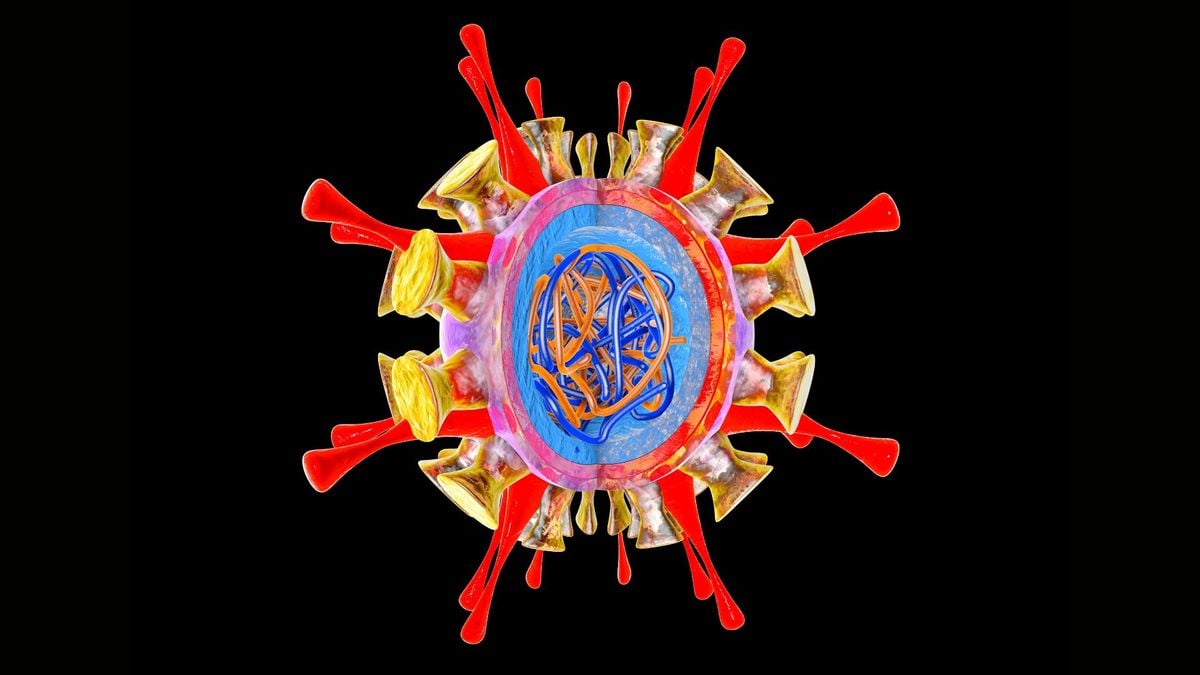
A CDC study suggests that the H5N1 bird flu virus is evolving to better infect mammals, though it still poses little risk to the general public. Detected in nearly 50 people in the U.S. this year, the virus has shown mild symptoms in humans but transmits easily between ferrets, a model for studying flu transmission. The study highlights the virus's potential to spread among mammals, though no human-to-human transmission has been observed. Researchers are monitoring the virus for genetic changes that could affect its behavior.
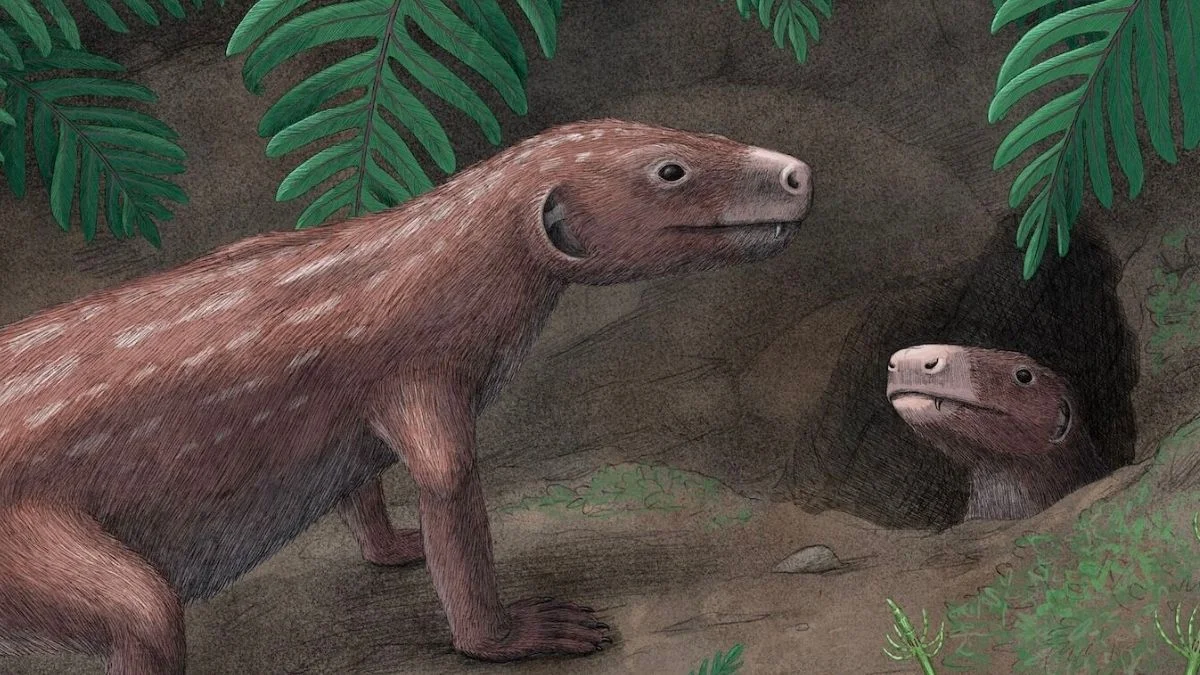
Researchers have used high-resolution 3D imaging to study the brain cavity of Gordonia, a 250-million-year-old protomammal, revealing early signs of mammalian brain evolution. Despite its brain resembling that of reptiles more than modern mammals, the relative size of Gordonia's brain suggests early intelligence that would later characterize mammals. The study highlights the significant evolutionary changes that mammalian brains underwent over millions of years.
Researchers have used high-resolution 3D imaging to study the brain cavity of Gordonia, a pig-like protomammal from the Permian Period, revealing early signs of mammalian brain evolution. Despite its reptilian brain structure, Gordonia's relatively large brain size hints at the intelligence that would later characterize mammals. The study, published in the Zoological Journal of the Linnean Society, provides insights into the evolutionary roots of modern mammalian brains.