A study reveals that PTSD has different biological roots in men and women, with men showing deficits in stress-regulating lipids and women exhibiting heightened systemic inflammation, suggesting the need for sex-specific treatments.

A major study analyzing data from over 5,000 children with autism has identified four distinct biological and clinical subtypes, each linked to different genetic profiles and developmental trajectories, paving the way for more precise diagnosis and personalized treatment approaches.
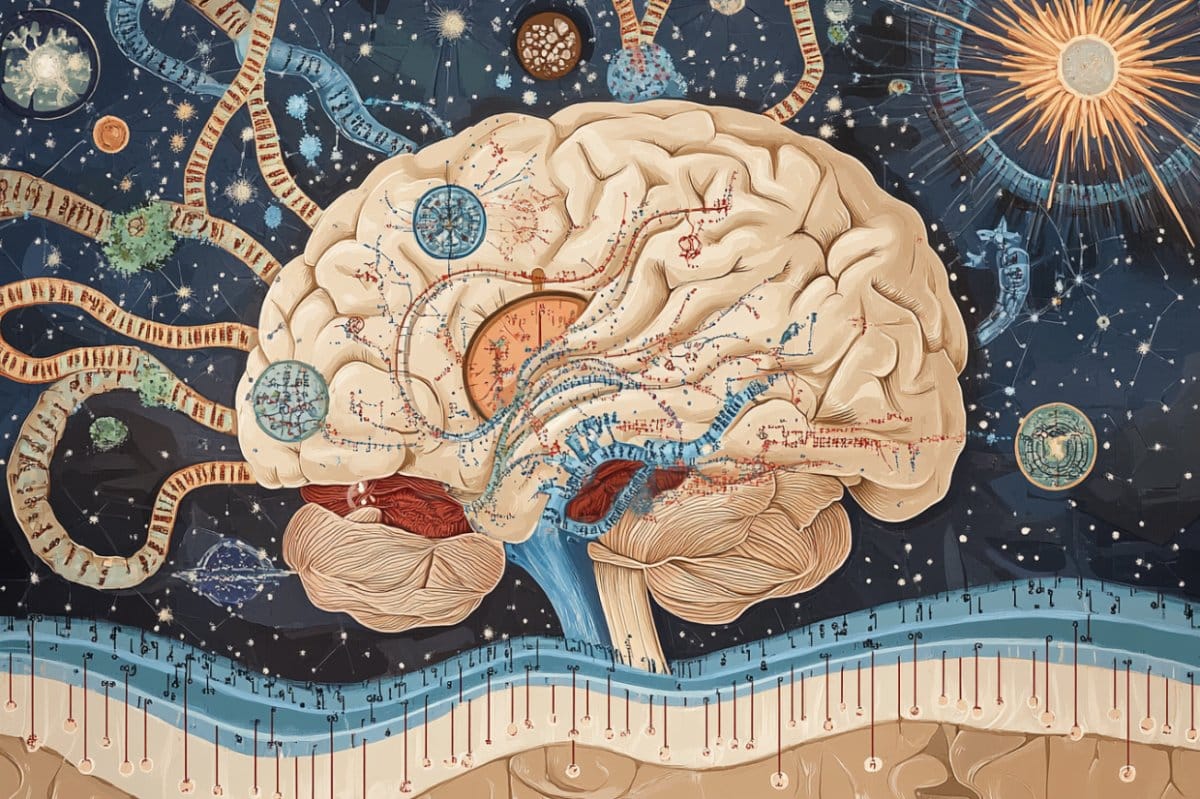
Researchers uncovered shared biological mechanisms across psychiatric disorders by analyzing exon-level gene expression in postmortem brain samples, revealing common disruptions in stress regulation, dopamine signaling, and circadian rhythms, which could lead to more precise, mechanism-based classifications and treatments.
A recent review highlights the complex relationship between sleep disorders and hearing loss, suggesting shared biological mechanisms and the potential for treatments that could improve both sleep quality and auditory health, emphasizing the importance of further research in this area.
A recent review article in Nutrients summarizes the potential impact of vitamin D (VitD) on aging processes and age-related diseases. While there is evidence suggesting that VitD may influence genomic stability, cellular senescence, inflammation, and other hallmarks of aging, further research is needed to fully understand its clinical implications and potential therapies for promoting healthy aging.