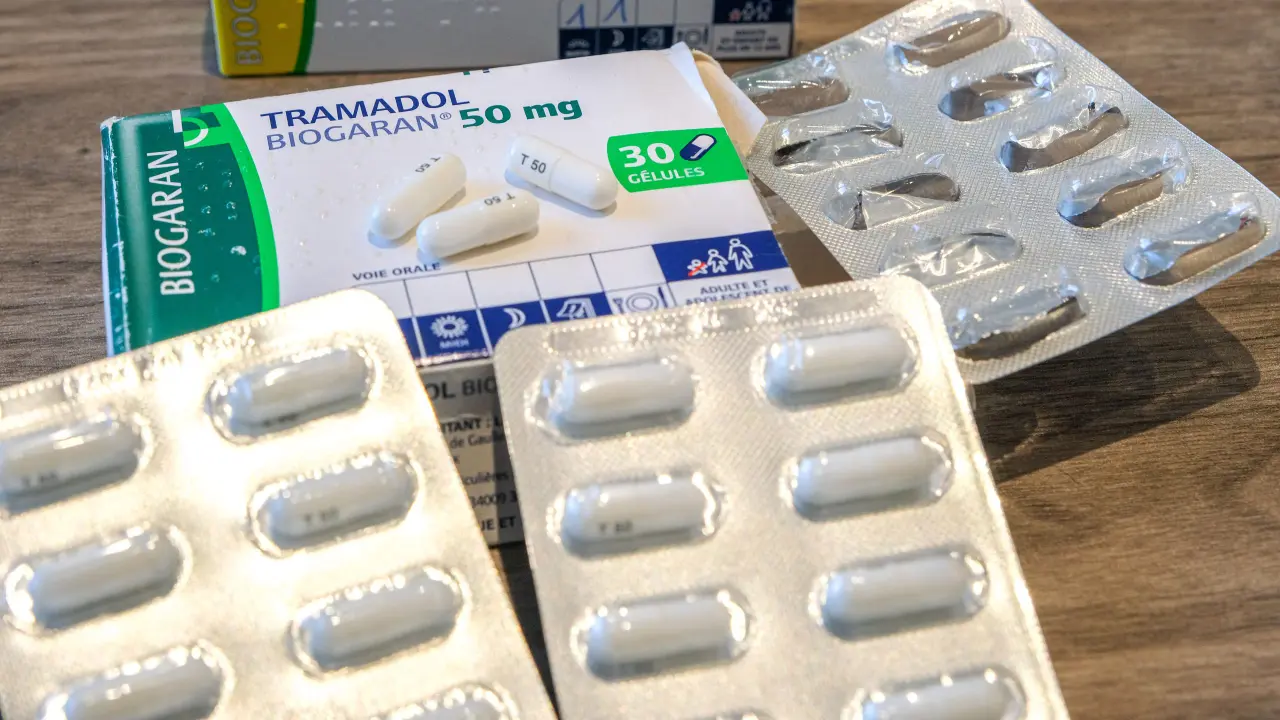
A comprehensive review finds that tramadol provides only modest pain relief for chronic pain but carries significant risks, including heart problems and increased adverse events, suggesting its benefits may not outweigh the harms and prompting a reevaluation of its widespread use.
A comprehensive review finds that tramadol provides only minimal relief for chronic pain and is associated with increased risks of serious side effects, including heart problems and potential cancer, suggesting its widespread use should be reconsidered due to its limited benefits and significant harms.
Dr. Rangan Chatterjee advocates for reducing reliance on prescription drugs by emphasizing lifestyle changes such as diet, exercise, stress management, and psychological therapies to address conditions like depression, chronic pain, and diabetes, arguing that many illnesses are driven by modern lifestyles and can be managed or reversed without medication.
A review led by OHSU found that some cannabis products, particularly those containing THC, can slightly reduce chronic pain, similar to traditional painkillers like ibuprofen, but the effect is small and may come with side effects. CBD alone showed little to no impact on pain, and the findings suggest caution in using cannabis for pain management, emphasizing the need for further research and personalized medical advice.
A recent study published in BMJ Evidence-Based Medicine found that tramadol, a commonly prescribed opioid for chronic pain, offers minimal pain relief and poses significant health risks, including serious cardiovascular events, leading experts to question its use for long-term pain management.
A comprehensive review suggests that tramadol, a widely prescribed opioid for chronic pain, offers only modest pain relief and poses significant health risks, including heart problems and increased cancer risk, leading experts to recommend minimizing its use due to the potential harms outweighing the benefits.
Research from McGill University shows that nerve injuries can cause widespread immune changes throughout the body, with different responses observed between males and females, potentially influencing chronic pain and other health issues.
A review of clinical trials indicates that high-THC cannabis products may offer modest short-term relief for chronic pain, especially nerve pain, but they also increase the risk of side effects. CBD-only products do not appear to provide significant pain relief. The findings highlight the need for more research on long-term effects and safety.
A comprehensive review suggests that tramadol, a widely prescribed opioid for chronic pain, offers minimal pain relief while significantly increasing the risk of serious health issues such as heart disease, leading researchers to recommend reducing its use due to the potential harms outweighing the benefits.
Yoav Rokach Penn, born without hands and suffering from severe neuropathic pain for 20 years, underwent a groundbreaking, custom surgical procedure at Sheba Medical Center in Israel, involving a neural pacemaker implant on a central nerve junction, which significantly alleviated his pain and restored his quality of life.
Proposed Medicare coverage restrictions on peripheral nerve blocks threaten to limit access to effective, minimally invasive pain treatments, potentially leading to increased opioid use and higher healthcare costs, amidst concerns from medical professionals about the evidence and ethical considerations of these policy changes.
Low-dose naltrexone (LDN), an old generic drug, is gaining attention as a promising off-label treatment for fibromyalgia, showing potential to reduce pain, fatigue, and brain fog, despite limited large-scale studies. Many patients and some doctors report significant benefits, and ongoing research suggests it may help manage symptoms by reducing nerve inflammation, though more rigorous trials are needed. It is often used as a last resort but could be considered earlier, with minimal side effects and low cost.
A study from the University of Portsmouth found that pain resilience—the ability to maintain positive functioning despite pain—is a stronger predictor of physical activity levels in chronic pain sufferers than pain intensity or fear of movement. Enhancing resilience through psychological interventions could improve pain management and overall health.
Scientists have discovered a specific group of neurons in the brainstem that are active in chronic pain and produce a molecule called neuropeptide Y (NPY) that acts as a natural painkiller, opening potential pathways for new pain treatments.
Scientists have identified a specific group of neurons in the brainstem's parabrachial nucleus that are activated during chronic pain and produce a molecule, neuropeptide Y (NPY), which acts as a natural painkiller. This discovery suggests potential for developing new pain treatments that activate this molecule, offering hope for safer alternatives to opioids.