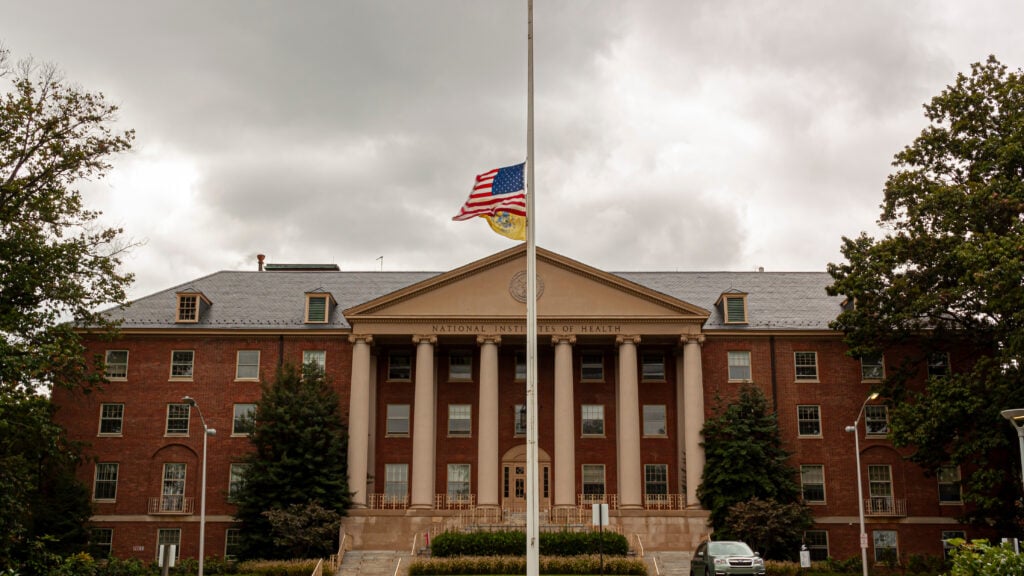
A group of former NIH scientists and administrators have resigned in protest, citing political interference, censorship, and undermining of scientific integrity by the current administration, which they believe threatens public health, scientific progress, and democratic freedoms.

The article discusses the risks of bias, hallucinations, and opacity in AI systems used in health research, highlighting how these issues threaten the reliability and trustworthiness of medical data and findings, and proposing solutions like transparency and better oversight to mitigate these risks.
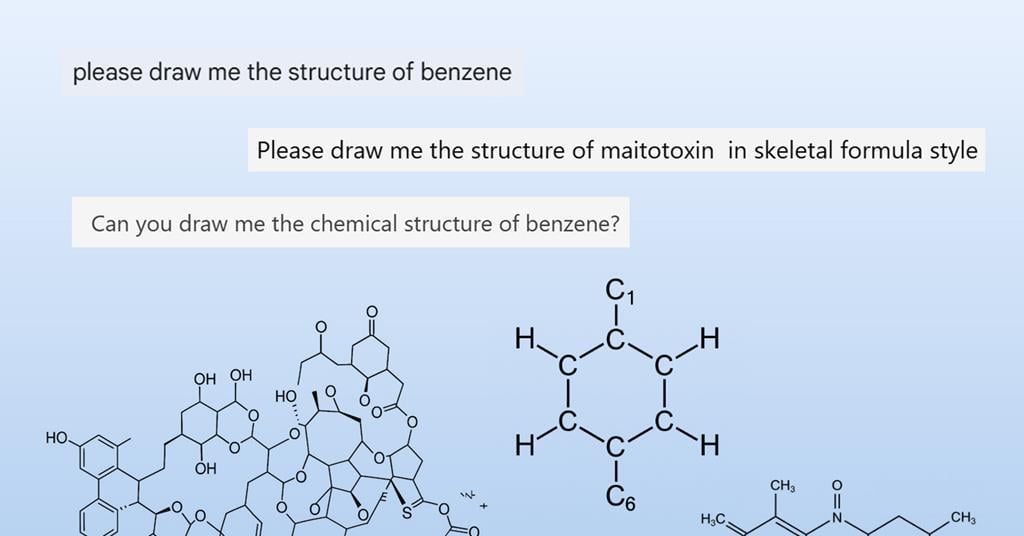
Two chemists warn that AI-generated molecular structures are often incorrect, which could harm chemistry education and scientific accuracy, calling for a ban on AI use for chemical representations until the technology improves.
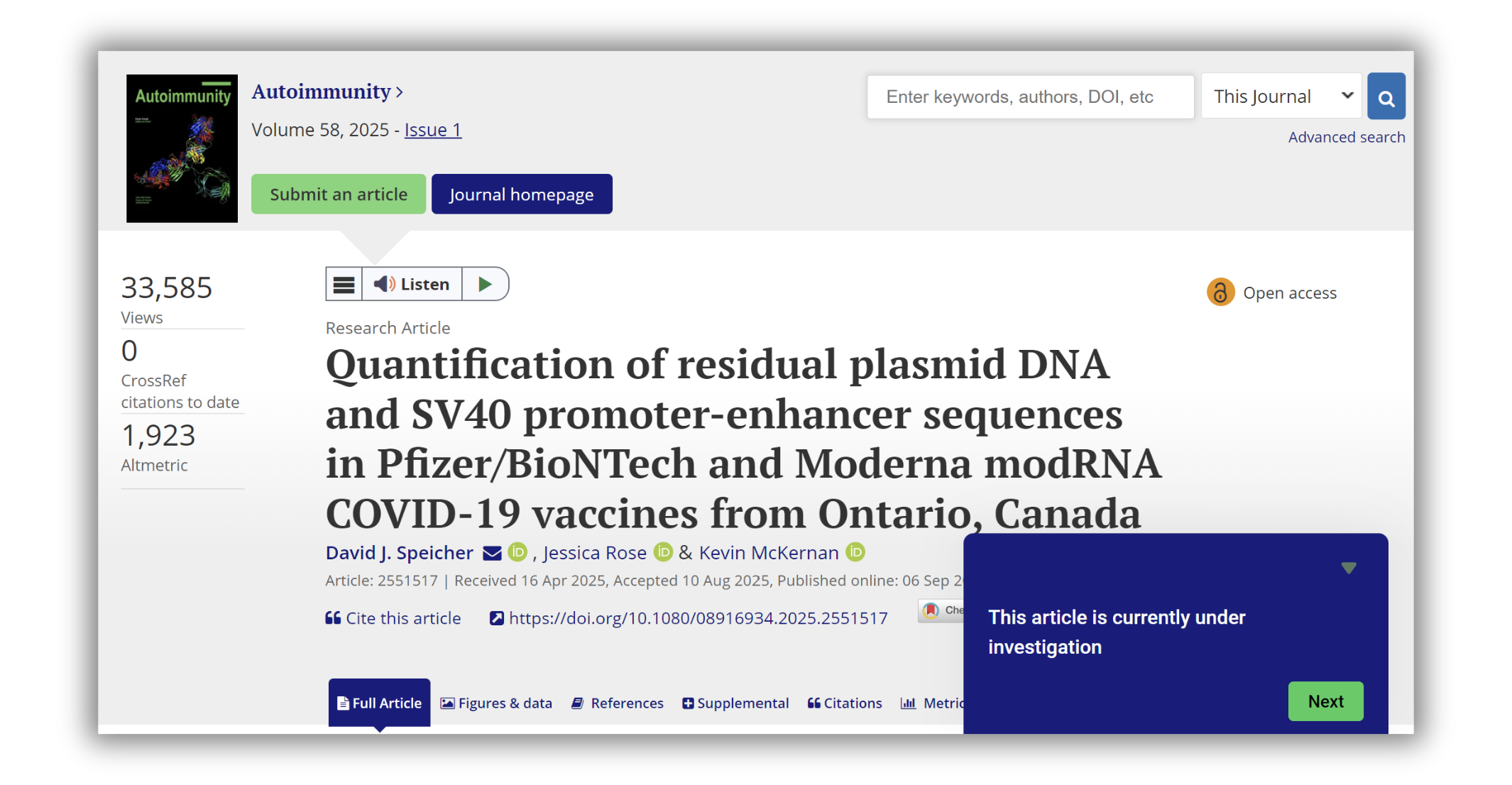
The publisher Taylor & Francis is investigating a paper claiming DNA contamination in COVID-19 vaccines after concerns were raised on PubPeer, just as the CDC committee is set to review vaccine safety, with the authors suggesting their findings will be discussed in upcoming meetings. The study's methods and references have been questioned, highlighting issues with the measurement techniques and regulatory compliance, raising broader concerns about peer review and scientific accuracy.
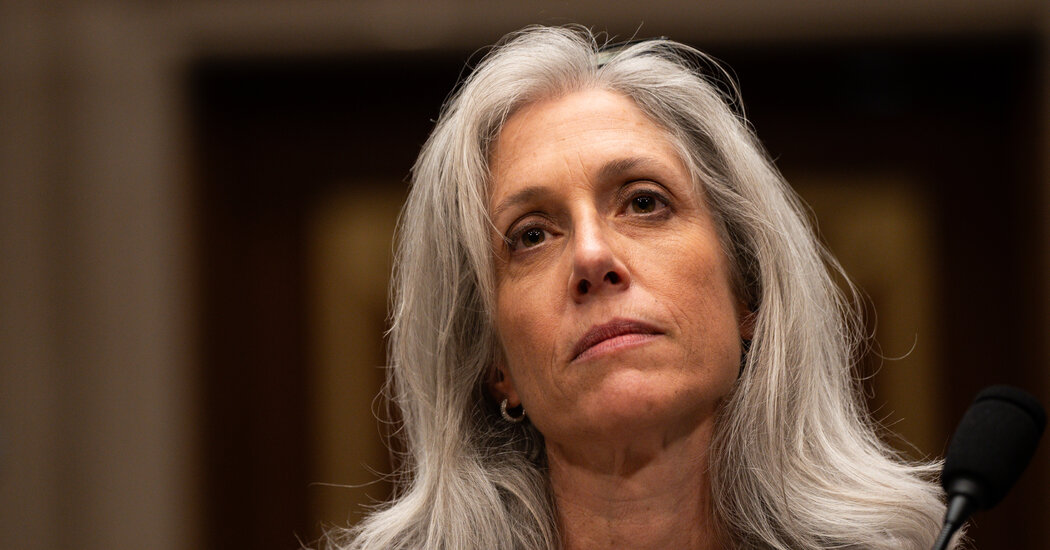
Susan Monarez, the former CDC director, is set to testify before the Senate that she was fired for upholding scientific integrity, amid disputes over vaccine policy and political interference under Secretary Kennedy. The hearing will also feature former CDC officials criticizing politicization of science, highlighting tensions within public health leadership.
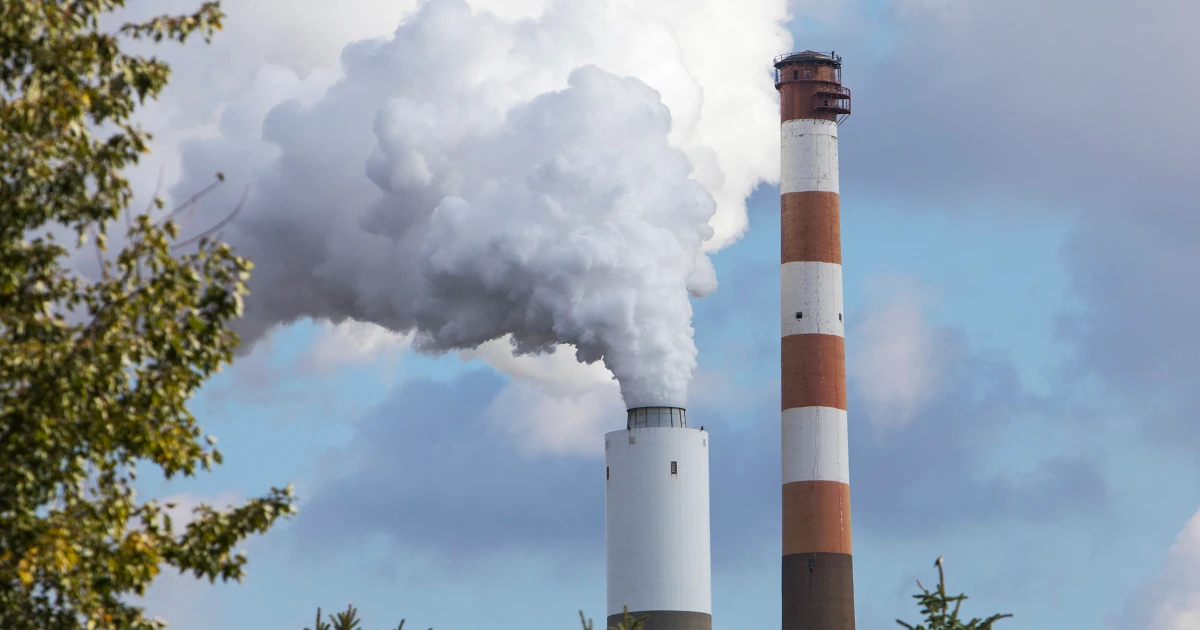
Over 85 leading climate scientists criticized the Trump Energy Department's recent climate assessment for lacking scientific integrity, alleging it misrepresents current climate science, relies on debunked research, and is biased towards a particular policy stance, prompting over 2,000 public comments.
A team of computer scientists developed an AI-based classifier to identify questionable open access scientific journals, which often prioritize fees over editorial quality, aiming to combat the proliferation of predatory publishing and improve scientific integrity.
A new report warns that while astronomy has largely avoided scientific fraud, the rise of criminal organizations producing fake research could threaten the integrity of scientific literature, especially as space research grows and AI is used to generate fake papers, potentially polluting the field and hindering genuine scientific progress.
Scientists criticize US Energy Secretary Chris Wright's plan to 'update' and potentially alter the authoritative climate crisis reports, raising concerns about political interference and misinformation, as the Trump administration seeks to downplay climate change impacts and roll back regulations.
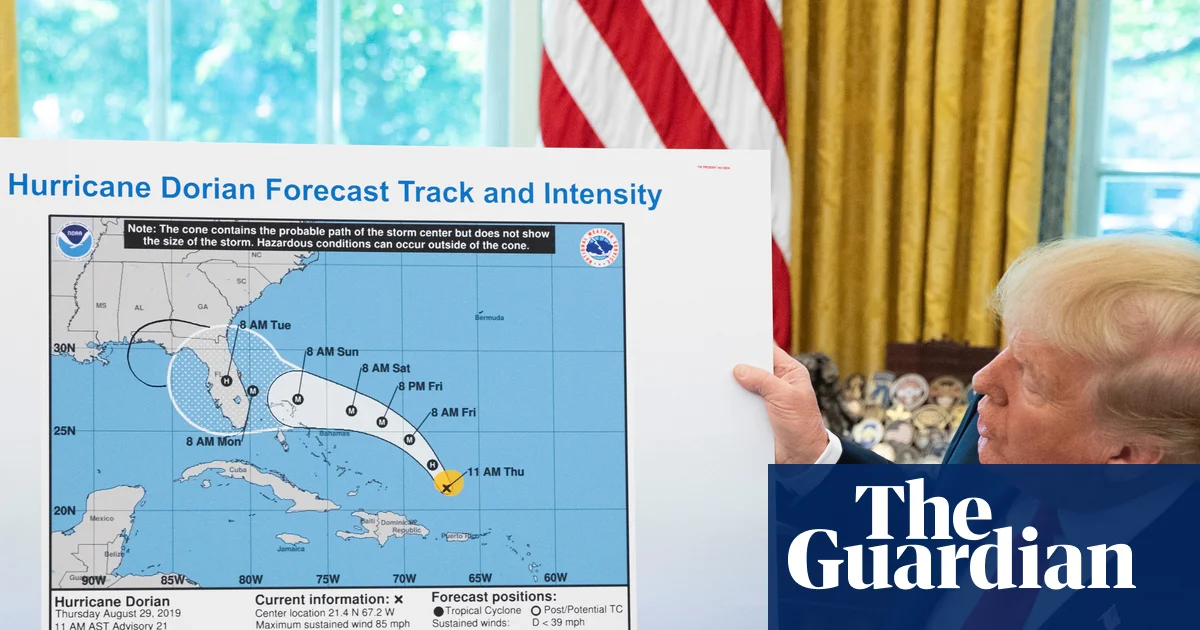
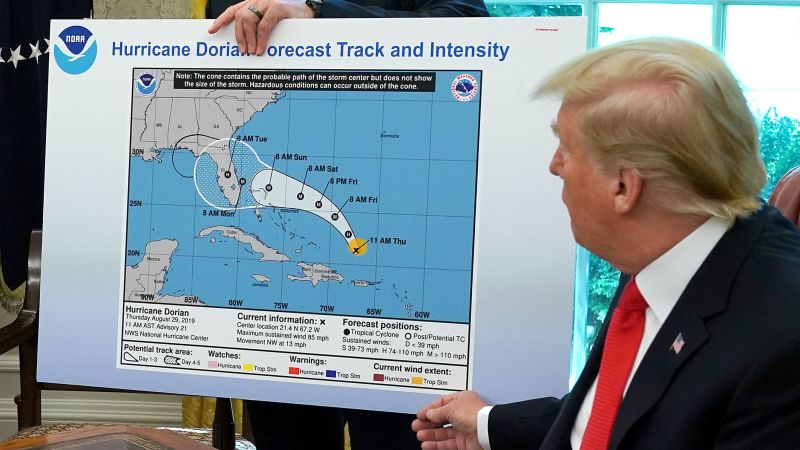
Two high-ranking NOAA officials involved in the investigation of the 2019 'Sharpiegate' incident have been placed on administrative leave, amid broader concerns about political interference and the erosion of scientific independence under the Trump administration, which has implemented significant budget cuts and policy changes affecting the agency's mission and integrity.
Two senior NOAA officials involved in the investigation of the Sharpiegate scandal, which questioned the agency's scientific integrity during President Trump's first term, have been placed on leave amid unclear reasons, raising concerns about the agency's stability and future policies.
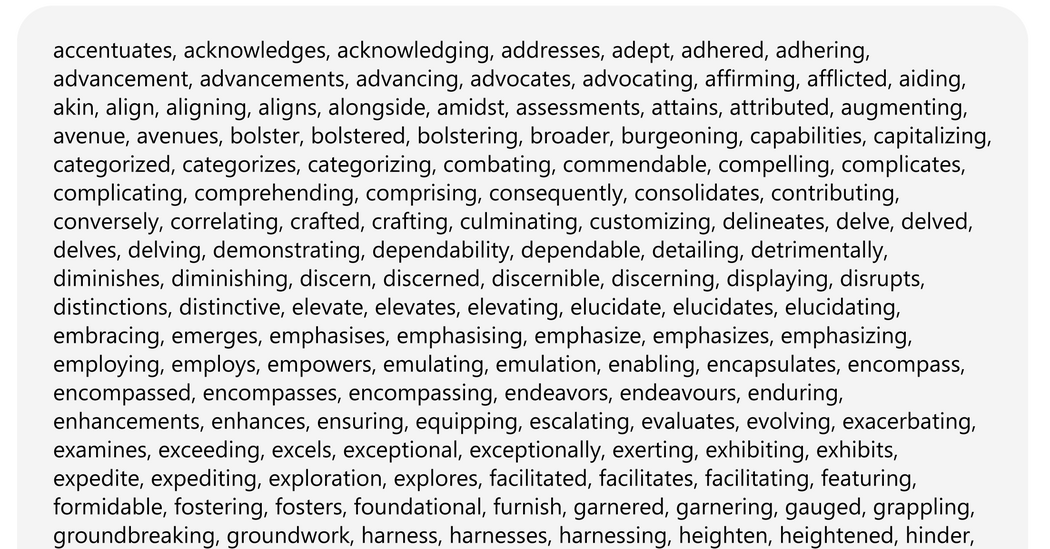
A study analyzed over 15 million biomedical abstracts from 2010 to 2024 and found that the use of certain words associated with AI-generated content, like 'delves' and 'crucial,' increased significantly after the release of ChatGPT, suggesting that at least 13.5% of abstracts may have been written or edited with AI assistance, raising ethical and authenticity concerns in scientific publishing.
The article criticizes the MAHA children's health report for mis-citing research, including nonexistent or misrepresented sources, highlighting the importance of accurate citations and rigorous review in scientific and government reports to maintain credibility and trust.
The Center for Scientific Integrity has launched the Medical Evidence Project with nearly $1 million to identify and expose flawed or fake medical research, aiming to improve the reliability of scientific literature and prevent misinformation from influencing health policies, especially amid the rise of AI-generated junk science.
The prestigious Dana-Farber Cancer Institute has retracted seven studies following allegations of image manipulation and errors by a scientist blogger. The controversy has raised questions about scientific integrity and the pressures in research that could lead to misconduct. The retractions, primarily focused on multiple myeloma research, have prompted concerns about the impact on the field and the reputation of the institute. The episode highlights ongoing debates about scientific integrity and the need for swift action to correct the scientific record.