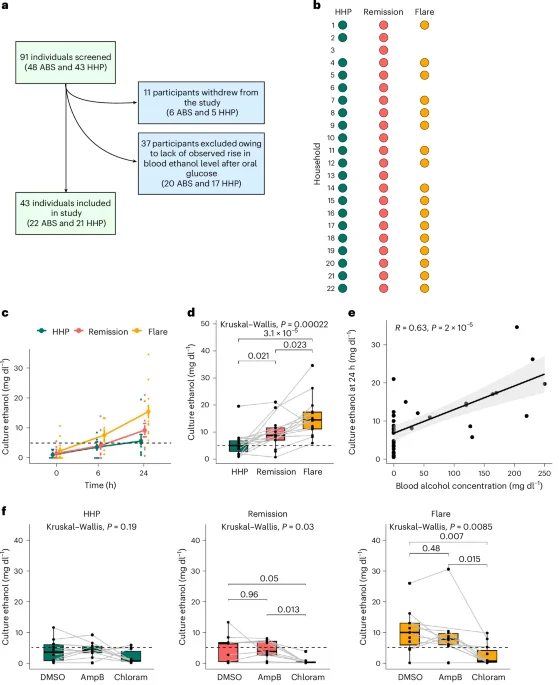
This study investigates how gut microbial ethanol metabolism contributes to auto-brewery syndrome, highlighting specific bacterial pathways and species involved, and providing data and tools for further research.
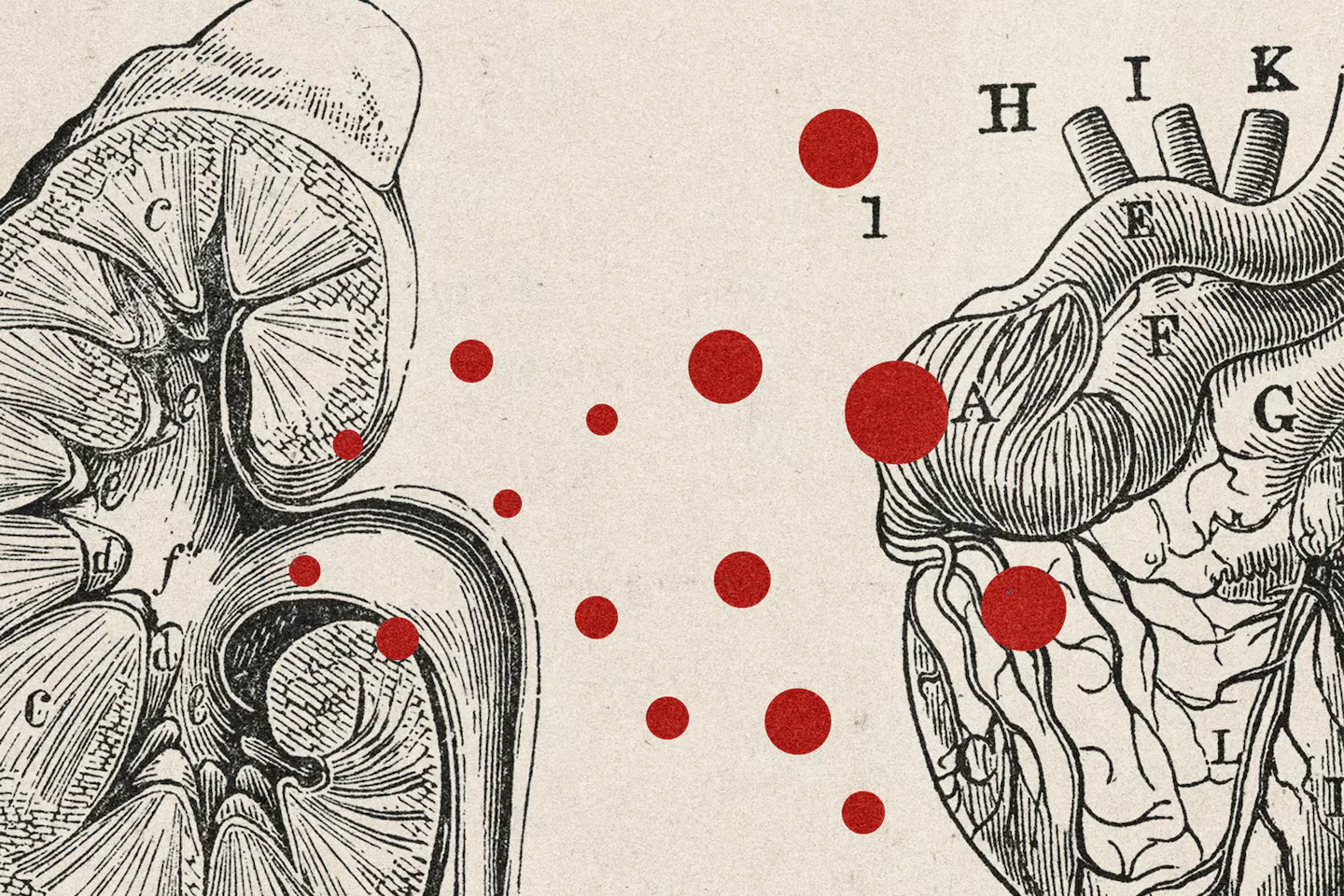
In 1991, a couple named Ida Sabelis and Jupp participated in an experimental MRI scan while having sex to study body responses, resulting in iconic medical images that contributed to understanding female anatomy and the shape of the penis, and the experiment is also remembered as a love story.,
Recent research has challenged the long-held belief that testosterone promotes prostate cancer growth, showing that testosterone therapy is safe for men with low levels and may even help in managing prostate cancer, leading to a shift in medical practice and treatment approaches.
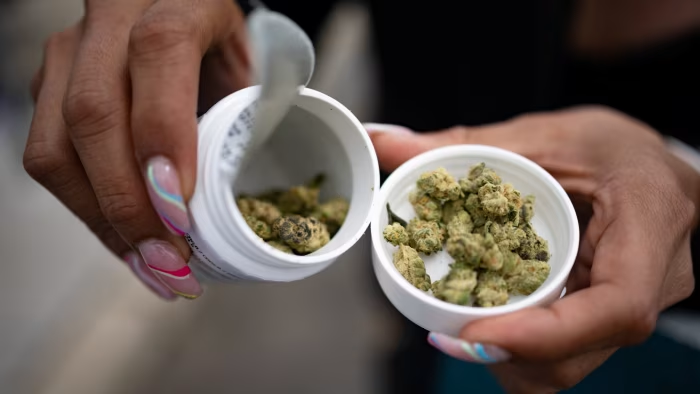
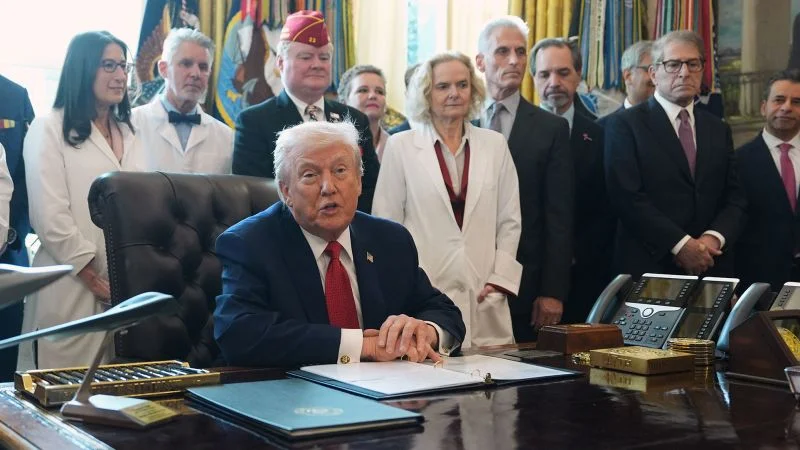
President Trump signed an executive order reclassifying marijuana from Schedule I to Schedule III, potentially easing research restrictions and reducing stigma, though it does not legalize the drug federally. Experts believe this change could facilitate more scientific studies on marijuana's medical benefits, but some caution about increased addiction risks and emphasize that marijuana's medicinal value remains unproven by conclusive research.
Marijuana stocks fell sharply after President Trump signed an executive order to reclassify marijuana as a less dangerous drug suitable for medical use, but stopped short of full legalization, making it a symbolic win for the industry without changing federal law or impacting markets significantly.
President Trump signed an executive order reclassifying marijuana from Schedule I to Schedule III, aiming to facilitate medical research and reduce legal barriers, while not legalizing it federally. The move recognizes marijuana's potential medical benefits and seeks to improve research and medical access, but possession remains illegal under federal law.
President Trump signed an executive order to expedite the reclassification of marijuana from Schedule 1 to Schedule 3, aiming to facilitate medical research and acknowledge potential medical benefits, though it stops short of full legalization or recreational reform. The move was influenced by lobbying from the cannabis industry and is seen as a symbolic first step, with ongoing barriers and debates about its implications and enforcement.
A small study suggests that a single infusion of a CRISPR-based gene-editing drug can safely reduce cholesterol and triglycerides by about half, potentially offering a one-time cure for high cholesterol, though more research is needed to confirm safety and long-term effects.
The article shares Ruth Wilson's experience living with lupus, a complex autoimmune disease, highlighting her long diagnosis journey, daily struggles, treatment, and her efforts to support others and raise awareness about the disease.
Researchers discovered that many reptiles excrete solid uric acid crystals as a water-saving adaptation, which could inspire new treatments for human conditions like gout and kidney stones caused by uric acid buildup.
Researchers identified thiorphan as a promising drug to promote neural regeneration and functional recovery after spinal cord injury by using a bioinformatics-driven pipeline, in vitro and in vivo testing, and validation in primate and human neurons, showing its potential for clinical translation.
Researchers studying reptile urine found that it contains tiny uric acid spheres, which may inspire new treatments for human conditions like gout and kidney stones caused by uric acid buildup.
A study shows that hormone therapy in trans women causes significant changes in blood proteins, aligning them more closely with cisgender women, which could impact health risks and treatment approaches.
The article discusses a novel implantable wafer system called CANDI that delivers immunostimulatory small molecules to reprogram immunosuppressive myeloid cells in glioblastoma, leading to long-term survival and prevention of tumor recurrence in mouse models, with promising implications for human treatment.
This study used spatial transcriptomics, proteomics, and genomics to analyze the tumor immune microenvironments in diffuse large B-cell lymphoma (DLBCL), identifying distinct cellular neighborhoods and communication patterns that influence immune cell function and tumor behavior, with implications for targeted immunotherapy.