G2 Geomagnetic Storm Watch Targets Jan 10–11, 2026
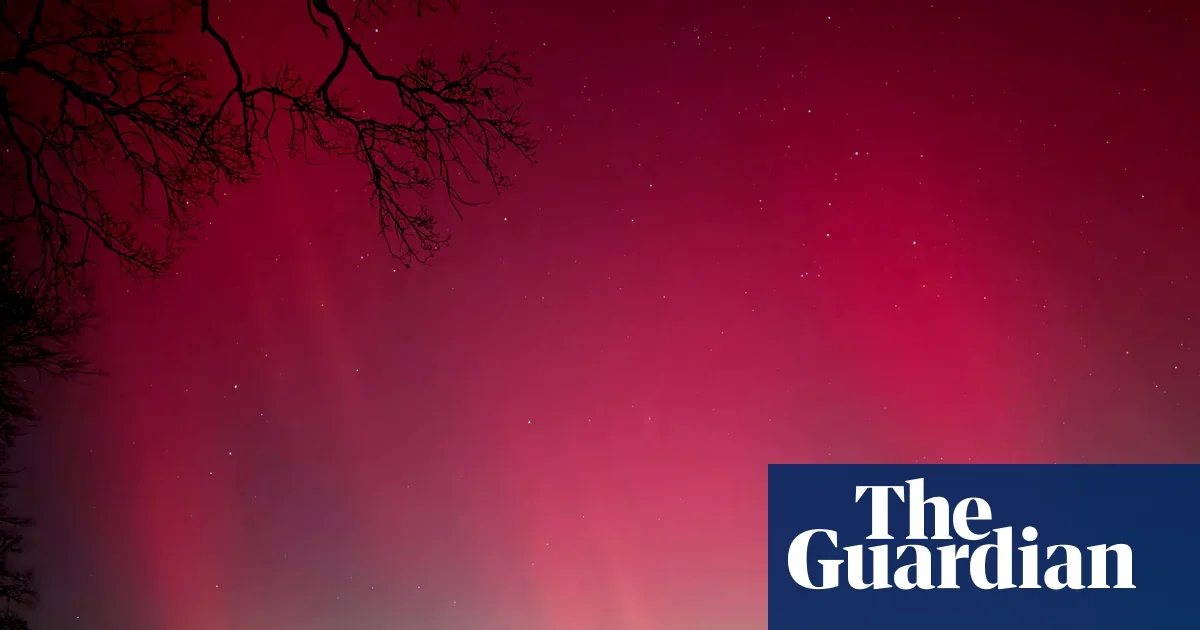
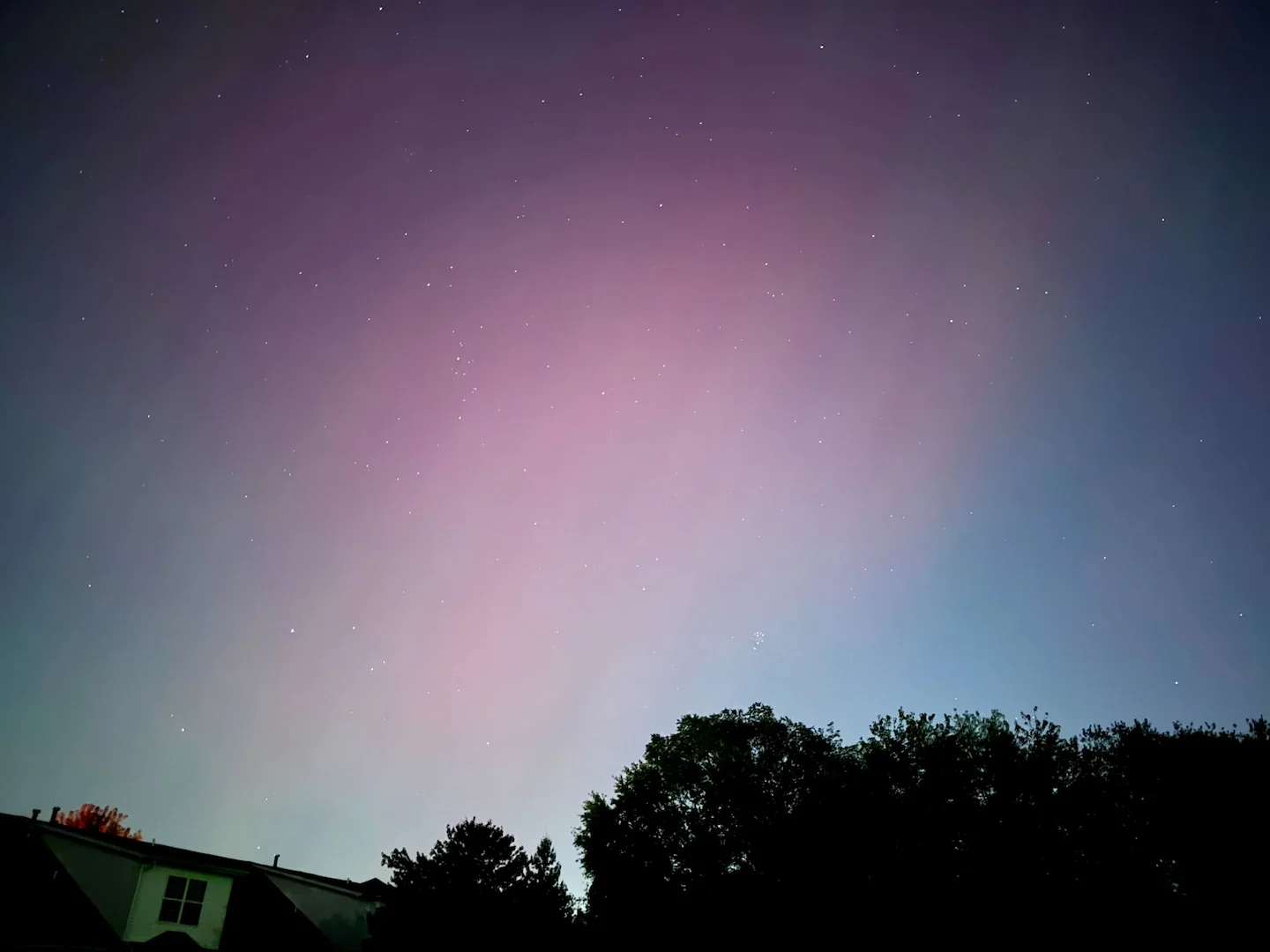
NOAA foresees periods of G1-G2 (minor to moderate) geomagnetic storming on January 10–11, 2026, triggered by a CME that left the Sun on January 8.
All articles tagged with #noaa
NOAA foresees periods of G1-G2 (minor to moderate) geomagnetic storming on January 10–11, 2026, triggered by a CME that left the Sun on January 8.
NOAA has issued G1-G2 watches for January 3-4 due to expected CMEs from solar activity, which may cause minor to moderate geomagnetic storms, affecting HF radio and navigation signals.
NOAA has issued G1 to G2 watches from January 1-3, 2026, indicating expected increased geomagnetic activity due to coronal mass ejections (CMEs), which may cause minor to moderate disruptions in HF radio and navigation signals.

NOAA has launched new AI-driven weather models that significantly improve forecast speed and accuracy while reducing computational costs, enhancing weather prediction capabilities without replacing traditional models.

NOAA has launched new AI-driven global weather prediction models, including AIGFS, AIGEFS, and HGEFS, which significantly improve forecast speed, accuracy, and resource efficiency, marking a major advancement in meteorological technology and forecasting capabilities.

Scientists discovered a new tiny, glowing shark species called the American pocket shark in the Gulf of Mexico, notable for its bioluminescent pockets and rarity, highlighting the vast unknown diversity of deep-sea life.
NOAA has issued a G3 warning due to effects from a coronal hole high-speed stream, impacting radio communications and navigation, with conditions expected to persist into Wednesday evening, December 3, 2025.
NOAA has issued a G2 (Moderate) geomagnetic storm watch for December 3-4 due to a coronal mass ejection associated with an X1.9 solar flare, which may impact radio communications and navigation systems.
NOAA has issued geomagnetic storm watches from November 11 to 13 due to coronal mass ejections (CMEs) impacting Earth, with storm levels ranging from minor to moderate, and ongoing analysis to refine forecasts.
A strong G3 geomagnetic storm continues, with a G4 (Severe) storm still expected due to a CME arriving, causing minor disruptions in HF radio and navigation signals.
A CME has arrived and is passing over Earth, causing geomagnetic storms mostly in G1-G3 levels, with a G4 storm still possible tonight, leading to minor disruptions in HF radio and navigation signals.

Space weather forecasters warn of severe solar storms caused by recent coronal mass ejections from the sun, which could produce vibrant northern lights visible across much of the northern U.S. and disrupt communications, GPS, and power grids. The sun is currently at the peak of its 11-year activity cycle, increasing aurora activity and space weather events, with experts advising caution and preparation for potential disruptions.
A G3 (Strong) watch has been issued for November 6-7 due to an anticipated coronal mass ejection (CME) impacting Earth, with potential effects including degraded HF radio and navigation signals; the actual severity will be confirmed upon CME arrival at the L1 spacecraft.
NOAA reports minor space weather disruptions from solar activity, including weak HF radio and navigation signal degradation, with a likelihood of R1-R2 solar flares during the week of November 3-7, 2025.
Region 4274 remains the primary source of solar flare activity, with increased complexity, impacting space weather conditions and causing minor disruptions to HF radio and navigation signals.