Retractions, AI Slop, and the Watchful Eye of Peer Review
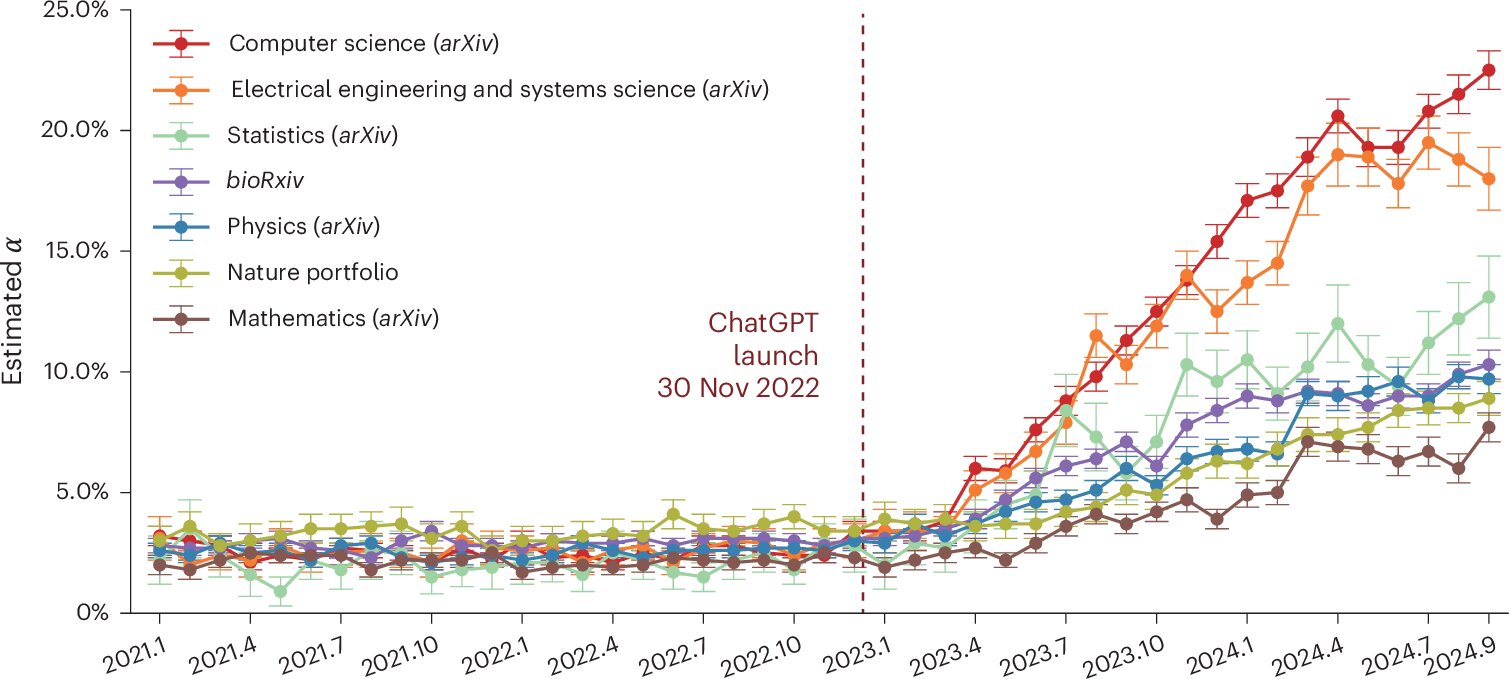
Retraction Watch’s Weekend Reads roundup recaps a week of publishing scrutiny: headlines about a researcher’s alleged poisoning obfuscation, plagiarism accusations, fake references, and dozens of retractions due to compromised peer review; it also highlights AI-related issues in arXiv’s new rules (endorsements for first-time posters and English submissions) and a broad set of discussions on replication, ethics, and data use. The post notes the Hijacked Journal Checker with 400+ entries, the Retraction Watch Database surpassing 63,000 retractions, COVID-era retractions over 640, and 50 mass resignations, and invites donations to support the work.