Despite President Trump's optimistic predictions about a rapid U.S. oil rush into Venezuela following political upheaval, industry experts and companies are skeptical due to Venezuela's degraded infrastructure, political instability, and economic realities, suggesting that the move is more about political signaling than economic opportunity.
The article explores the motivations and implications behind former President Trump's focus on oil policies, suggesting a strategic or economic agenda related to energy resources and geopolitical influence.
A potential regime change in Venezuela could lead to increased oil production, impacting global and Canadian oil markets by lowering heavy crude prices, challenging Canada's energy sector, and prompting calls for economic diversification, though a large-scale Venezuelan oil revival remains unlikely due to infrastructural and political challenges.
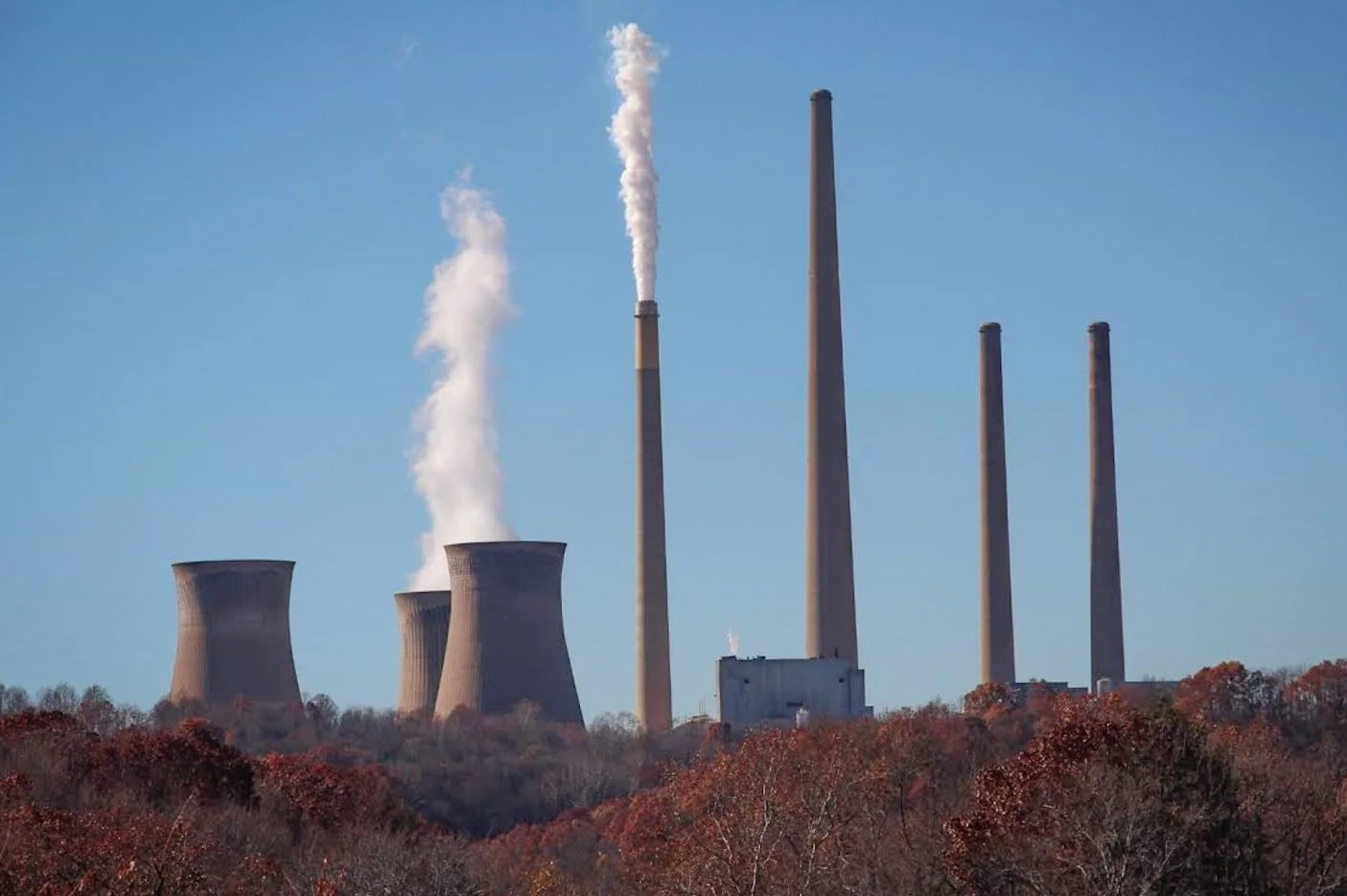
President Trump is redirecting nearly $625 million in federal funds, originally intended for clean energy and carbon capture projects, to revive aging coal plants, raising concerns about the deviation from the original statutory purposes and the potential undermining of clean energy goals.
The article discusses whether Donald Trump can revitalize the American coal industry amidst ongoing debates about energy policy and climate change, highlighting the challenges and political implications involved.
The Trump administration extended the operation of two Indiana coal power plants until 2026 and granted additional time for coal plants to manage toxic waste, as part of efforts to support the struggling coal industry amid broader climate policy shifts.
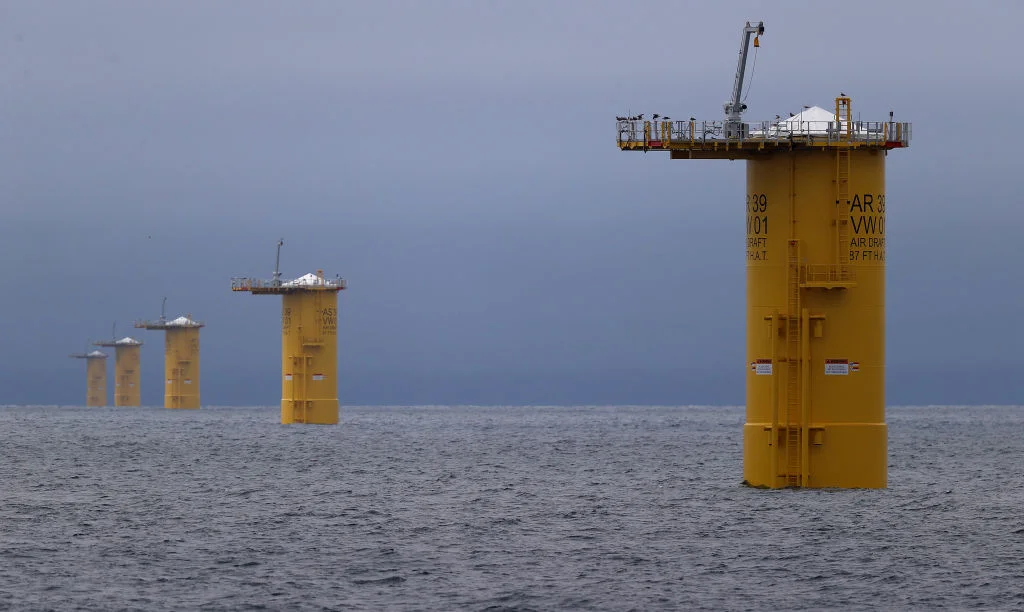
The Trump administration has paused leases for five offshore wind farms off the East Coast, citing concerns about radar interference and national security, despite these projects being largely approved and already partially operational, raising concerns about setbacks in renewable energy development and energy security.
The Trump administration has paused all offshore wind project leases citing national security concerns, a move criticized by experts as unfounded and detrimental to renewable energy development and economic growth, especially as these projects are nearly complete and vital for clean energy goals.
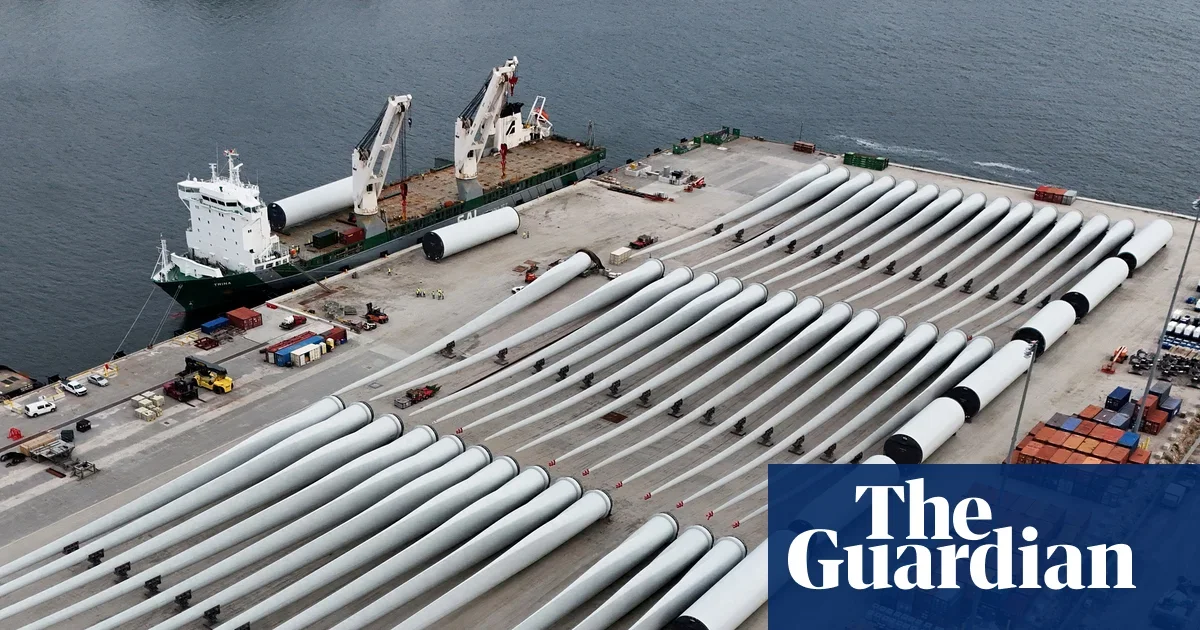
The Trump administration has suspended all large offshore wind projects under construction in the US, citing unspecified national security concerns related to radar interference, which threatens billions in investments and thousands of jobs, despite industry and state support for renewable energy development.
A recent study suggests that while rooftop solar and EVs can lower overall electricity costs, they may increase costs for non-adopters, especially low-income households, in the short term. The effects are small but could grow as adoption rises, highlighting the need for informed policymaking to balance environmental benefits with economic equity.
The White House plans to roll back a rule that would have saved Americans $23 billion on fuel costs by requiring higher fuel economy standards, a move that is expected to increase fuel prices and demand, with significant political and environmental implications.
The International Energy Agency now projects that global oil consumption could continue to grow until 2050, driven by slower electric vehicle adoption and increased natural gas use, challenging previous expectations of peak demand and raising concerns about climate change impacts.
Hungarian Prime Minister Viktor Orban's Washington trip resulted in a US exemption from sanctions on Russian energy for a year, US nuclear fuel and technology deals, and a potential currency swap, but did not secure a visa waiver or a summit with Putin, highlighting Hungary's complex balancing act between US support and energy dependence on Russia amid ongoing regional tensions.
Canada's new federal budget, introduced by Finance Minister François-Philippe Champagne, features significant spending aimed at boosting competitiveness and infrastructure, alongside planned austerity measures including job cuts and ministry reductions. The budget emphasizes transforming Canada into a 'clean energy superpower,' increasing defense spending, and diversifying trade away from the US, while also marking a shift away from Trudeau-era policies such as immigration targets and environmental initiatives. It aims to address economic challenges posed by global shifts and US trade tensions through strategic investments and reforms.
Democrats Peter Hubbard and Alicia Johnson won key seats on Georgia's Public Service Commission, marking the first statewide Democratic wins since 2006 and signaling a shift in energy policy focus towards affordability and clean energy, amid concerns over rising utility costs and outside spending influence.