science-and-environment3.225 min read
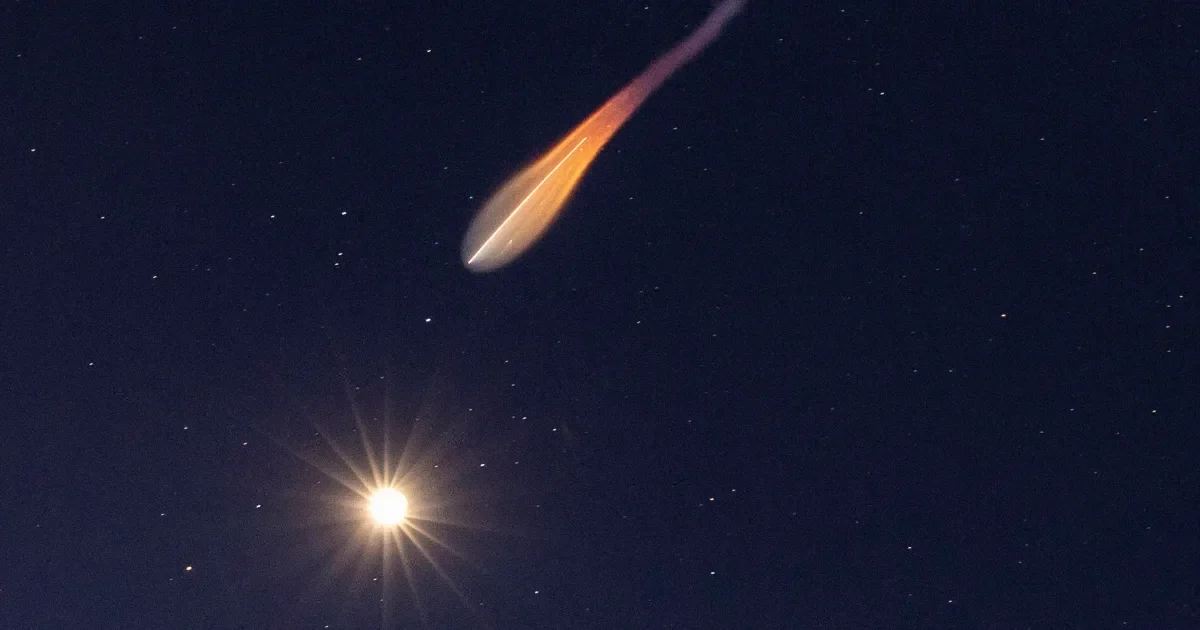
Falcon 9 reentry leaves upper-atmosphere lithium plume, raising space-pollution concerns
6 days ago•Source: Futurism

The latest science and environment stories, summarized by AI
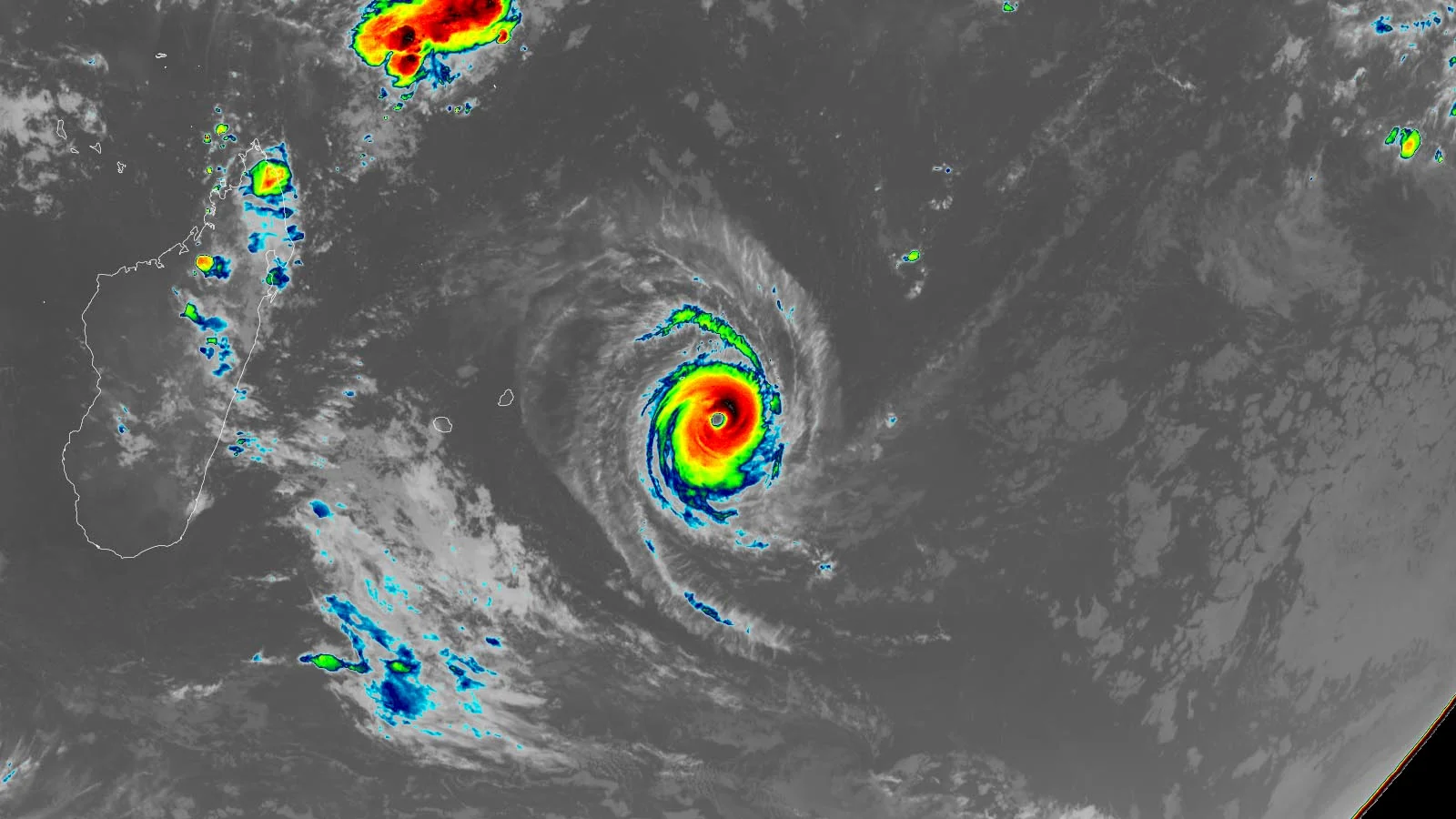
Tropical Cyclone Horacio became the world’s first Category 5 tropical cyclone of 2026, peaking at 160 mph over warm South Indian Ocean waters; it poses no land threat and is expected to weaken as it moves into cooler waters and higher wind shear, a reminder that climate change may drive a higher share of storms to Category 4–5 strength.
CBS News•2 months ago
BBC•2 months ago
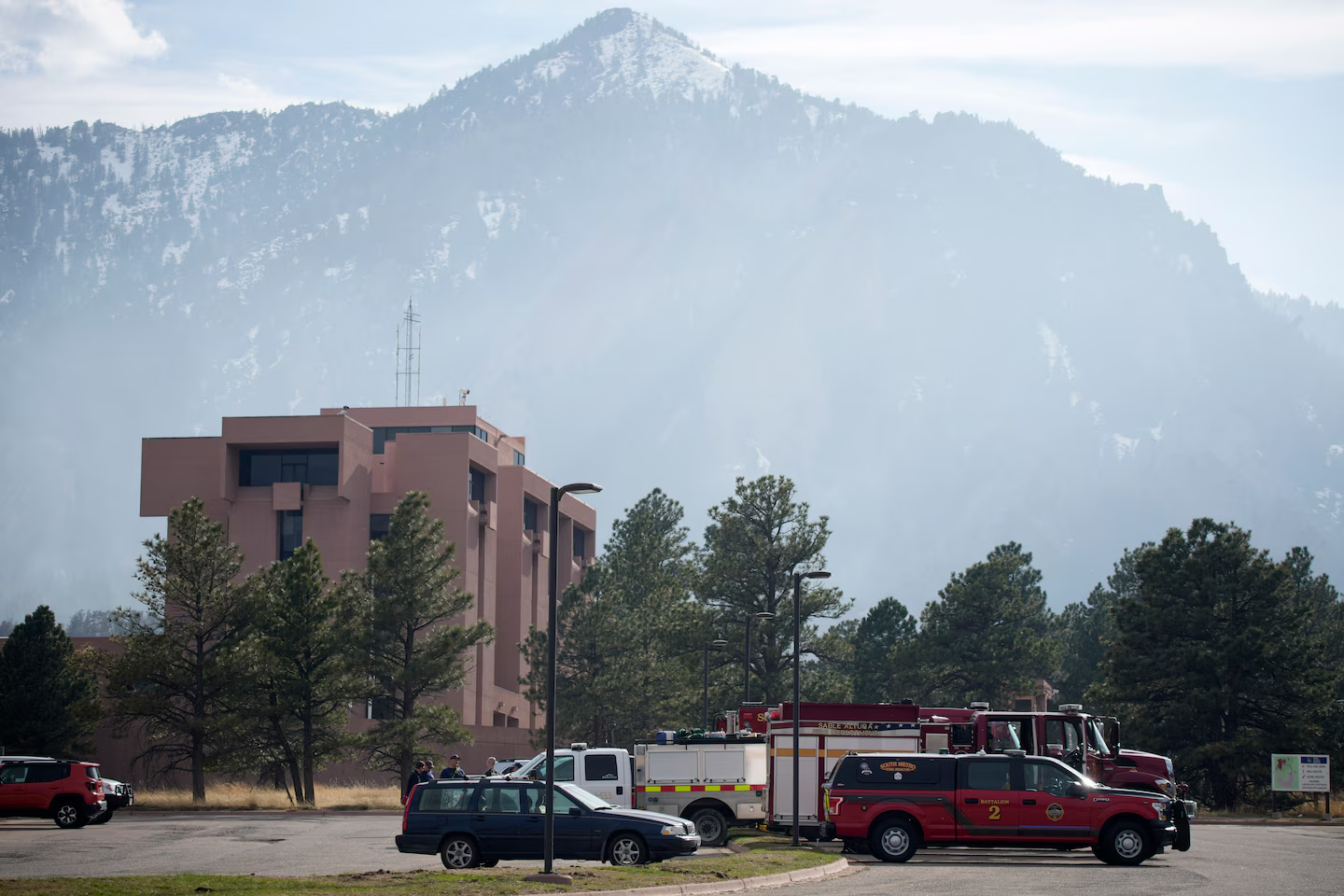
Trump officials plan to dismantle the global climate and weather forecasting system, which could impact international climate science and weather prediction efforts.

Research shows that banana peels, a common kitchen waste, can be turned into effective biofertilizers that promote healthier and taller plants, offering a sustainable alternative to synthetic fertilizers and reducing environmental impact.
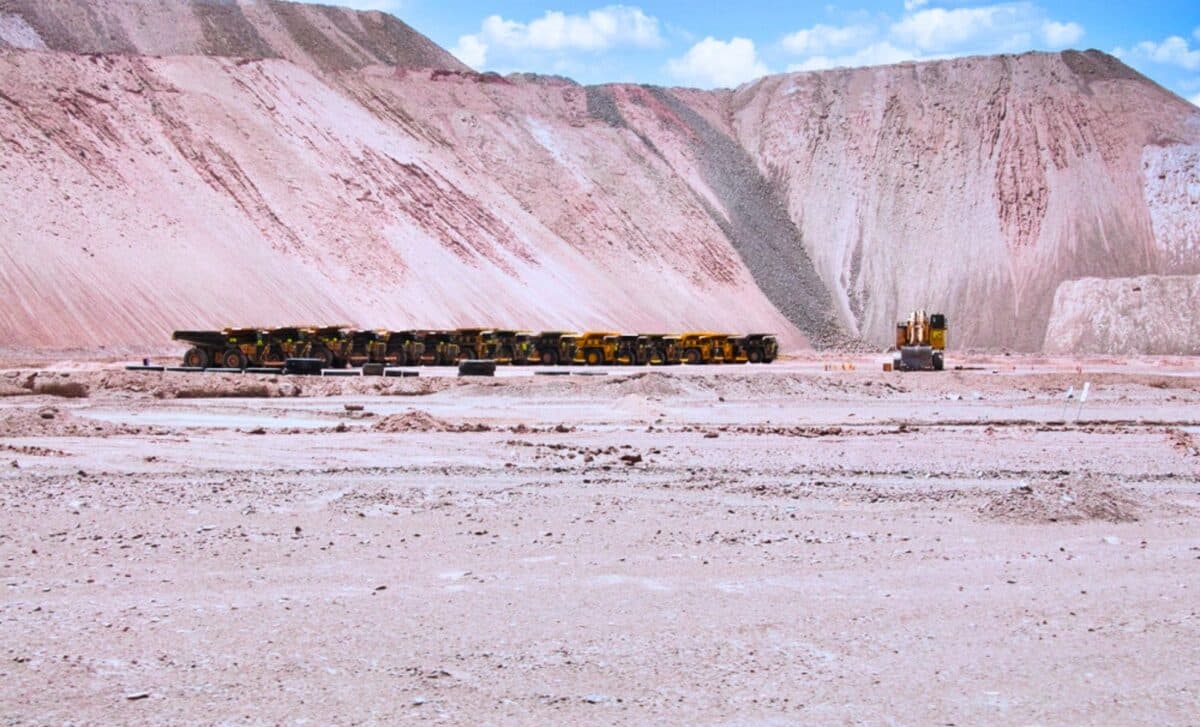
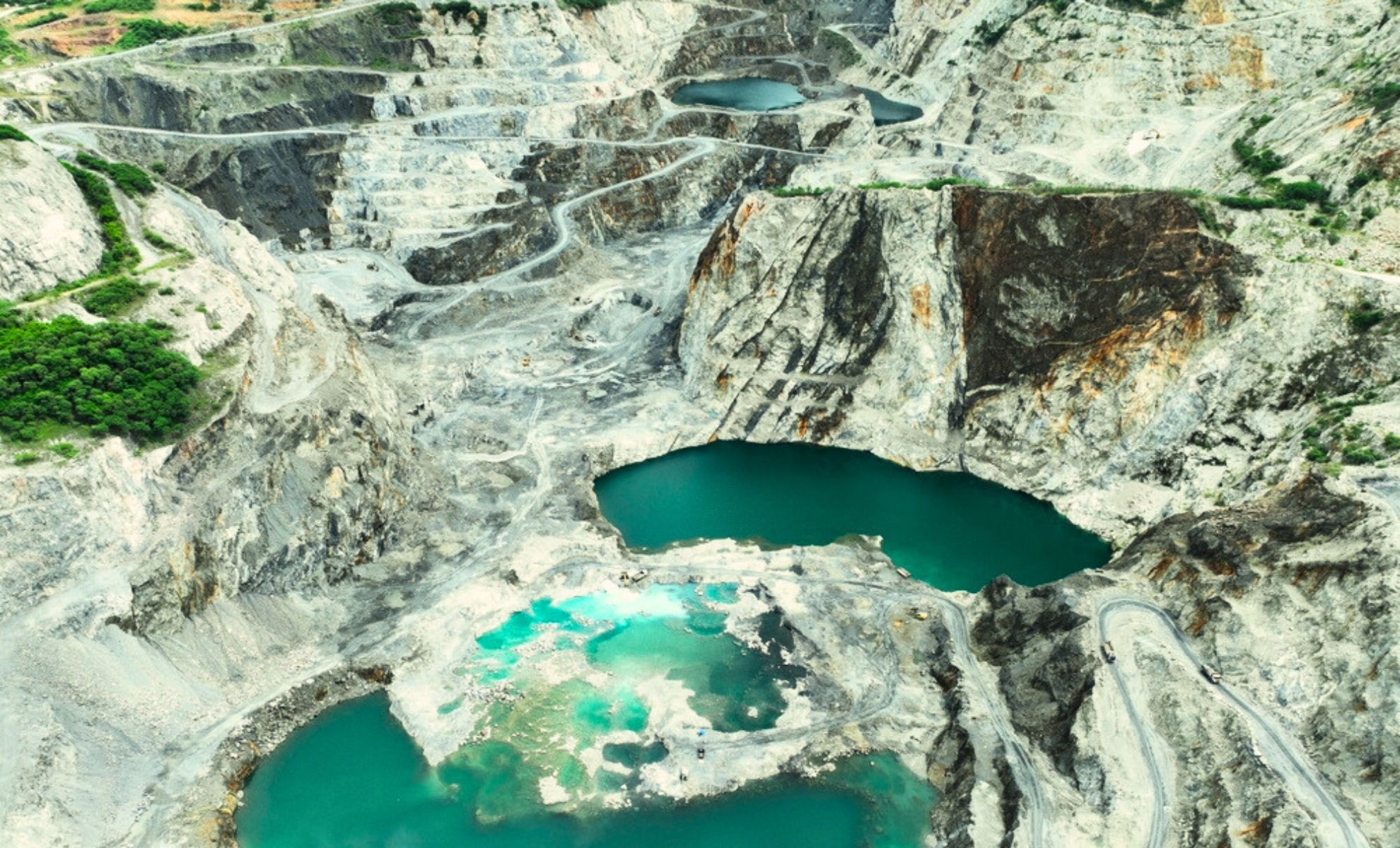
Scientists have confirmed the world's largest lithium deposit beneath Nevada's McDermitt Caldera, potentially holding over 20 million metric tons of lithium, which could significantly impact the US's clean energy and electric vehicle industries. The deposit's unique volcanic origin presents both opportunities and challenges, with ongoing debates over environmental and cultural impacts.

Scientists are exploring the potential of fungi, particularly mycelium, to address environmental challenges such as plastic waste and pollution, with innovations like fungi-activated diapers that could decompose plastics within a year and fungi-based materials for packaging, insulation, and chemical production, highlighting fungi's versatility as nature's original engineers.
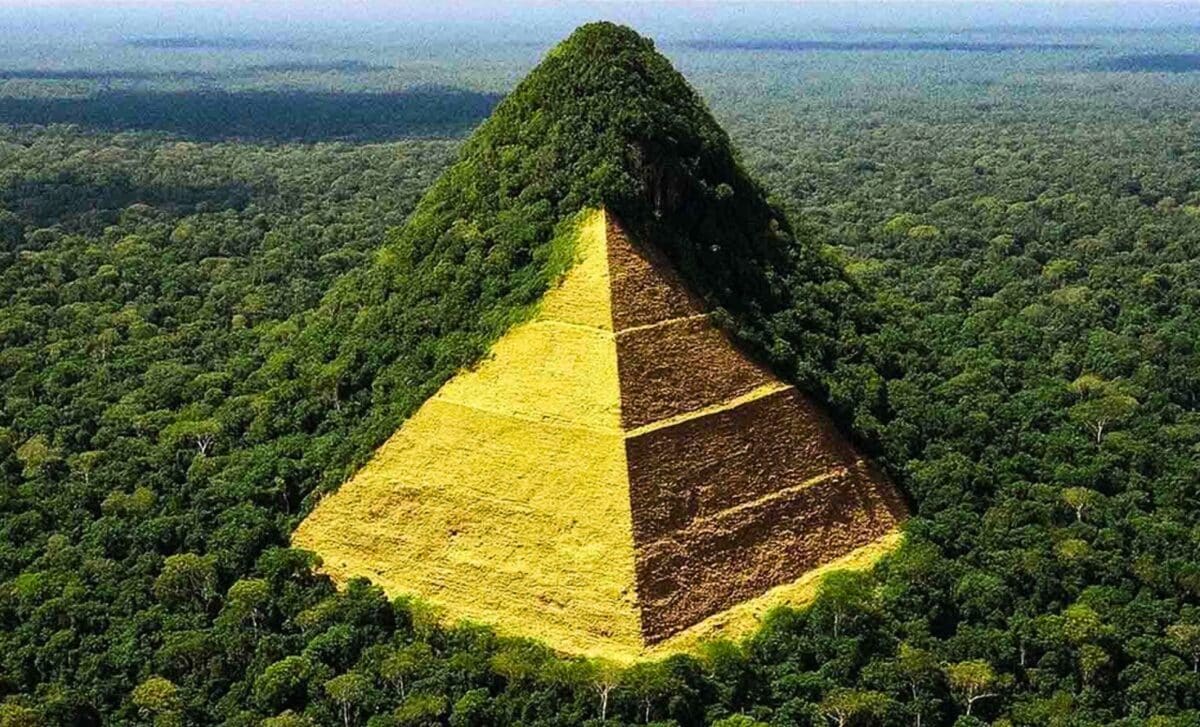
A near-perfect pyramid-shaped landform called Cerro El Cono has appeared in the Peruvian Amazon, sparking scientific debate over its origin—whether volcanic, erosional, or possibly man-made—while also highlighting ongoing conservation challenges in the region, which is culturally sacred and ecologically vital.
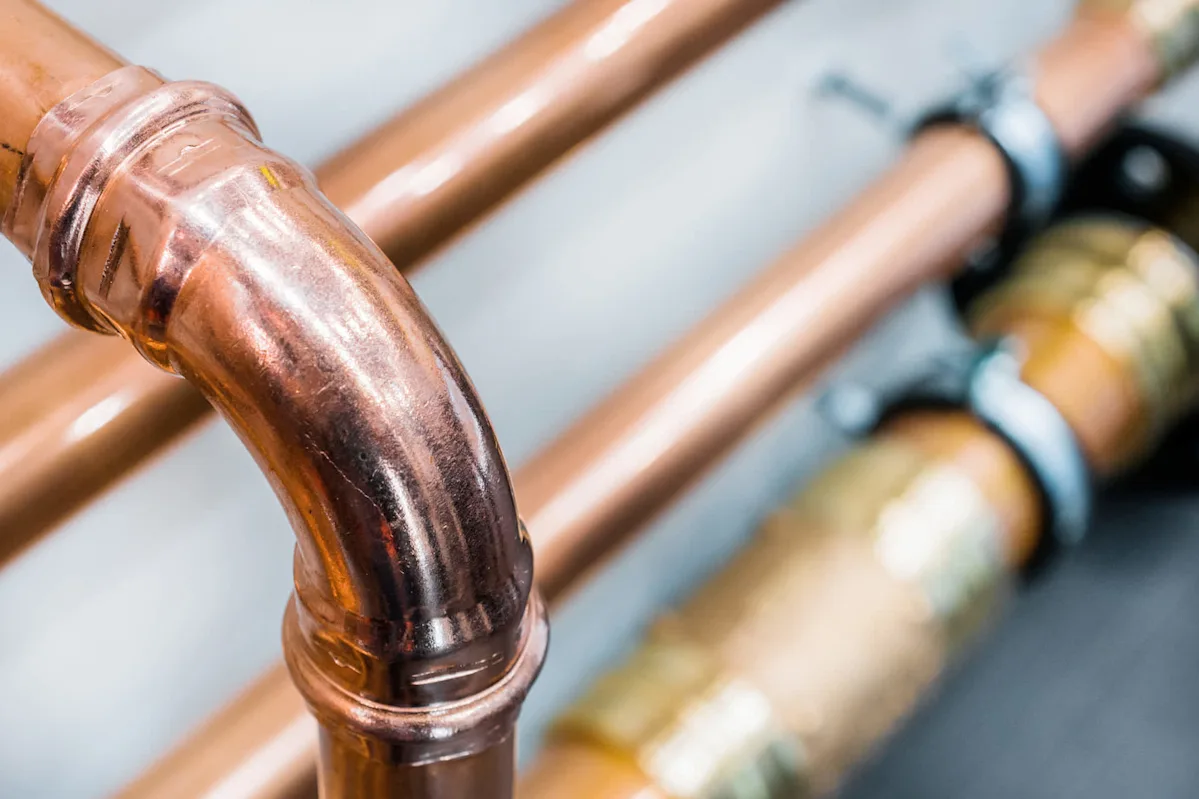
Researchers have developed a simple, inexpensive method using an optical sieve, a microscope, and a camera to detect nanoplastics as small as 200 nanometers in water and biological samples, potentially revolutionizing environmental monitoring and health impact assessments.

Hospital admissions for Covid in the UK have reached a 10-month high due to waning immunity and rising cases, prompting concerns about potential increases in severe cases and stressing the importance of booster vaccinations, especially as autumn approaches.
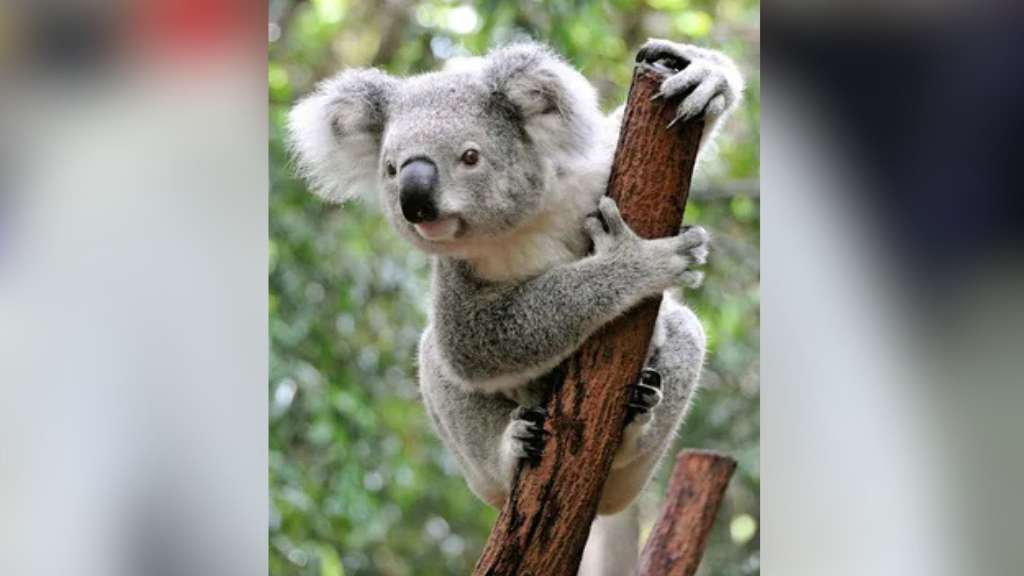
Australia has approved a chlamydia vaccine for koalas, aiming to combat a disease responsible for significant mortality and threatening the species' survival, with the vaccine shown to reduce infections and deaths in wild populations by at least 65%.
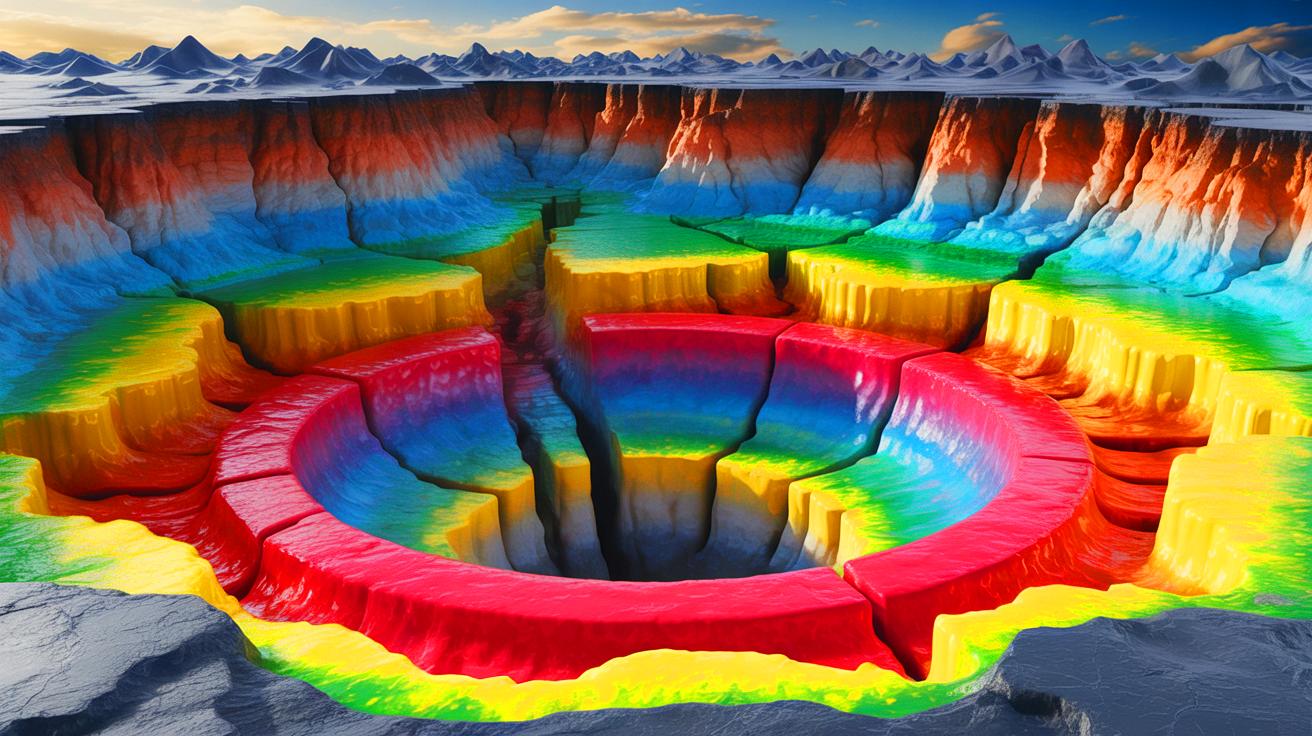
Scientists from Oxford and other universities have discovered vast natural hydrogen reserves beneath the Earth's crust, potentially capable of powering the planet for 170,000 years, offering a promising, low-carbon alternative to current hydrogen production methods, despite challenges in extraction and technological development.
Great Basin National Park in Nevada is renowned for its dark skies, making it an ideal location for astronomy and scientific research, including hosting the only research-grade observatory within a U.S. national park, which contributes to both scientific discoveries and educational efforts to preserve night sky visibility.