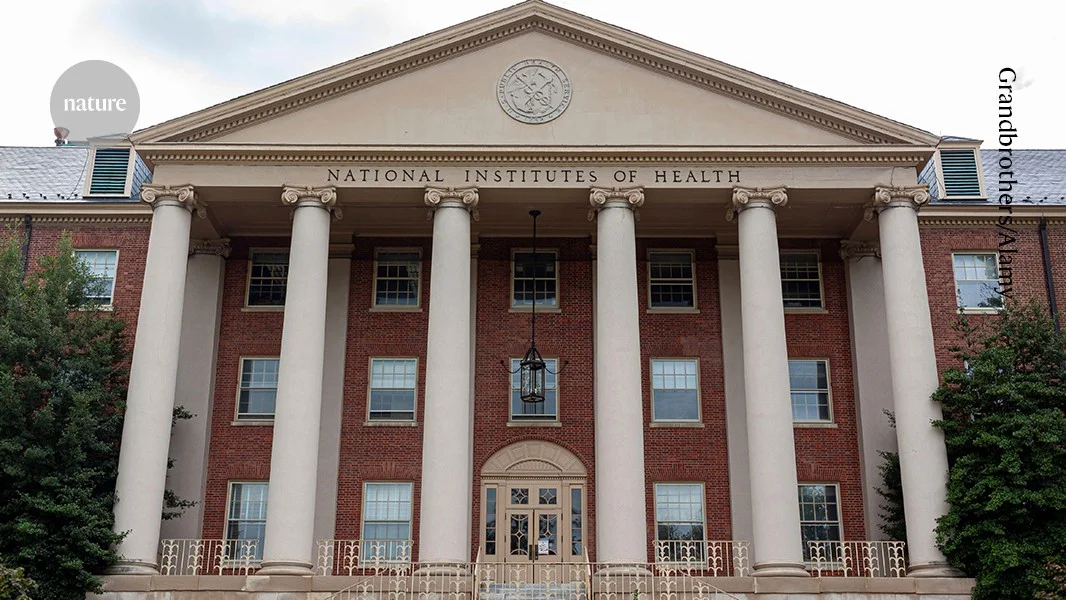
A group of former NIH scientists and administrators have resigned in protest, citing political interference, censorship, and undermining of scientific integrity by the current administration, which they believe threatens public health, scientific progress, and democratic freedoms.
The NIH is reviewing and deciding on numerous previously rejected or shelved grant applications following court agreements, which aim to address delays caused by political restrictions, particularly on diversity, equity, and inclusion research. This process is part of ongoing legal battles over federal research funding, with some grants being restored and others not renewed due to shifting priorities, raising concerns about the impact on public health research and scientists' careers.
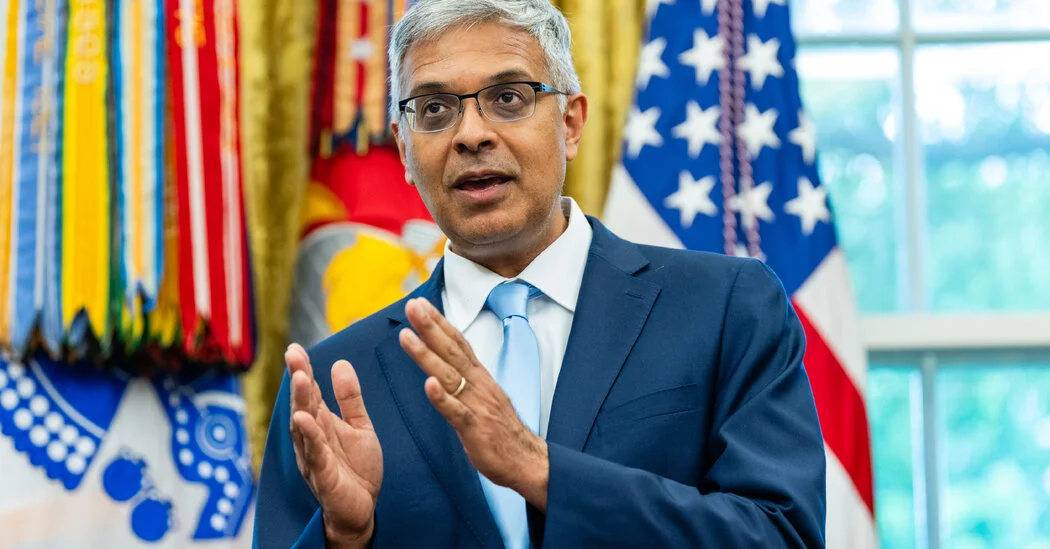
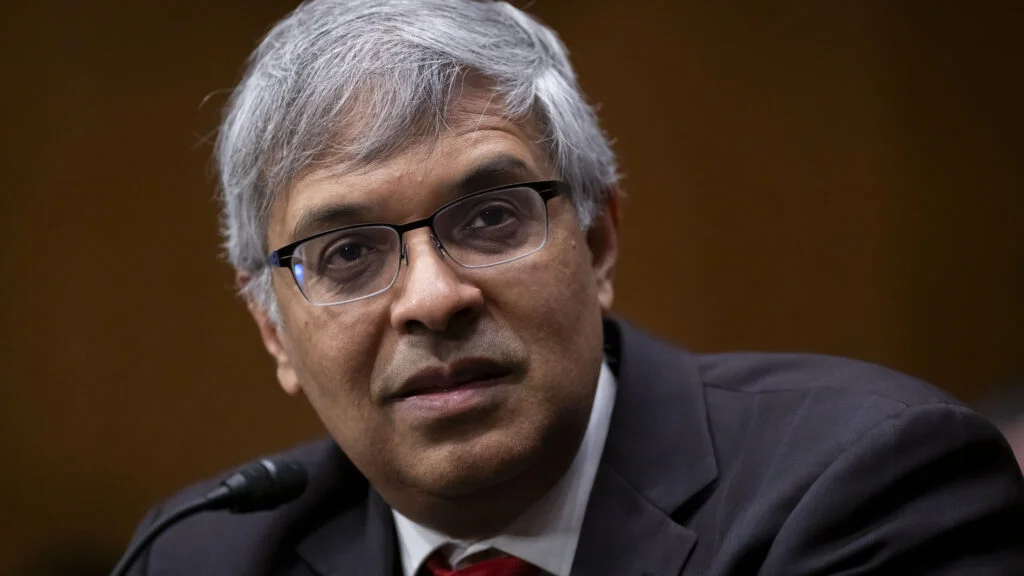
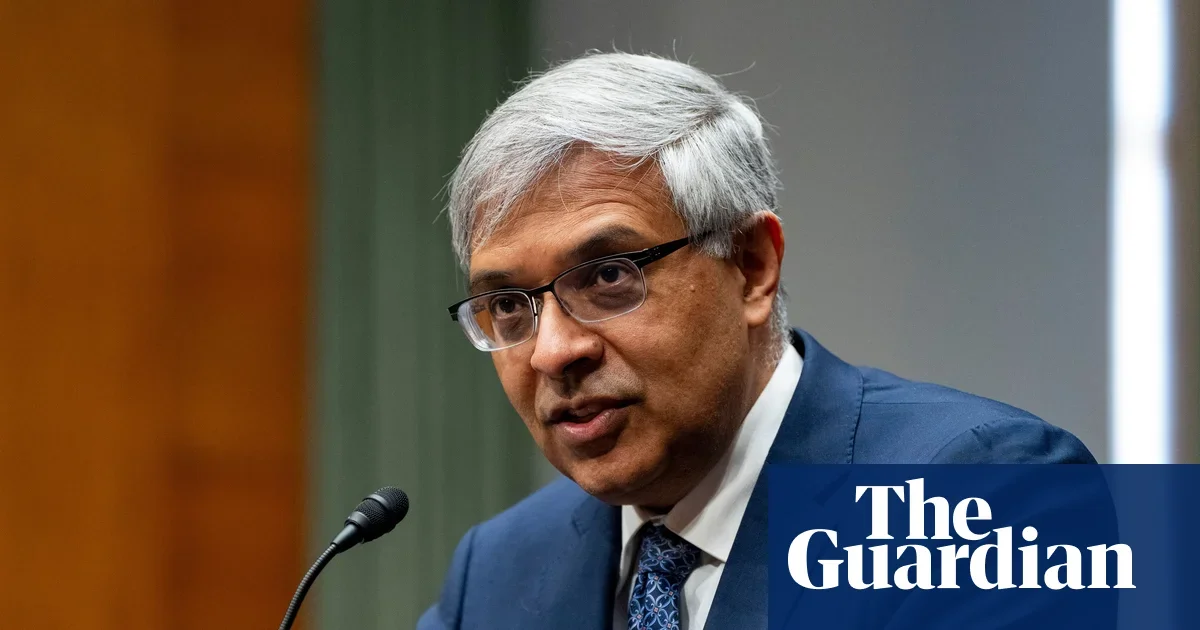
NIH Director Jay Bhattacharya announced that DEI-related grants restored after court rulings may not be renewed once they come up for renewal, as they no longer align with NIH priorities, signaling a shift away from DEI-focused research funding amidst ongoing legal and political debates.
Walter Koroshetz, director of the NIH's National Institute of Neurological Disorders and Stroke, is leaving his position after his reappointment request was denied, contributing to leadership instability across nearly half of NIH divisions.
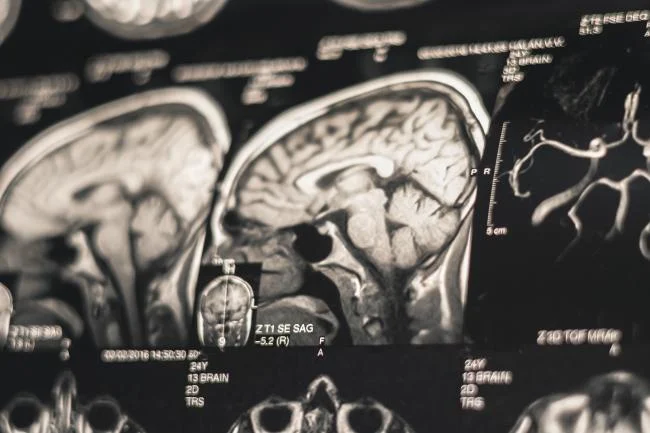
Scientists from Scripps Research and the Allen Institute, supported by a $14.2 million NIH grant, are launching a project to map the body's 'hidden sixth sense'—interoception—by creating a comprehensive atlas of the neural pathways that monitor internal organs, aiming to advance understanding of health and disease.
Jenna Norton, a federal employee at NIH, speaks out against the government shutdown and potential layoffs, highlighting the damage already done to public services and research, and urging Congress to assert its constitutional authority to protect government functions and transparency.
The NIH has disbanded the advisory committee NExTRAC, which provided guidance on ethical and scientific issues in biotechnology, raising concerns about the future of open discussions on scientific ethics and community engagement in research.
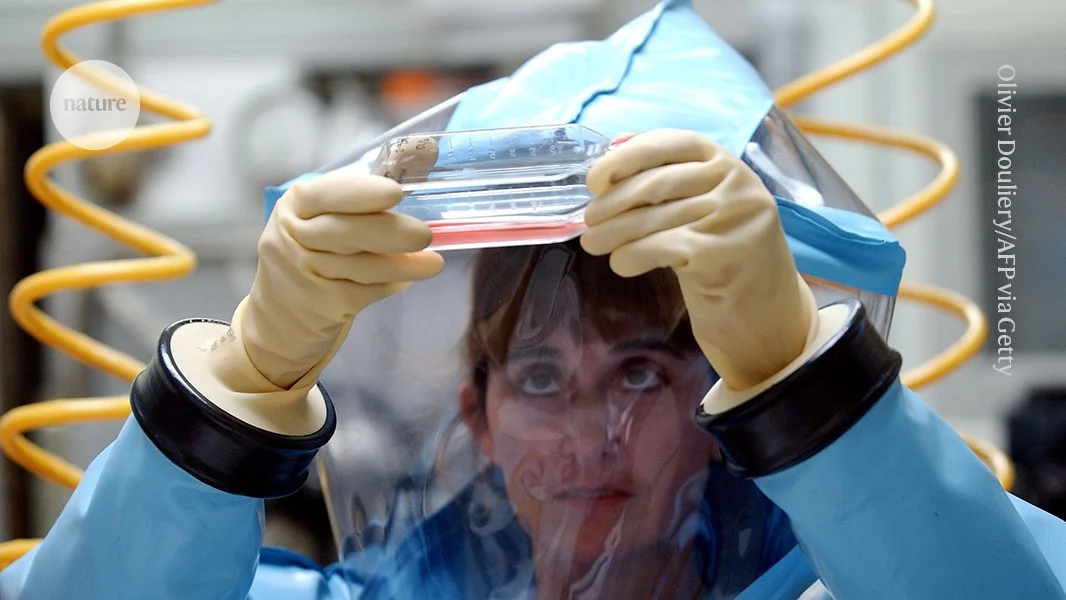
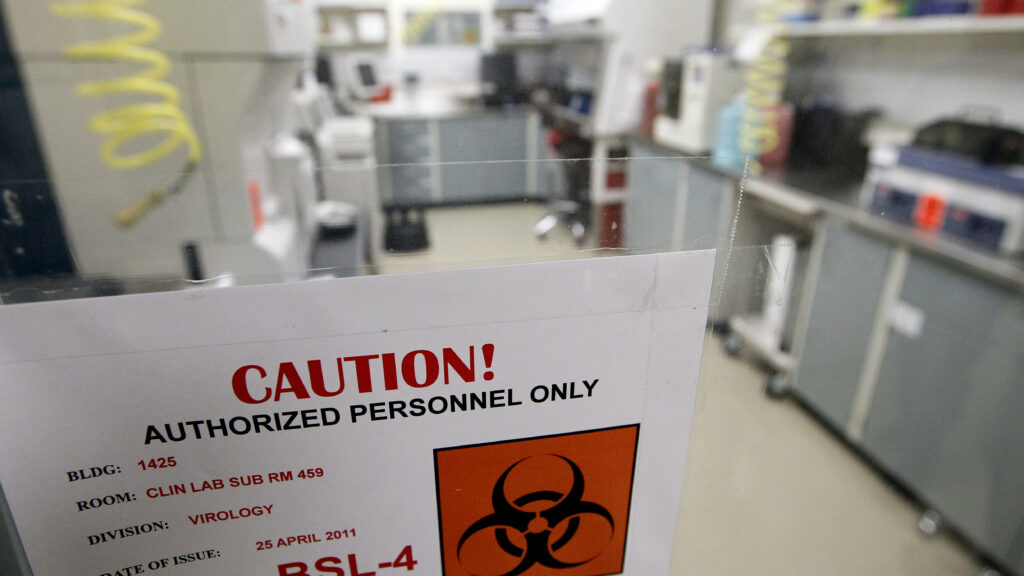
Sarah Stanley, a UC Berkeley researcher, criticizes the NIH's decision to halt her TB research, arguing that the work involves standard, safe techniques that are crucial for developing treatments and that the broad classification of her work as 'dangerous' is misleading and could hinder important medical progress.
The US government shutdown beginning October 1st, due to Congress's failure to pass funding legislation, is unprecedented in its potential impact on science, with mass layoffs and suspension of research at agencies like NASA, NIH, NSF, and EPA, raising concerns about long-term effects on scientific progress and government research initiatives.
Kevin Hall, a scientist at the NIH, gained attention in 2019 for his study on ultra-processed foods, highlighting their impact on health, and the article explores what he eats in a day.
Dr. Anthony Letai has been sworn in as the director of the National Cancer Institute, bringing decades of expertise in cancer research, cell death, and treatment development, with a focus on advancing cancer cures and understanding biomarkers.
The NIH is investing millions to enhance autism research through the Autism Data Science Initiative, aiming to accelerate understanding of autism's genetic and environmental factors, following a White House announcement.
Harvard received $46 million in federal research grants from NIH after a court ruling struck down a Trump-era funding freeze, marking the first disbursement since May, though long-term financial challenges remain due to potential budget cuts and increased taxes.
The NIH has launched a five-year project to advance research on whole-person health by creating an integrated knowledge network of healthy physiological functions, aiming to understand health as an interconnected process involving the entire body, building on existing atlases and data to develop a comprehensive model of human health.
The article discusses how the Trump administration's significant cuts to cancer research funding are threatening America's successful cancer research system, which has led to major improvements in survival rates and promising new treatments, potentially jeopardizing future medical breakthroughs.