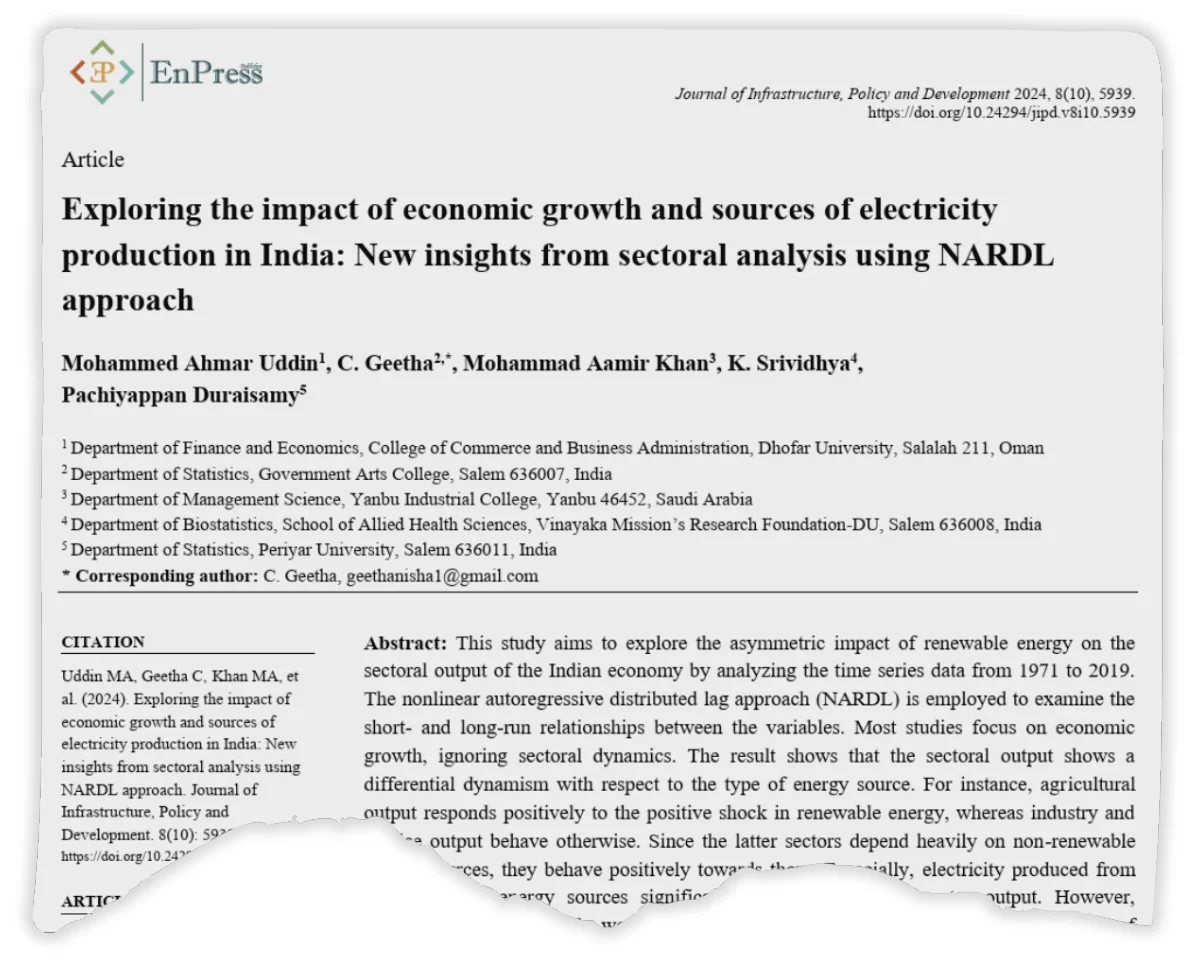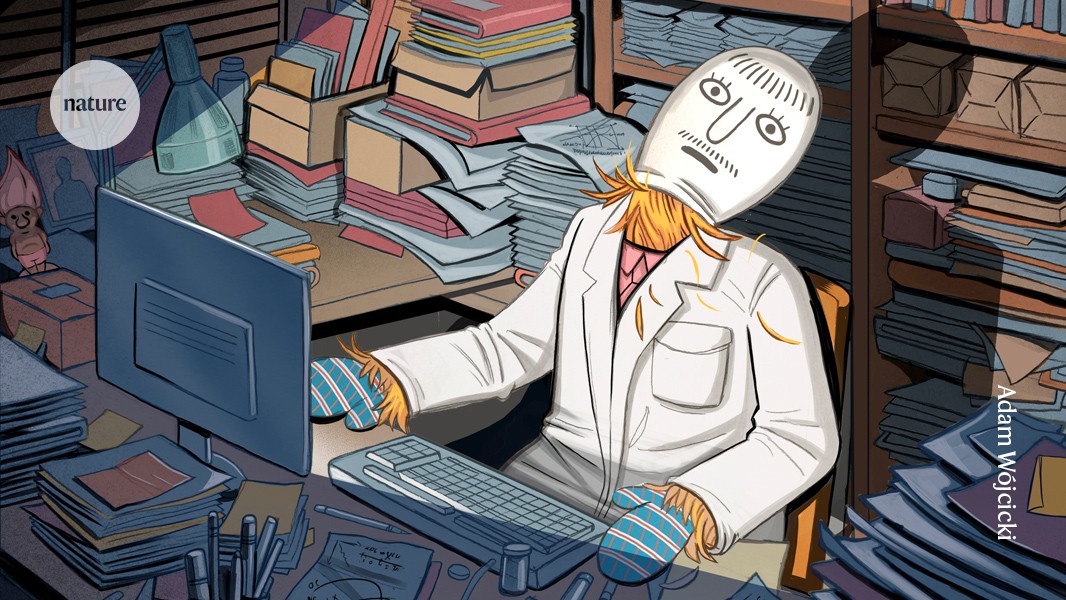
The article discusses the problem of fake scientists and paper mills in academic publishing, highlighting cases of fabricated authors and reviewers used to manipulate peer review and publish fraudulent research, and explores potential measures to improve identity verification and uphold research integrity.
An AI tool using language models like BERT has flagged over 250,000 cancer research papers as suspected paper-mill products, revealing a steep rise in low-quality or fraudulent publications over the past two decades, though further verification by human experts is needed due to potential false positives.
A study from Northwestern University reveals that research fraud in scientific papers is widespread and increasing, with estimates suggesting actual fraud rates could be 10 to 100 times higher than detected. The rise is driven by paper mills, corrupt editors, and the pressure to publish, with the problem exacerbated by online publishing and the potential of generative AI to produce fake research. Experts call for collective action, accountability, and stricter enforcement to combat this growing threat to scientific integrity.
A new report warns that while astronomy has largely avoided scientific fraud, the rise of criminal organizations producing fake research could threaten the integrity of scientific literature, especially as space research grows and AI is used to generate fake papers, potentially polluting the field and hindering genuine scientific progress.
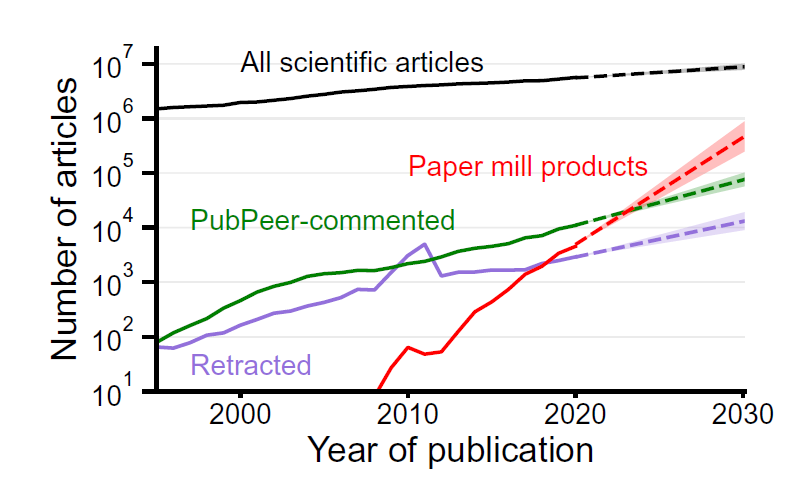
A new study highlights the widespread issue of fraudulent scientific research, with thousands of fake papers, often produced by paper mills and linked to unethical practices, polluting the scientific record and threatening trust in science. The study found significant collusion among some editors and authors, especially in countries like China and India, where publication pressure is high, and noted that current measures to combat this fraud are insufficient as the problem grows rapidly.
A 2025 study reveals that organized scientific fraud, involving large networks and paper mills, is rapidly growing and infiltrating reputable journals, threatening the integrity of science and leading to significant real-world consequences. Experts call for systemic reforms to combat this industrialized deception, especially as AI complicates detection efforts.
A Northwestern University study reveals that organized scientific fraud, involving sophisticated networks and paper mills, is rapidly increasing, threatening the integrity of scientific literature and calling for urgent reforms in the research community.
A study highlights the rapid growth of research fraud driven by paper mills, brokers, and predatory publishers, outpacing corrective measures like retractions, and calls for global systemic changes to combat this issue effectively.
A high-profile group of funders, academic publishers, and research organizations has launched an effort to address the problem of paper mills, which churn out fake or poor-quality journal papers and sell authorships. The group's five-point plan includes measures such as studying paper mills, improving author-verification methods, and supporting the development of tools to verify the identities of authors, editors, and reviewers. The initiative aims to improve education and awareness of the problem, conduct detailed research into paper mills, and ensure that groups across publishing communicate in tackling the issue.
A new fake-paper detector developed by neuropsychologist Bernhard Sabel has found that up to 34% of neuroscience papers published in 2020 were likely made up or plagiarized, while in medicine, the figure was 24%. These numbers are well above levels calculated for 2010 and far larger than the 2% baseline estimated in a 2022 publishers' group report. The rise of paper mills, which allow researchers to pad their publication records by paying for fake papers or undeserved authorship, is a major contributor to the problem. The International Association of Scientific, Technical, and Medical Publishers is leading an effort called the Integrity Hub to develop new tools to combat the issue.
The United Steelworkers union is calling for more testing and cleaning at paper mills across the industry following an outbreak of blastomycosis, a rare fungal infection, at an Upper Peninsula paper mill that has killed one worker and sickened at least 21 others as of Thursday. The outbreak is affiliated with the Escanaba Billerud Paper Mill. The local health department, Public Health Delta and Menominee Counties, was first notified that several employees at the mill were sick with atypical pneumonia on Feb. 28.