Deloitte is refunding the Australian government after using AI to produce a flawed $440k report on a problematic IT system, raising concerns about the ethical and practical implications of AI in consulting and government projects.
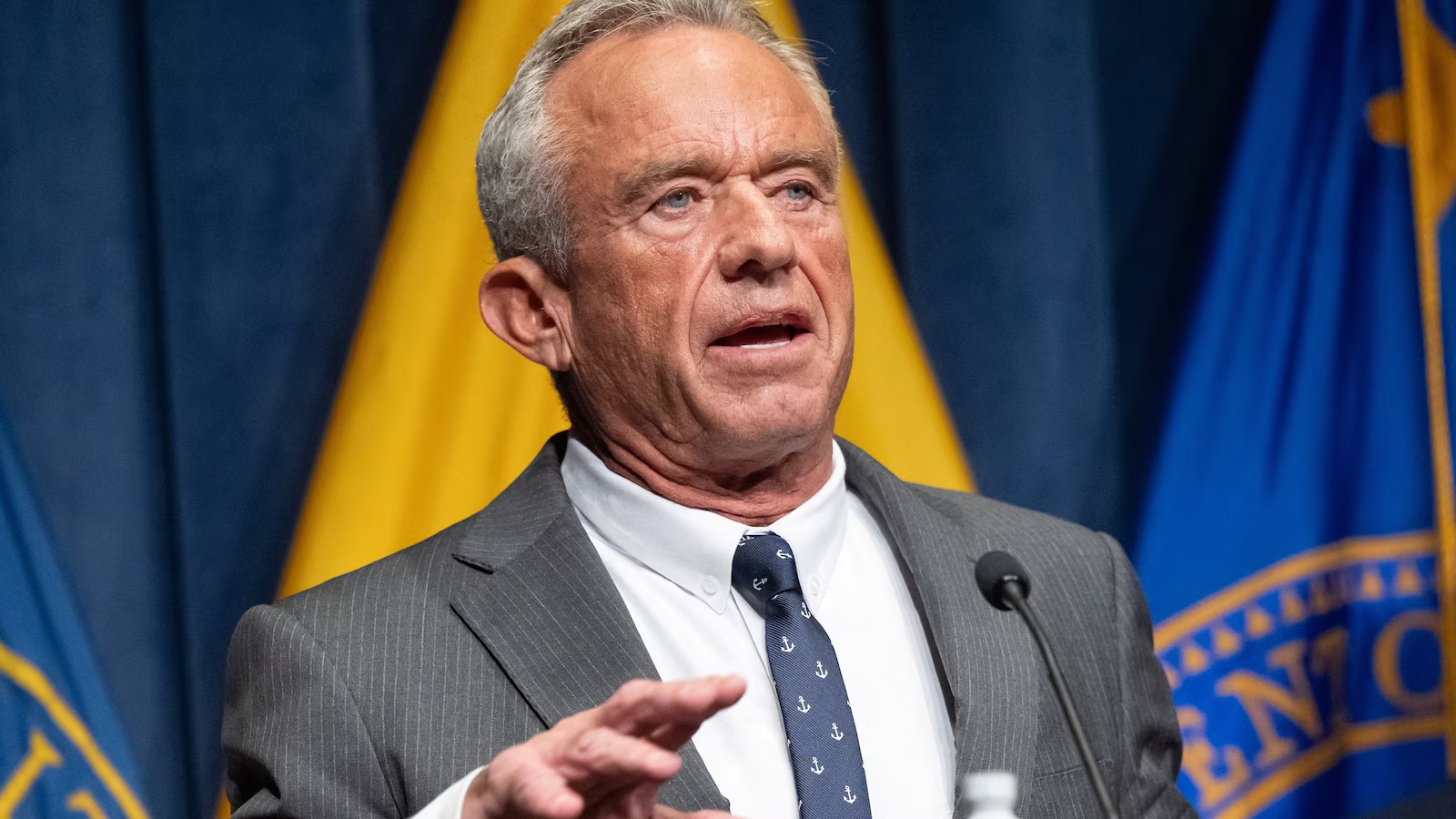
A draft government report suggests it will not recommend strict restrictions on pesticides or ultra-processed foods, signaling a potential victory for the agriculture industry and a setback for HHS Secretary Robert F. Kennedy Jr.'s efforts to reduce chemical additives in food, though the final language may still change before publication.
Veteran climate scientists are launching a coordinated effort to counter a Trump administration report that downplays climate change, criticizing its lack of peer review and misrepresentation of scientific research, while the National Academy of Sciences plans a comprehensive review of climate science findings since 2009.
The article criticizes the MAHA children's health report for mis-citing research, including nonexistent or misrepresented sources, highlighting the importance of accurate citations and rigorous review in scientific and government reports to maintain credibility and trust.
The Trump administration's MAHA report on children's health contains numerous errors, including references to studies that do not exist or are misrepresented, raising concerns about the report's credibility and the review process behind it.
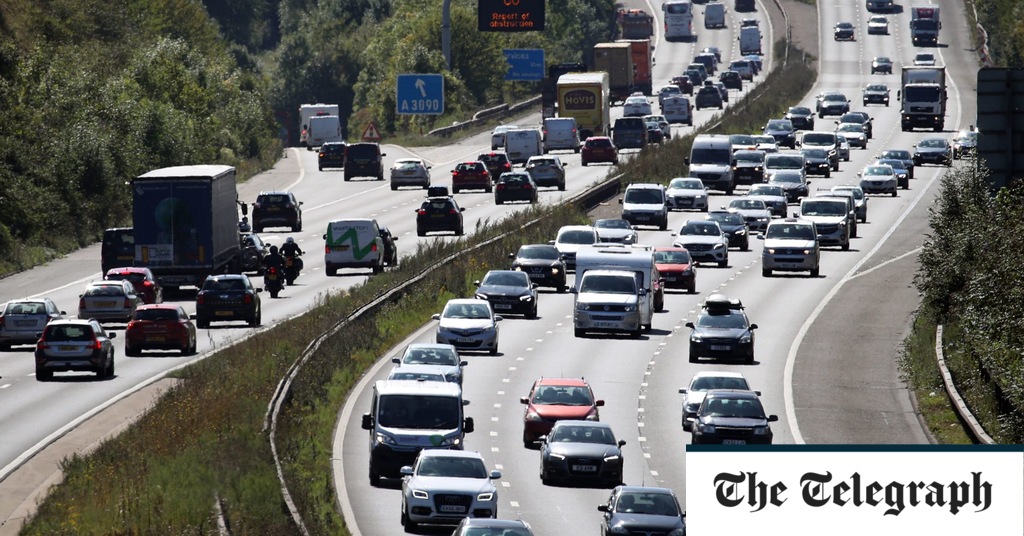
A government report warns that the rise of electric cars in the UK will lead to an increase in traffic congestion due to the reduced running costs of EVs, prompting drivers to cover more miles. The report estimates that congestion costs will reach £78 billion over the next 50 years, higher than previous predictions. Despite concerns, building more roads is not seen as a solution, as they would quickly fill up. Cutbacks in public transport projects could also contribute to increased congestion. The government's ZEV mandate, requiring a certain percentage of cars sold to be electric, aims for 80% electric vehicle sales by 2030. However, some car manufacturers have expressed concerns about meeting the targets and fear a dampened consumer interest in electric cars due to the delay in the petrol car ban.
A government report in India has revealed that nearly 135 million people, approximately 10% of the country's population, escaped poverty between 2016 and 2021. The study, which utilized the United Nations' Multidimensional Poverty Index, found that rural areas experienced the most significant decline in poverty. Factors such as improved nutrition, education, sanitation, and access to cooking fuel were cited as key contributors to this progress. The percentage of the population living in poverty decreased from 25% in 2015/16 to 15% in 2019-21. Additionally, a recent report by the United Nations Development Programme indicated that the number of people living in multidimensional poverty in India fell from 55% in 2005 to 16.4% in 2021.