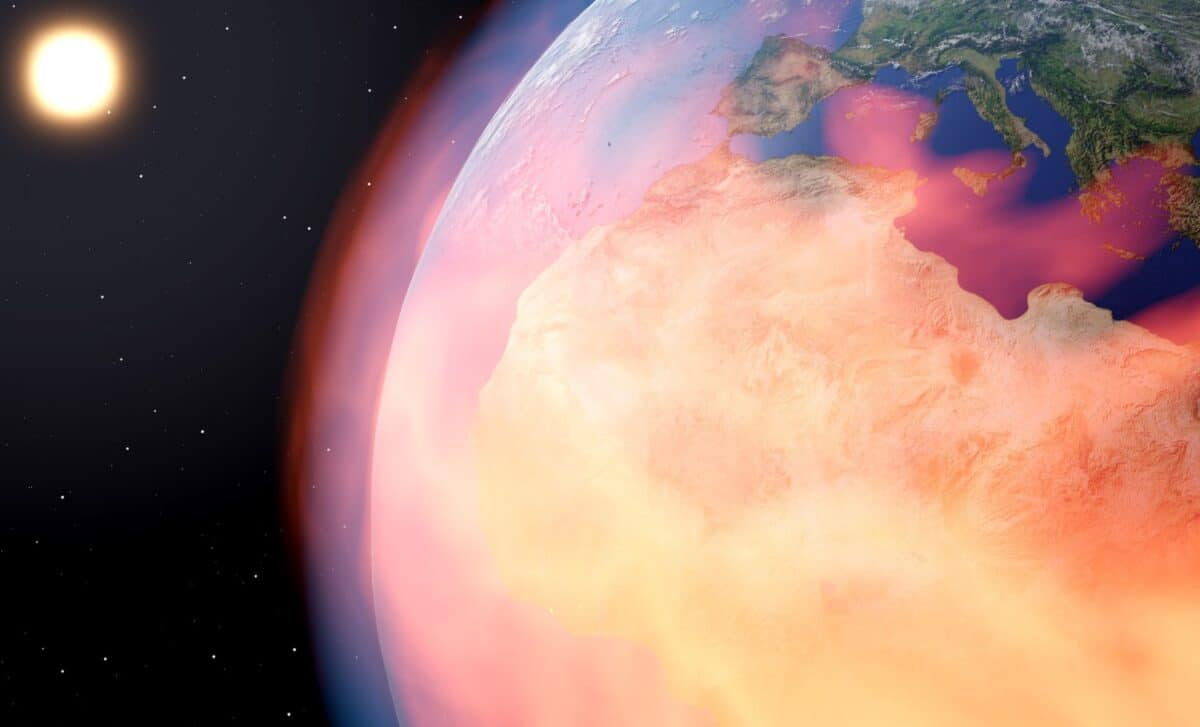
In 2025, Earth's oceans reached a record-high heat content, absorbing 23 Zetta Joules of energy, which accelerates climate change impacts such as stronger storms, rising sea levels, and more extreme weather events, with uneven warming across regions fueling unpredictable weather patterns.
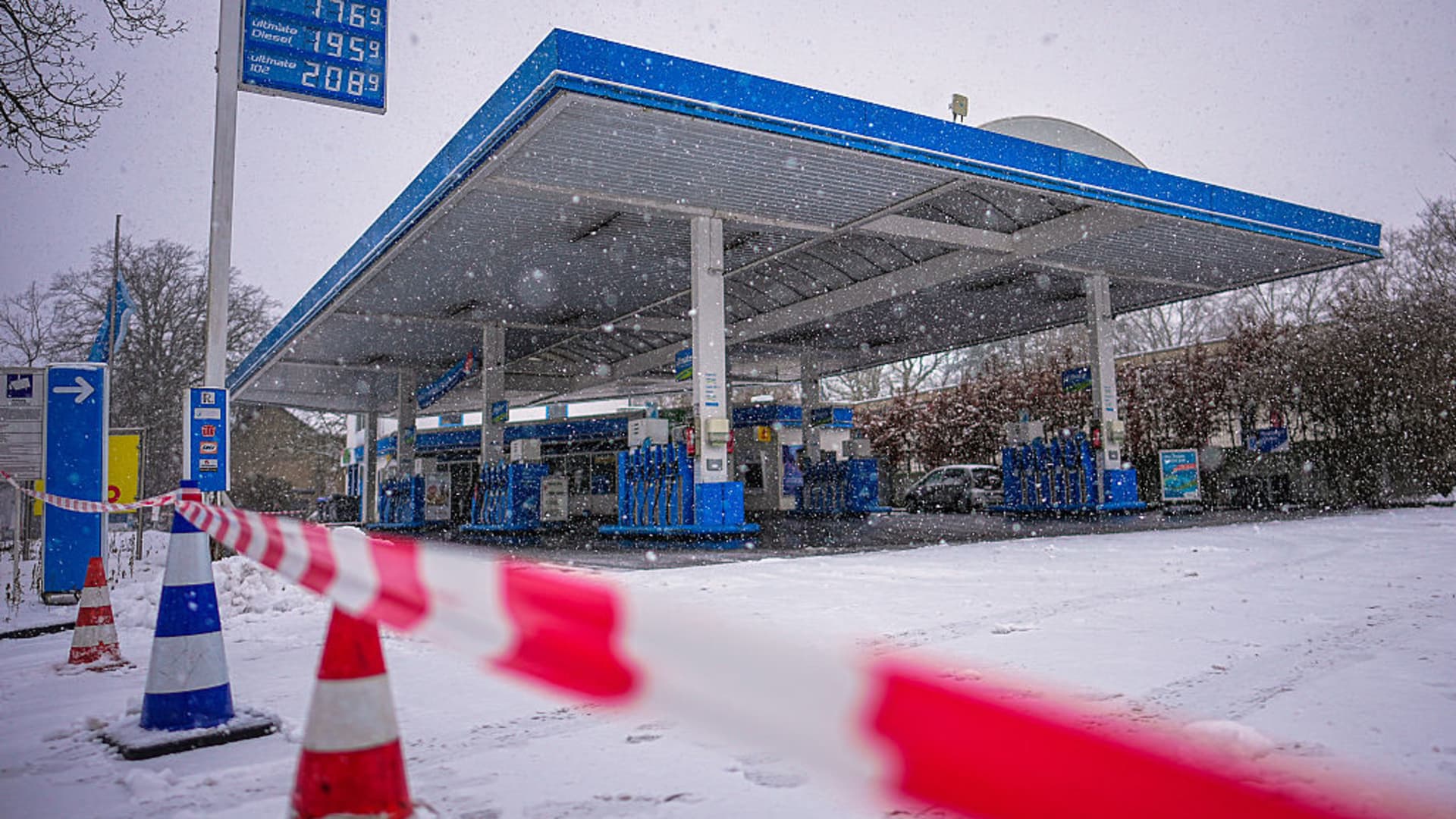
A suspected arson attack by left-wing extremists, Vulkangruppe, caused a major power outage in Berlin, affecting around 45,000 households and 2,200 businesses, with power restoration expected by Thursday amid cold weather. The attack targeted infrastructure linked to the fossil fuel industry and was part of a series of similar incidents in Berlin over recent months.
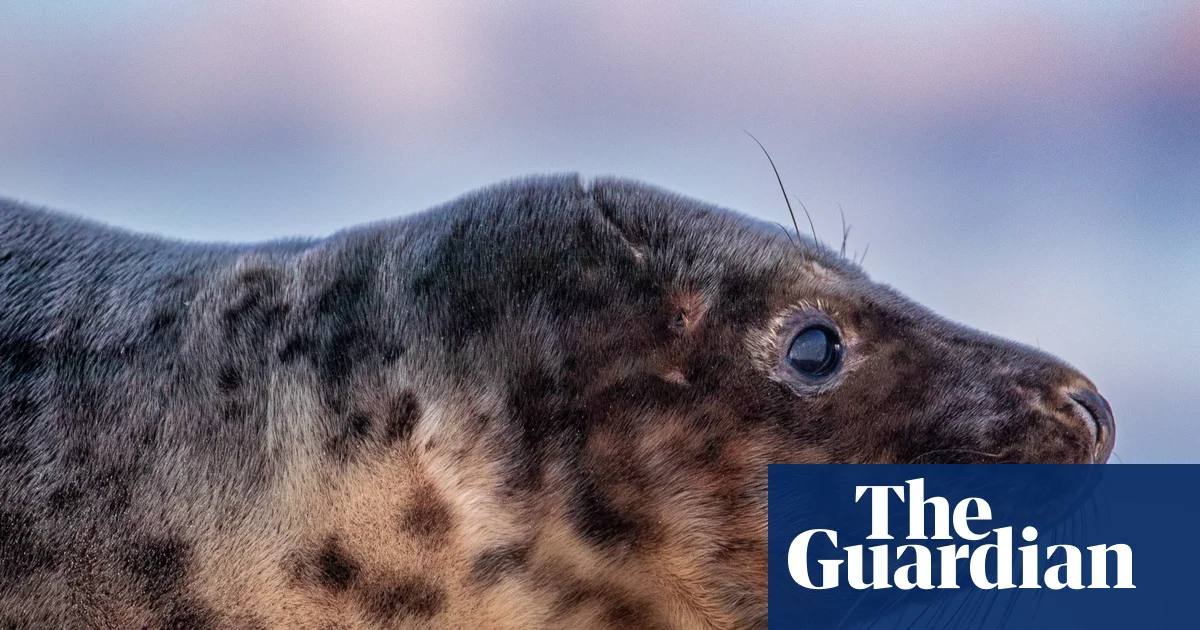
Photographer Jeroen Hoekendijk has documented the seals and walruses of the Frisian Islands over ten years, highlighting their beauty and the environmental threats they face due to climate change, as these islands are remnants of ancient Doggerland and serve as indicators of rising sea levels.
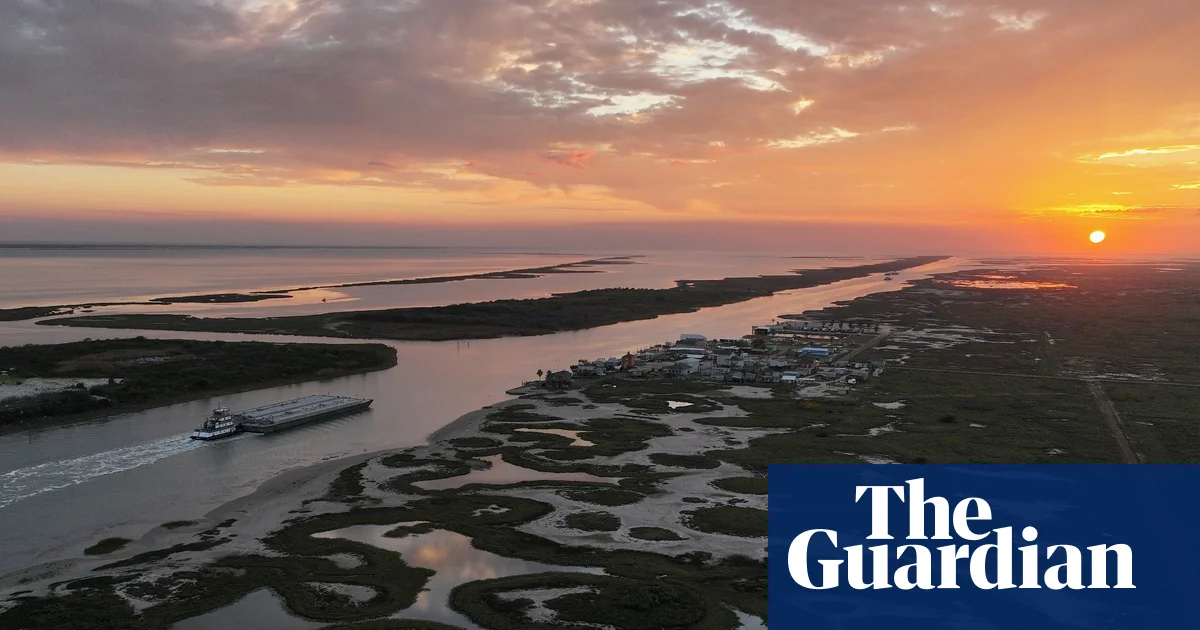
The article highlights how the climate crisis has increasingly impacted Americans' lives through record heat, wildfires, water shortages, shrinking growing seasons, and loss of biodiversity, with individuals sharing personal experiences of these changes and efforts to adapt.
The article provides a visual and narrative overview of the 21st century, highlighting key events such as 9/11, the Iraq war, climate change, the COVID-19 pandemic, and political shifts, alongside significant cultural moments and technological innovations, illustrating a century marked by turbulence, resilience, and hope.
Most Americans link the worsening climate crisis to rising living costs, opposing Trump’s policies to cut climate research and halt renewable energy projects, with a majority viewing climate change as a key factor affecting their bills and quality of life.
The critically endangered red-bellied toad in Brazil, known for halting a dam construction in 2014, is now facing the impacts of severe floods in 2024, highlighting the challenges of climate change and habitat threats, but recent fieldwork shows signs of resilience and ongoing conservation efforts.
The climate crisis is intensifying crop pests, threatening global food security by increasing damage to key crops like wheat, rice, and maize, with potential losses rising significantly as temperatures rise. Experts emphasize the need for diversified and resilient agricultural systems, restoring natural habitats, and leveraging technology like AI to mitigate these impacts.
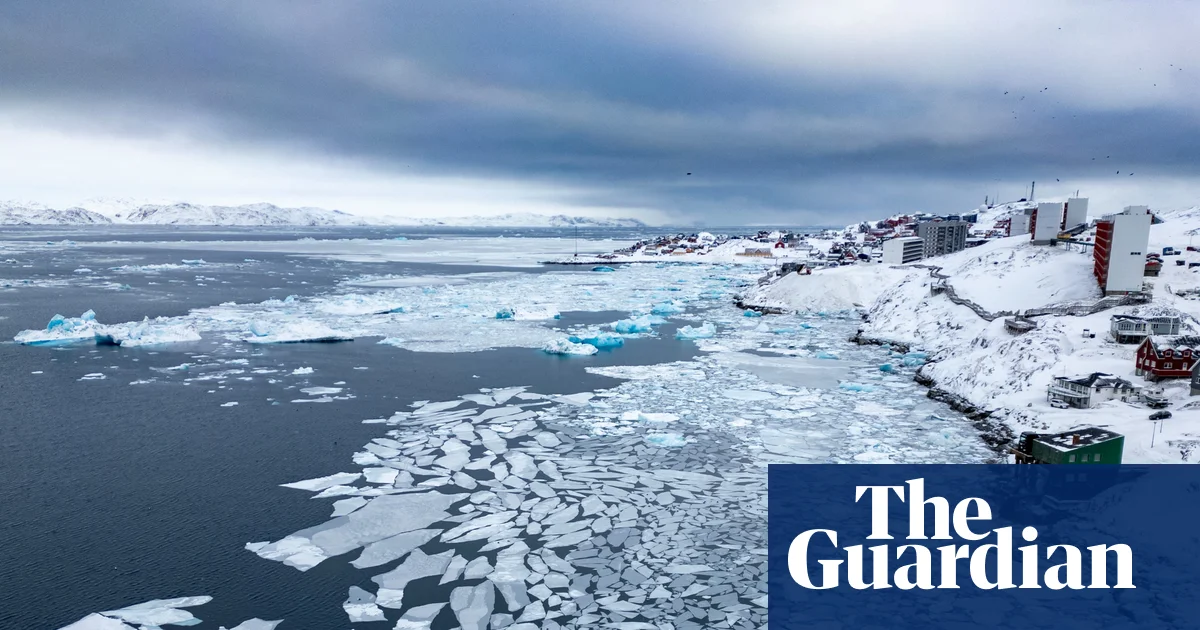
The Arctic experienced its hottest year on record from 2024 to 2025, with significant sea ice loss, increased precipitation, and warming temperatures, especially in winter, indicating a rapid and unprecedented climate shift that impacts global weather patterns, sea levels, and Arctic ecosystems.
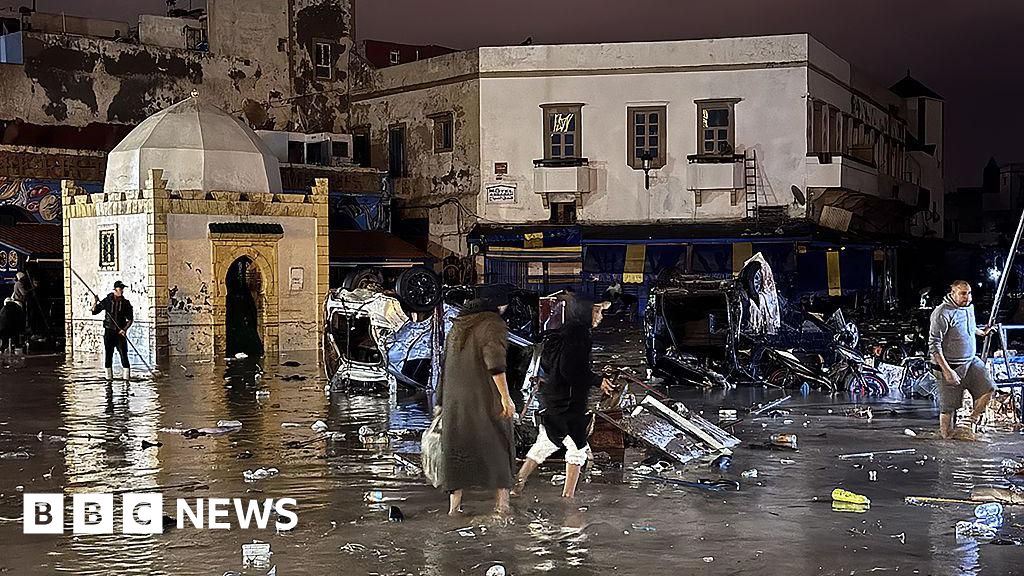
Heavy rains caused devastating floods in Safi, Morocco, killing at least 37 people, damaging homes, and blocking roads, with authorities conducting rescue operations amid concerns over climate change impacts.
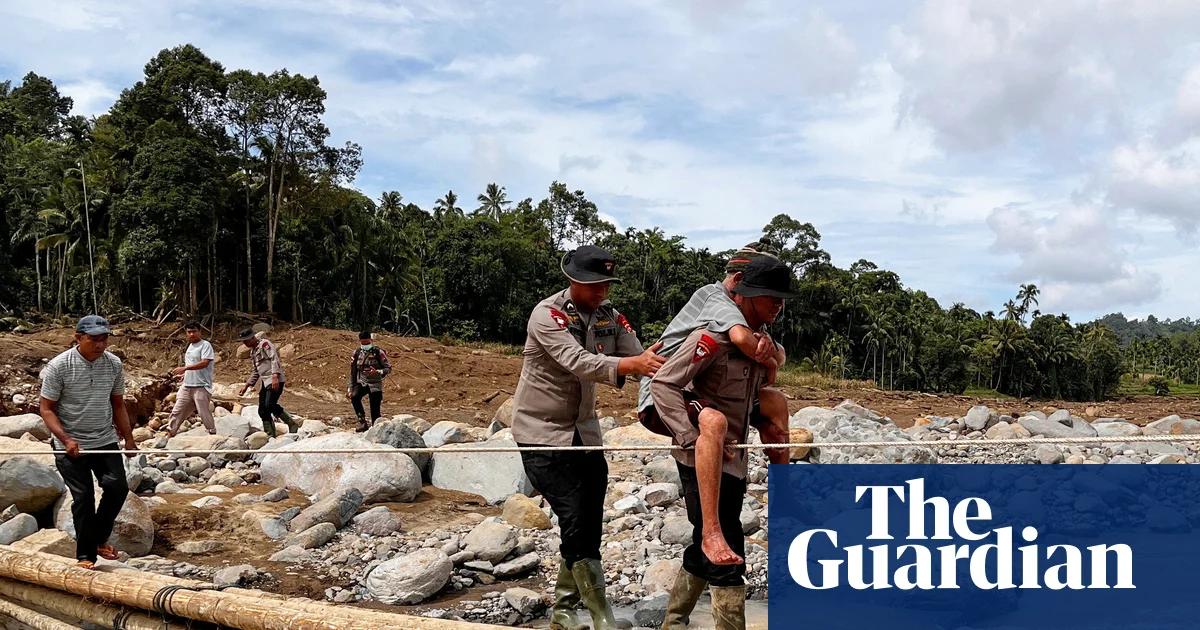
Over 900 people have died due to severe floods and landslides across Sri Lanka, Indonesia, and Thailand, driven by intensified monsoon rains and a tropical storm, highlighting the devastating impact of climate change on weather patterns in Southeast Asia.
At COP30, Al Gore expressed frustration over ongoing global heating and showcased new tools like Climate Trace to map emissions, emphasizing the urgent need for climate action and a fair transition mechanism supported by the Global South, while facing opposition from some developed nations.
The UN climate chief warned that failure to transition to a low-carbon economy will lead to global disasters like famine and conflict, emphasizing the urgent need for international cooperation at the Cop30 talks to reduce emissions, limit temperature rise, and support vulnerable nations, amid disagreements over climate targets and commitments.
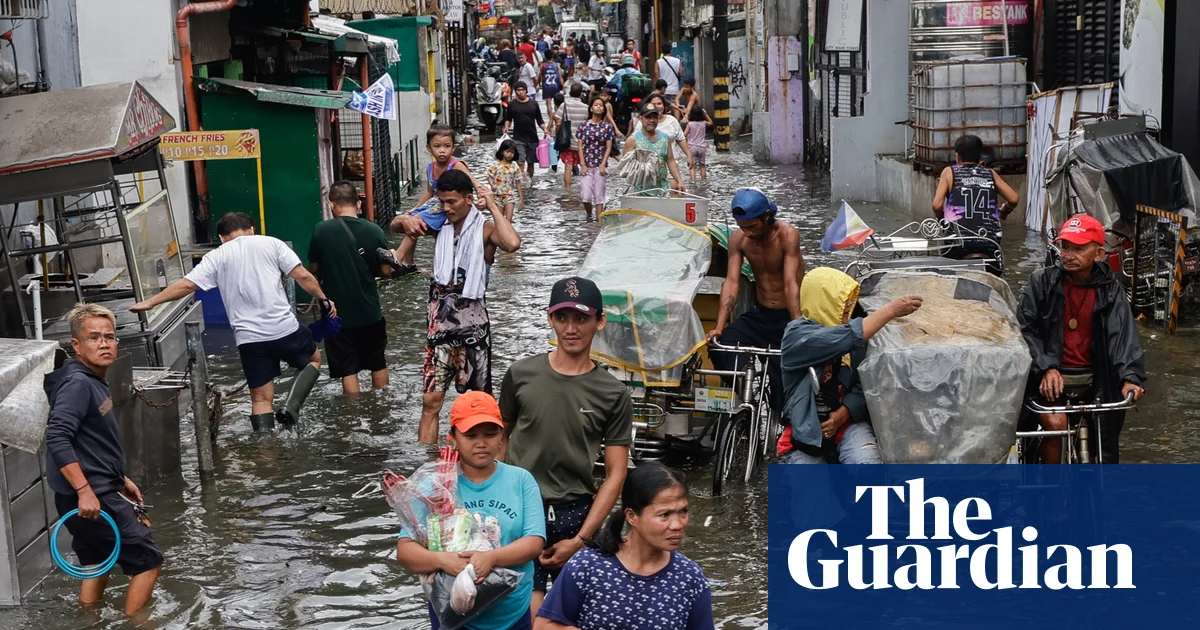
Super typhoon Fung-wong struck the Philippines, causing at least two deaths, displacing over 1.4 million people, and inflicting widespread damage through flooding, landslides, and strong winds, amid increasing storm intensity linked to climate change. The storm has been downgraded but continues to pose risks as it moves north toward Taiwan, with ongoing rescue and assessment efforts underway.
A study reveals that a severe drought and heat wave in 2023 caused Lake Tefe in the Amazon to reach temperatures over 41°C, leading to the death of hundreds of dolphins and highlighting the broader impacts of climate change on tropical aquatic ecosystems.