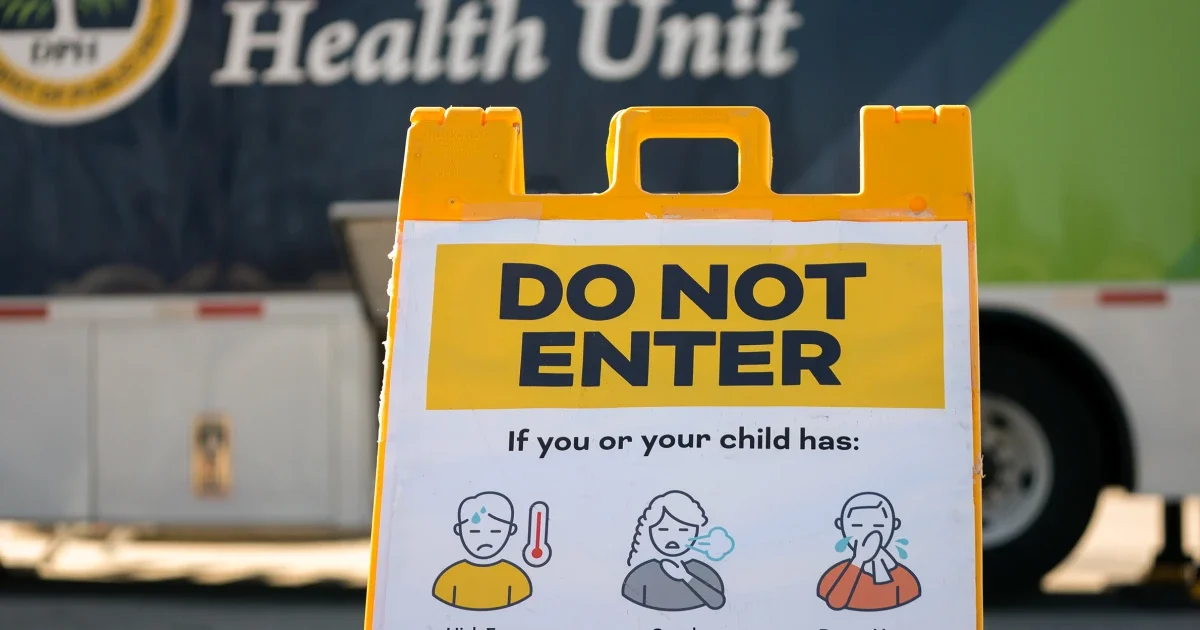
Northern Virginia is experiencing a severe flu season driven by a mutated strain of influenza A, leading to high ER visits and hospitalizations nationwide. Health officials recommend preventive measures like vaccination, masks, hand hygiene, and early treatment to mitigate the impact.
Flu activity in the US is at a 10-year high with over 15 million cases, especially affecting children, and ongoing risks of severe illness and death, prompting health officials to urge vaccination and vigilance.
The CDC reports that flu activity in the US remains high with a record-breaking season, ongoing hospitalizations and deaths, especially among children and seniors, and a potential peak has not yet been reached. Despite vaccination efforts, coverage remains below 40% of the population, and the dominant flu strain is a new variant of H3N2.
The CDC has revised the childhood vaccine schedule, reducing the number of recommended vaccines from 17 to 11 without new supporting science, amid political pressure to align with peer countries like Denmark, which has a more limited schedule and universal healthcare. Experts warn that this change could lead to increased illness in children, especially in the U.S. where healthcare and parental leave are less comprehensive, potentially resulting in more disease outbreaks and health disparities. Several states are rejecting the new guidelines, and there is concern that reduced vaccination could cause a rise in preventable illnesses like rotavirus, which has been largely eradicated in the U.S.
The CDC has revised the childhood vaccine schedule, reducing the number of universally recommended vaccines from 18 to 11 and categorizing vaccines into three groups: universally recommended, high risk, and shared decision. The changes, made without independent review, have faced criticism from medical groups who warn they could jeopardize children's health and wellness visits. Parents are advised to consult their pediatricians for guidance and continue to prioritize routine health visits.
Flu activity in the US is expected to continue rising for several weeks, with a new dominant strain, subclade K of H3N2, emerging. Despite some mismatch with the current vaccine, it still offers protection, and health officials recommend vaccination for everyone 6 months and older. Antivirals are available for high-risk individuals, and it's not too late to get vaccinated.
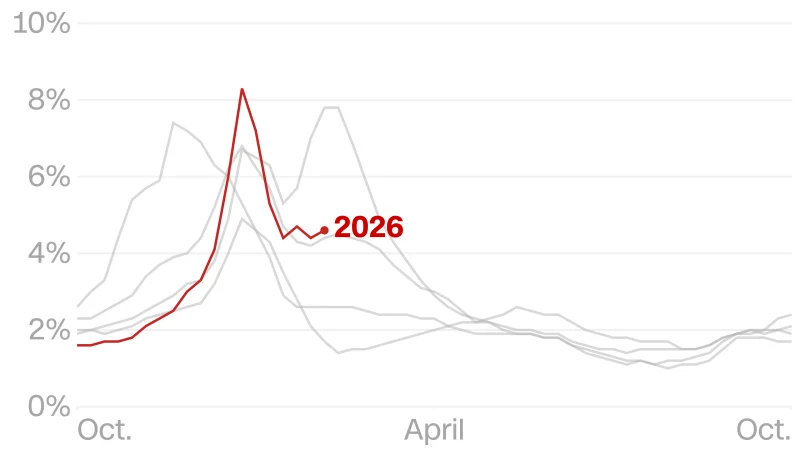
Flu cases are surging in the U.S., with doctor visits reaching their highest levels since 1997, driven by the spread of the H3N2 strain and a decline in vaccination rates, resulting in over 5,000 deaths and widespread high flu activity across many states.
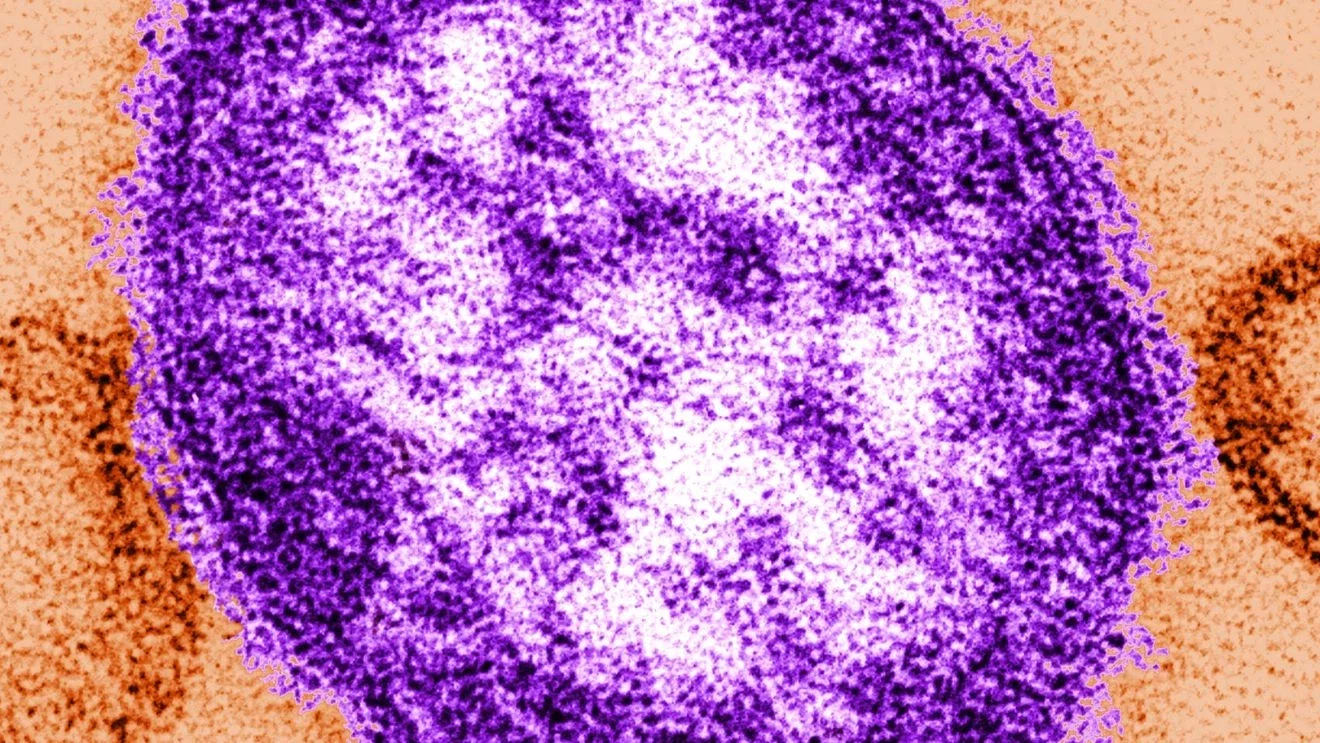
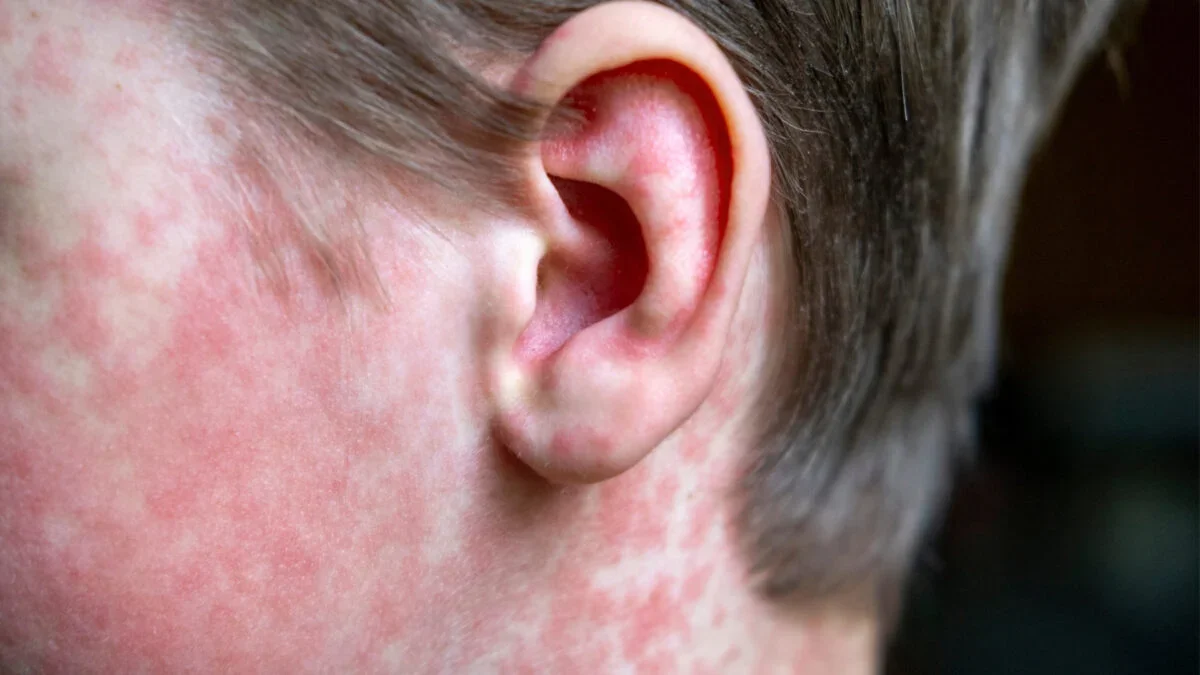
Measles cases are rising across the US, with nearly 2,100 cases in 2025, the highest in 25 years. The highly contagious virus spreads through respiratory droplets and surfaces, but vaccination with the MMR vaccine is highly effective in prevention. Experts advise vaccination after exposure and prompt medical consultation if symptoms develop, emphasizing the importance of herd immunity and vaccination to control outbreaks.
The Trump administration has significantly reduced the recommended childhood vaccination schedule to 11 shots, citing alignment with peer nations and declining vaccination rates, which raises concerns about potential increases in preventable diseases and confusion among parents and clinicians.
The CDC no longer broadly recommends certain childhood vaccines, including for influenza, rotavirus, and hepatitis A, under new guidance from the Trump administration and Health Secretary Robert F. Kennedy Jr., aiming to align with other countries but facing criticism from health experts for potentially reducing protection against common diseases.
The CDC reports very high influenza activity in the Tri-Cities region, with Tennessee at the highest nationwide level and Virginia also experiencing very high flu activity, leading to increased doctor visits for flu-like symptoms.
Flu cases are surging across 45 states, with record-high doctor visits and over 11 million illnesses this season, leading to increased hospitalizations and deaths, especially among children. The CDC reports the highest flu activity since 1997, but recent policy changes have removed the flu shot from the official childhood vaccination schedule, despite ongoing severe impacts.
The US has announced a major overhaul of its childhood vaccine schedule, reducing recommended vaccines from 17 to 11, modeled after Denmark, sparking criticism from health experts who warn it could lead to increased disease and hospitalizations. The new policy emphasizes fewer vaccines, with some recommended only for high-risk groups or through shared clinical decision-making, and has faced opposition from medical professionals and potential legal challenges.
The US has reduced its recommended childhood vaccines from 16 to 11, focusing only on the most essential vaccines, a move criticized by medical experts for potentially increasing preventable diseases and causing public confusion, while being driven by political motives and lacking transparent review.
Federal health officials, under President Trump's directive, have significantly reduced the recommended childhood vaccination schedule from 17 to 11 vaccines, aligning more closely with international standards, amidst controversy and concerns from medical experts about potential public health risks and increased confusion.