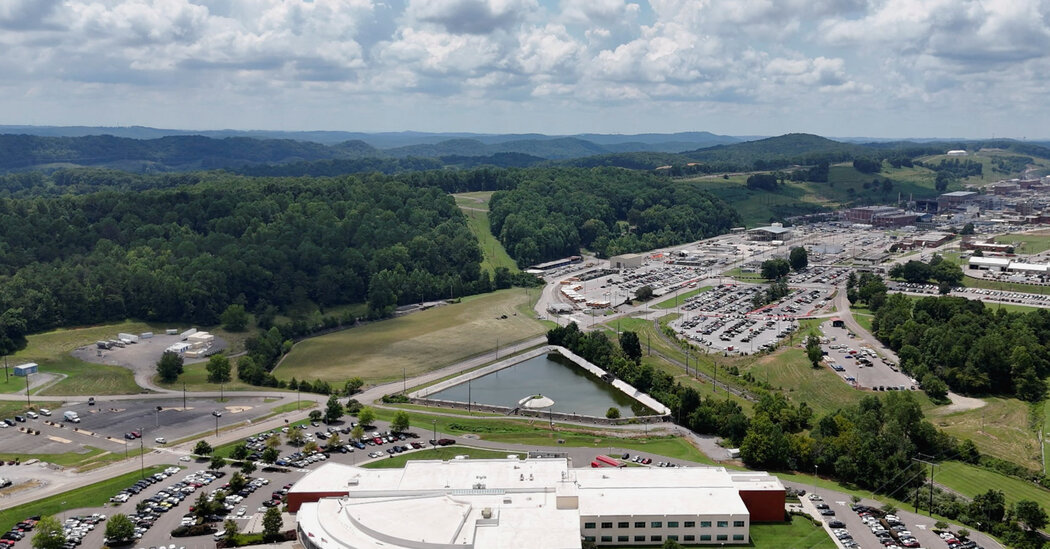
The U.S. National Nuclear Security Administration plans to furlough 1,400 workers due to the ongoing government shutdown, with only about 400 remaining to ensure property and human safety, as the shutdown impacts the agency responsible for managing the nuclear arsenal.

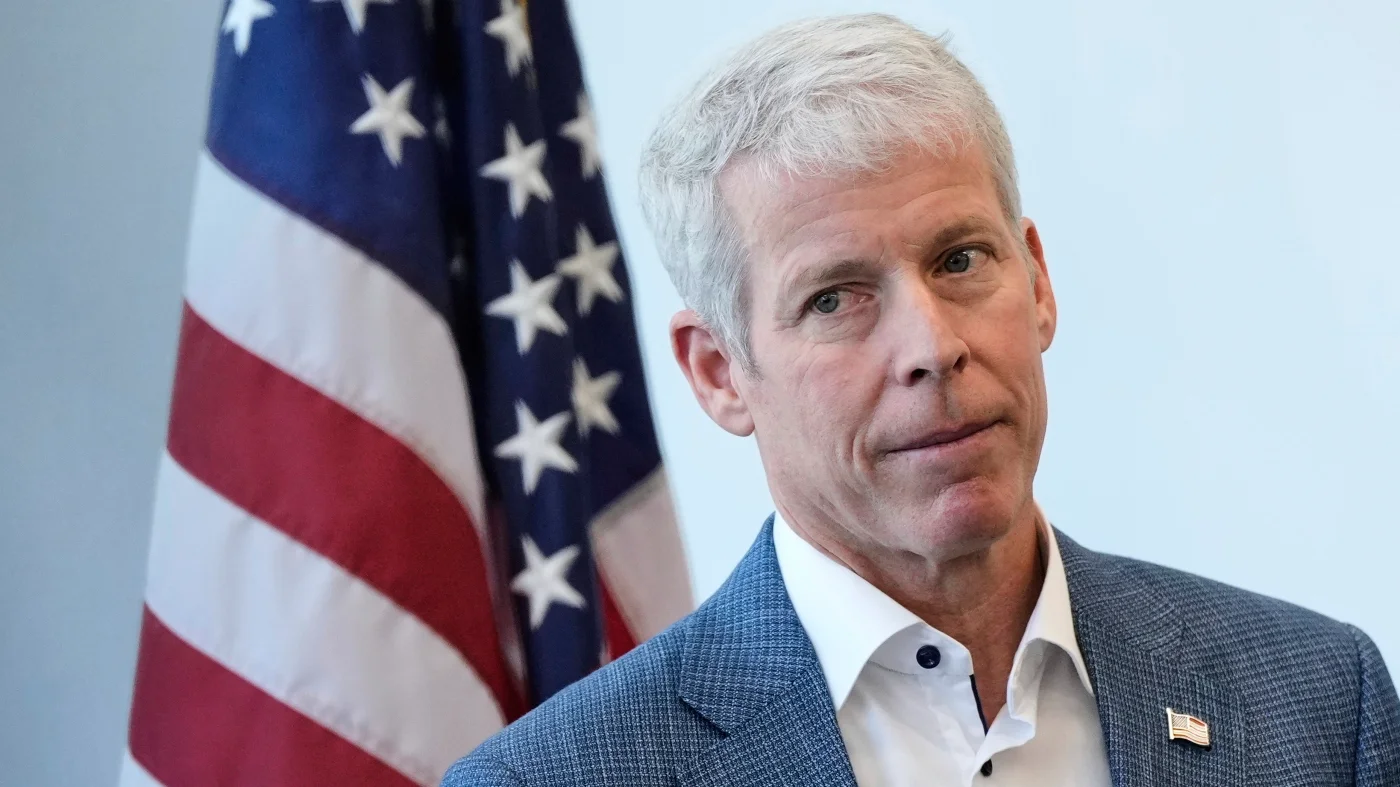
The White House and Energy Secretary Wright are at odds over $30 billion in proposed cuts to the Department of Energy, with internal conflicts over project eliminations and leadership positions, amid political pressures from Republican lawmakers and disagreements over energy policies.
The U.S. Department of Energy is canceling $500 million in grants for Colorado amid a federal government shutdown, which also threatens to increase healthcare premiums for many residents due to the expiration of tax credits, highlighting political conflicts and their impact on state programs and services.
The Energy Department canceled over $7 billion in funding for various energy projects, citing lack of economic viability and relevance to national needs, amid political tensions and accusations of partisan retaliation by Democrats against the Trump administration's actions during a government shutdown.
A group of climate scientists released a detailed rebuttal criticizing the Energy Department's recent climate report, alleging it contains numerous errors and lacks scientific integrity, which could impact the EPA's efforts to repeal the 'endangerment finding' and lead to legal challenges.
Over 85 leading climate scientists criticized the Trump Energy Department's recent climate assessment for lacking scientific integrity, alleging it misrepresents current climate science, relies on debunked research, and is biased towards a particular policy stance, prompting over 2,000 public comments.
Over 85 climate scientists have criticized a U.S. Energy Department report for containing numerous errors and misrepresentations of scientific literature, arguing it downplays the severity of climate change and supports industry interests, leading to ongoing debates and public comments.
The U.S. Energy Department canceled a $4.9 billion loan guarantee for the controversial Grain Belt Express transmission project, citing unlikely conditions for support and concerns over taxpayer resources, which may jeopardize the $11 billion infrastructure aimed at transmitting wind energy across the Midwest amid opposition from landowners and Republican lawmakers.
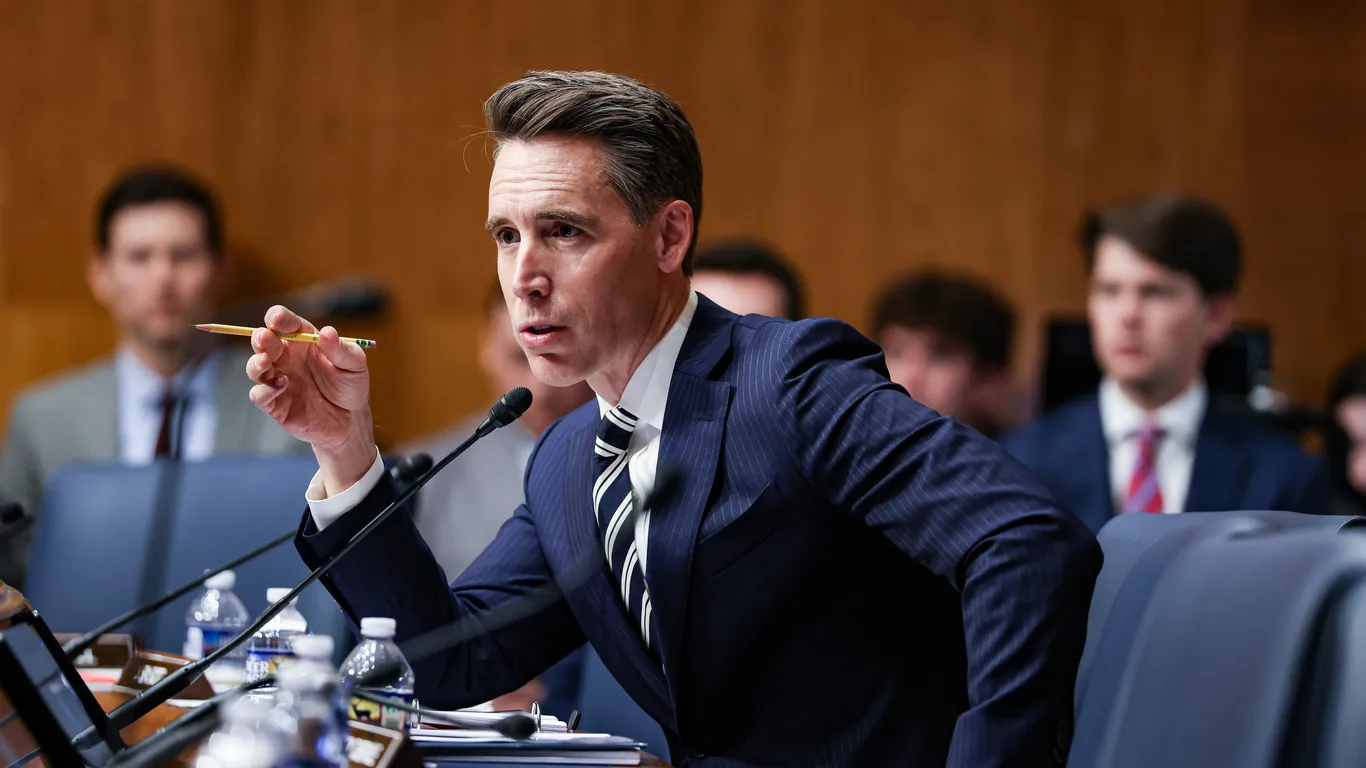
The Energy Department has canceled a $4.9 billion loan guarantee for the Grain Belt Express, a major Midwest power line project criticized by conservatives and seen as aligned with green energy initiatives, citing financial concerns and political opposition, notably from Senator Josh Hawley and Missouri officials.
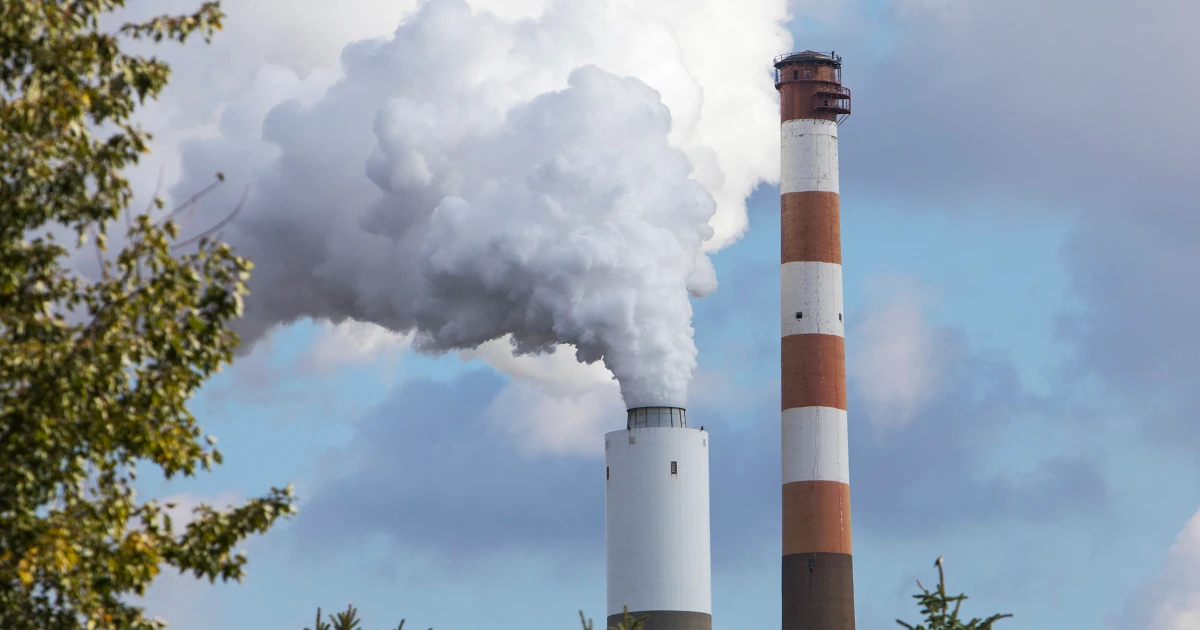
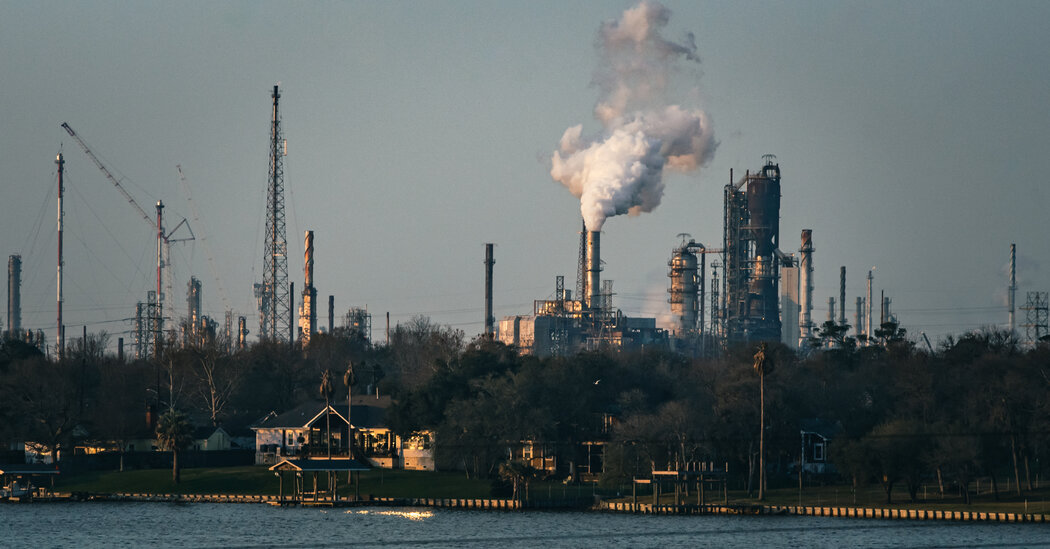
The U.S. Energy Department has canceled $3.7 billion in awards intended for companies developing technologies to reduce emissions and combat climate change, including projects by Exxon Mobil and Calpine aimed at hydrogen fuel and carbon capture from power plants.
The U.S. Energy Department is developing a new supercomputer named Doudna at Lawrence Berkeley National Laboratory, set to arrive in 2026, which will integrate commercial AI technologies, notably Nvidia chips, to significantly boost computational speed and versatility for scientific research and AI model training.
Rivian, an electric vehicle manufacturer, has secured a $6.6 billion loan from the U.S. Energy Department to complete its stalled factory project in Georgia. The plant, located near Social Circle, was intended for producing midsize and crossover SUVs but faced delays due to financial issues. Rivian, which began selling vehicles in 2021, currently produces pickup trucks and three-row SUVs.
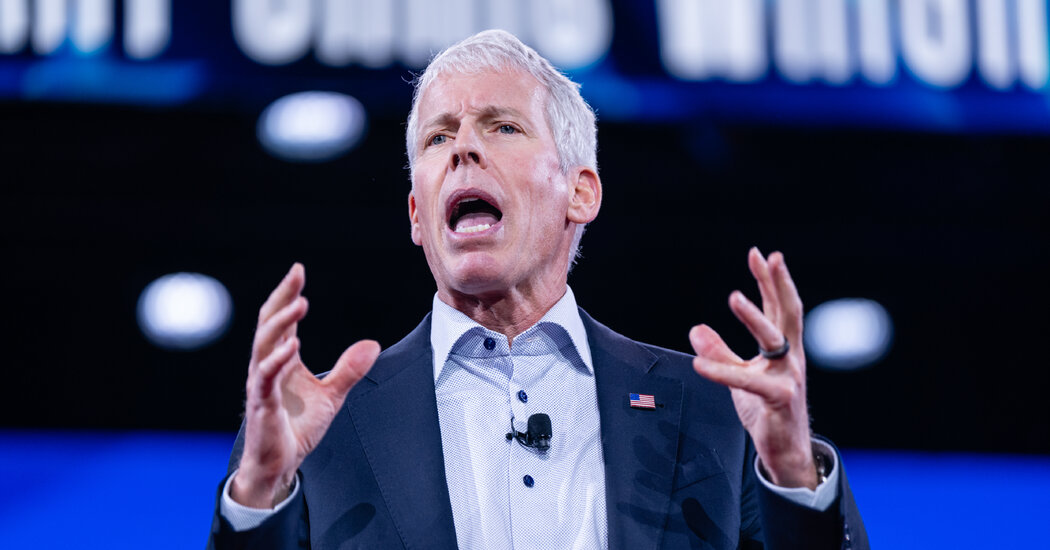
Donald Trump has nominated Chris Wright, CEO of Liberty Energy and a fracking pioneer, to lead the US Energy Department. Wright, a climate change skeptic, is expected to advance Trump's agenda of increasing fossil fuel production, encapsulated by the slogan "drill, baby, drill." His appointment is seen as a victory for the fossil fuel industry, with plans to enhance US energy dominance and reduce regulatory barriers. Wright's leadership is anticipated to focus on boosting oil and gas output rather than investing in renewable energy sources.
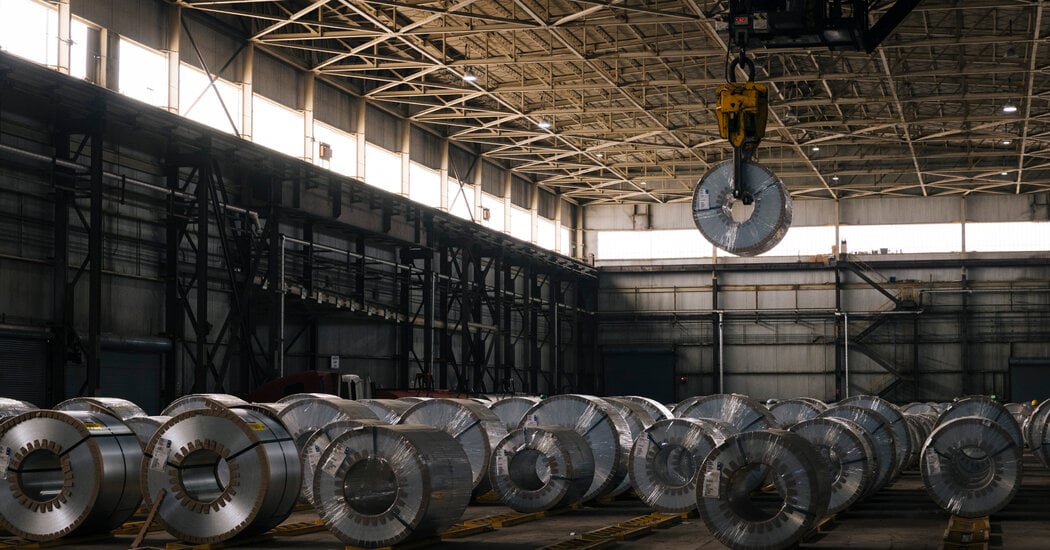
The Biden administration plans to allocate up to $6 billion towards 33 projects in 20 states aimed at reducing carbon emissions from heavy industries such as steel, cement, chemicals, and aluminum. These projects include initiatives to test methods for curbing emissions and implementing cleaner technologies, such as using hydrogen fuels in aluminum production and electric boilers in food manufacturing. The goal is to demonstrate novel technologies that can rapidly scale up and set a new standard for clean manufacturing in the United States and globally.
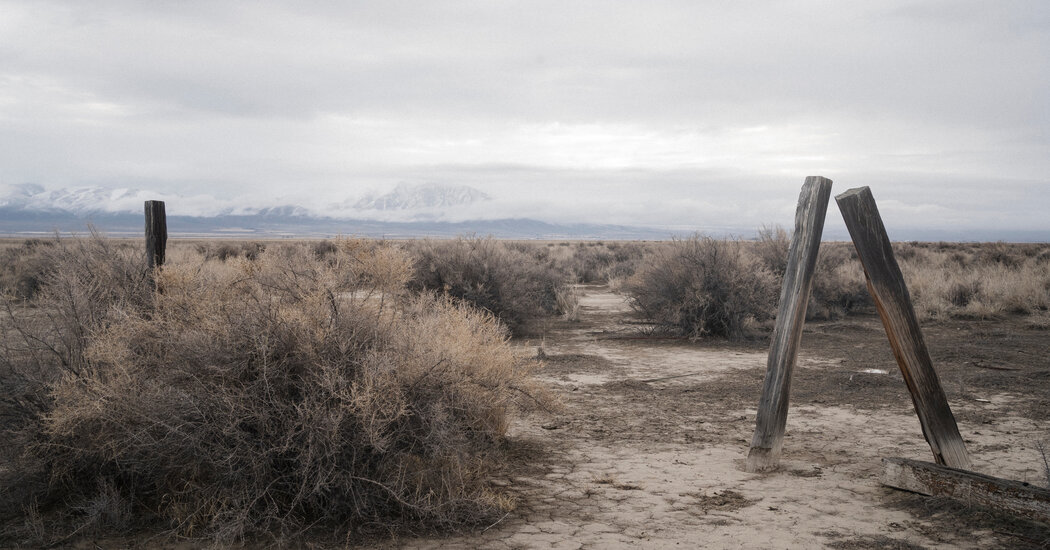
The Energy Department is offering a $2.3 billion loan to Lithium Americas to boost domestic lithium production for electric vehicle batteries. The loan would fund the construction of a lithium carbonate processing plant at Thacker Pass in Nevada, which contains the largest known lithium deposit in North America. This move aims to strengthen the domestic supply chain for critical minerals and support the Biden administration's goal of reaching net zero emissions by 2050 through the broader adoption of electric vehicles.