Tag

Meta Analysis

All articles tagged with #meta analysis

Low Choline Levels May Contribute to Anxiety Disorders

Originally Published 2 months ago — by Neuroscience News

Featured image for Low Choline Levels May Contribute to Anxiety Disorders
Source: Neuroscience News

A meta-analysis found that individuals with anxiety disorders have about 8% lower levels of choline in their brains, especially in the prefrontal cortex, suggesting a potential link between choline deficiency and anxiety, though more research is needed to determine if increasing choline intake can help reduce symptoms.

Cholesterol-Lowering Drugs May Cut Dementia Risk, Study Finds

Originally Published 2 months ago — by ScienceAlert

Featured image for Cholesterol-Lowering Drugs May Cut Dementia Risk, Study Finds
Source: ScienceAlert

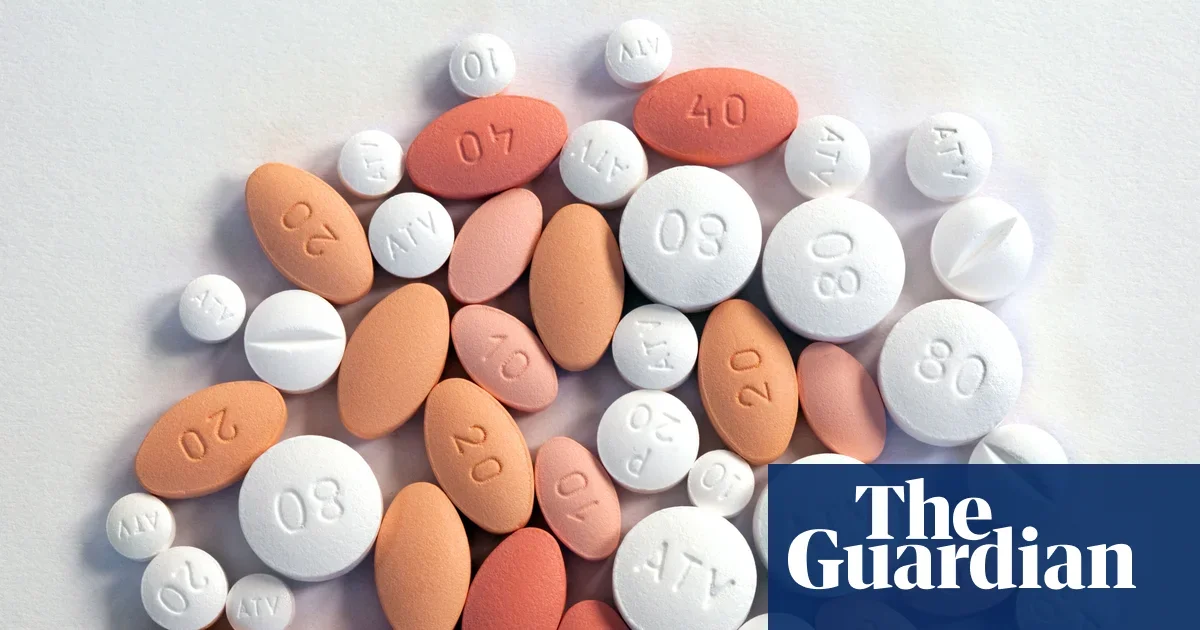
A large meta-analysis suggests that lowering cholesterol levels through medications like statins may also reduce the risk of developing dementia, with genetic evidence indicating a potential link between cholesterol management and cognitive health. The study advocates for clinical trials to further explore this connection.

Yogurt's Bone Benefits Do Not Prevent Fractures, Study Finds

Originally Published 2 months ago — by News-Medical

Featured image for Yogurt's Bone Benefits Do Not Prevent Fractures, Study Finds
Source: News-Medical

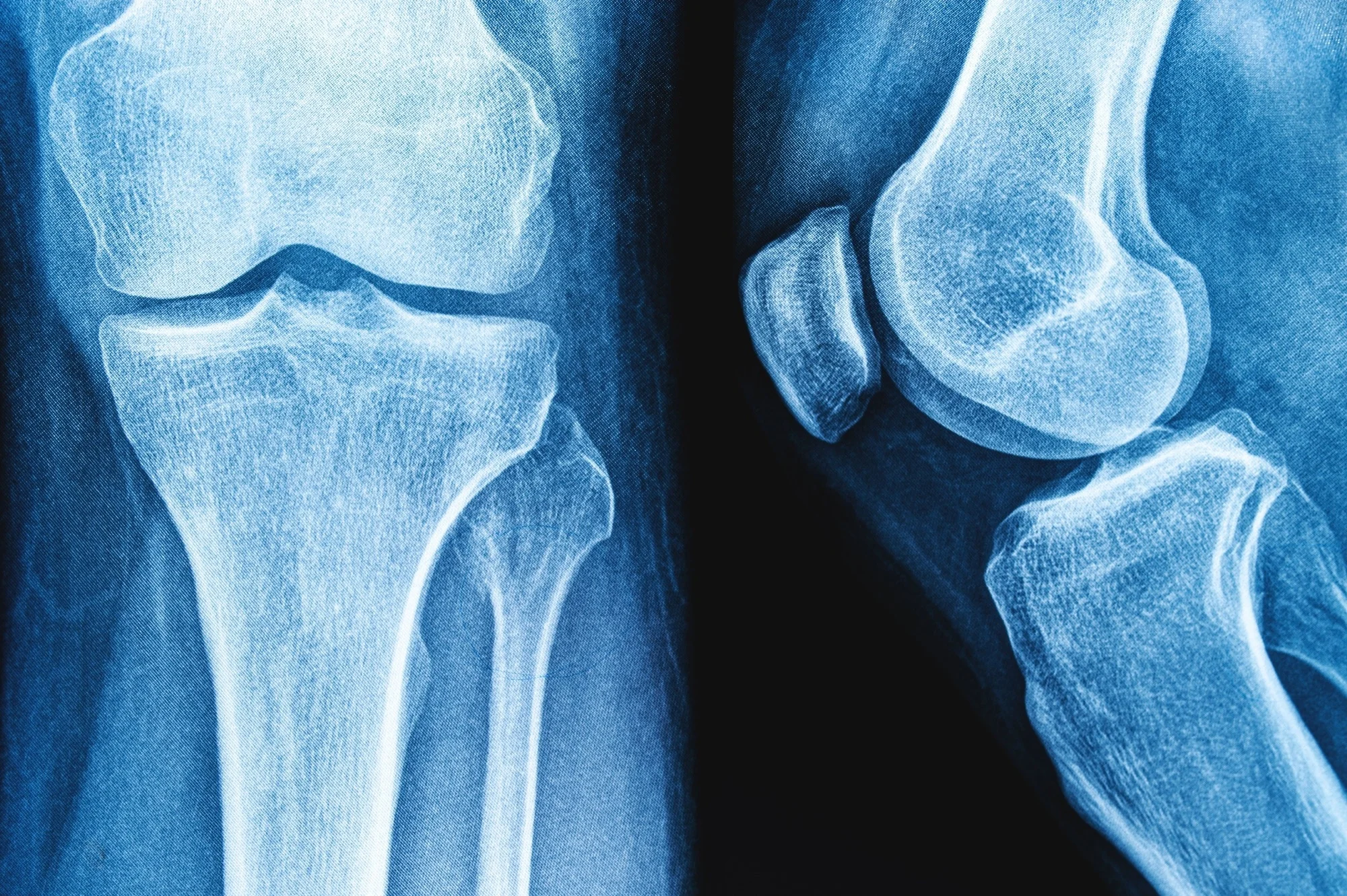
A systematic review and meta-analysis found that while yogurt consumption shows a positive trend towards improving bone health markers, current evidence is insufficient to confirm significant benefits in fracture prevention or bone density improvements in adults, highlighting the need for high-quality randomized controlled trials with well-characterized yogurt products.

Pokémon Legends: Z-A - Guides, Rewards, and Ranked Battles

Originally Published 2 months ago — by Pokémon GO Hub

Featured image for Pokémon Legends: Z-A - Guides, Rewards, and Ranked Battles
Source: Pokémon GO Hub

The article provides a speculative meta analysis of new Mega Evolutions in Pokémon GO from Legends Z-A, assessing their potential impact based on their stats and movesets, and highlighting some Megas like Mega Greninja, Mega Delphox, and Mega Zygarde as particularly promising, while others are less competitive.

Laughter: The Natural Medicine for Stress and Well-Being

Originally Published 5 months ago — by Medical Xpress

Featured image for Laughter: The Natural Medicine for Stress and Well-Being
Source: Medical Xpress

A systematic review of 33 clinical trials suggests that laughter therapy significantly reduces anxiety and enhances life satisfaction in adults, with large effect sizes observed, especially in laughter yoga and social interaction-based therapies, indicating potential as a therapeutic tool.

Processed and Ultra-Processed Foods Linked to Increased Lung Cancer Risk

Originally Published 5 months ago — by Slate

Featured image for Processed and Ultra-Processed Foods Linked to Increased Lung Cancer Risk
Source: Slate

A detailed review of a recent meta-analysis suggests that the evidence linking processed meat to health risks like diabetes, cancer, and heart disease is weak and inconsistent, partly due to the broad definition of processed meats and challenges in dietary research. While high consumption of processed meat is generally associated with poorer health, the study does not definitively prove causation, and individual processed meats vary significantly in their health impact. Moderation is advised, but occasional consumption of processed meats like salami may not be harmful.

Daily Hot Dog Consumption May Increase Disease Risk, Study Finds

Originally Published 6 months ago — by AOL.com

Featured image for Daily Hot Dog Consumption May Increase Disease Risk, Study Finds
Source: AOL.com

A meta-analysis from the University of Washington suggests that even small amounts of processed foods like meats, sugary drinks, and trans fats increase the risk of diseases such as type 2 diabetes, heart disease, and colorectal cancer, leading to recommendations to limit or avoid these foods, though some experts note the evidence quality is weak and more research is needed.