A new study suggests that collisions in space can produce and preserve carbon on dwarf planets like Ceres, which may hold clues to the origins of life. The research highlights the importance of future sample return missions to analyze organic materials on Ceres, especially in light of its potential subsurface ocean and the challenges posed by shock metamorphism during impacts. Funding and mission planning are critical for advancing this research.
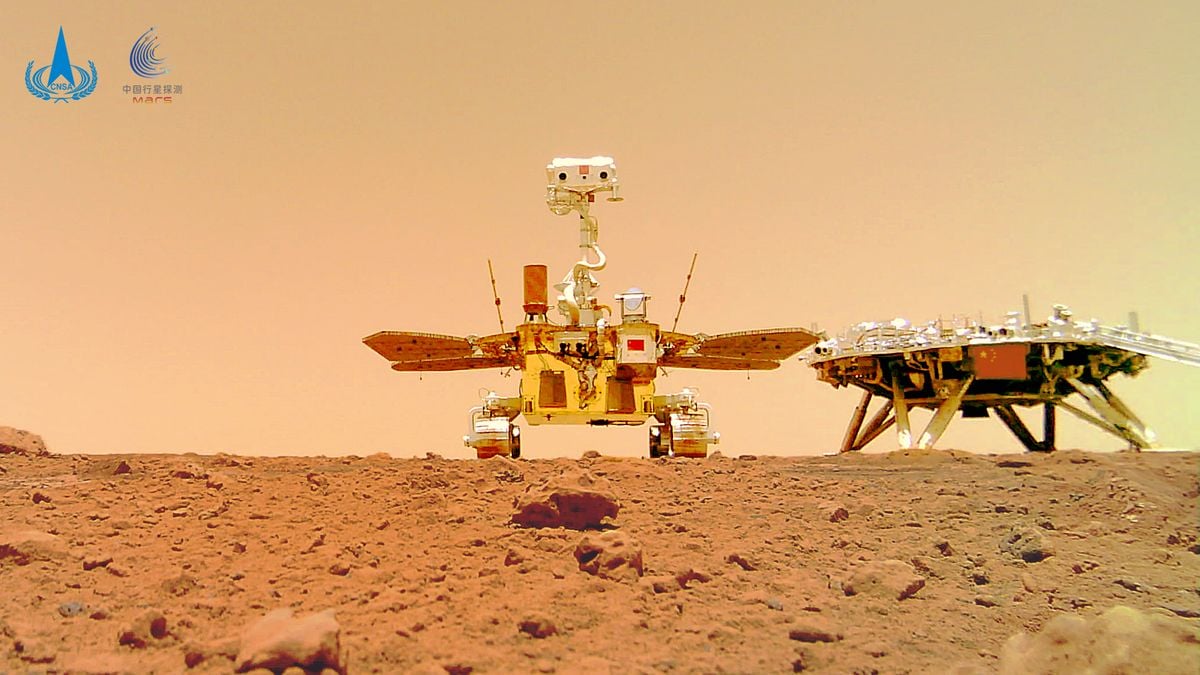
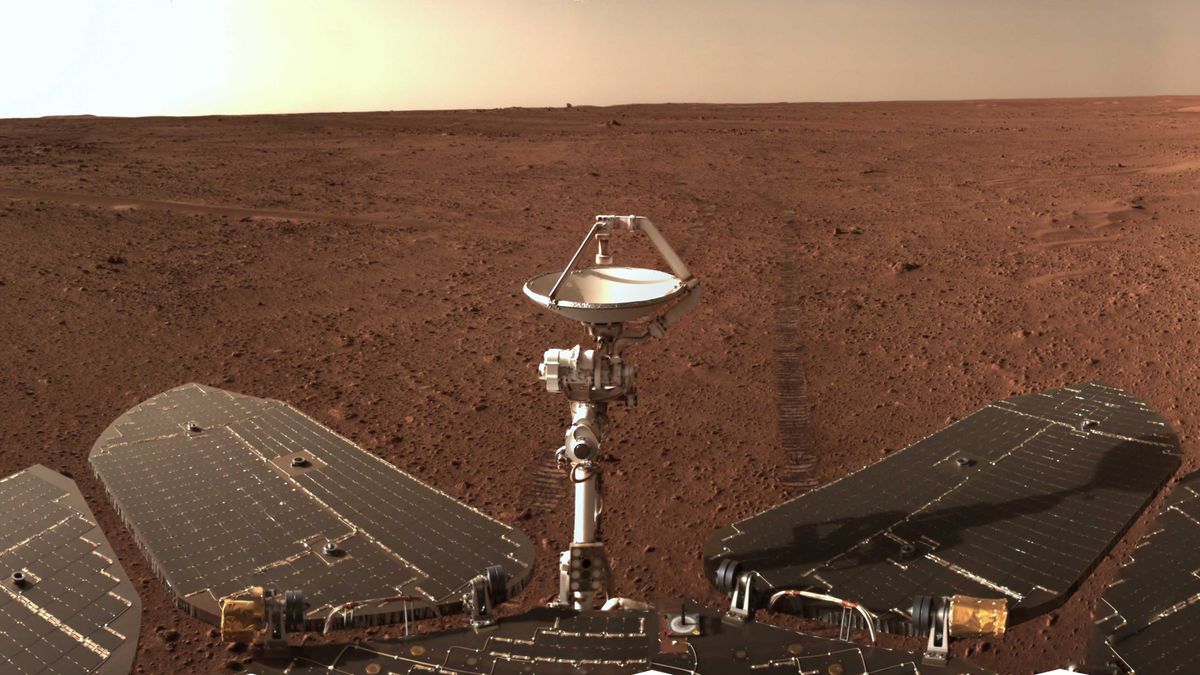
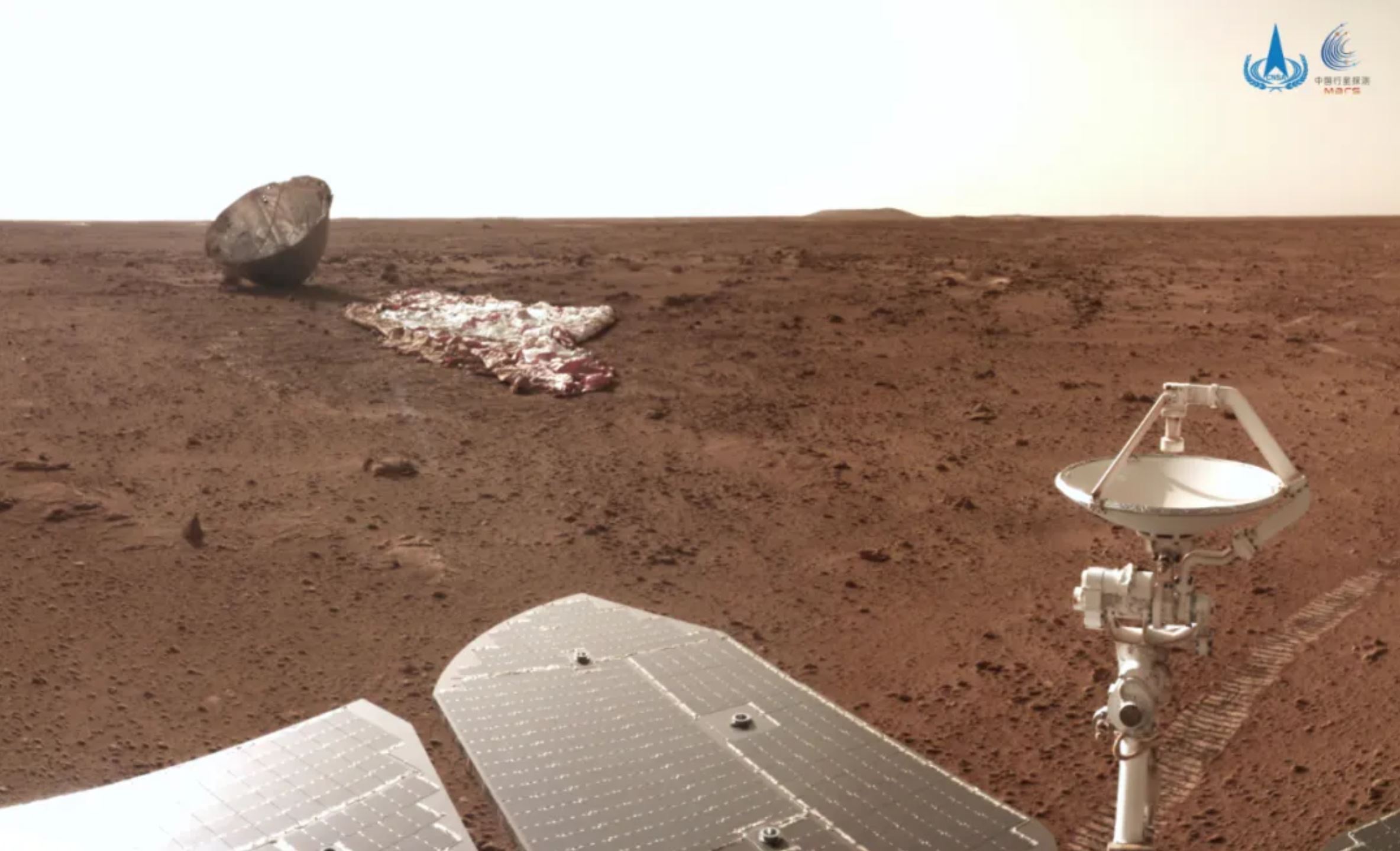
China aims to launch its Tianwen-3 Mars sample return mission around 2030, with potential landing areas narrowed down to Chryse Planitia, Utopia Planitia, and Amazonis Planitia. The mission will involve a lander and ascent vehicle, an orbiter and return module, and aims to deliver around 500 grams of Martian samples to Earth. The mission faces challenges in obtaining rock samples, taking off from Mars, and transferring samples to a reentry module. The chosen landing site will prioritize astrobiological relevance and geological diversity, with the potential to provide groundbreaking insights into Mars' geological processes and history, and possibly even biosignatures or traces of past or extant life.
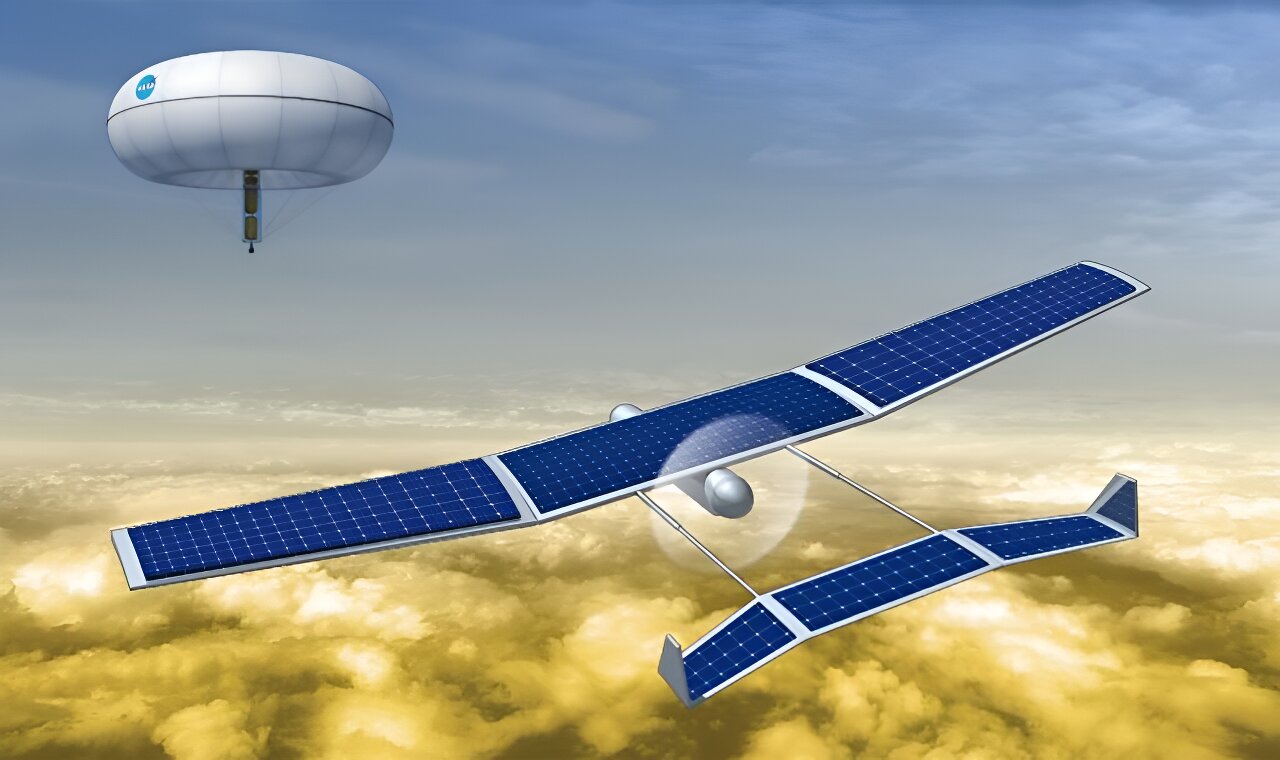
NASA has selected a sample return mission to Venus as part of its NASA Innovative Advanced Concepts (NIAC) program. The proposed concept, developed by aerospace engineer Geoffrey Landis and his colleagues at the NASA Glenn Research Center, involves a solar-powered aircraft that would generate propellant from Venus' atmosphere and deploy a sample-return rover to the surface. This mission aims to explore Venus' middle atmosphere, potentially leading to significant scientific discoveries and paving the way for future planetary exploration beyond Venus and Mars.
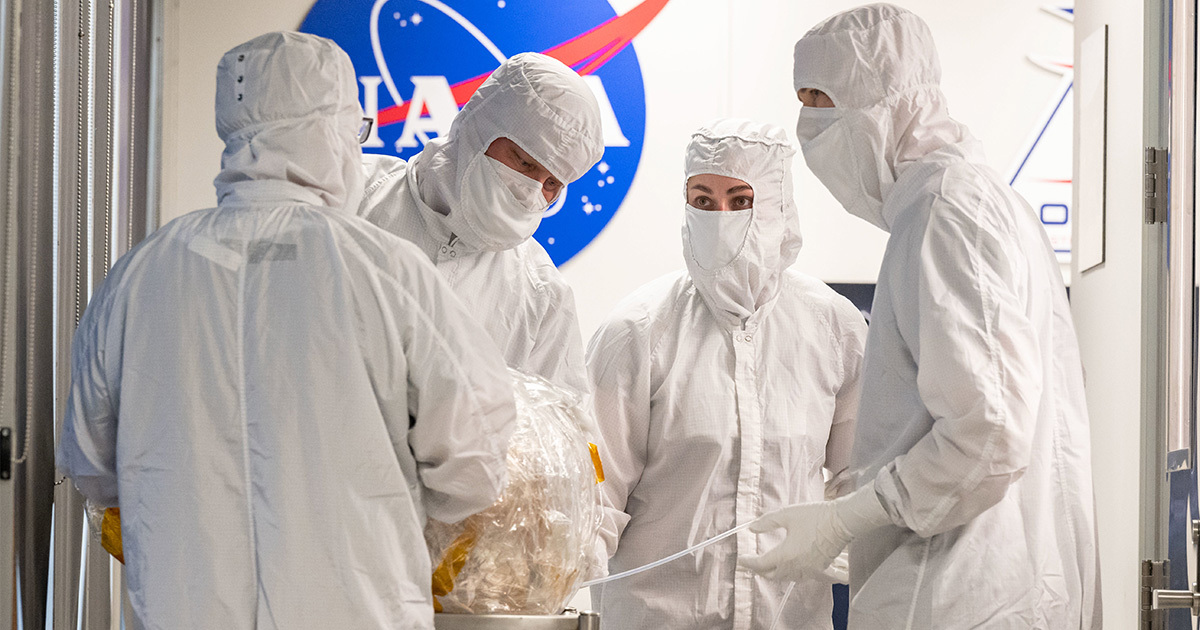
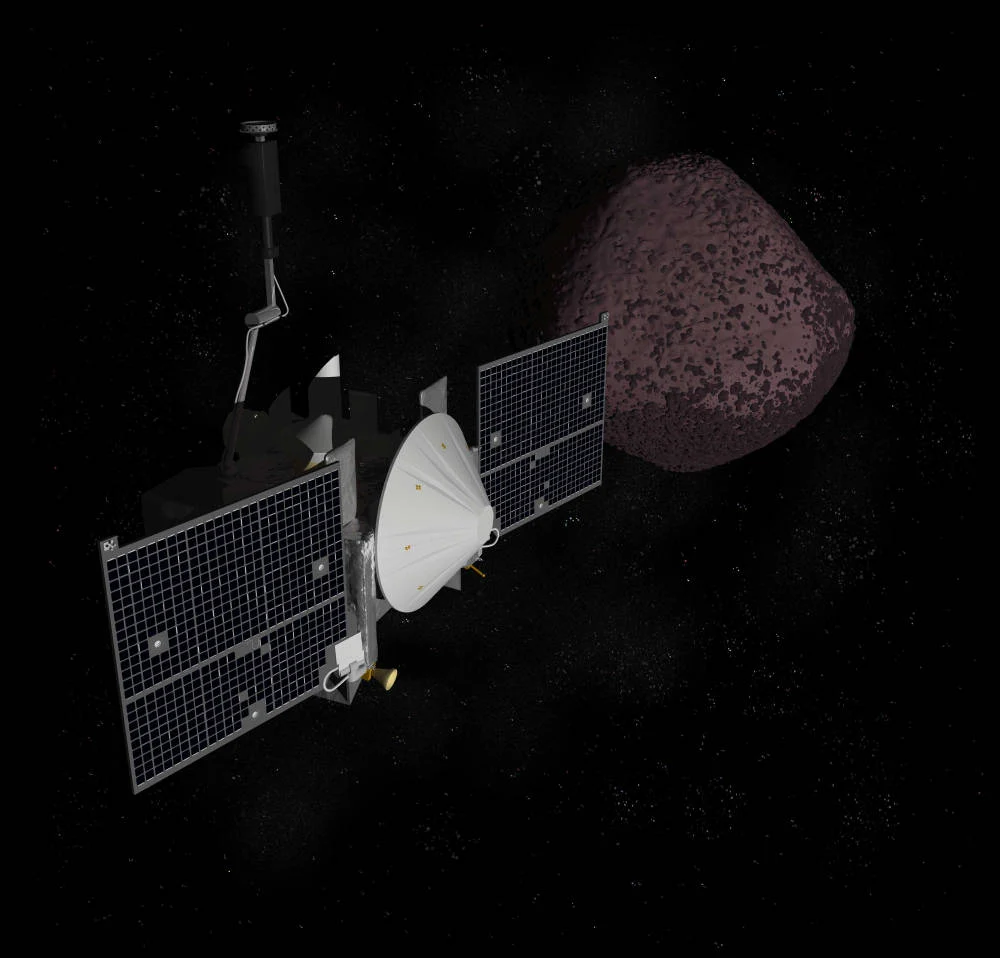
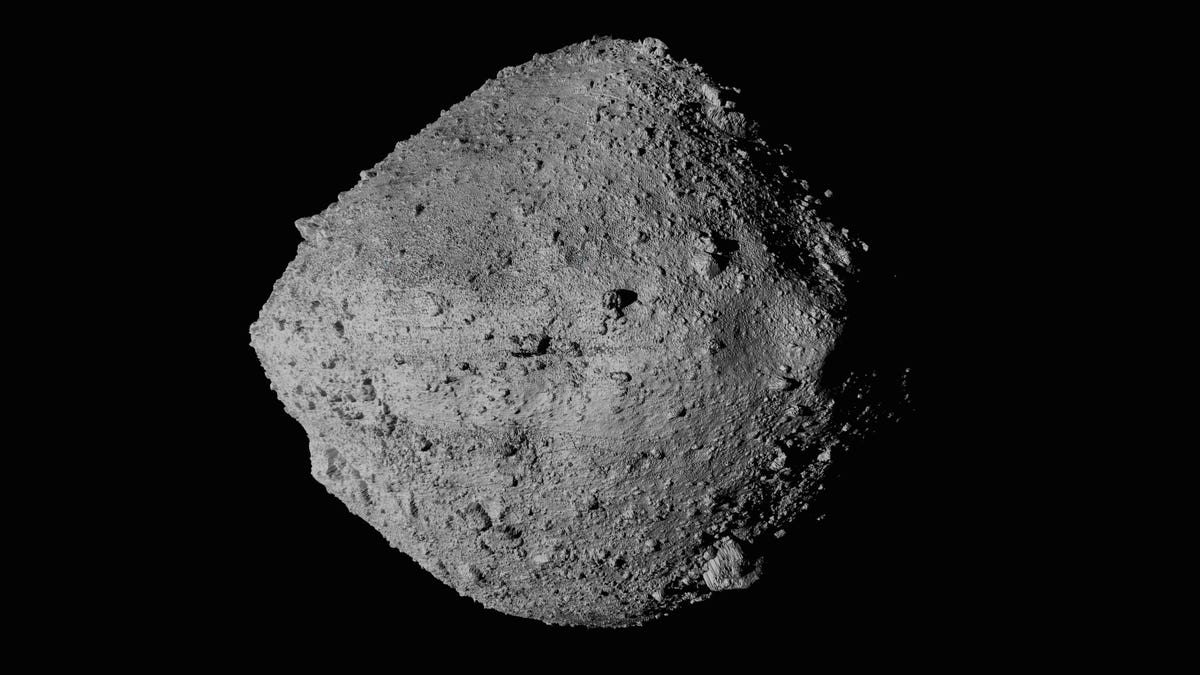
NASA scientists are analyzing samples from the asteroid Bennu, collected during the OSIRIS-REx mission, but two screws in the canister containing the samples are stuck, preventing access to all the material. Despite this setback, the analyzed samples have revealed fascinating findings, including unique black and bluish sheen material, rare combinations of magnesium, phosphate, and sodium, and organic compounds that could be the building blocks of life. These findings make the mission worthwhile, as it represents the first time NASA has physically handled such ancient materials.
NASA engineers discovered that a wiring mix-up caused a parachute problem during the OSIRIS-REx asteroid sample return mission. The release triggers for the parachutes were wired incorrectly, resulting in the drogue parachute deploying at 9,000 feet instead of 100,000 feet. The main parachute deployed as expected, allowing for a safe landing and successful sample collection from asteroid Bennu. The issue was attributed to inconsistent naming conventions in the design, which led to the deployment actions occurring out of order. Despite the parachute malfunction, the mission was a success, and the probe is now heading to study asteroid Apophis. NASA will investigate the wiring error once the sample processing is complete.
Chinese scientists have developed a numerical model called GoMars to simulate the Martian atmosphere, aiding China's plans for a Mars sample-return mission. The model will help simulate meteorological conditions for spacecraft landing, including temperature, wind, and dust. China plans to launch the Tianwen-3 mission between 2028 and 2030, which will collect Martian rock samples using a drill and robotic arm. The atmospheric model will assist in designing materials suitable for Mars rovers to withstand extreme cold temperatures.
NASA's OSIRIS-REx spacecraft is set to return to Earth on Sunday after a mission to the asteroid Bennu. A capsule containing samples from Bennu will separate from the spacecraft and parachute to the Utah Test and Training Range. The mission aimed to study the formation of planets, the origins of life, and improve understanding of asteroids that could potentially impact Earth. The landing will be streamed live on NASA's website, YouTube channel, and other platforms.
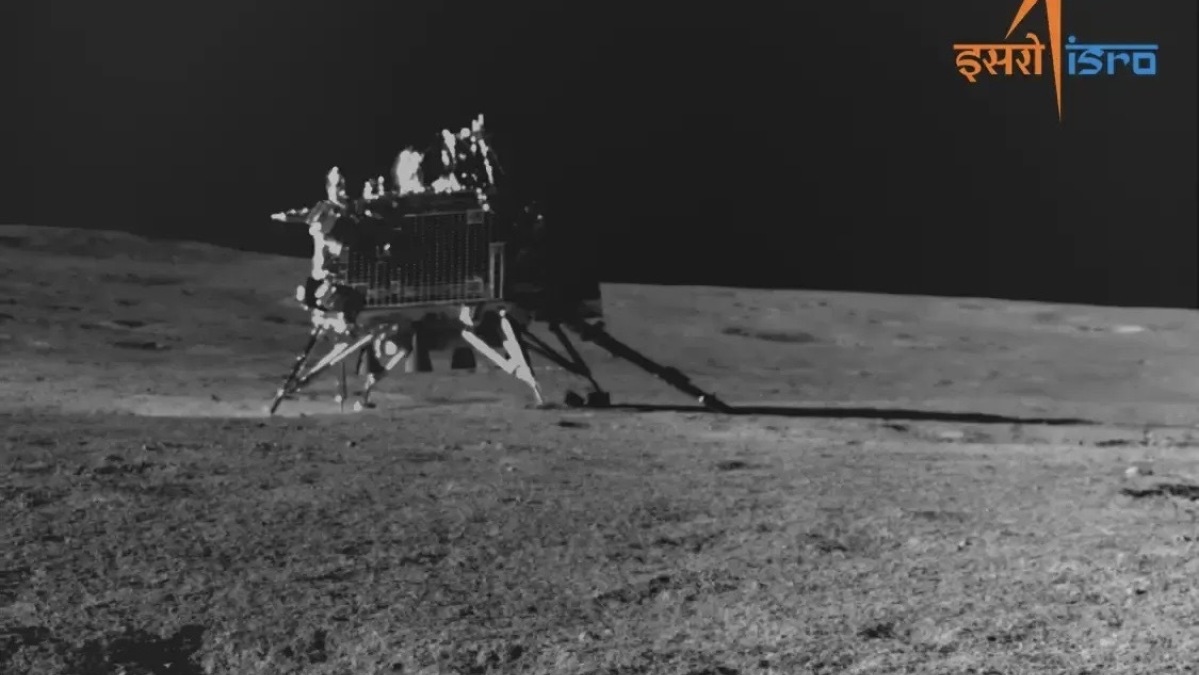
India's moon lander, Vikram, successfully lifted off from the lunar surface and landed a second time in a "hop" maneuver, surprising space experts. This maneuver, performed by only one other spacecraft in history, could pave the way for future sample return missions. The lander and its rover, Pragyan, have now entered hibernation, with hopes of waking up for further assignments. India's Chandrayaan-3 mission marks the country's successful landing on the moon's surface, joining the elite club of nations that have achieved this feat. The mission aimed to study the moon's temperature, chemical composition, seismic activity, and plasma content, with a focus on the polar region where ice is believed to be present.
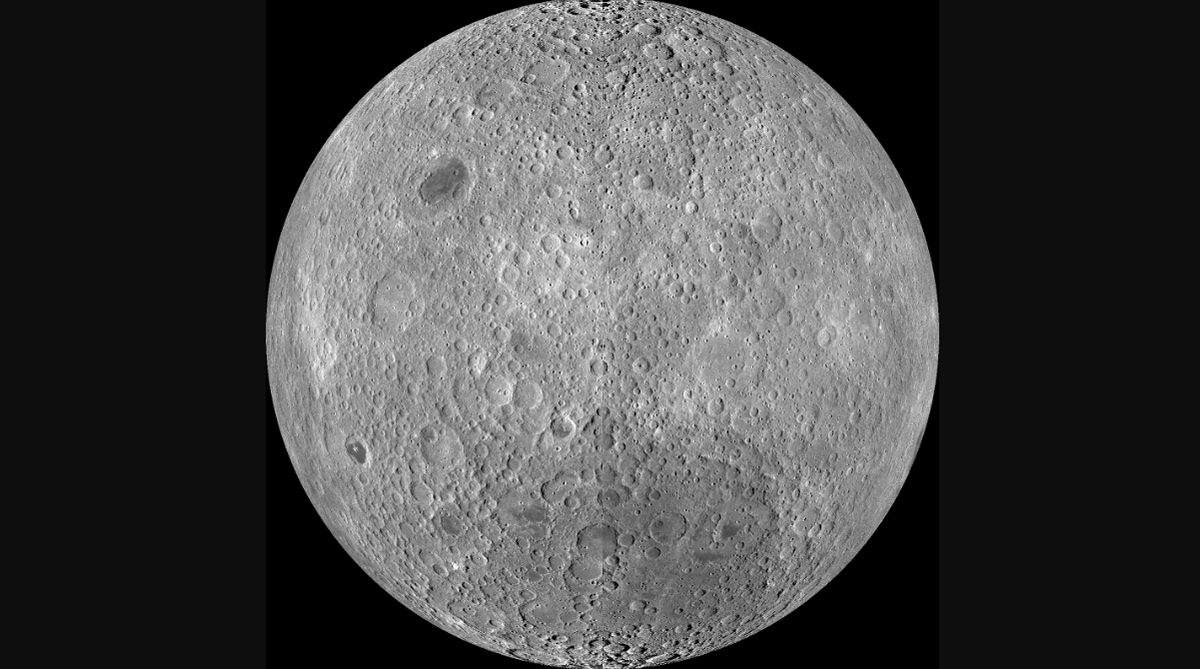
China plans to launch its Chang'e 6 mission in May 2024, which will attempt to collect the first samples from the far side of the moon. The mission will last 53 days and seek to collect up to 4.4 pounds of lunar materials using a scoop and a drill. The primary target landing site is reported to be around 43 degrees south latitude and 154 degrees west longitude on the far side of the moon. The mission will be even more challenging as the far side of the moon never faces Earth and cannot be seen directly.
China's upcoming Mars sample return mission, Tianwen-3, may include a small helicopter-like drone and a six-legged robot for sample collection. The mission is planned for launch around 2030, with a dual launch of Long March 5 rockets to send two vehicle stacks to Mars. The lander/launcher combo is designed to collect and store up to 500 grams of material, then launch back to space. The mission's surface sample may be collected using a drill and robotic arm to collect soils from as deep as 6 feet below the Martian surface.
China's Tianwen-3 mission aims to collect and return 500 grams of samples from Mars around 2030, using a pair of Long March 5 rockets. The mission objectives include searching for evidence of life on Mars, understanding its environmental and climate evolution, and potential past habitability. The landing segment will have limited capacity to collect samples close to the landing site, using either a six-legged crawling robot or an Ingenuity-like helicopter. The mission will adhere to the highest standards of planetary protection protocols.
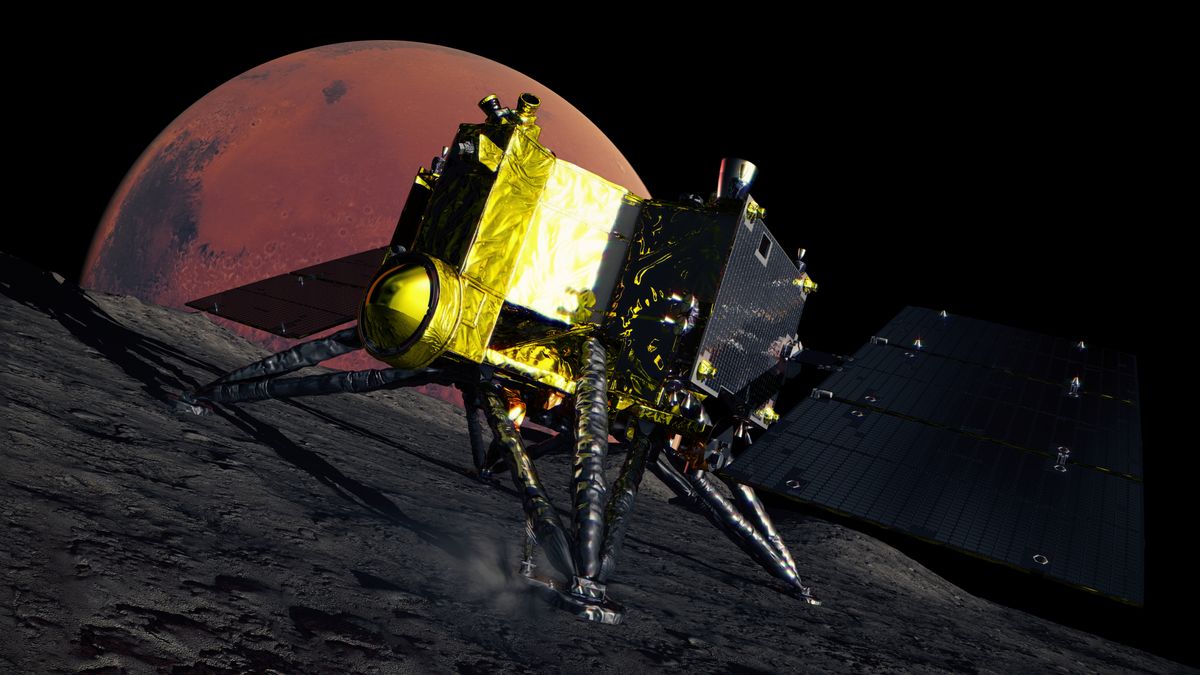
NASA has signed a memorandum of understanding with the Japan Aerospace Exploration Agency (JAXA) to join Japan's Martian Moon Exploration (MMX) mission to collect samples of the Martian moon Phobos and return them to Earth. NASA will provide two experiments on the MMX mission when the spacecraft launches to the Red Planet in 2024. JAXA's MMX mission is currently scheduled to launch toward Mars in 2024 and enter orbit around the planet in 2025. It will visit both moons of Mars, Phobos and Deimos, but only land on Phobos, the bigger of the two Martian satellites.
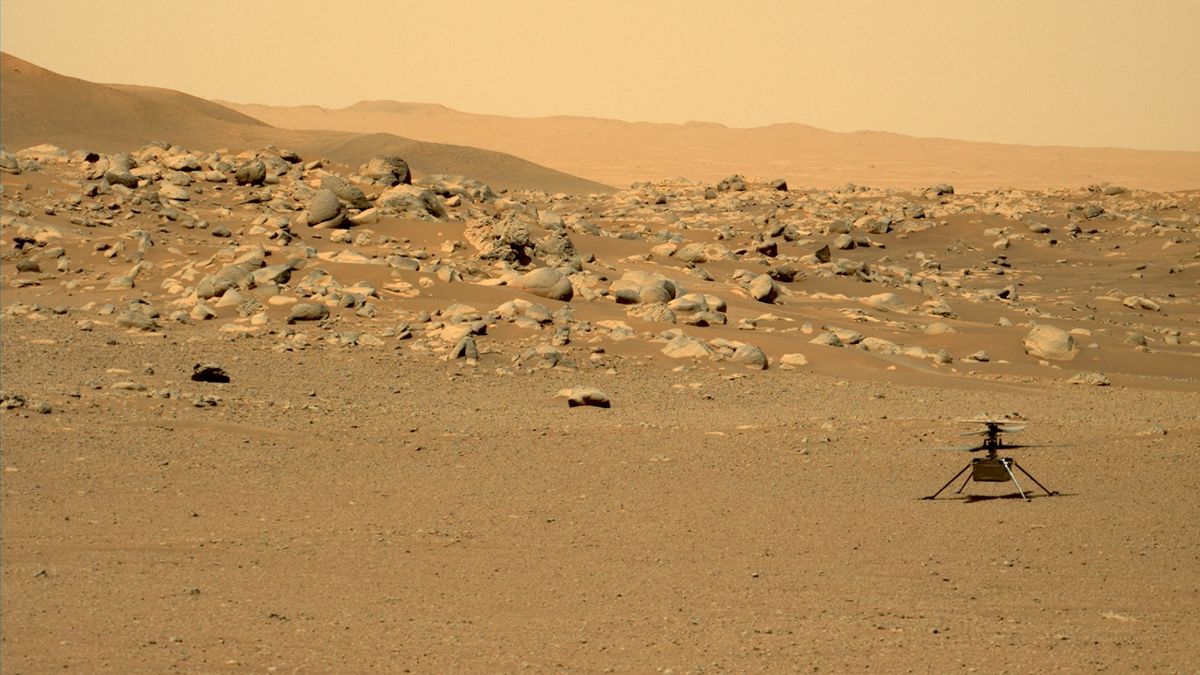
NASA's Ingenuity helicopter has completed its 50th flight on Mars, surpassing its original rating of just five sorties. The 4-pound drone is serving as a scout for NASA's Perseverance rover mission and testing key tech that could help return samples from the Red Planet in the coming years as part of the ongoing search for life on Mars. The focus is shifting to refining operations, teamwork, and design decisions as NASA works to develop two Martian helicopters for its Red Planet sample-return effort.