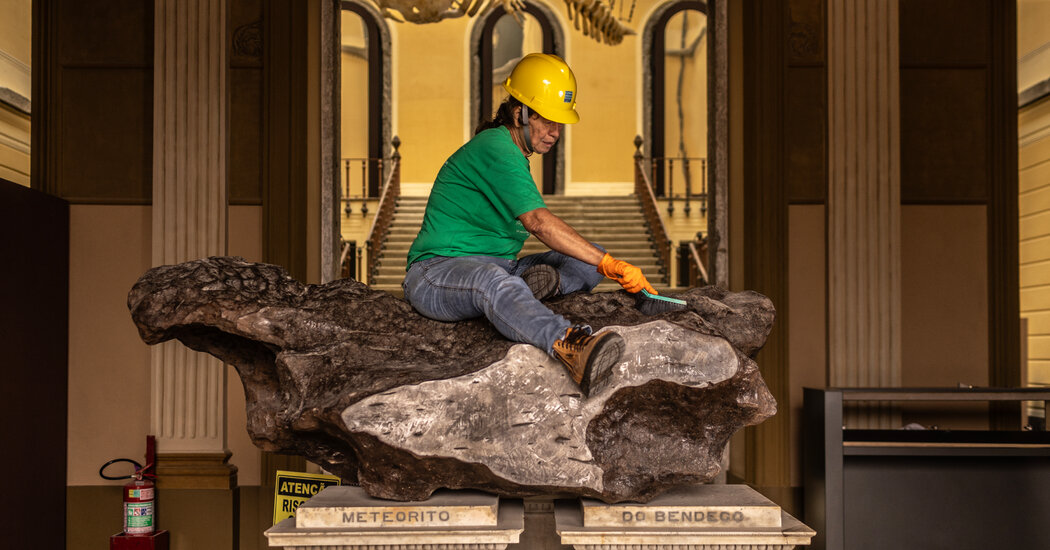
Brazil's Cosmic Rock Stars
An all-female Brazilian research group, As Meteoriticas, is dedicated to collecting and preserving meteorites across Brazil, contributing to scientific study and public awareness amid growing local interest in space rocks.

All articles tagged with #space rocks
An all-female Brazilian research group, As Meteoriticas, is dedicated to collecting and preserving meteorites across Brazil, contributing to scientific study and public awareness amid growing local interest in space rocks.

Ann Hodges was the first documented person to be hit by a meteorite in 1954 when a fragment crashed through her roof and struck her, leaving her with a large bruise; her story remains a fascinating tale of space debris hitting Earth.
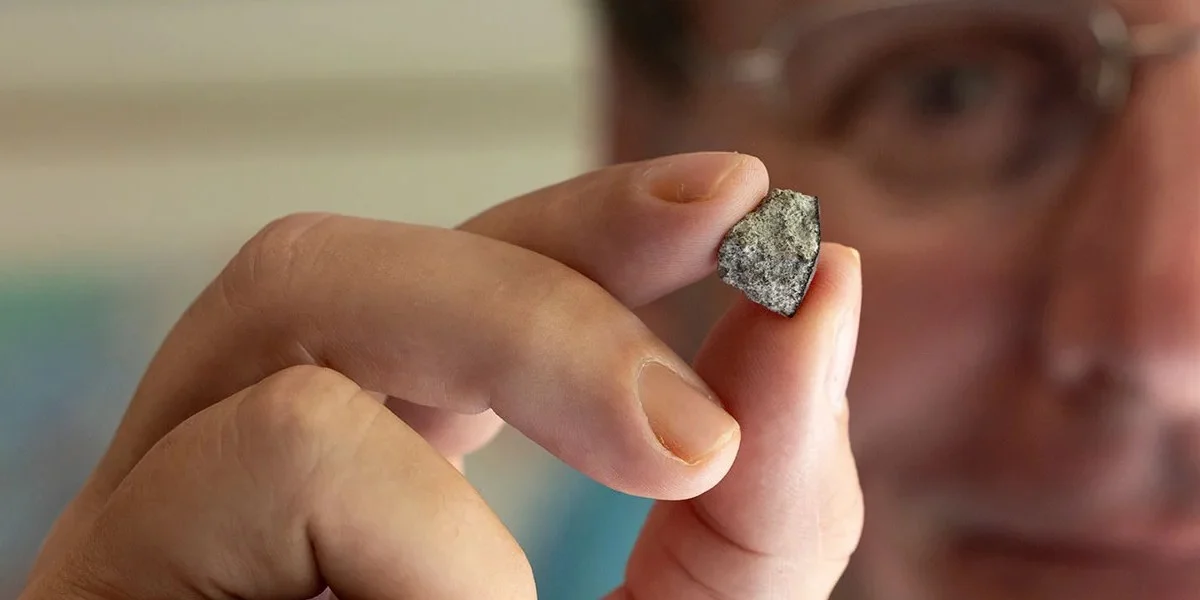
A homeowner in Atlanta found a meteorite in their living room after a fireball event, which scientists confirmed as the rare McDonough Meteorite, originating from an asteroid in the main belt between Mars and Jupiter, older than Earth. This event highlights the increasing frequency of space-rock discoveries thanks to modern technology and public awareness.
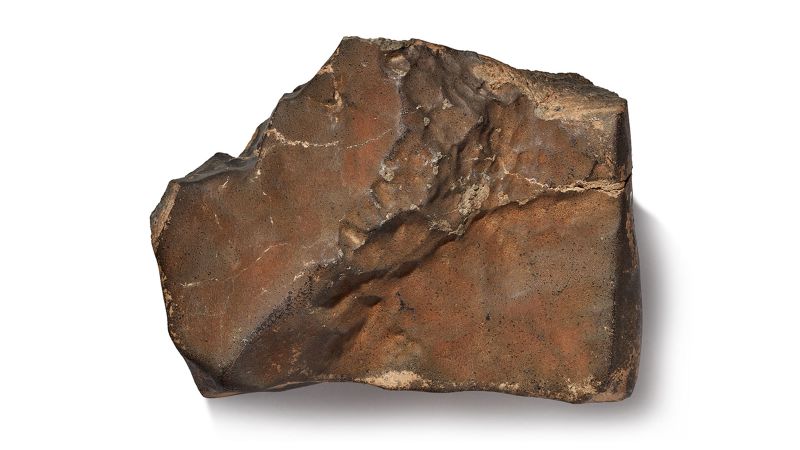
A massive Martian meteorite called NWA 16788, weighing 54 pounds and discovered in Niger, sold for $4.3 million at Sotheby's, making it the largest known piece of Mars on Earth and a rare find among only about 400 known Martian meteorites. The meteorite's size, composition, and rarity make it a significant scientific and collectible item, sparking debate over its sale versus scientific study.
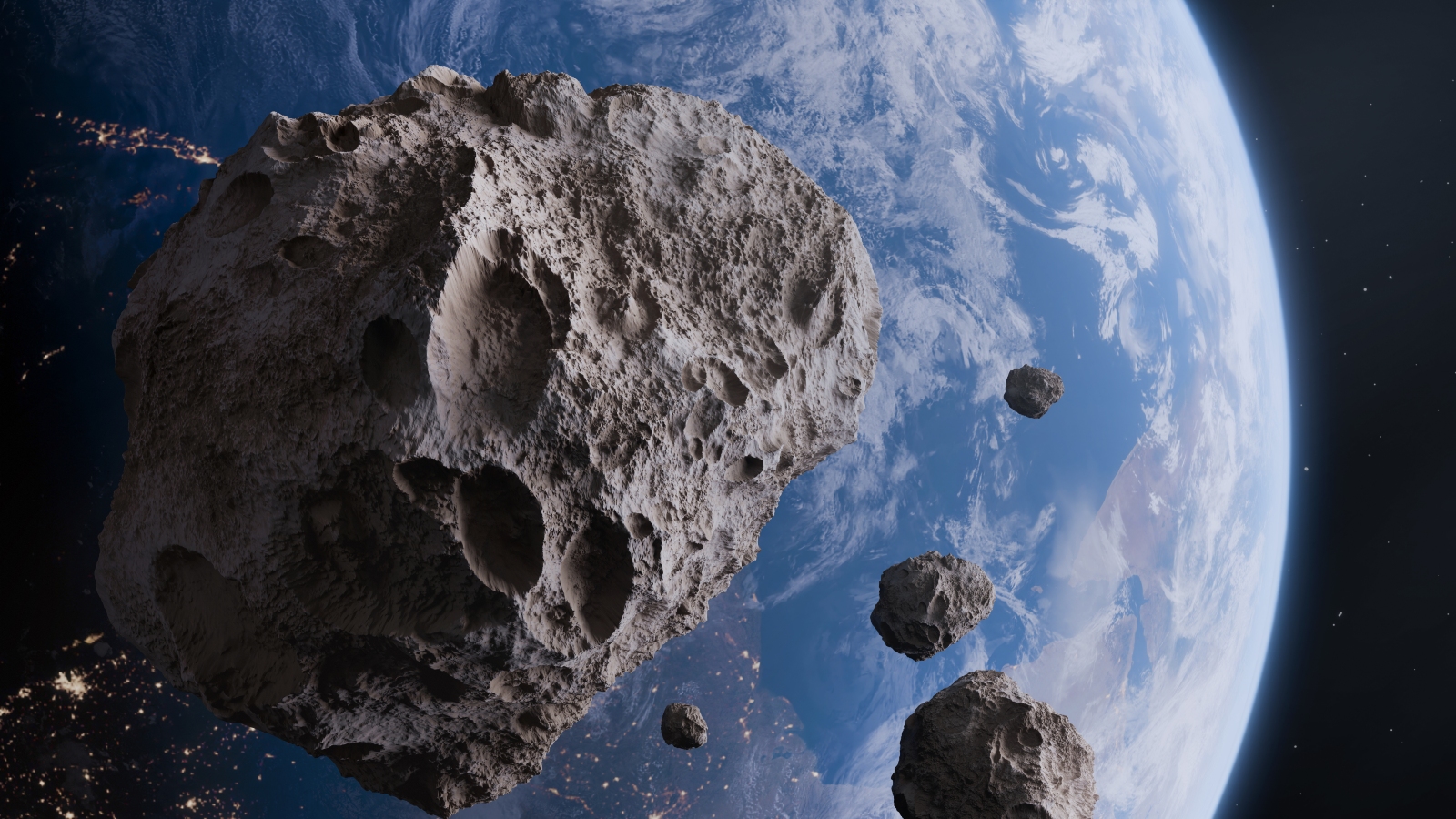
A hidden swarm of potentially hazardous co-orbital asteroids around Venus could pose an 'invisible threat' to Earth in the future, but there is no immediate danger. New simulations suggest some of these space rocks, larger than 140 meters, might threaten Earth over millennia, emphasizing the need for better detection methods. However, current knowledge is limited, and sensationalist media reports should be viewed with caution.
A new study suggests that collisions in space can produce and preserve carbon on dwarf planets like Ceres, which may hold clues to the origins of life. The research highlights the importance of future sample return missions to analyze organic materials on Ceres, especially in light of its potential subsurface ocean and the challenges posed by shock metamorphism during impacts. Funding and mission planning are critical for advancing this research.
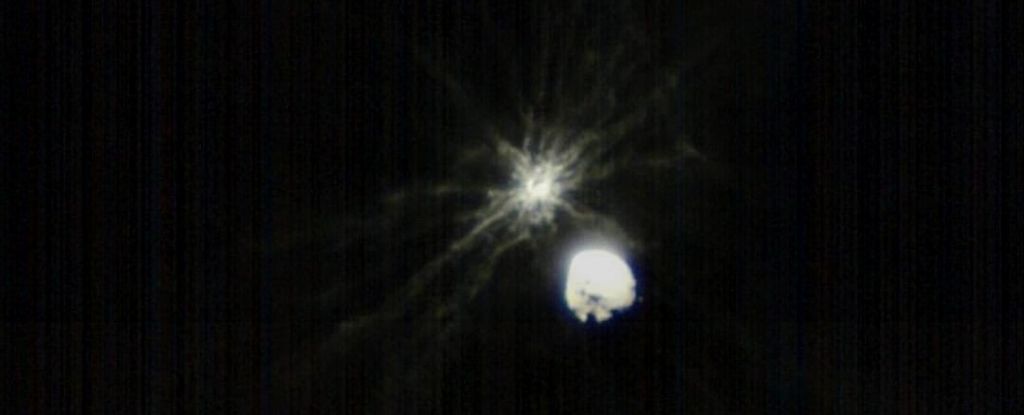
NASA's successful DART mission to divert an asteroid's course may have inadvertently sent space rocks hurtling towards Mars, with four boulders expected to potentially collide with the planet in around 6,000 to 15,000 years. The impact could excavate small craters up to 300 meters across, but given Mars's existing crater-covered surface, the effects may not be significant. The findings support previous work on the origins of meteorites and highlight the potential consequences of asteroid collisions in the near-Earth environment.
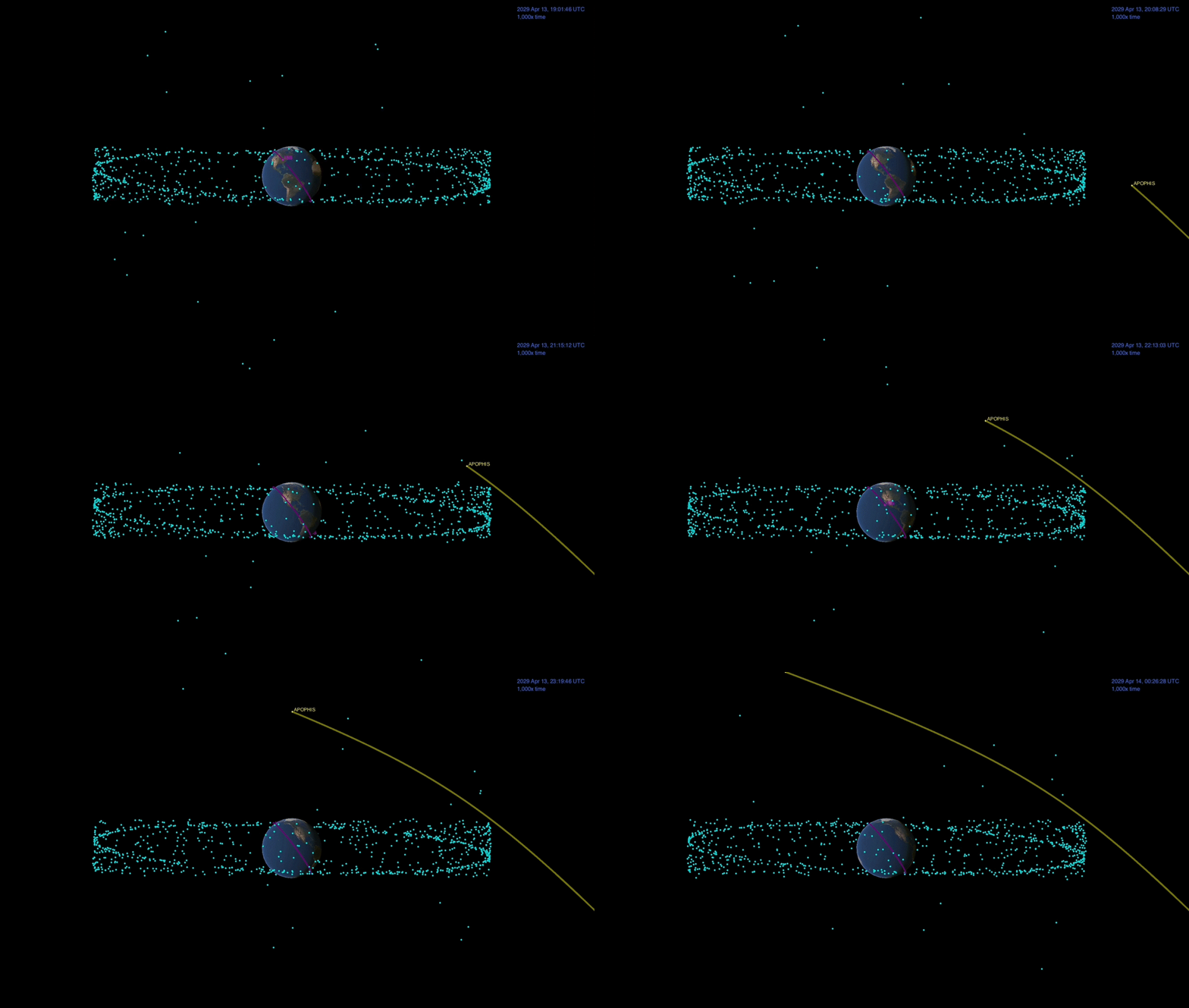
The asteroid Apophis is set to pass close to Earth in 2029, but a new study suggests it's unlikely to collide with other space rocks that could alter its orbit and redirect it toward our planet. While the risk of collision is ruled out for the next 100 years, a new analysis of 1.2 million asteroids and comets in our solar system indicates that no such collisions are anticipated. However, there is a possibility of a close encounter with another asteroid named 4544 Xanthus in 2026, which could perturb Apophis' future path. Further observations are needed to confirm the presence of material in Xanthus' orbit and its potential impact on Apophis.
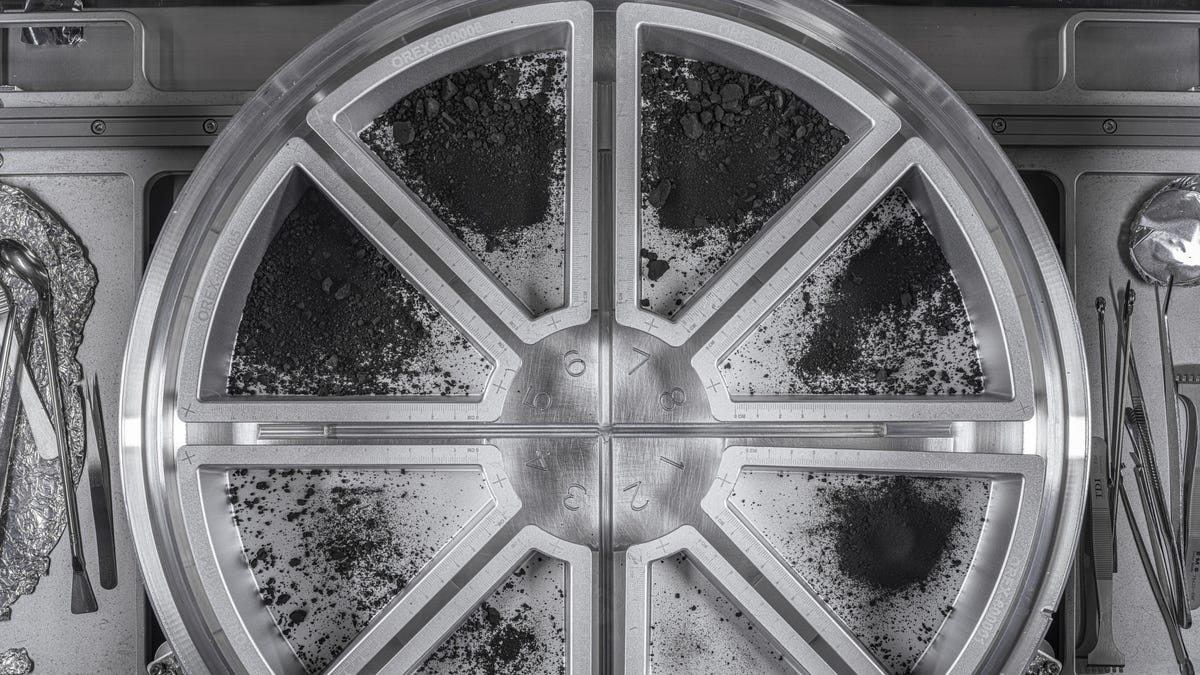
NASA's OSIRIS-REx spacecraft successfully collected and delivered 4.29 ounces (121.6 grams) of material from asteroid Bennu, more than double the mission's goal, after struggling to open the sample canister. The sample will be divided among a team of 230 scientists for analysis, with at least 70 percent kept at Johnson Space Center for future research and some made available for public display.
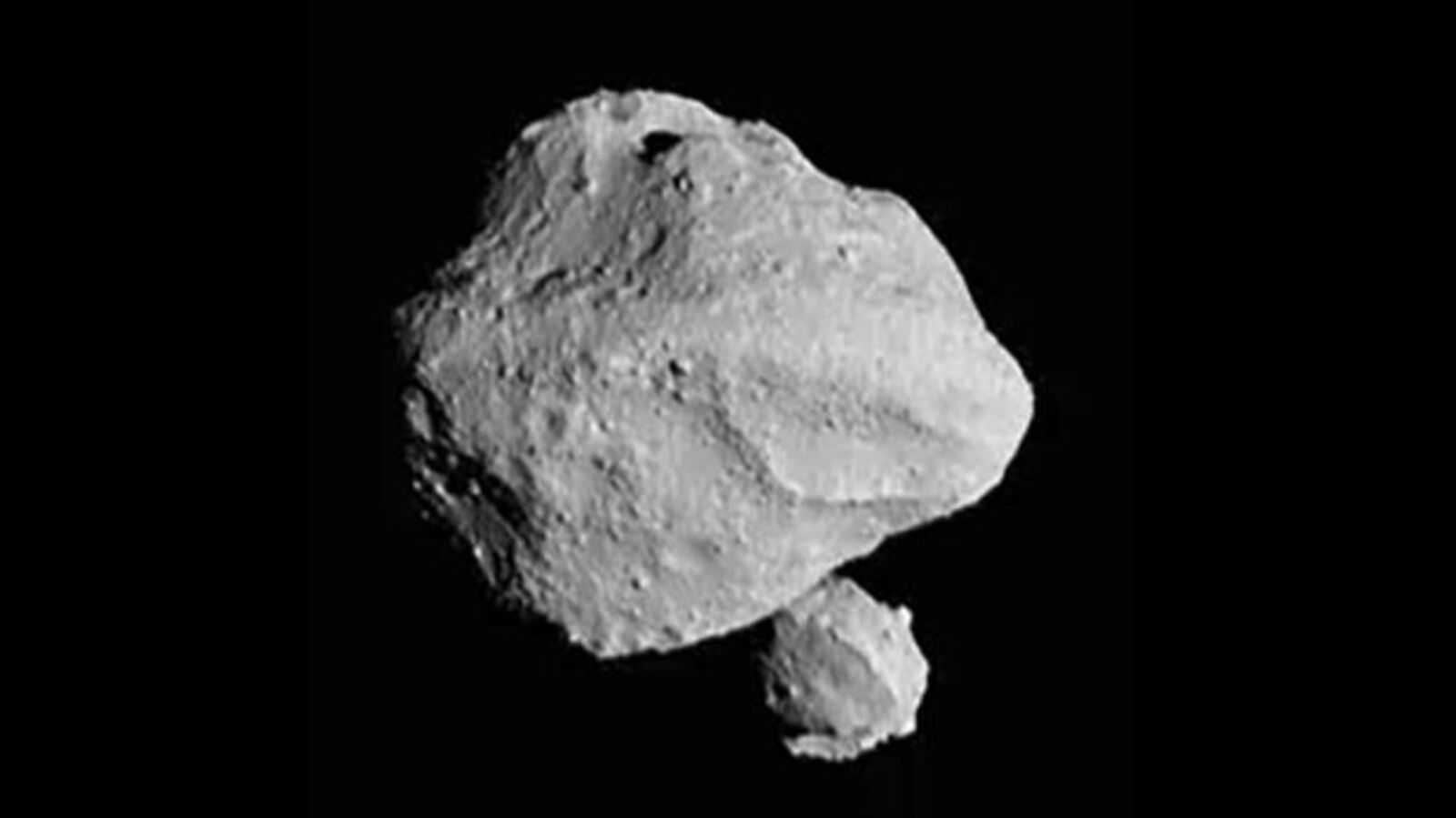
Fragments of the asteroid 2024 BX1 that exploded over Germany have been confirmed to be a rare type of space rock known as aubrites, which are as old as the solar system itself. These meteorite fragments are extremely uncommon and are believed to have originated from the inner side of the asteroid belt between Mars and Jupiter. The main belt asteroids such as 2024 BX1 were formed about 4.5 billion years ago, sharing many characteristics with Earth. Additionally, Earth was set to witness a series of asteroids fly past in the week starting 29 January, with one being the size of a "FIFA-accredited stadium."
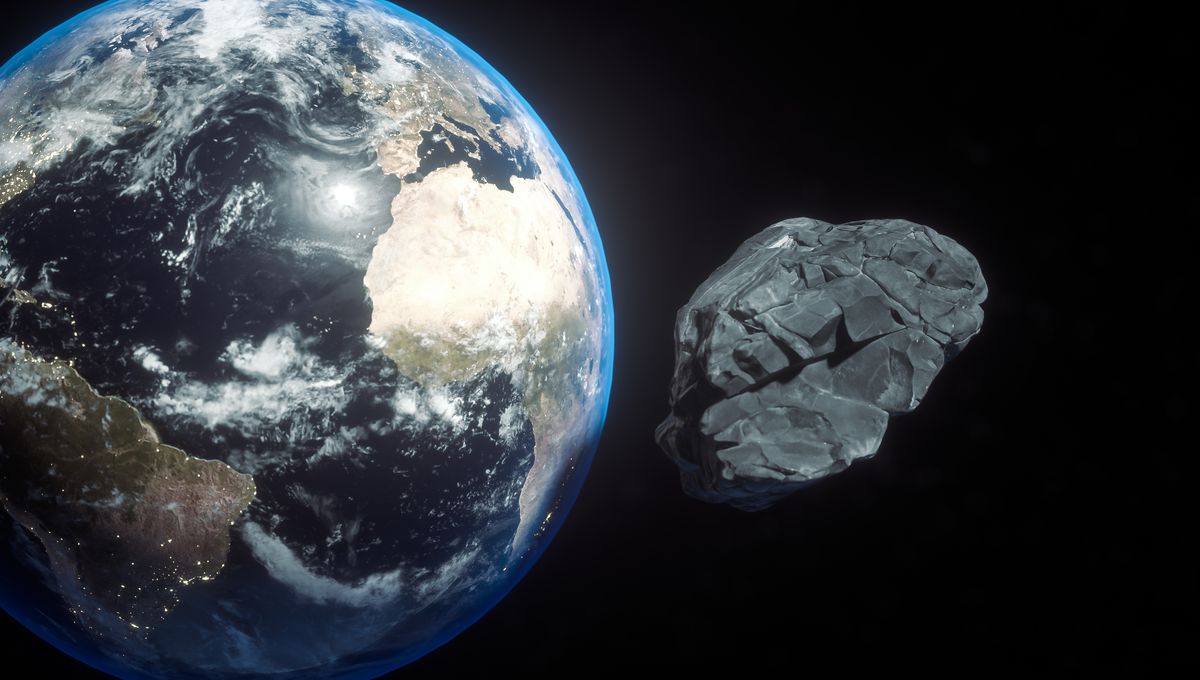
A newly discovered asteroid, 2024 BJ, approximately 25 meters wide, will pass by Earth and the Moon at about 90 percent of the Moon-Earth distance on Saturday. This near-earth object, part of the Apollo group, was only spotted last Thursday and will approach our planet at a distance of 353,000 kilometers. Despite its proximity in cosmic terms, it poses no threat. The event will be livestreamed by The Virtual Telescope Project, highlighting humanity's increasing ability to detect potentially hazardous asteroids in advance.

NASA's Curiosity Mars rover captured images of a rock on Mars that resembles the delta-shaped Starfleet logo from "Star Trek." The rock was spotted while the rover was conducting contact science on a dark-toned bedrock. This discovery follows previous attention-grabbing Martian rocks, including a donut-shaped rock spotted by the Perseverance Rover.
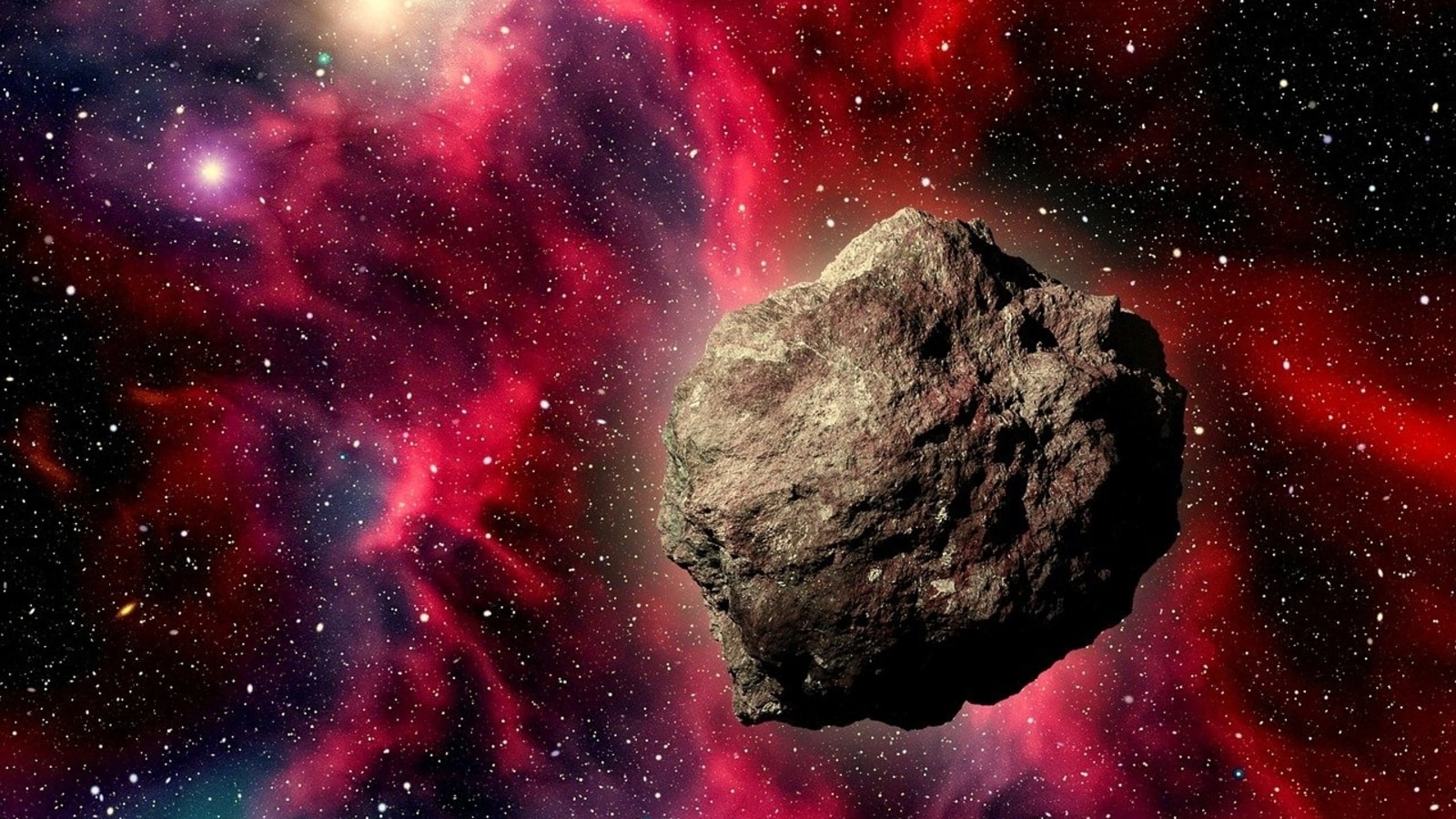
NASA has revealed that an asteroid, designated as Asteroid 2021 CZ2, is expected to pass Earth at a close distance today, hurtling at a speed of 51636 kilometers per hour and measuring almost 350 feet wide. Belonging to the Aten group of asteroids, it will pass Earth again on July 13 at a greater distance. These space rocks, remnants from the early solar system, can be knocked out of their main belt orbits by Jupiter's gravity or close encounters with planets, posing potential threats to Earth.
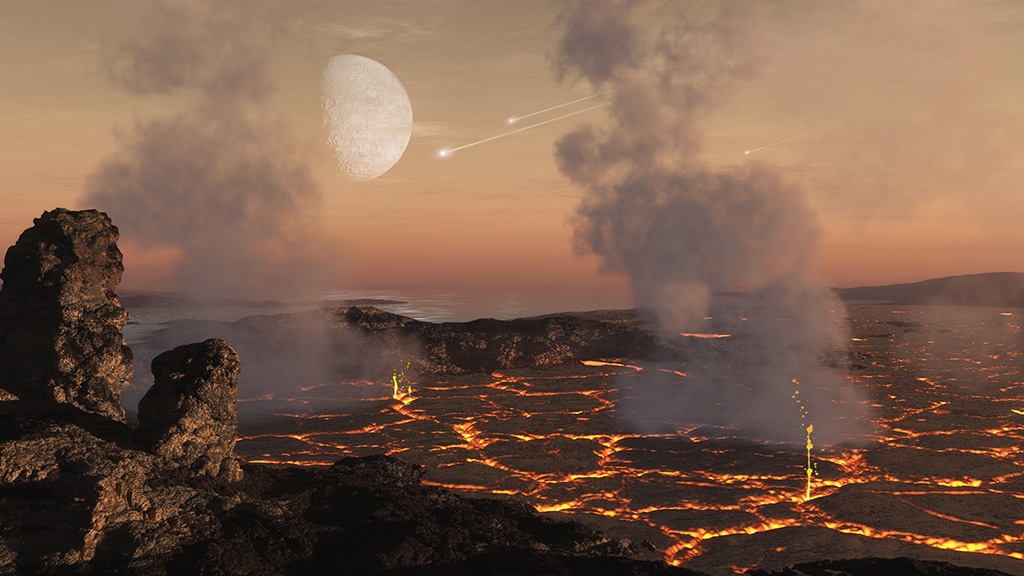
Scientists believe that a massive space rock, four times the size of Mount Everest, collided with the young Earth 3.26 billion years ago, causing catastrophic effects such as boiling off the ocean's top layer and creating a tsunami. However, recent research suggests that these violent impacts may have actually primed the planet for the emergence and evolution of life. The collisions brought key nutrients to shallow seas and triggered life-relevant chemistry, potentially aiding the survival of simple organisms. Understanding how these impacts shaped Earth's early history is crucial for astrobiology and the search for life on other planets.

NASA is facing difficulties in opening the canister containing rocks and dust collected from asteroid Bennu during the OSIRIS-REx mission. The space agency expects to open the canister in early 2024 after developing new tools to preserve the pristine rocks. Despite the challenges, NASA has already collected bonus samples from outside the canister, exceeding their goal of 60 grams. The mission has proven its worth with the early analysis revealing an abundance of carbon and water molecules, supporting the theory of life's building blocks arriving on Earth via asteroids. NASA is currently working on developing and testing new tools to safely retrieve the sample while protecting it from contamination.