Tag

Carbon

All articles tagged with #carbon

science7 months ago

Ceres: A Clue to Life's Origins on a Dwarf Planet

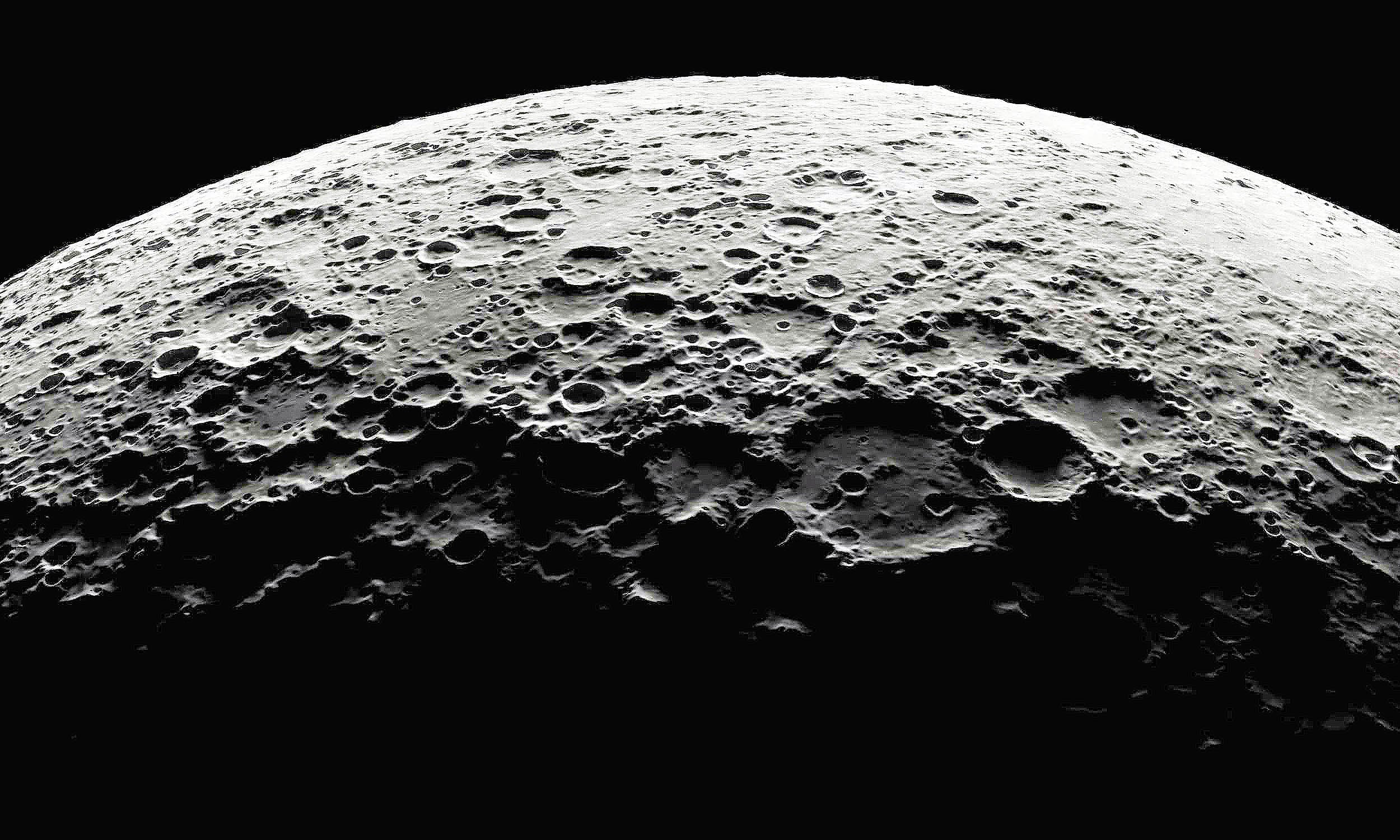
A new study suggests that collisions in space can produce and preserve carbon on dwarf planets like Ceres, which may hold clues to the origins of life. The research highlights the importance of future sample return missions to analyze organic materials on Ceres, especially in light of its potential subsurface ocean and the challenges posed by shock metamorphism during impacts. Funding and mission planning are critical for advancing this research.

science-and-technology1 year ago

Carbon Found in Galaxy 350 Million Years Post-Big Bang

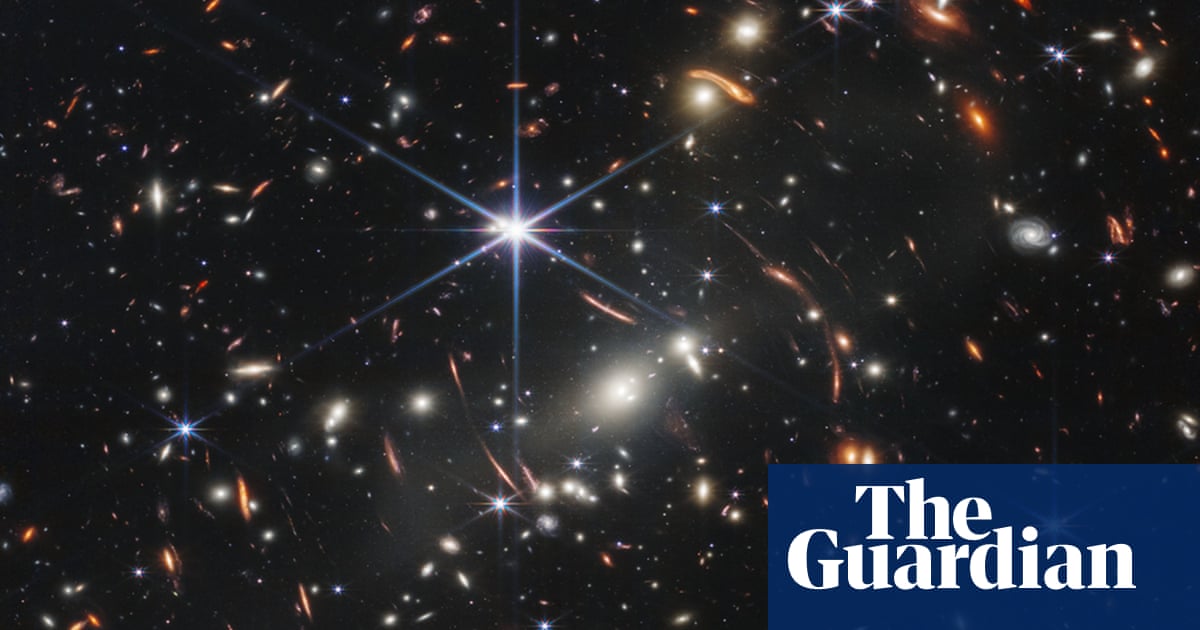
Astronomers using the James Webb Space Telescope have detected carbon in a galaxy observed just 350 million years after the big bang, suggesting that the conditions for life may have been present much earlier than previously thought. This discovery indicates that vast amounts of carbon were released by the first generation of stars exploding in supernovae, challenging previous beliefs that carbon enrichment occurred about 1 billion years after the big bang. The findings, which will be published in Astronomy & Astrophysics, highlight the potential for early life-forming conditions in the universe.

science1 year ago

"Discovery of a Novel Fullerene Molecule: Fullertube Unveiled"

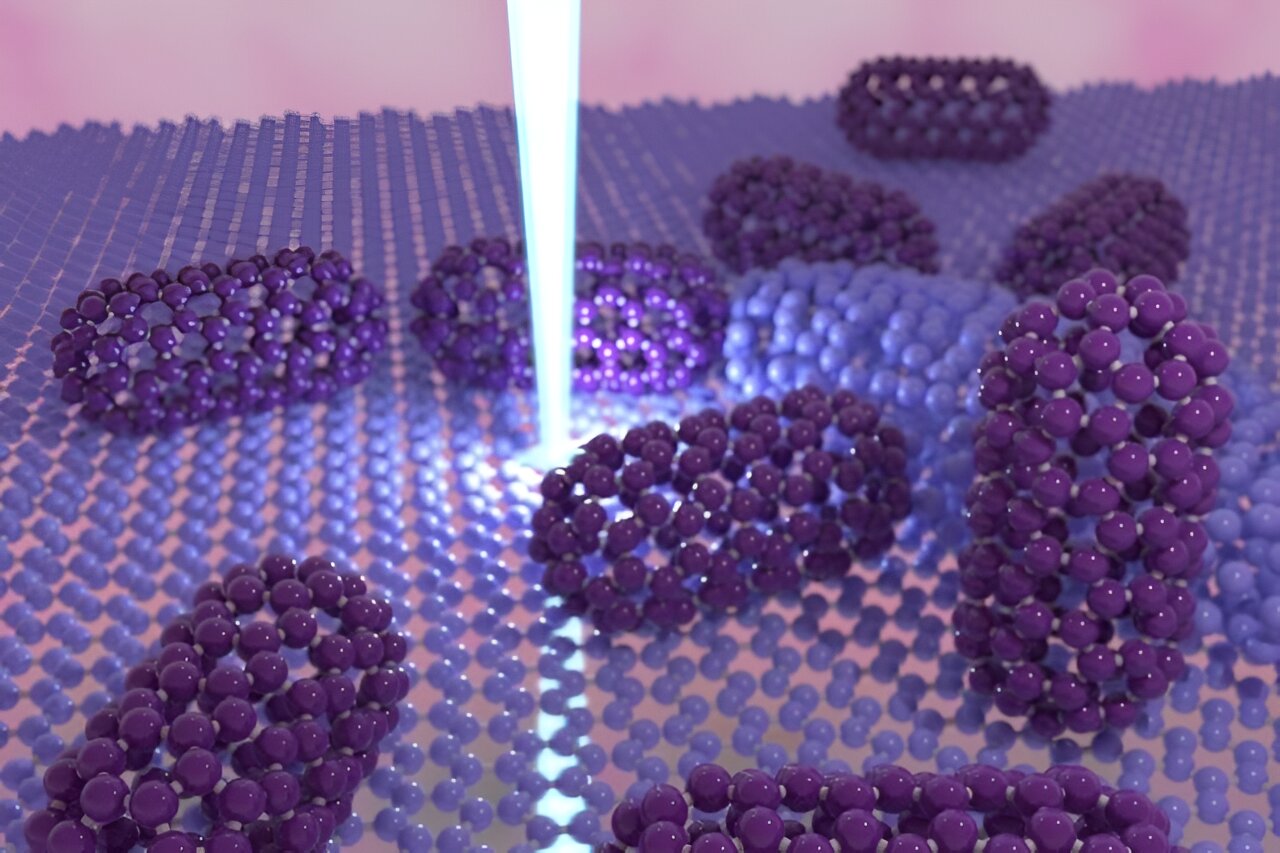
A UdeM doctoral student in physics, Emmanuel Bourret, has led an international team of scientists to successfully demonstrate the existence of C130 fullertubes, molecules made up of 130 carbon atoms, which had previously only existed in theory. Using principles of quantum mechanics, the team isolated these rare molecules from soot and calculated their electronic structure. The discovery, published in the Journal of the American Chemical Society, could have potential applications in green hydrogen production.

science-and-technology1 year ago

"New Material Poised to Surpass Diamond as the Hardest Substance"

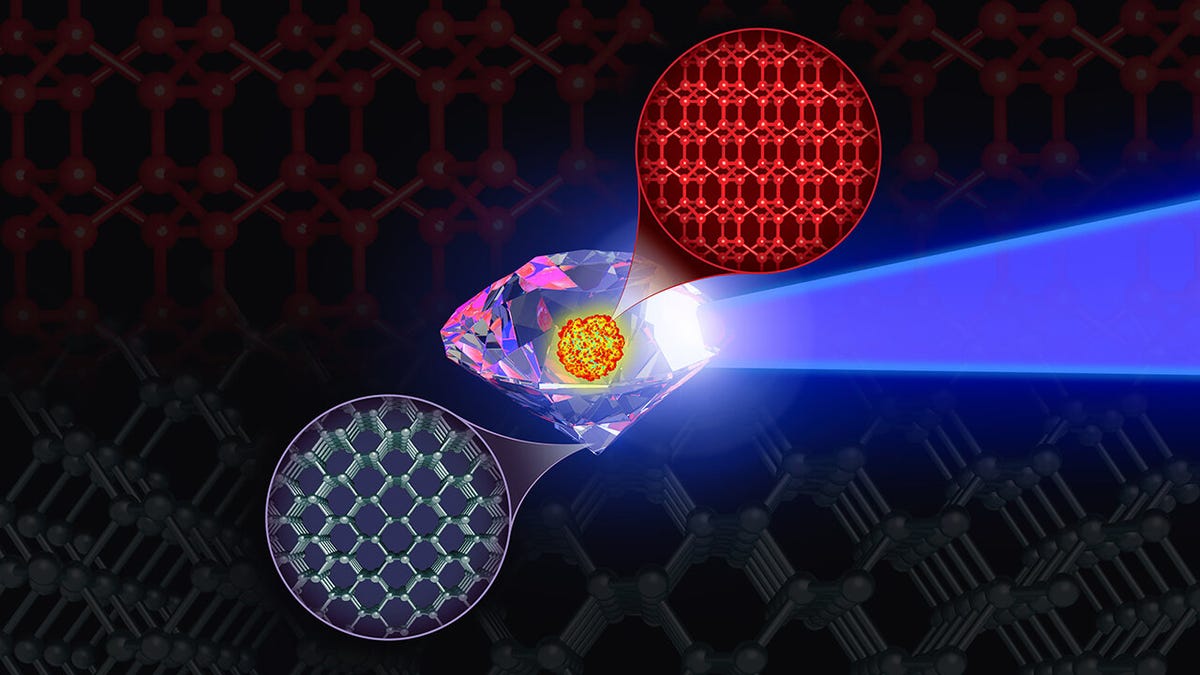
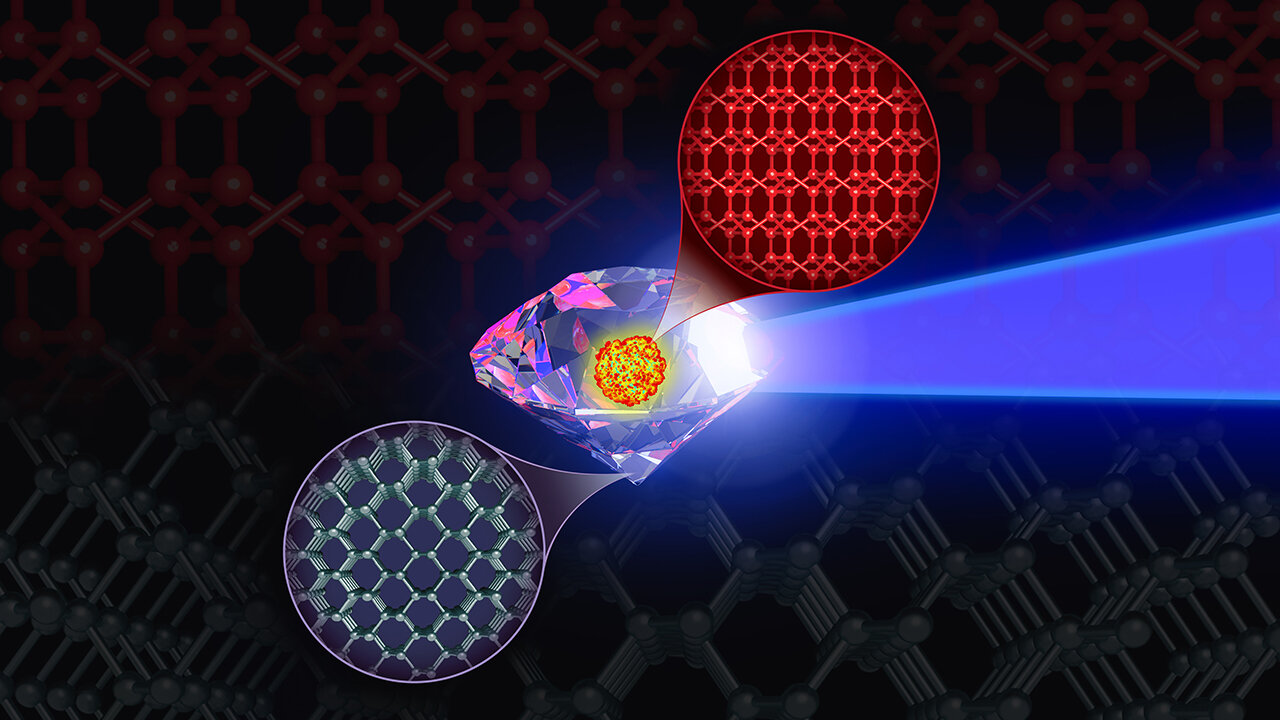
Scientists have long theorized that an ultra-dense form of carbon called BC8 could be even harder than diamond and may exist on carbon-rich exoplanets. Using supercomputer simulations, researchers have now gained insight into the narrow pressure and temperature conditions under which BC8 can form. This discovery could have significant implications for various industries. Previous attempts to observe BC8's atomic structure have been unsuccessful, but the recent simulations provide a potential pathway for creating BC8 and understanding its properties.

science-and-technology1 year ago

"Supercomputer Simulates Creation of Tougher-Than-Diamond 'Super Diamonds'"

Scientists have used a supercomputer to simulate the creation of BC8, an elusive and superstrong form of carbon that could be 30% tougher than diamonds. This theoretical material has never been observed and may only exist in the extreme conditions found in the center of exoplanets. The simulations revealed that BC8 can be stable at very high pressures and ambient temperatures, and researchers are now attempting to synthesize it in the lab using methods involving shocking diamonds and compressing them under enormous pressures.

science-and-technology1 year ago

"Creating Super Diamonds: How Scientists Squeezed Diamonds into Something Even Harder"

A supercomputer has modeled the existence of "super-diamonds," a theoretical material made of carbon atoms that could be even harder than regular diamonds and potentially exist in the extreme pressure environments of carbon-rich exoplanets. The supercomputer predicted that this specific phase of carbon, called BC8, is 30% more resistant to compression than regular diamonds. While it has yet to be observed, researchers believe it may exist in space and could be synthesized in Earth laboratories in the future, with potential implications for understanding the interiors of exoplanets.

science-and-technology1 year ago

"Creating Super Diamonds: Squeezing Harder Crystals with Supercomputer Simulations"

Physicists have used supercomputing to simulate the behavior of diamond under high pressure and temperature, revealing new insights into the elusive BC8 phase of carbon, which is expected to be even harder than diamond. The simulations provide clues on the conditions needed to push carbon atoms into this unusual structure, potentially paving the way for its synthesis in a lab. The BC8 phase, thought to exist in high-pressure environments deep inside exoplanets, could open up new research and material application possibilities if stabilized closer to home. Despite previous difficulties in synthesizing BC8 carbon, the simulations have identified the specific high-pressure, high-temperature conditions required for its formation, offering hope for its eventual achievement.

science1 year ago

"Unlocking the Potential of Super-Diamond through Supercomputer Simulations"

Supercomputer simulations have predicted the existence of a new form of carbon, the BC8 phase, which is believed to be even tougher than diamond. This phase is thought to exist in the center of carbon-rich exoplanets and could potentially be synthesized on Earth. The simulations have revealed the extreme metastability of diamond at very high pressures and suggest viable compression pathways to access the BC8 phase. Researchers are now working on experimental methods to create this elusive super-diamond in the laboratory.

environmental-science1 year ago

"Arctic Rivers and the Carbon Contained in Permafrost"

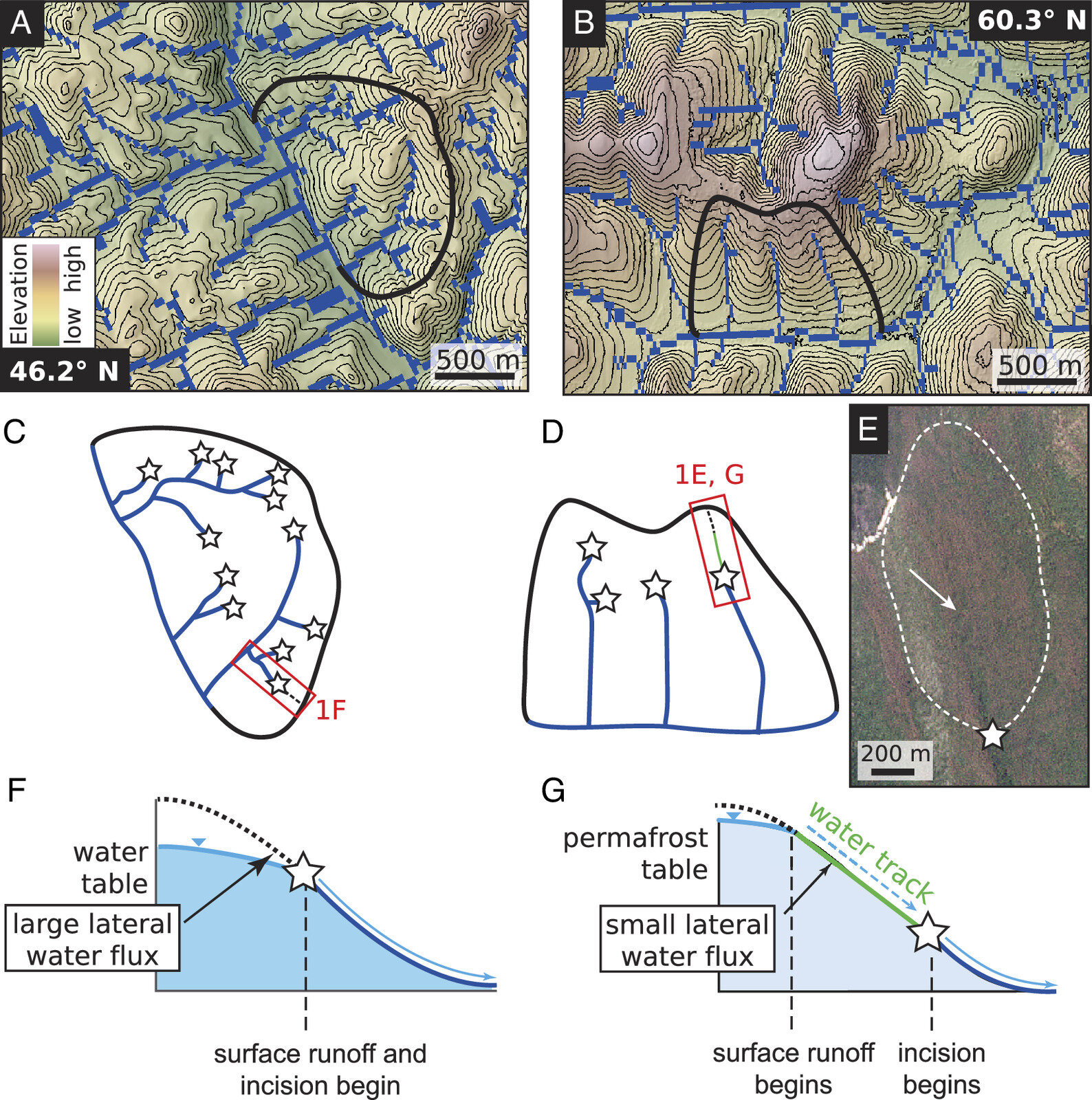
New research from Dartmouth College shows that permafrost, the frozen soil in the Arctic, is the dominant force shaping Earth's northernmost rivers, confining them to smaller areas and shallower valleys. However, permafrost is also a fragile reservoir of vast amounts of carbon, and as climate change weakens it, every 1.8 degrees Fahrenheit of global warming could release as much carbon as 35 million cars emit in a year. The study suggests that the Arctic's warming could lead to a release of between 22 billion and 550 billion tons of carbon dioxide by 2100, with significant implications for the environment.

space-science2 years ago

"Unveiling the Enigmatic Composition of Asteroid Bennu: A Puzzle for Scientists"

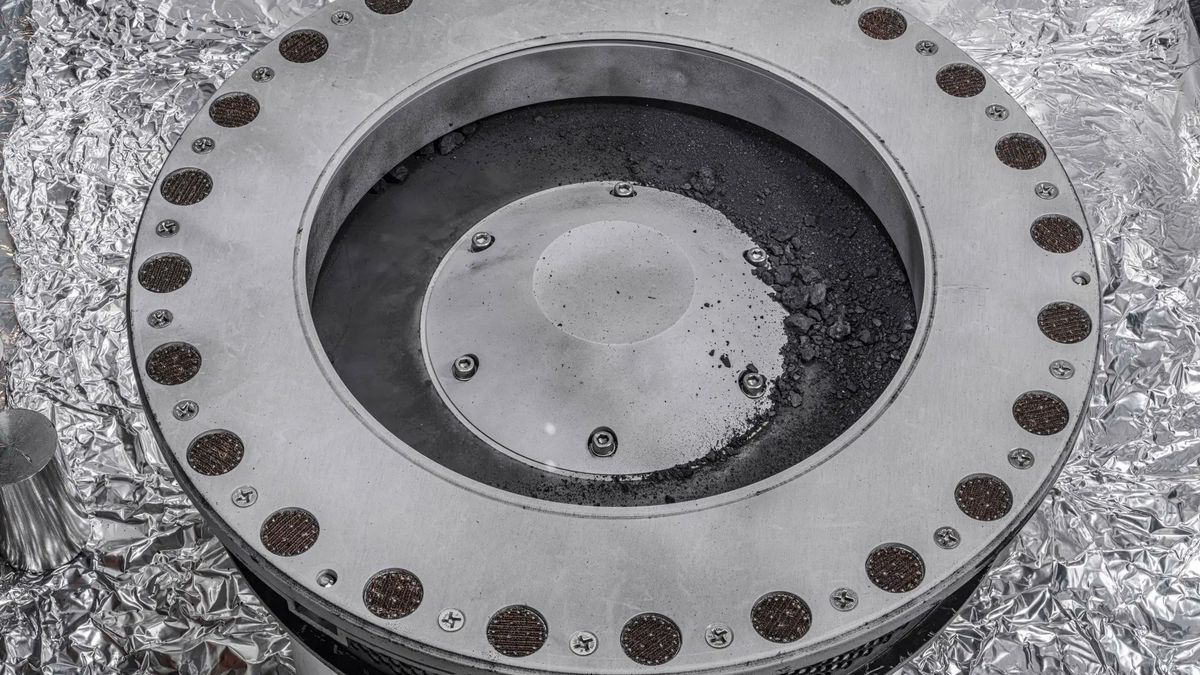
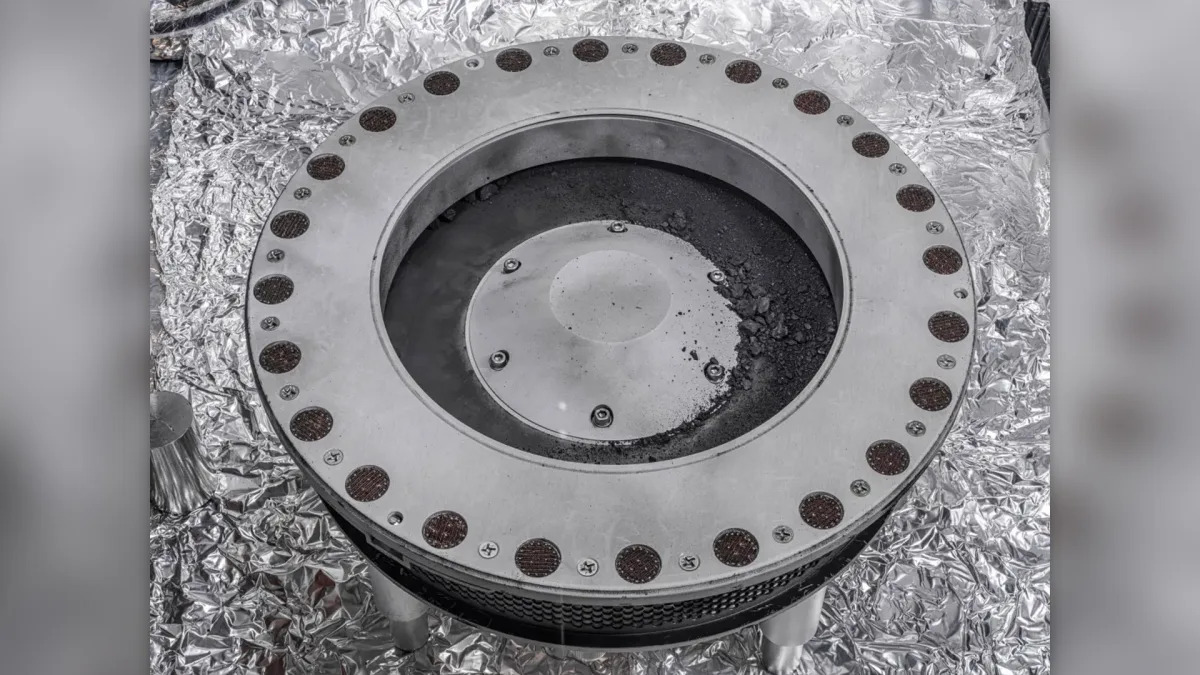
Scientists studying the material collected from the asteroid Bennu by NASA's OSIRIS-REx spacecraft have found evidence of hydrated, organic-rich remnants from the early solar system. The material is rich in carbon and organic molecules, and initial spectroscopy analysis shows a dominant spectral signature in blue, suggesting the presence of more water than expected. The material also contains high amounts of magnesium, sodium, and phosphorus, which puzzles the scientists. Further analysis and investigation are needed to understand the nature of this unusual material.

space-science2 years ago

Unveiling the Enigmatic Composition of Asteroid Bennu: Surprising Insights from Pristine Samples

Scientists studying the material collected from the asteroid Bennu by NASA's OSIRIS-REx spacecraft have found evidence of carbon, water, and organic molecules, providing insights into the early solar system. The samples, retrieved from the outer lid of the sample capsule, consist of dark, rough-textured boulders. However, the presence of a mysterious blue hue and high amounts of magnesium, sodium, and phosphorus has puzzled the researchers. Two faulty fasteners are currently preventing access to the bulk of the collected sample, but initial findings suggest that the space rocks may contain more water than initially predicted. Further analysis and results will be shared in the coming months.

environment2 years ago

The Terrifying Secret Lurking Beneath the Permafrost

While the media has focused on the potential threat of "zombie" viruses emerging from melting permafrost, the real concern lies in the release of carbon trapped in the frozen ground. The permafrost, which covers an area larger than the United States, contains an enormous amount of methane and other carbon sources. If released into the atmosphere, this carbon could contribute to a dangerous feedback loop of warming and melting. Additionally, the melting permafrost poses immediate risks such as landslides and infrastructure damage. While there have been cases of dormant microbes reanimating, experts believe the risk of a massive plague is low, and bacteria pose a more localized threat.