Scientists analyzing 121.6 grams of asteroid Bennu returned by NASA found molecules that could form crystalline structures linked to consciousness, fueling a provocative idea that the ingredients for consciousness might have existed before life itself on Earth.
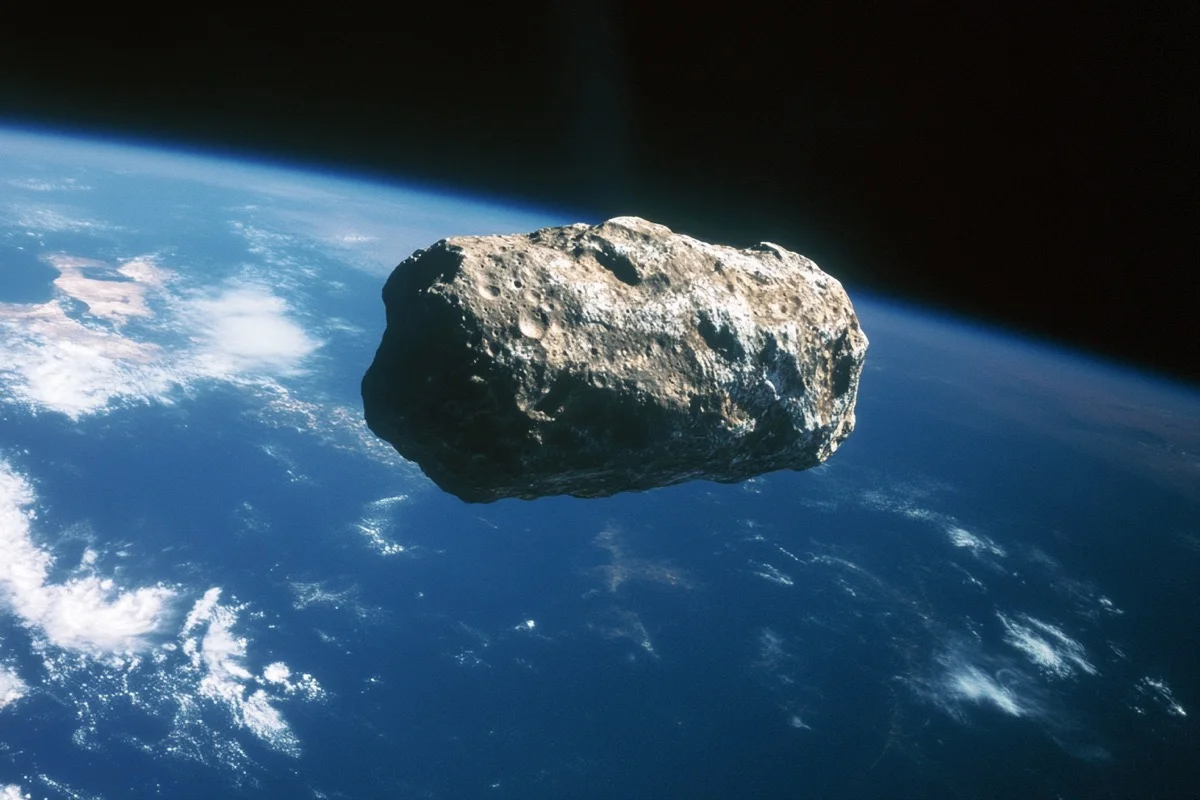
An ~2-meter asteroid named 2025 TF passed Antarctica at about 428 km altitude—too close to be safe and unseen until after it already flew by. The event underscores how detection of tiny near-Earth objects has surged (ATLAS and bigger datasets since 2000–07 vs 2017–26) but also reveals blind spots, as larger 200-meter rock 2025 FA22 was only spotted six months before a close approach. Rubin Observatory and NASA’s space-based NEO Surveyor (targeted for 2027) aim to close these gaps, improving lead times for potential deflections in the future.
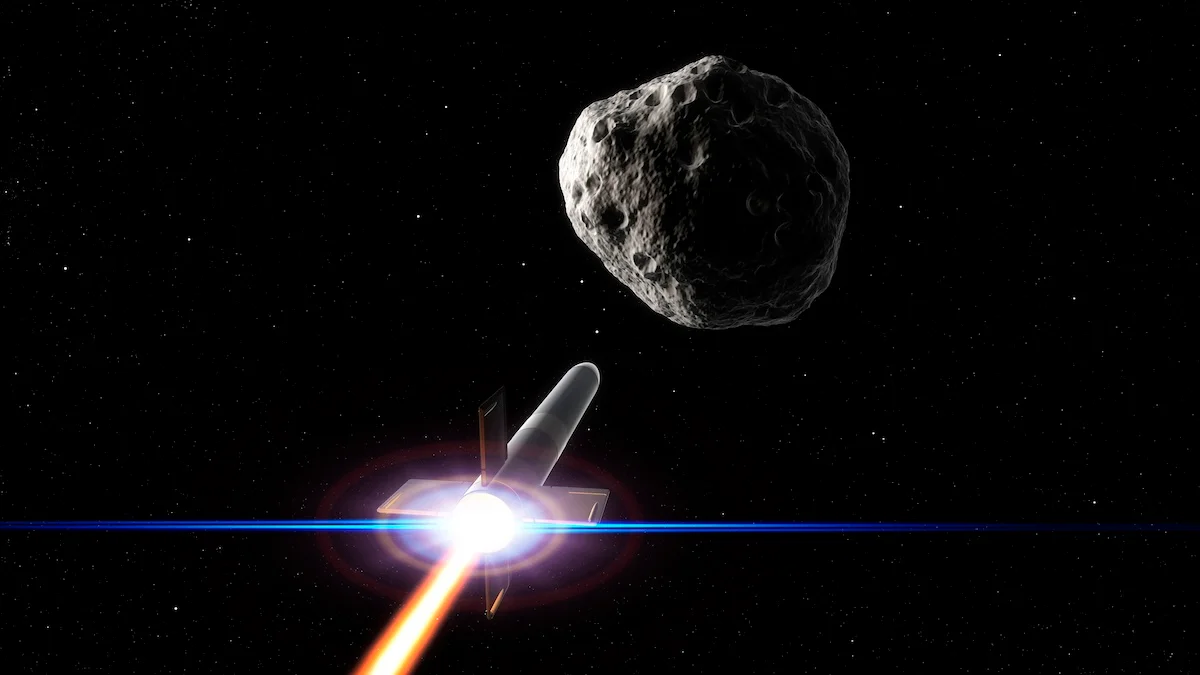
A new Nature Communications study suggests a nuclear deflection could be a viable last-resort method to steer an Earthbound asteroid, because iron rocks can strengthen under extreme stress and dissipate energy in real time. Experiments at CERN’s HiRadMat irradiated a Campo del Cielo meteorite sample, revealing non-destructive, real-time deformation including strain-rate dependent damping, which helps explain why some models underestimate asteroid resistance. The work emphasizes that deflection strategies must depend on asteroid composition and may favor a stand-off nuclear detonation near the surface over a direct blast, with more research needed across different asteroid types.
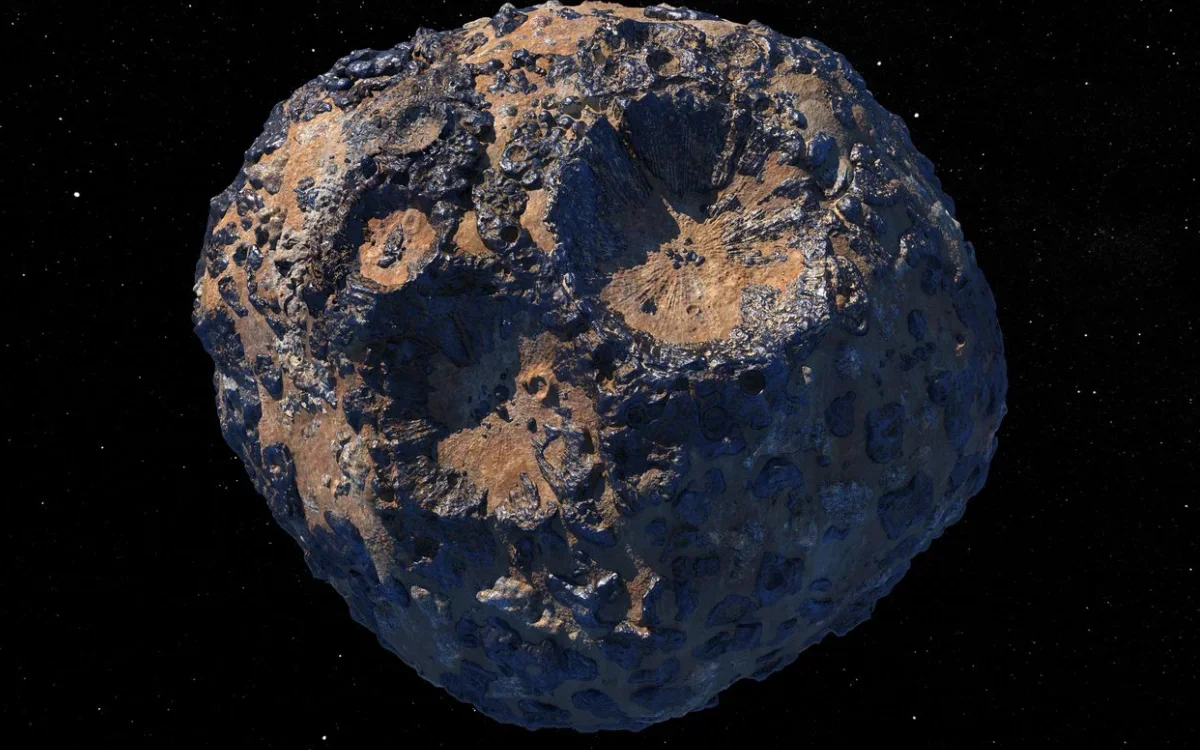
Astronomers spotlight the 16 Psyche asteroid—potentially metal-rich and worth about $10 quintillion—enough to theoretically make every person on Earth a billionaire if mined and shared; NASA’s Psyche mission, launched in 2023, aims to study whether it’s the core of a protoplanet, with arrival planned for 2029, but actual mining and wealth distribution remain speculative and not currently feasible.
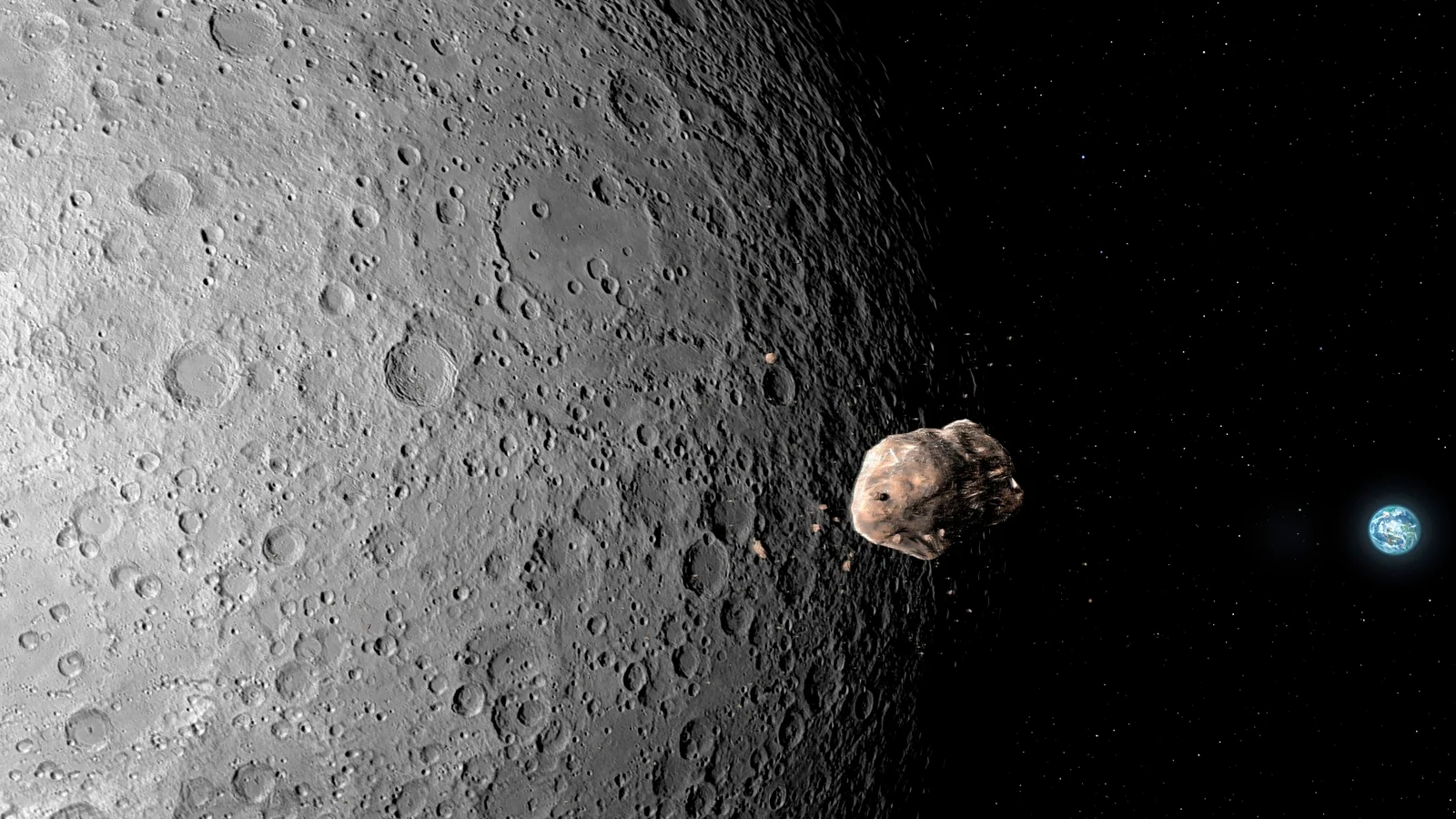
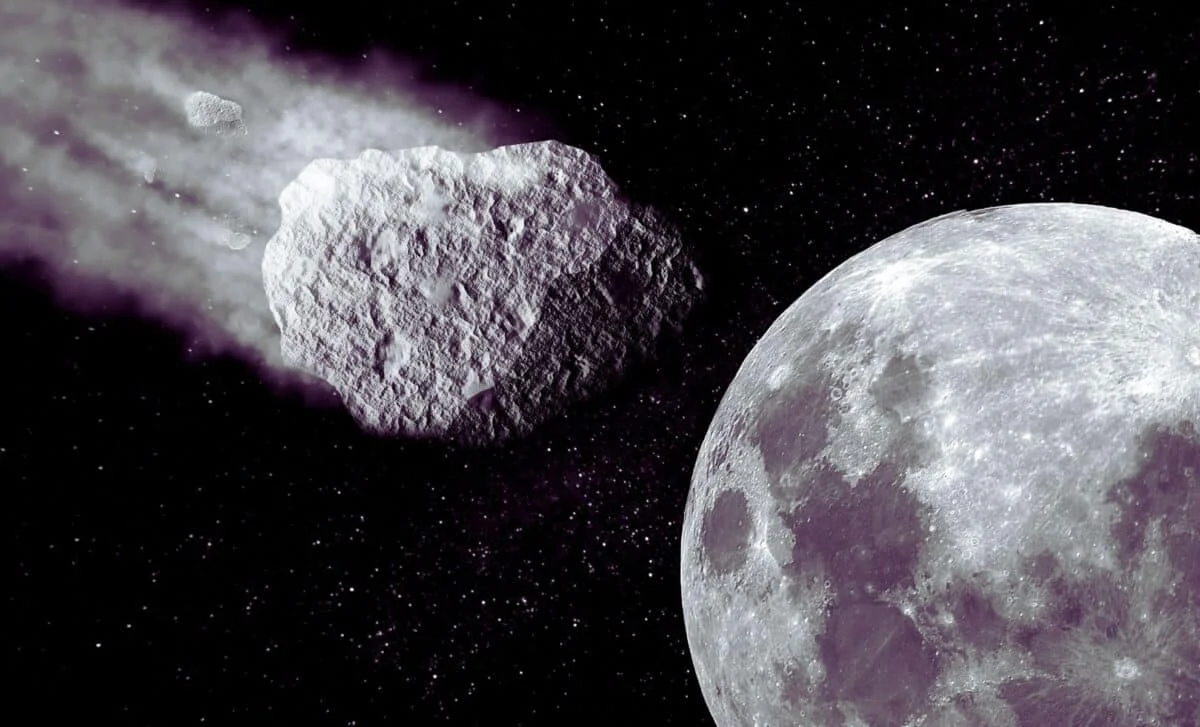
A new arXiv preprint reports that asteroid 2024 YR4, about 60 meters across, has a 4.3% chance of striking the Moon in 2032. Using 10,000 simulated trajectories, researchers map a ~3,000 km impact corridor just north of Tycho crater. The impact could unleash about 6.5 megatons of TNT energy, producing a Venus-bright flash (-2.5 to -3 magnitude) lasting 3–5 minutes and visible from Earth under favorable lighting, with a minority (about 2.85%) of flashes observable from our side of the Moon’s illuminated face. The event could eject up to 100 million kilograms of lunar rocks toward Earth, potentially triggering thousands of secondary flashes and “super meteor storms” over days to weeks. The findings are not yet peer‑reviewed.
The world's largest camera has detected the fastest-spinning asteroid with a diameter of over 0.3 miles, highlighting advancements in space observation technology.
Scientists using the Vera C. Rubin Observatory discovered the record-breaking asteroid 2025 MN45, which is over 700 meters wide and spins faster than any known asteroid of its size, providing new insights into asteroid composition and the early solar system.
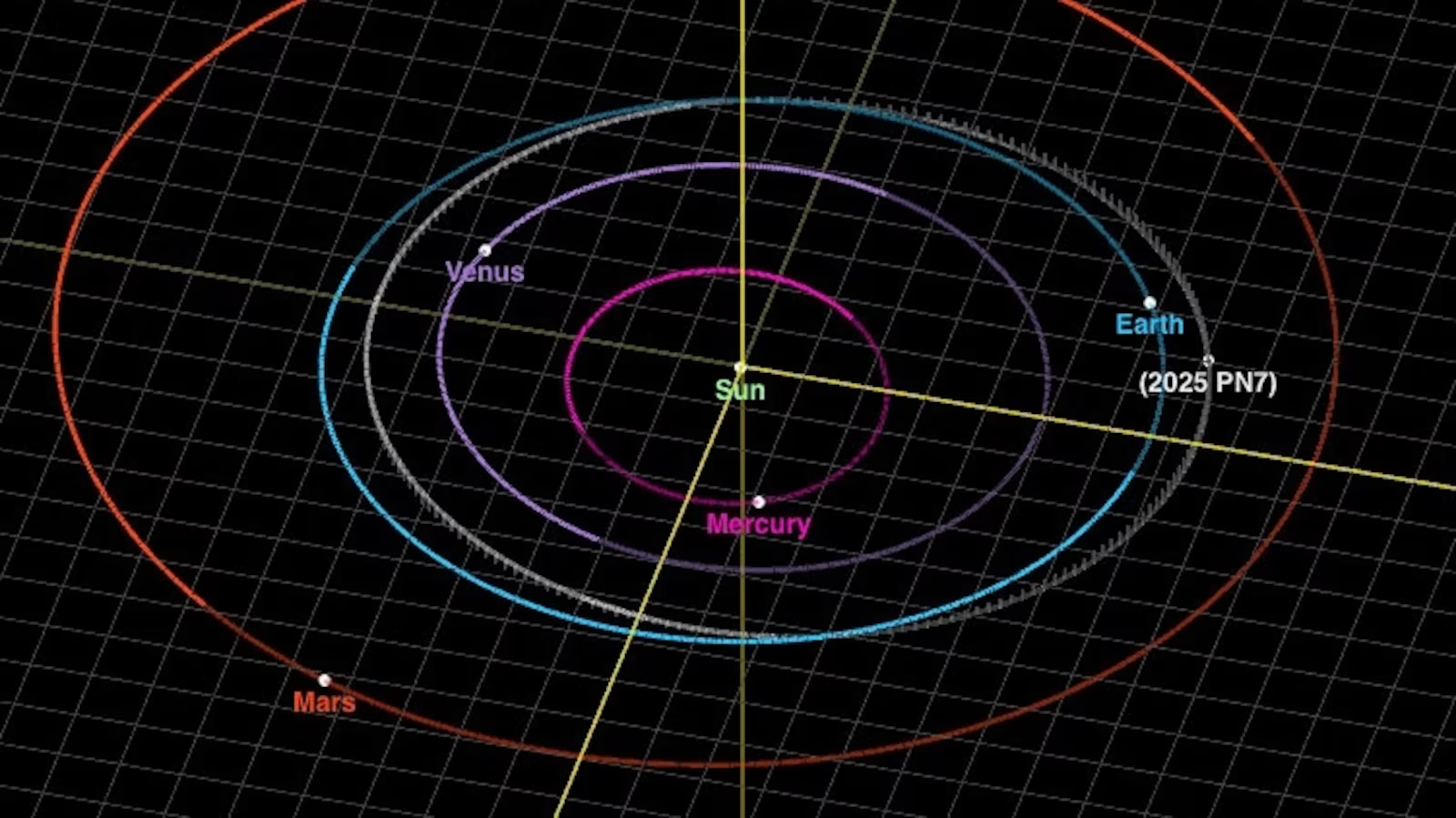
NASA has confirmed the discovery of a new quasi-satellite asteroid, 2025 PN7, which will stay in a near-synchronous orbit with Earth until the early 2080s, acting as a temporary 'mini-moon' without being gravitationally bound.
Recent observations of interstellar object 3I/ATLAS reveal unexpected behaviors that challenge current models, highlighting the need for cautious reassessment of planetary defense strategies ahead of Apophis's close Earth flyby in 2029, as its behavior could be more unpredictable than previously thought.
An Australian company, HEO Robotics, plans to use a dying satellite to photograph the asteroid Apophis during its close approach to Earth in 2029, joining international efforts to study this rare event, which offers a unique opportunity to understand asteroid behavior near Earth.
NASA has detected asteroid 2024 YR4, which poses a potential impact risk to the Moon in December 2032. While it does not threaten Earth, its possible lunar collision offers a rare scientific opportunity to study space object impacts on the Moon, informing planetary defense and lunar exploration efforts.
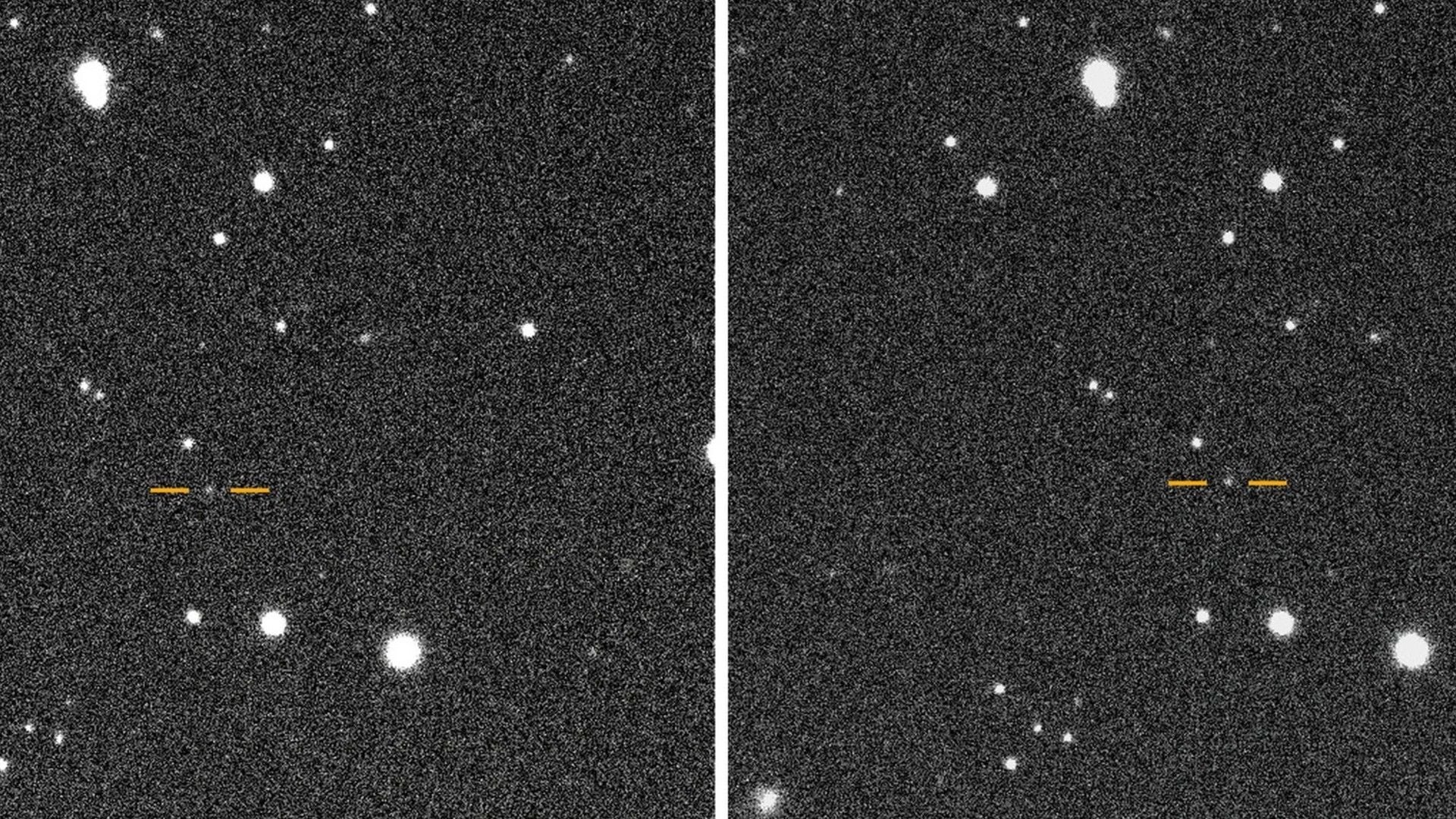
Astronomers have confirmed the discovery of Earth's seventh quasi-lunar moon, an asteroid named 2025 PN7, detected in August by the Hawaiian Pan-STARRS 1 telescope, which has been orbiting Earth since its discovery during the 1960s moon landing era planning.
Astronomers discovered the asteroid 2025 SC79, which orbits the sun within Venus's path in just 128 days, making it the second-fastest asteroid in the solar system. It was found hiding in the sun's glare and is about 700 meters long. The discovery highlights the importance of detecting twilight asteroids that could pose impact risks, with follow-up observations planned to study its composition and origin.
Astronomers have identified an asteroid, 2025 PN7, that will act as a quasi-moon for Earth until 2083, sharing a similar orbit but not actually orbiting the planet, and this phenomenon is part of ongoing discoveries about small objects in our solar system.
Astronomers have discovered a small quasi-moon near Earth, named 2025 PN7, which has likely been in Earth's vicinity for about 60 years. This tiny asteroid, estimated to be around 98 feet across, follows an orbit that brings it close to Earth periodically, but it remains challenging to observe due to its size and faintness. The discovery highlights the potential for more such objects and the importance of studying them to understand our solar system better.