spaceflight4.955 min read
Boeing and NASA Delay Starliner Launch Again
1 year ago•Source: Spaceflight Now

The latest spaceflight stories, summarized by AI
SpaceX successfully launched the Starlink 6-60 mission on May 28, 2024, after a Memorial Day scrub, adding 23 more satellites to its internet constellation. The Falcon 9 rocket, using booster B1078 for its 10th flight, lifted off from Cape Canaveral and landed on the droneship 'A Shortfall of Gravitas.' This marks SpaceX's 55th Falcon 9 launch of the year, with the company aiming for up to 14 launches in May and potentially 135 by year-end.
Space.com•2 years ago
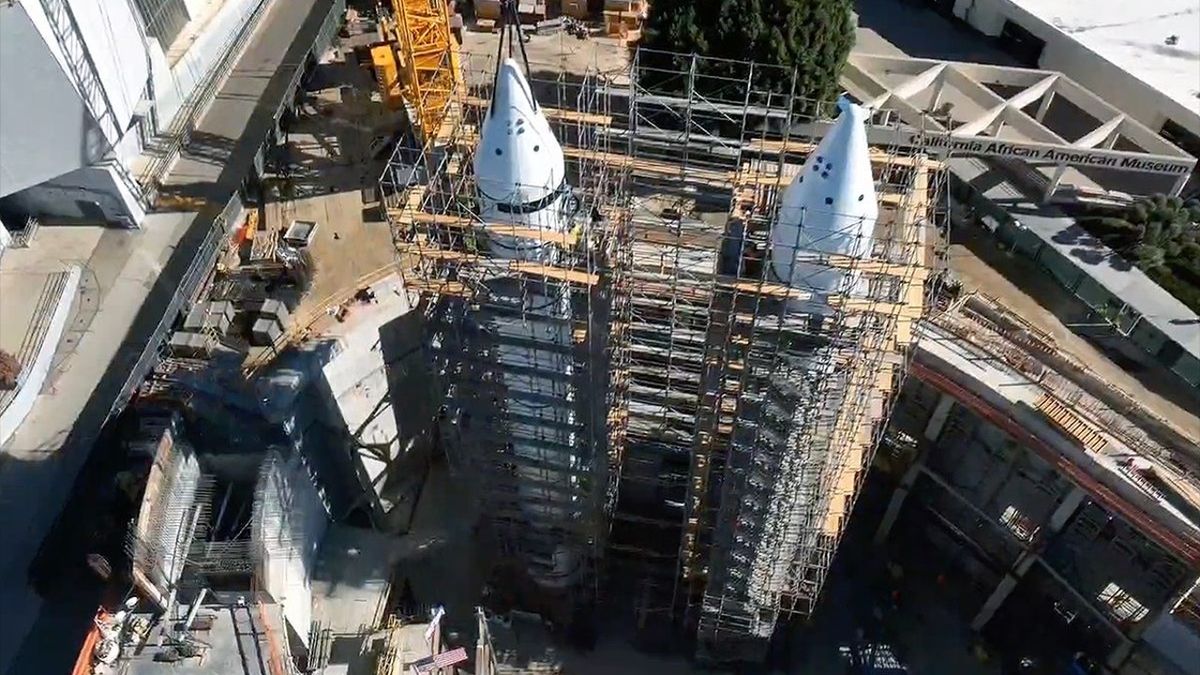
The California Science Center has completed the first major components for the vertical exhibit of NASA's retired space shuttle Endeavour by adding two nose cones to the solid rocket boosters (SRBs). The 27-foot-tall assemblies, weighing 10,000 pounds each, were raised and secured onto the boosters, which were previously hoisted into place. These SRBs, assembled from flight-worthy or previously launched parts, will be mated with NASA's last-remaining space shuttle external tank early next year. Endeavour's current exhibit will be closed to the public on January 1, 2024, in preparation for its move to the Samuel Oschin Air and Space Center site.

A report by the nonprofit Rand Corp. suggests the need for a Space Rescue Service to be deployed in low Earth orbit or even at the moon to assist astronauts or tourists in emergency situations. While there are challenges to be addressed, such as funding and international treaties, the service would fill a crucial gap in space exploration as the number of people flying in space increases. Currently, there is no emergency-rescue system for space, and the report proposes looking at examples like the International Submarine Escape and Rescue Liaison Office and NASA's Planetary Defense Coordination Office for inspiration. The first steps toward a Space Rescue Service could involve discussions at space conferences and the standardization of docking ports to facilitate spacecraft servicing in space.
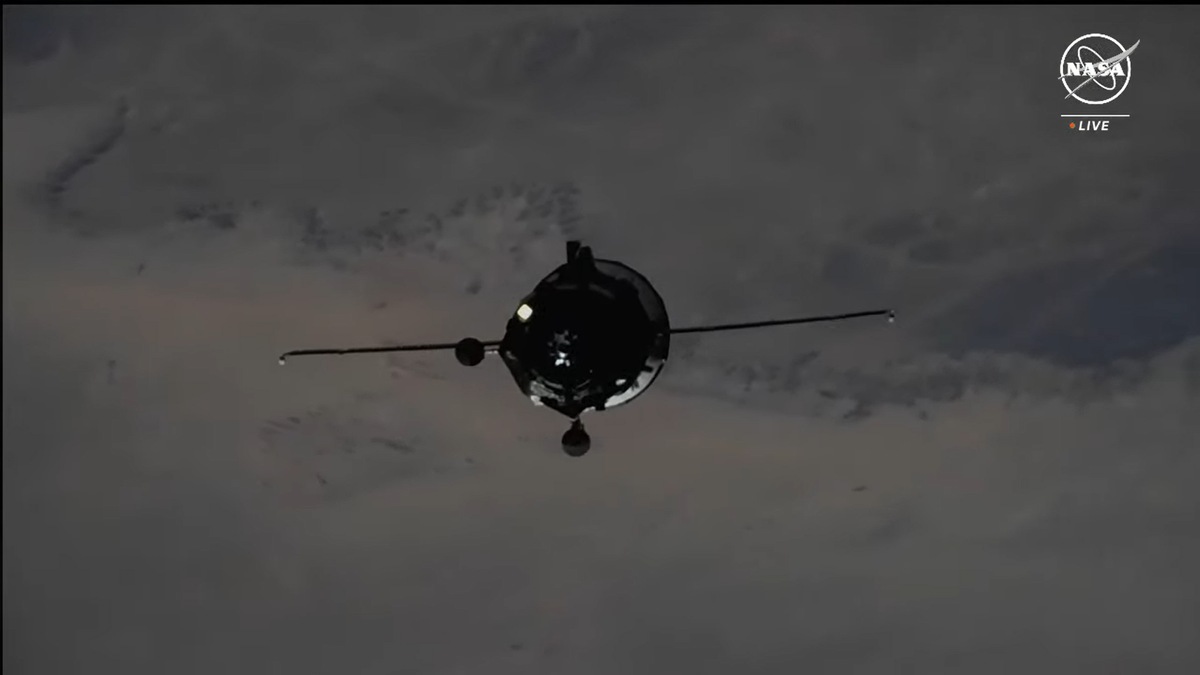
Russian cosmonauts on the International Space Station (ISS) manually docked the Russian Progress cargo ship, Progress 86, after its automated rendezvous system experienced a glitch. Using a remote control system called TORU, cosmonaut Oleg Kononenko took control of the cargo ship and successfully docked it with the ISS. The cargo ship was carrying 5,600 pounds of supplies for the crewmembers on the station.
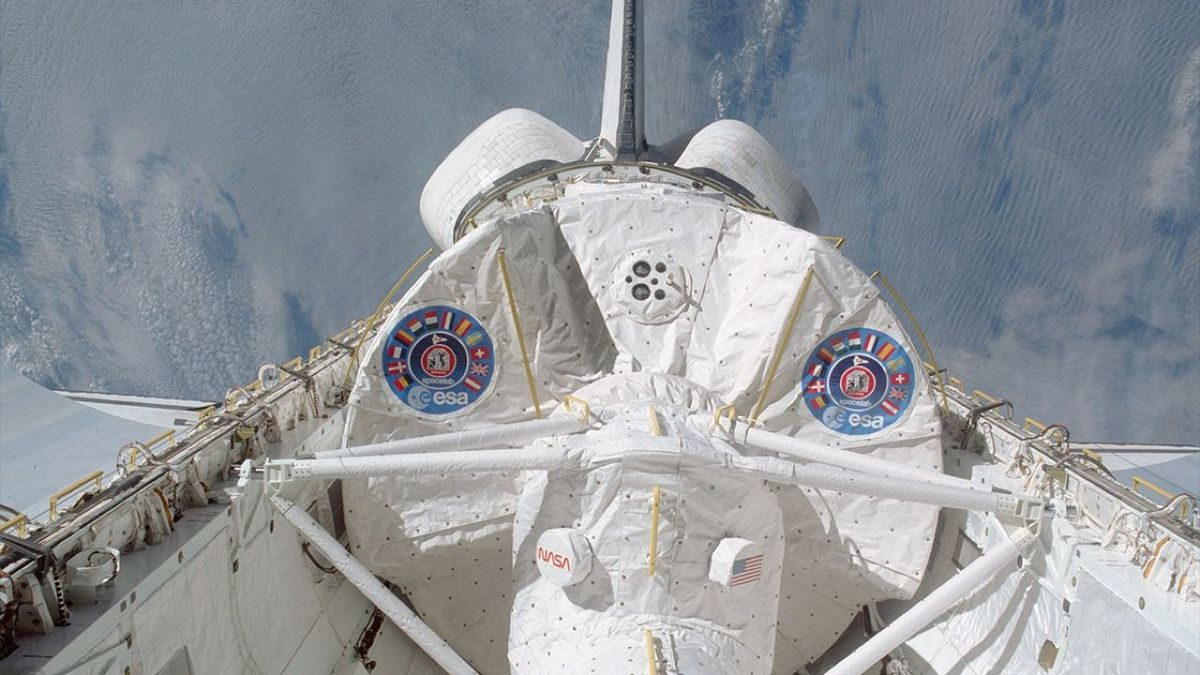
Europe's legacy of space modules, starting with the launch of Spacelab in 1983, continues with the development of I-Hab, an element of the Artemis Gateway station that will be deployed in lunar orbit. The hardware for these modules is built and assembled in Europe, with pressure shells still being machined in Turin, Italy, and integration work done in Bremen, Germany. I-Hab will serve as living quarters for crews of four aboard the Gateway and is designed to be smaller and stronger than previous European modules. It will have a "shirtsleeves" working environment and a design lifetime of 15 years. Additionally, plans are underway to deploy Spacelab-size modules on the lunar surface for a future moon base.
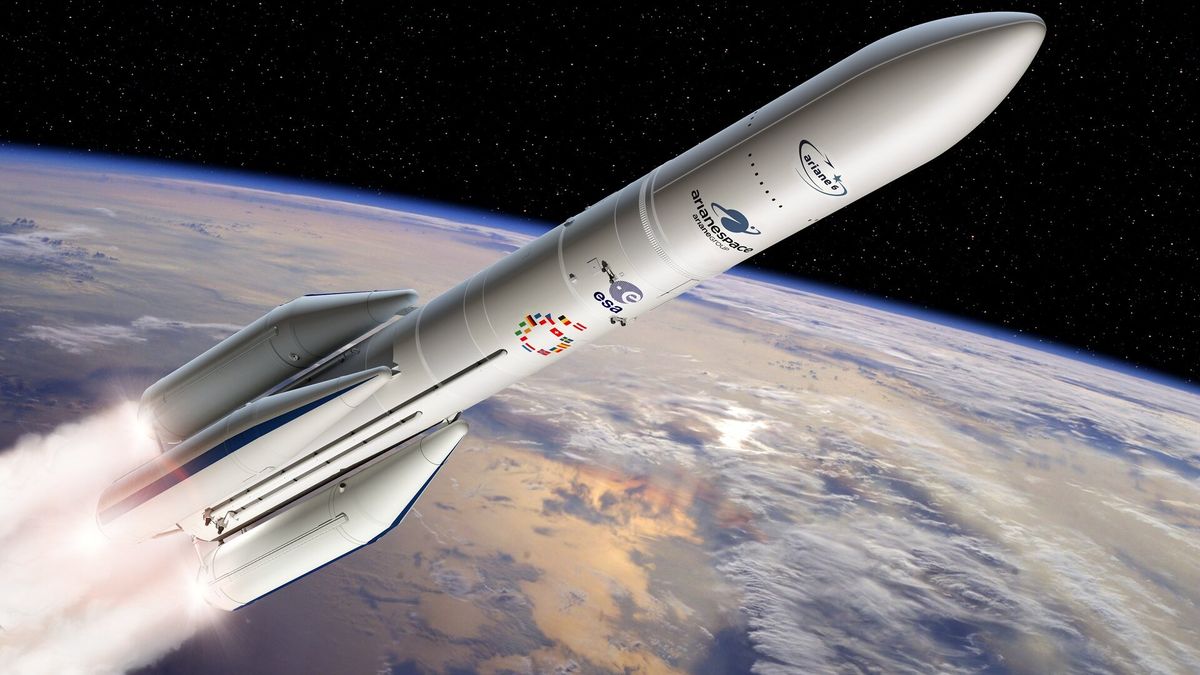
The European Space Agency's Ariane 6 rocket is set to make its debut mission in space no earlier than June 15, 2024. The rocket will carry a set of small satellites, including two from NASA. After four years of delays, progress is accelerating, with a successful hotfire test recently completed. Europe has emphasized the need for independent launching access to space, and the Ariane 6 rocket aims to meet the new generation of launching needs by lowering costs and launching more satellites to different orbits at once. The rocket's launch date is subject to potential delays due to the complexities of rocket science.
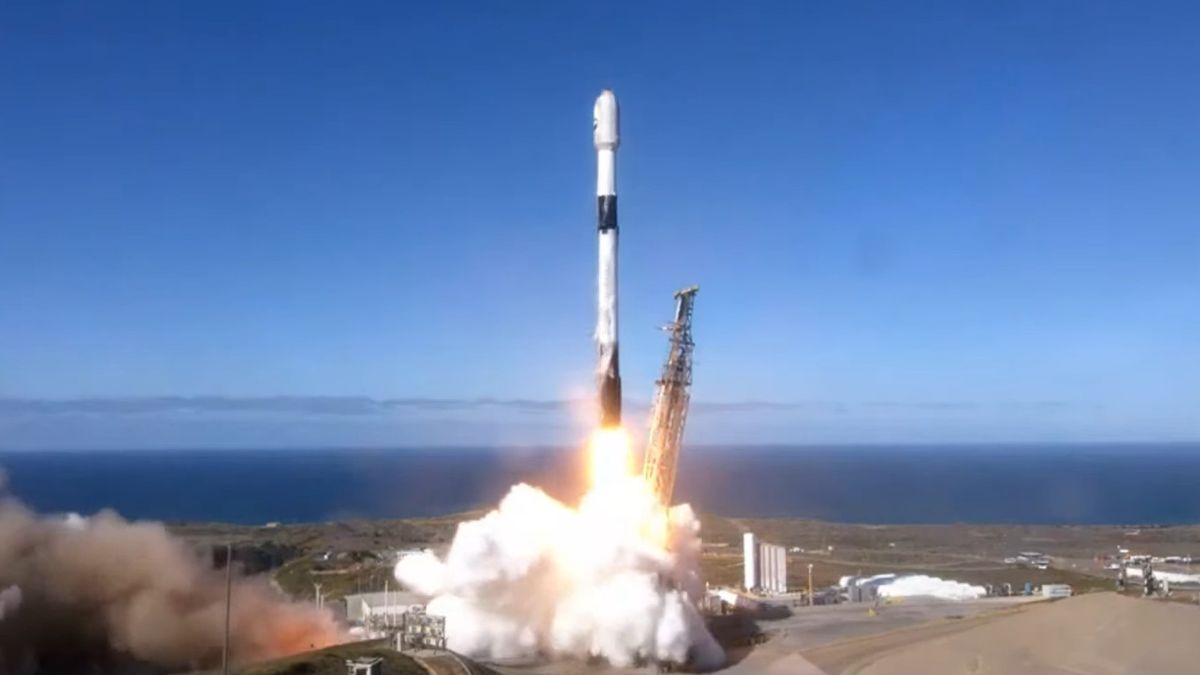
SpaceX successfully launched Ireland's first satellite, EIRSAT-1, and a South Korean reconnaissance satellite as part of a mission that included a total of 25 satellites. The Falcon 9 rocket, which marked SpaceX's 250th successful recovery of an orbital class rocket, lifted off from Vandenberg Space Force Base in California. The first stage of the rocket landed at Landing Zone 4 at Vandenberg. The South Korean satellite, called 425 Project EO/IR, is part of a set of five that SpaceX has been contracted to launch by 2025. EIRSAT-1, built by students from University College Dublin, carries payloads including a gamma ray detector and an evaluation of protective coatings.
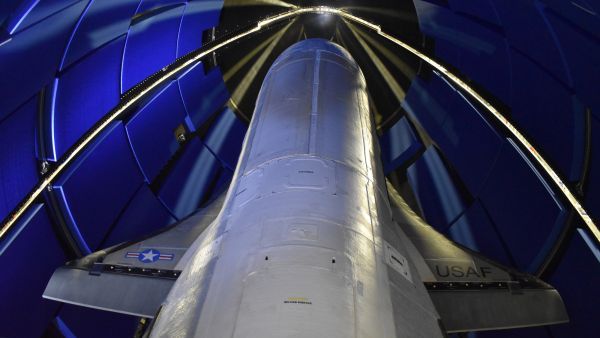
The US Space Force has postponed the launch of its secretive X-37B space plane, designated USSF-52, to December 10. The mission was originally scheduled for December 7 but was delayed due to shifting launch schedules and availability at Launch Complex-39A. This will be the first launch of the X-37B on a SpaceX Falcon Heavy rocket, which has implications for its secretive mission. The spacecraft's objectives include operating in new orbital regimes and experimenting with space domain awareness technologies. The Falcon Heavy rocket can carry heavier payloads into higher orbits, potentially launching the X-37B farther into space than ever before.
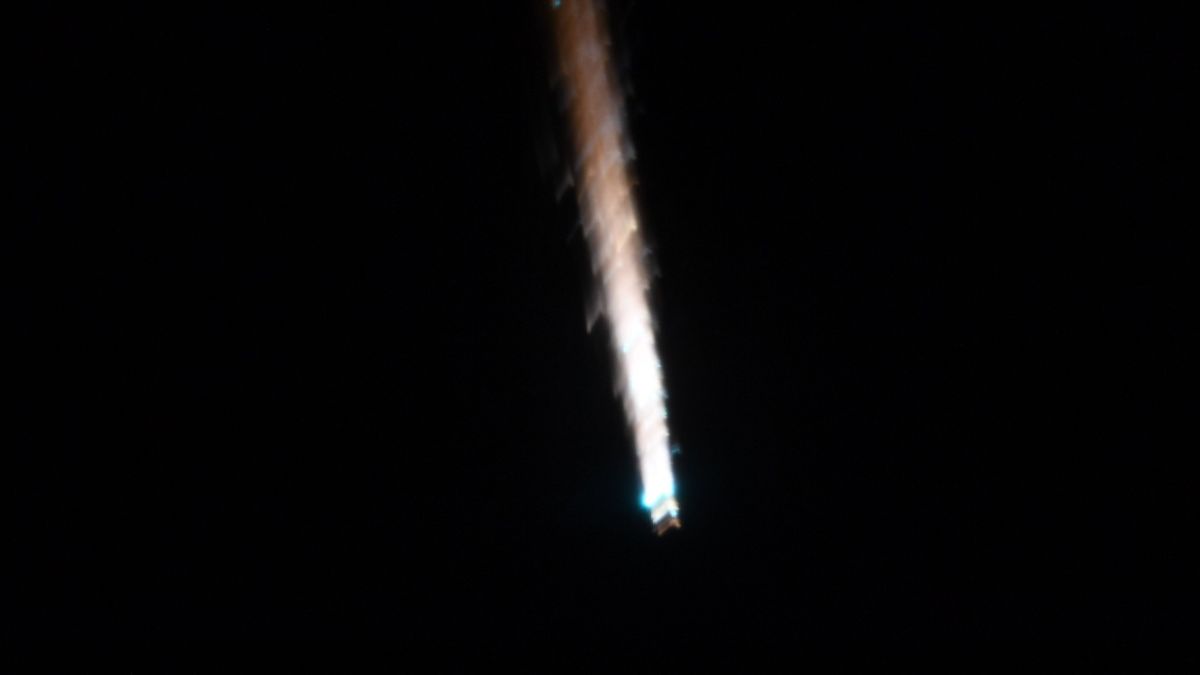
Astronauts aboard the International Space Station witnessed the Russian Progress MS-23 cargo ship burning up in Earth's atmosphere after it departed from the ISS carrying old equipment and household waste. NASA astronaut Jasmin Moghbeli captured incredible photographs of the reentry, describing it as resembling fireworks. While most of the spacecraft and its contents were incinerated, some material made its way into the Pacific Ocean. This fiery reentry is a standard practice for non-reusable cargo craft, with the Russian Progress and Northrop Grumman's Cygnus vehicles routinely disposed of in the atmosphere. SpaceX's Dragon capsule, on the other hand, is able to return home for safe splashdowns and future reuse. Another Progress spacecraft is set to launch on December 1st, carrying supplies for the astronauts and cosmonauts aboard the ISS.

The crew of the Artemis 2 moon mission, including the first Black person to leave low Earth orbit, the first woman, and the first non-American, signed their names on the adapter for their Orion spacecraft, which will be mounted on top of the Space Launch System (SLS) rocket. The adapter will serve as a barrier to prevent gases from entering the spacecraft during launch. The crew has been undergoing training and formulating procedures for the mission, which is set to launch in late 2024.
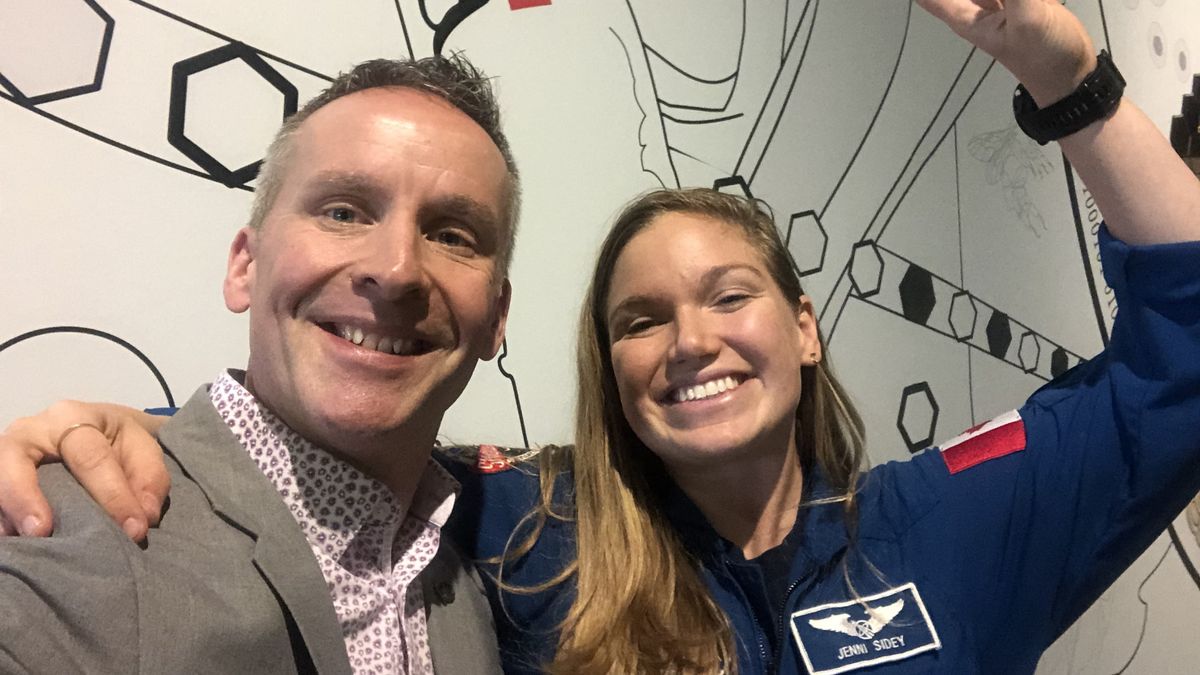
Canadian astronauts Jenni Gibbons and Josh Kurtryk have been assigned to upcoming space missions, marking a significant milestone for the Canadian Space Agency (CSA). Kurtryk will fly aboard Boeing's Starliner-1 spacecraft in 2025, becoming the first CSA astronaut to fly aboard a U.S. commercial spacecraft. Gibbons will serve as a backup for the Artemis 2 moon mission, supporting the mission and participating in ground operations. These missions highlight Canada's growing role in space exploration and its contributions to the International Space Station and future lunar missions.