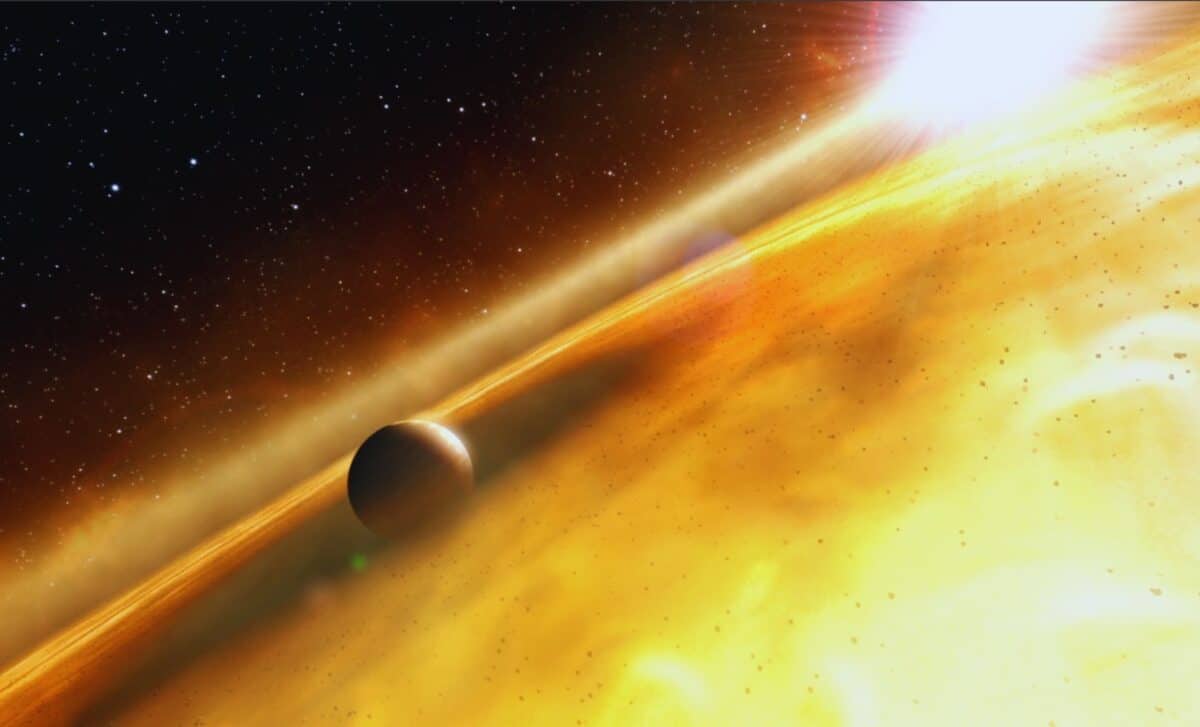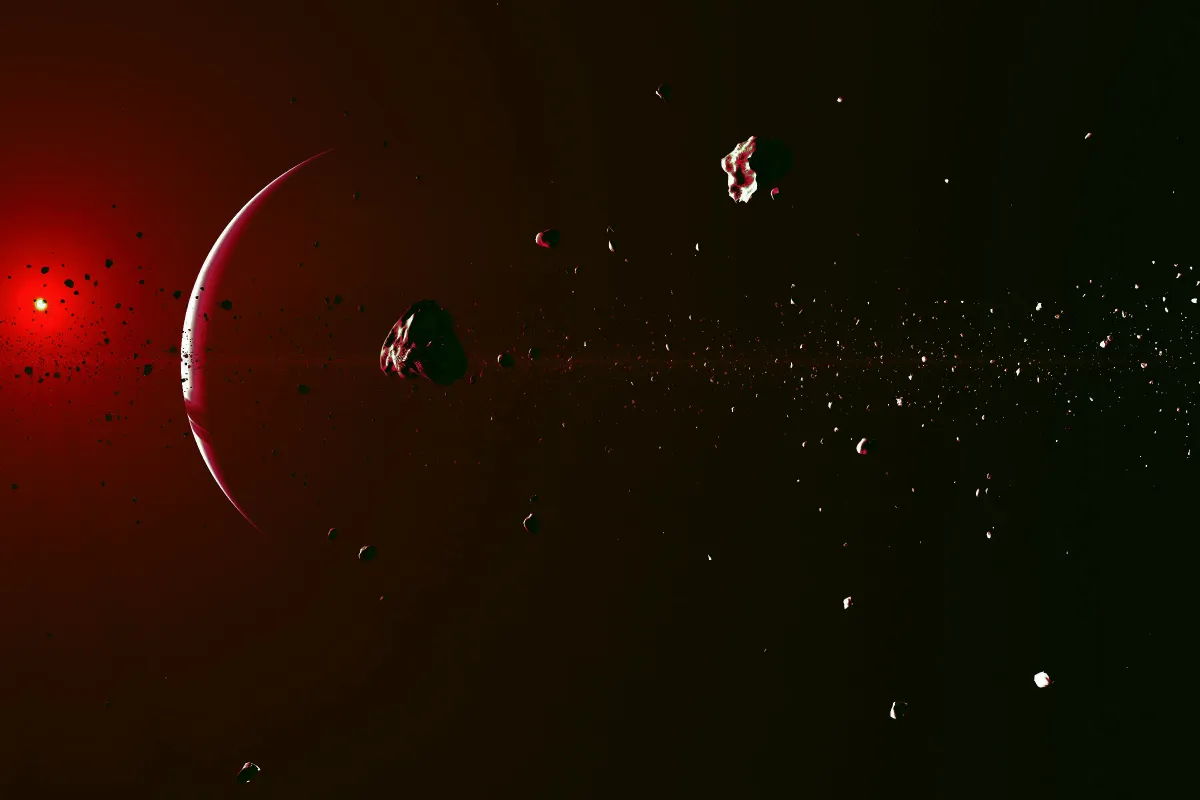
Astronomers observed what they thought was a planet around star Fomalhaut, but it vanished due to a collision between asteroid-sized bodies, creating a debris cloud. A second similar object appeared nearby, indicating violent impacts rather than a new planet, challenging existing models of planetary formation and raising concerns for future exoplanet detection methods.
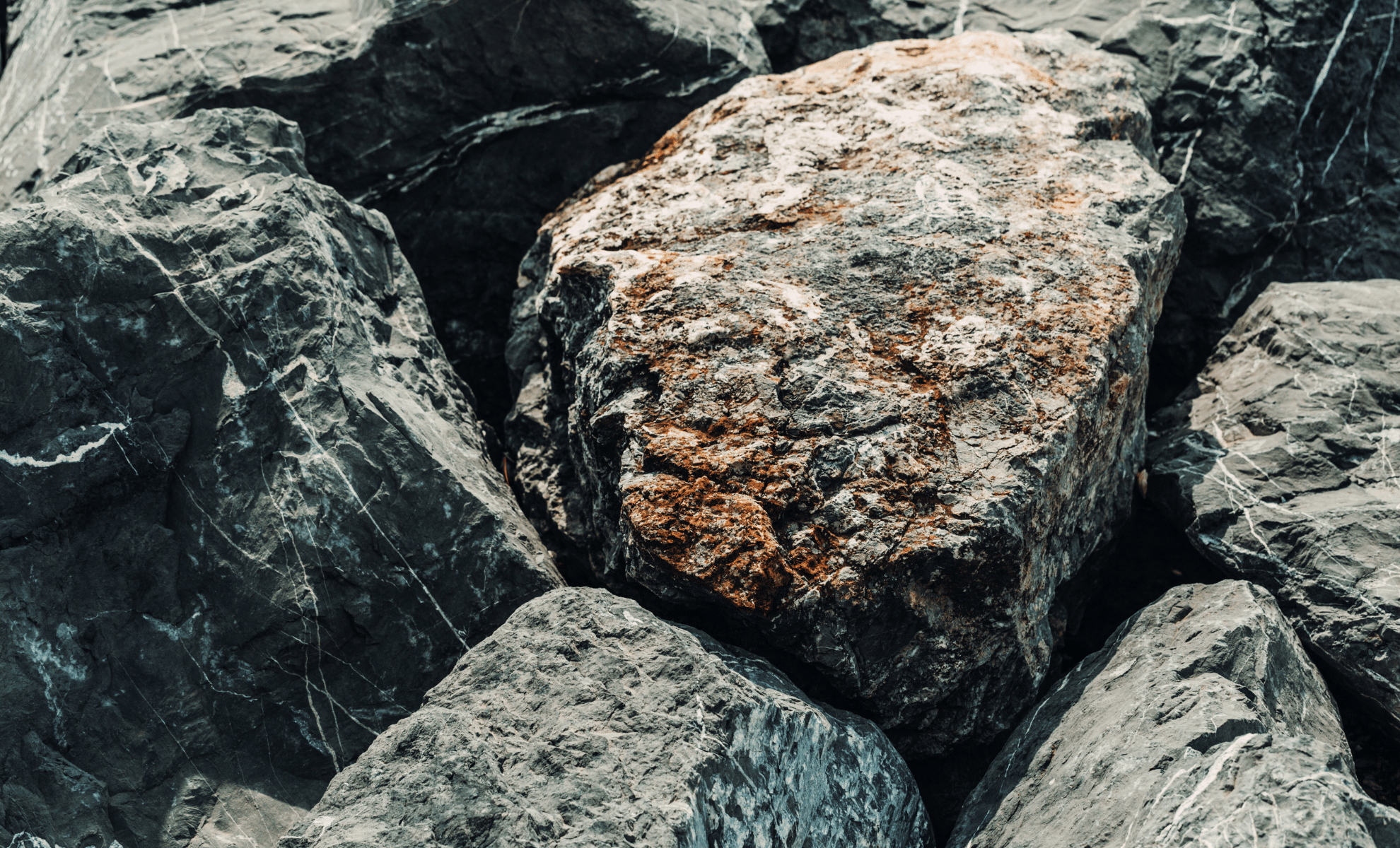
A study in Nature Communications reveals that Earth's oldest rocks, dating back 3.7 billion years, suggest that continental crust formation occurred much later than previously thought, around 3.5 billion years ago, and support the theory that Earth and the Moon share a common origin from the same primordial material, reinforcing the Giant Impact Hypothesis.
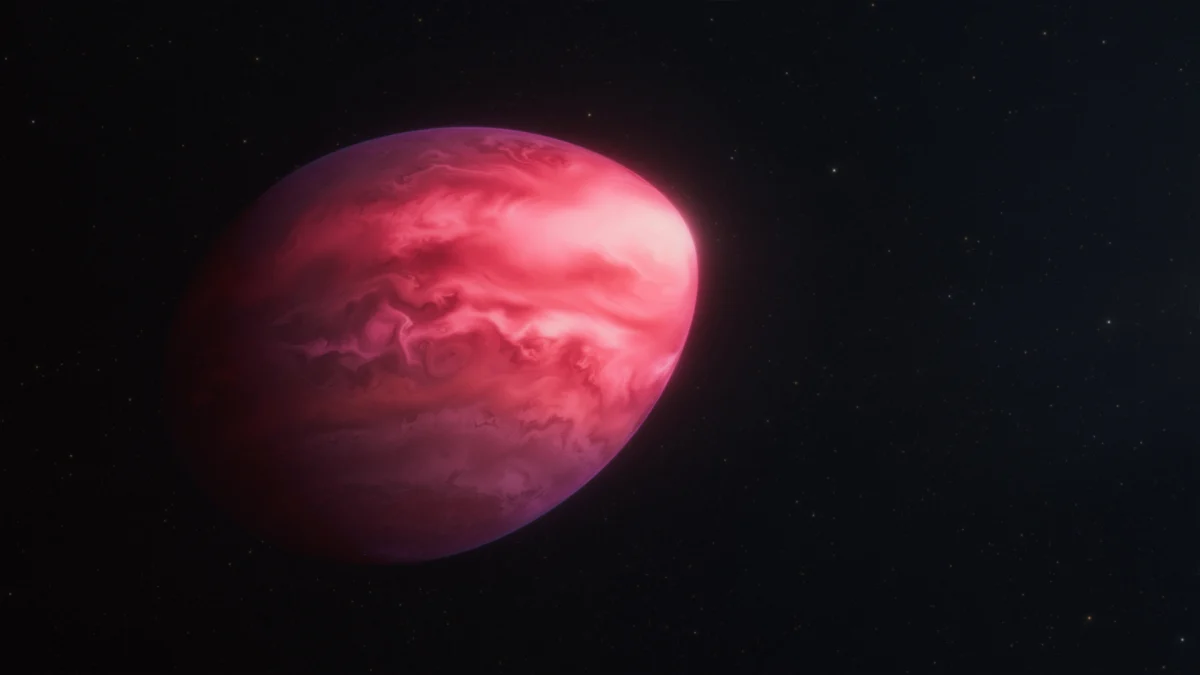
Astronomers using NASA's Webb Telescope discovered a lemon-shaped exoplanet, PSR J2322-2650 b, orbiting a pulsar with a unique helium-and-carbon atmosphere, challenging existing models of planetary formation and survival under extreme conditions.
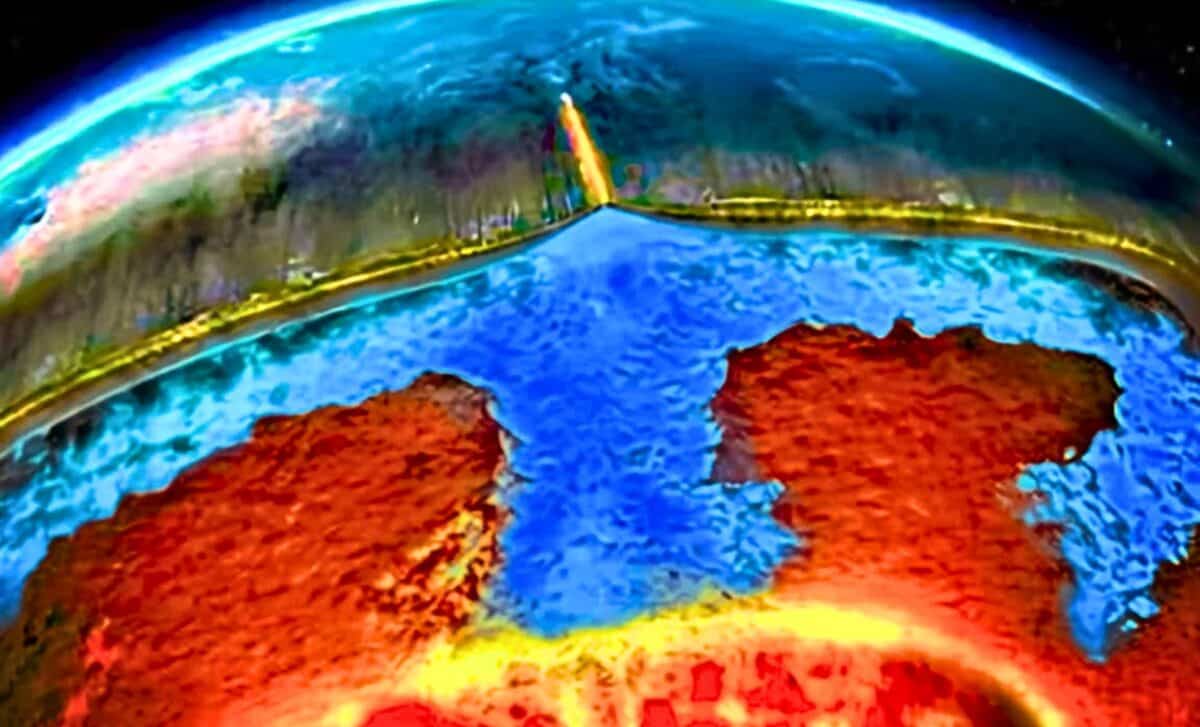
Scientists have discovered evidence suggesting that Earth's lower mantle may contain a massive, hidden water reservoir, potentially larger than all surface oceans combined, stored within mineral structures like bridgmanite, which could significantly impact our understanding of Earth's water cycle, planetary formation, and geological processes.
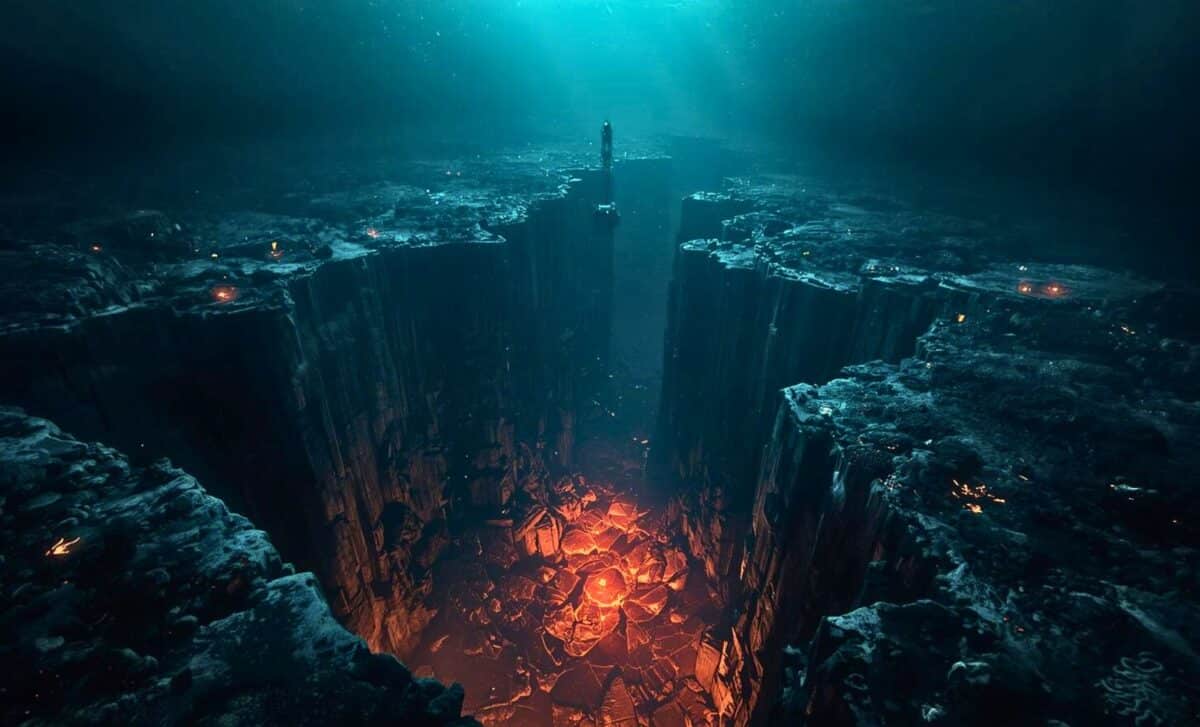
A new study suggests that the two massive structures beneath Earth's surface, known as LLSVPs, are remnants of the planet's early magma ocean, formed by chemical interactions with the core during Earth's formation, which could reshape our understanding of Earth's deep interior and its habitability.
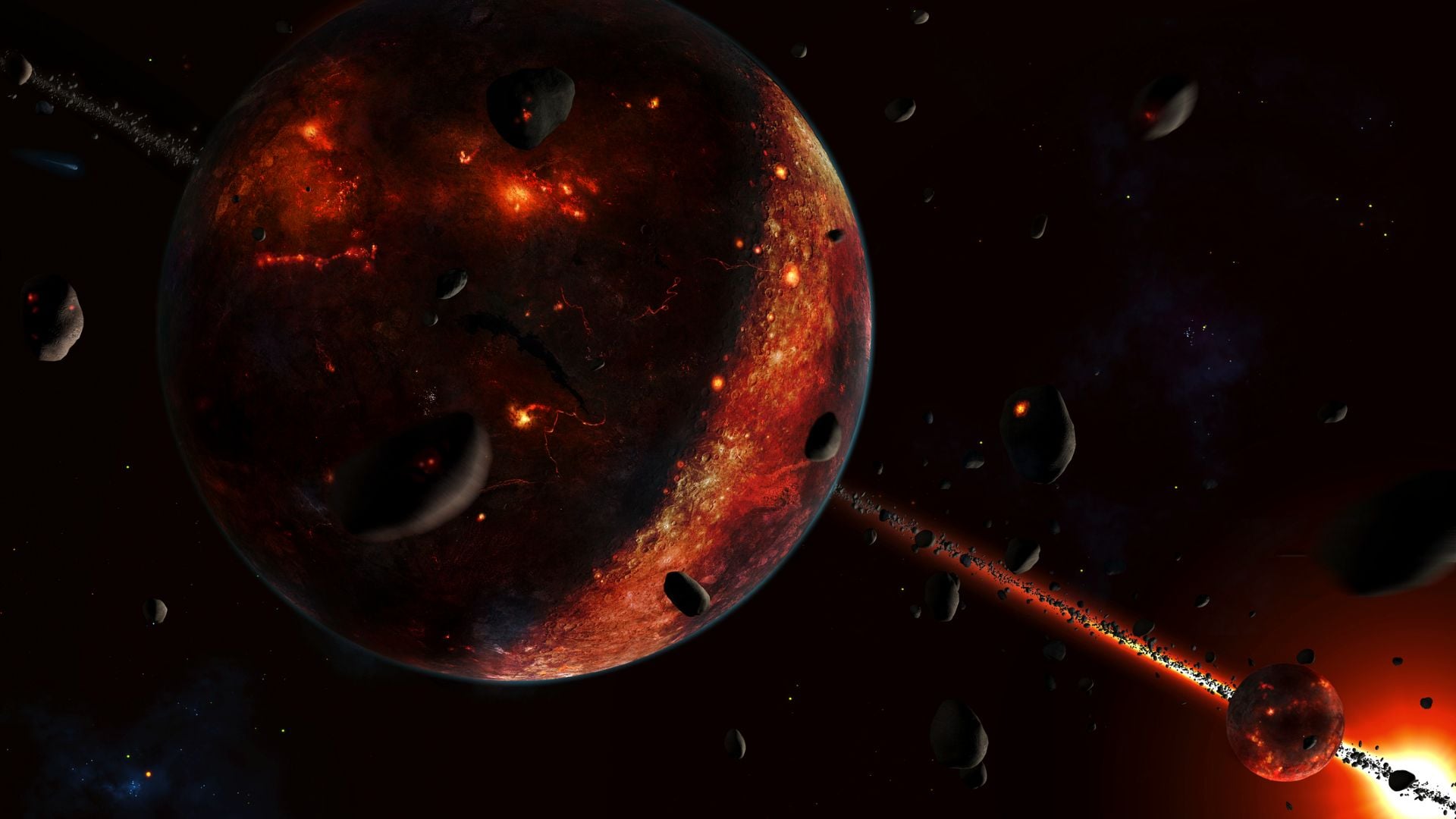
MIT researchers have discovered chemical remnants in meteorites and ancient rocks that provide the first tangible evidence of proto-Earth's original material, revealing insights into the planet's early composition before the giant impact that formed the Moon.
MIT researchers have discovered chemical remnants in ancient rocks and meteorites that suggest they contain traces of proto-Earth's original material, providing new insights into the planet's early composition and the impact that shaped its evolution.
Scientists have found the first direct evidence of material from the 4.5-billion-year-old proto-Earth, preserved deep within Earth's rocks, through subtle chemical clues like a deficit of potassium-40 isotopes, offering new insights into Earth's earliest building blocks and its formation history.
A rogue planet named Cha 1107-7626 is rapidly growing by consuming six billion tonnes of material per second, challenging traditional distinctions between planets and stars and suggesting that some planets may form through star-like processes. Advanced telescopes like the VLT and upcoming ELT are helping astronomers study these phenomena, which could reshape our understanding of planetary and stellar evolution.
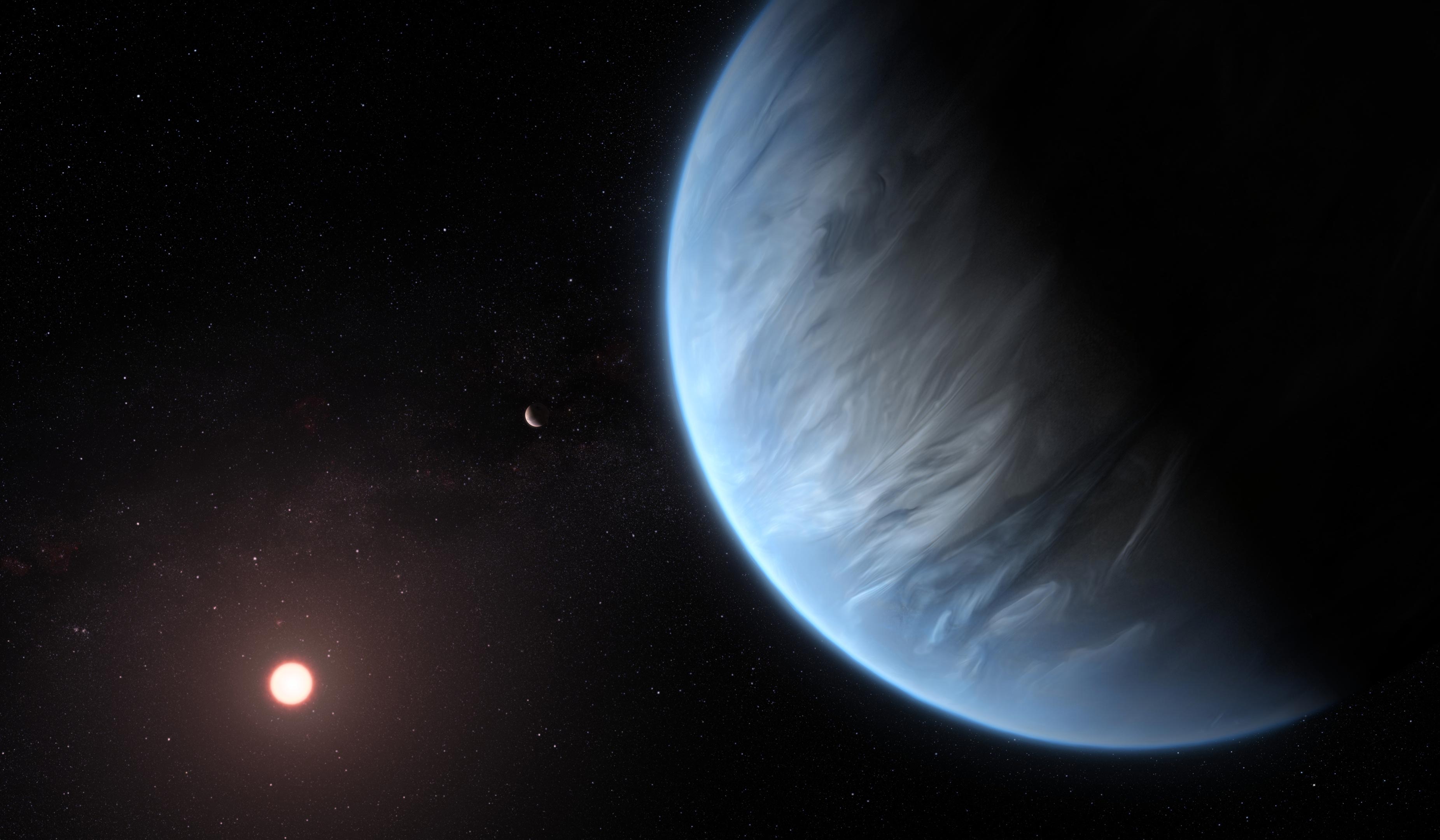
New research indicates that planets outside our solar system, including the exoplanet K2-18b, contain far less surface water than previously believed, challenging earlier theories of water-rich worlds and suggesting Earth may be more typical than extraordinary. The study highlights the importance of chemical interactions between planetary atmospheres and interiors in determining water content, which has implications for the search for extraterrestrial life.
A recent study using the James Webb Space Telescope revealed intense auroras and unique atmospheric features on the nearby rogue planet SIMP-0136, including thermal inversion and cloud composition of silicate grains, providing new insights into planetary atmospheres and rogue planet characteristics.
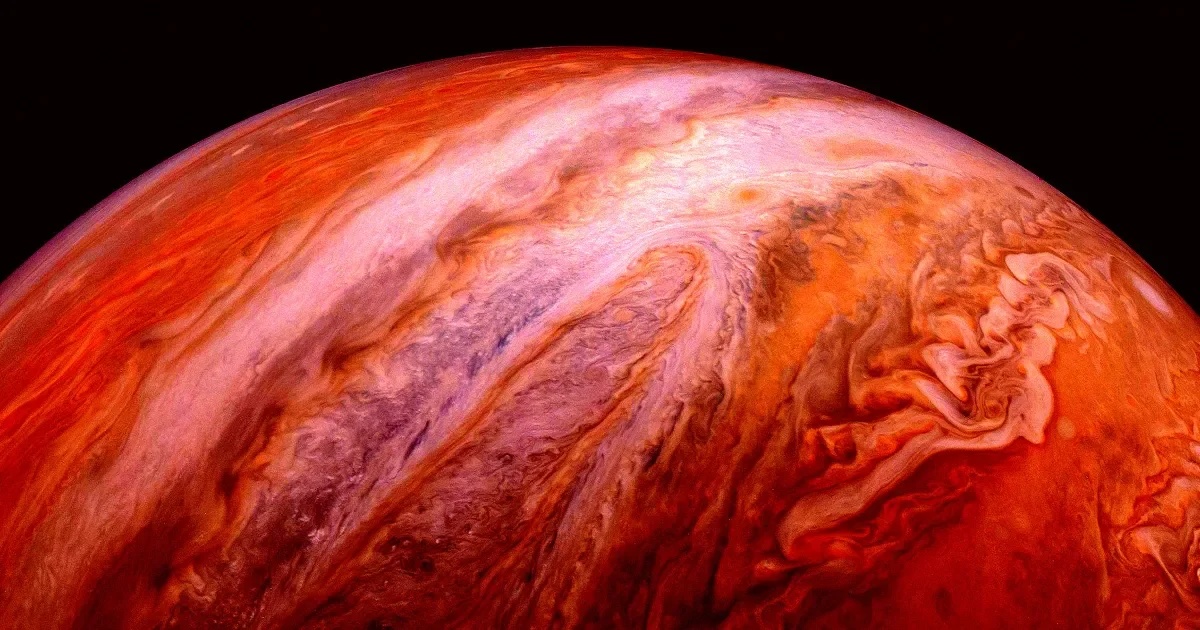
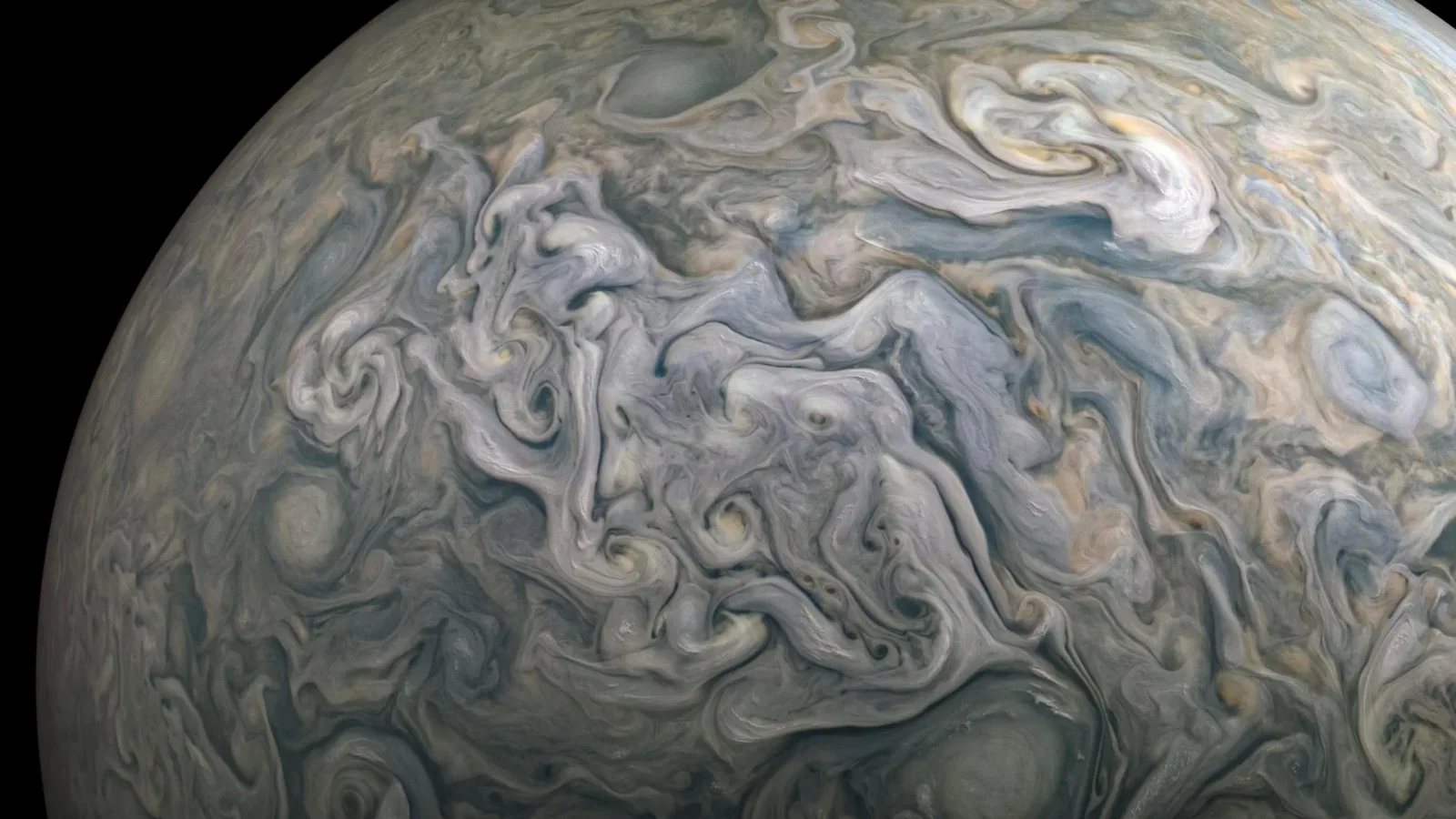
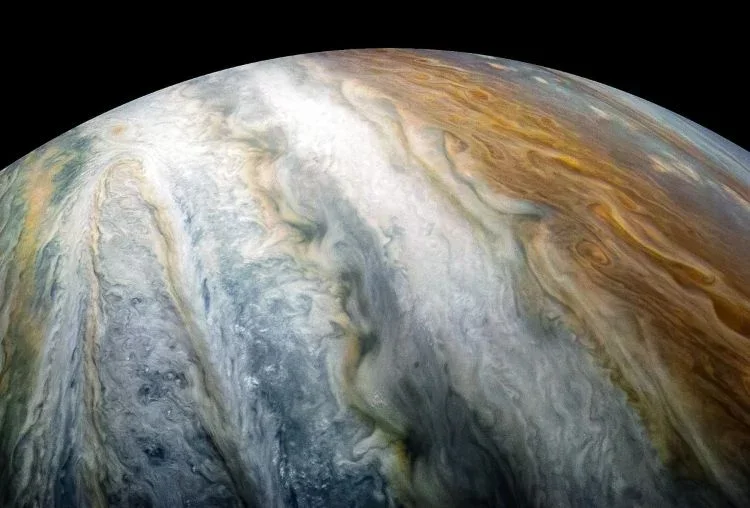
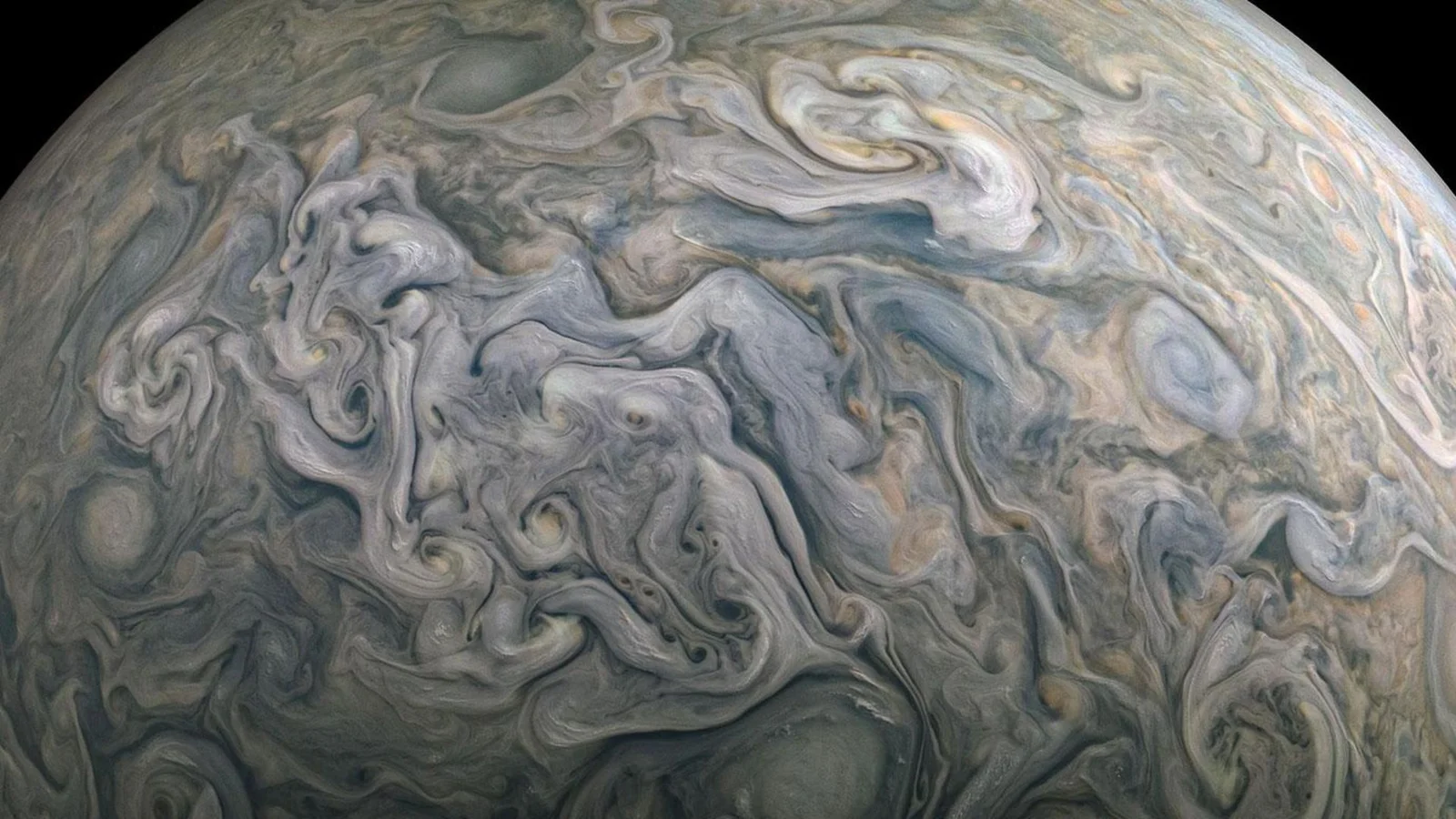
A new study suggests Jupiter is about 4.6 billion years old, with a more complex formation process involving chondrules, tiny molten droplets in meteorites, which serve as a timeline for planetary growth, challenging previous simpler models.
A new study suggests that water-rich sub-Neptune exoplanets are less common than previously thought due to chemical processes that destroy water, but Earthlike planets may be more prevalent, increasing the potential for life similar to Earth's in the universe.
New research using NASA's InSight seismic data reveals that Mars' mantle contains large, ancient fragments from its early, violent history, making its interior more chaotic and 'rocky road' like rather than layered, due to early impacts and magma ocean cooling.
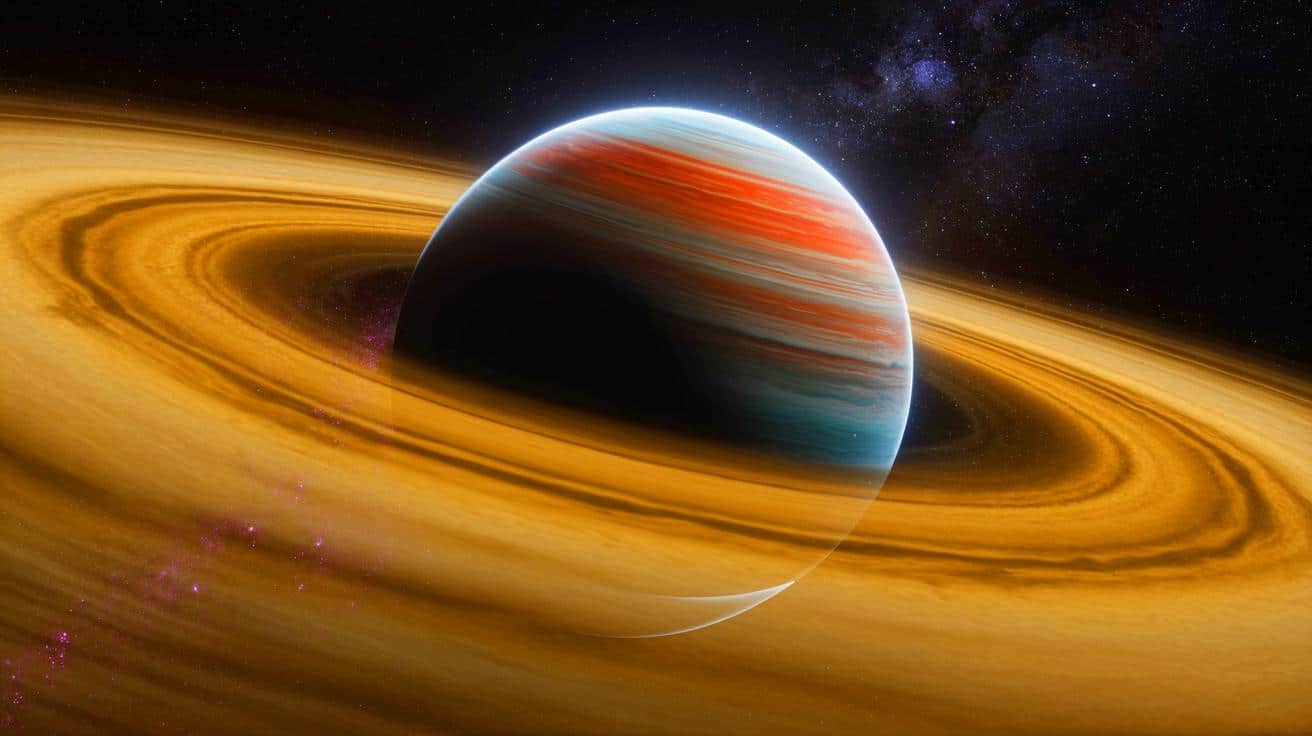
A new study challenges the idea that Jupiter's dilute core was formed by a massive impact, suggesting instead that it developed gradually during the planet's formation, a theory supported by similar structures observed in Saturn and implications for exoplanets.