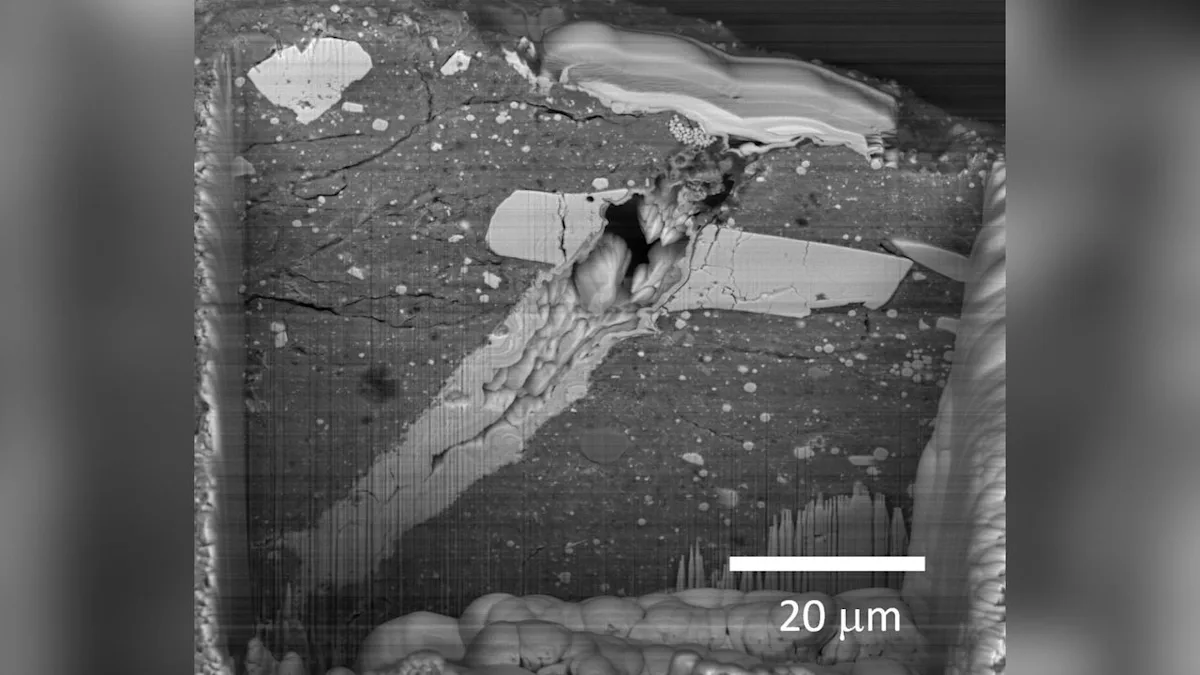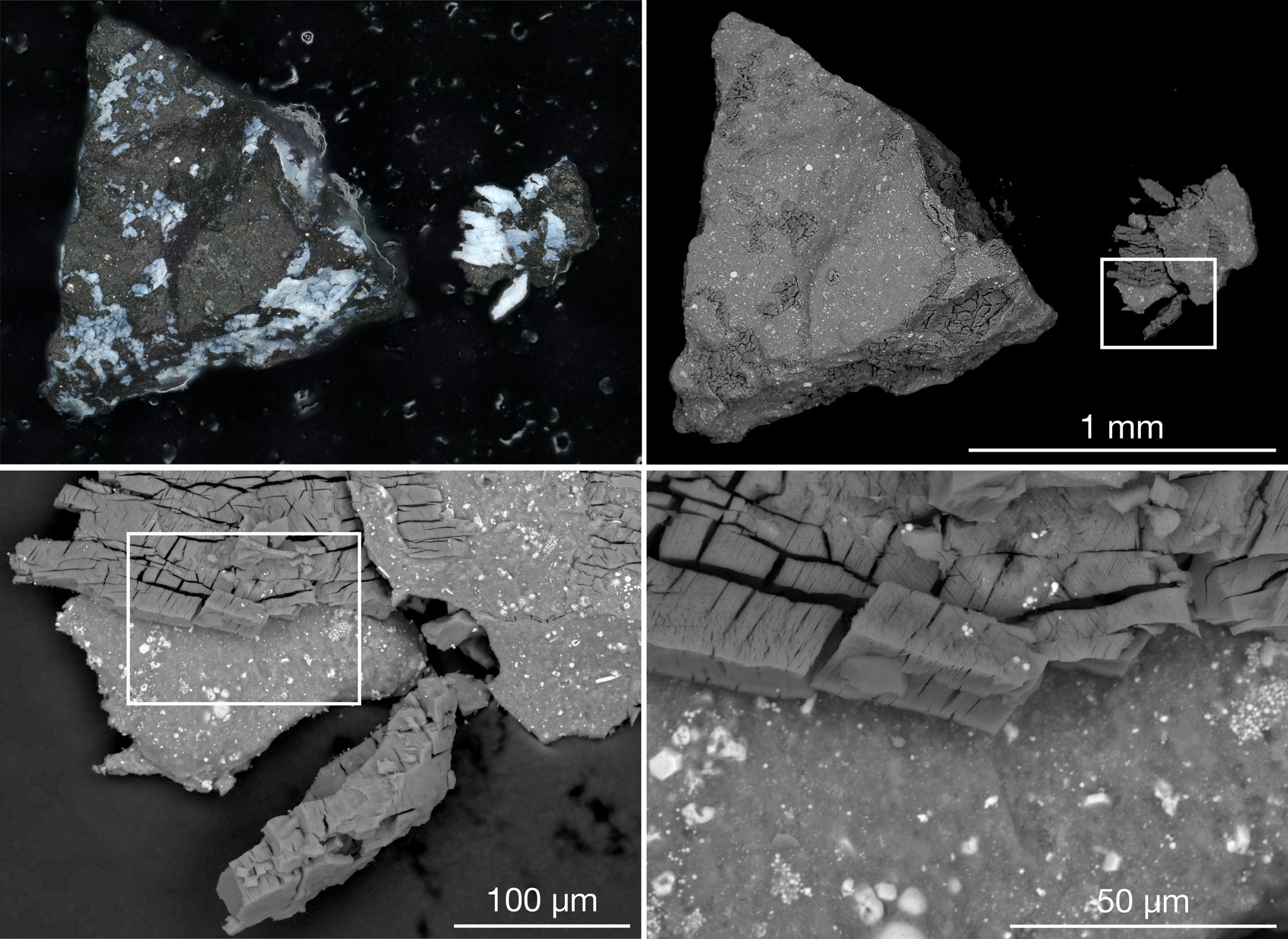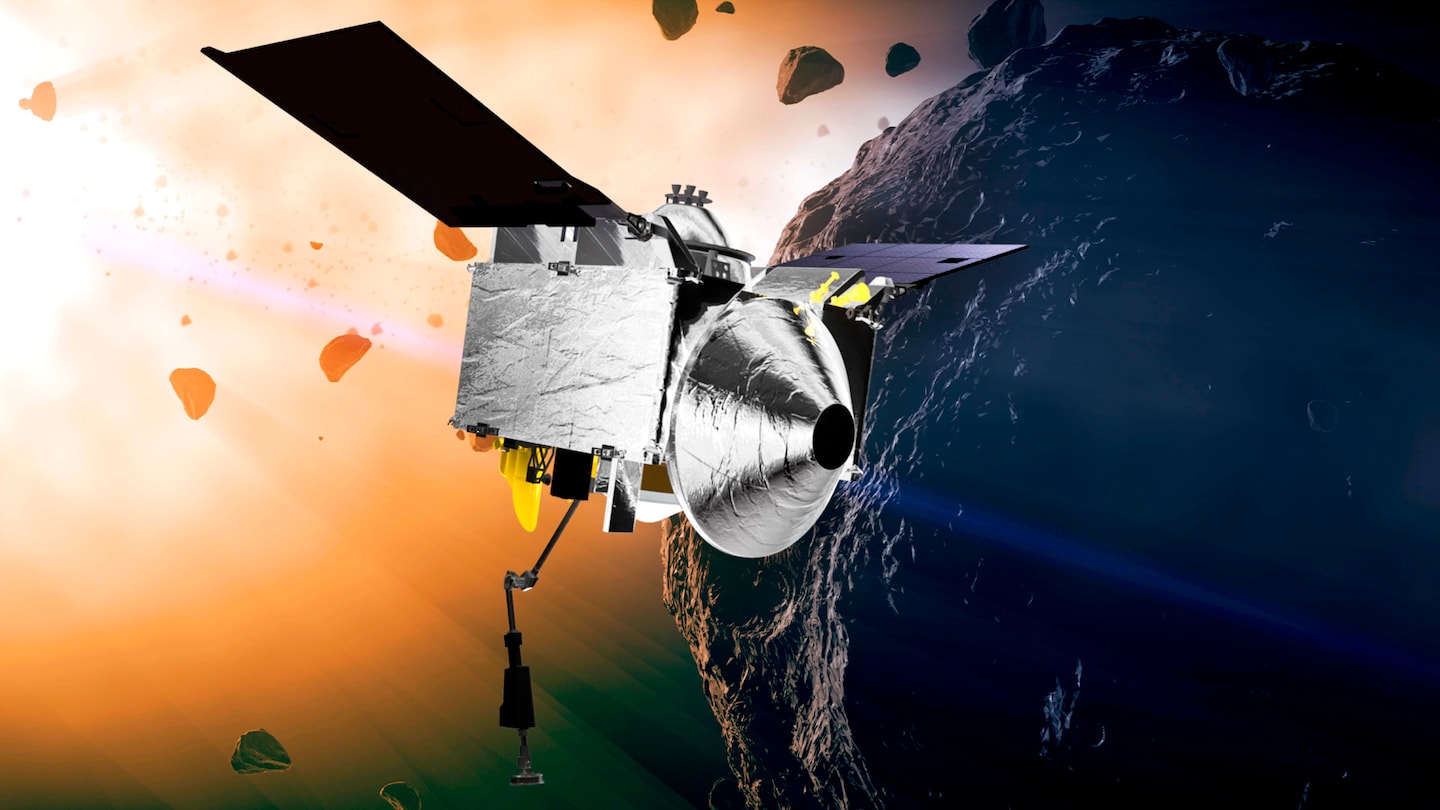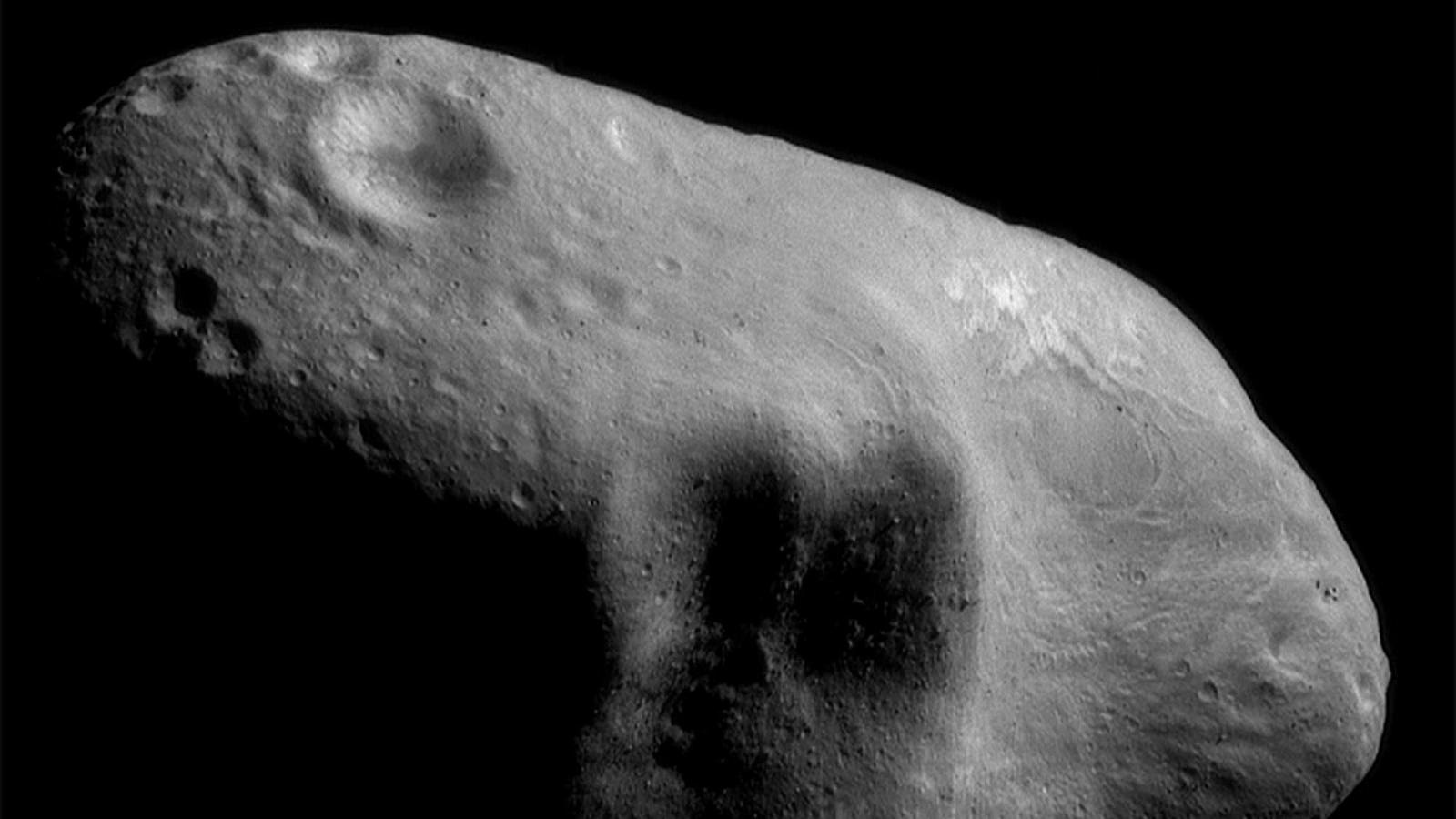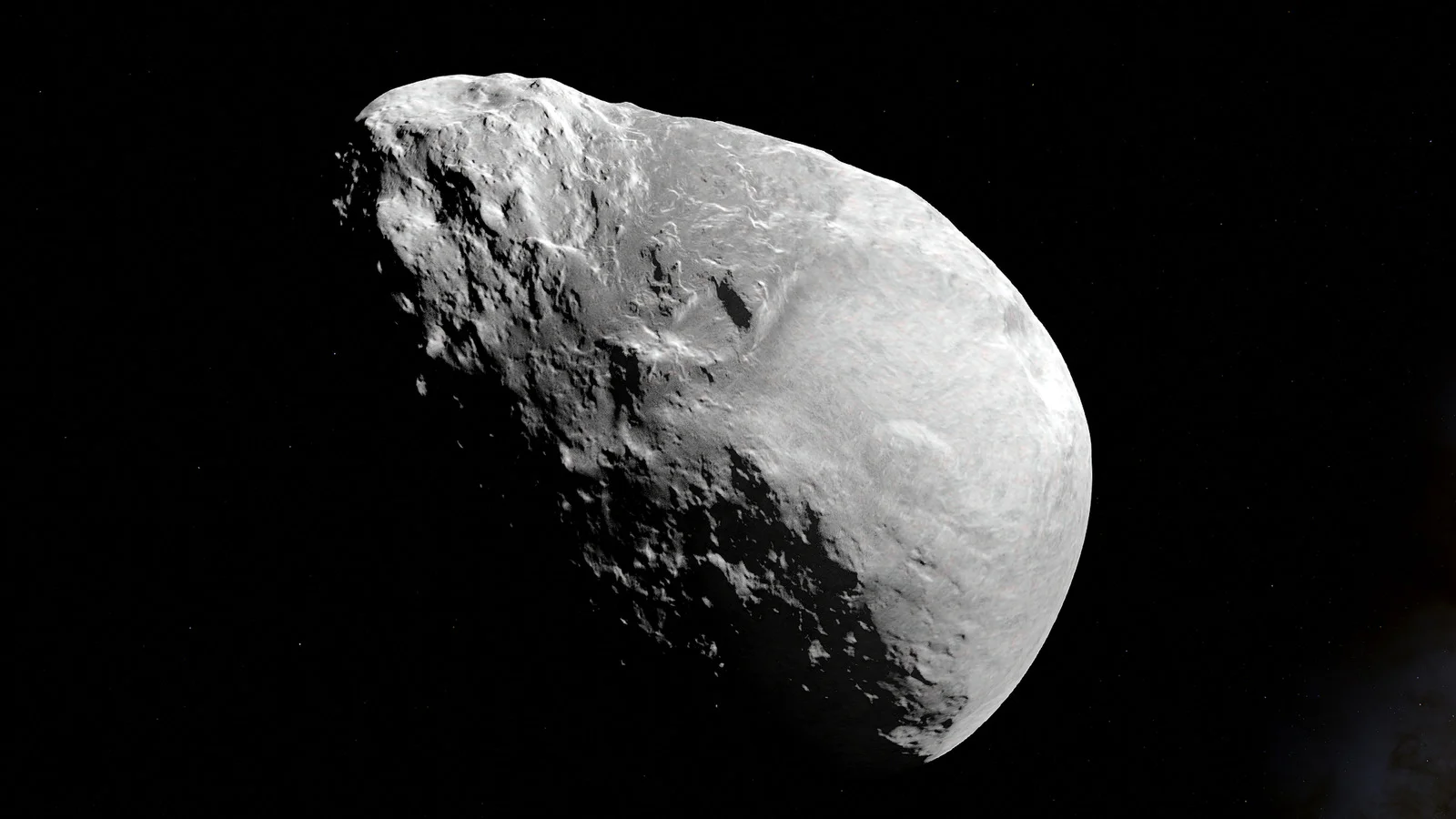
NASA's OSIRIS-REx mission collected samples from asteroid Bennu, a 500-meter-wide near-Earth asteroid rich in organic compounds and water-bearing minerals, providing insights into the early solar system and the potential origins of life, with detailed microscopic analysis revealing its complex composition and geological history.
NASA's OSIRIS-REx mission has returned a sample from asteroid Bennu, revealing it contains key materials from the early solar system, including carbon, nitrogen, and organic compounds. The sample also shows signs of a watery past, suggesting Bennu may have originated from a primitive ocean world. This discovery provides valuable insights into the conditions of the early solar system and the potential origins of life on Earth.
NASA's OSIRIS-REx mission has returned samples from the asteroid Bennu, providing new insights into the early solar system. The samples reveal that Bennu is a fragment of a larger, ancient, carbon-rich asteroid, containing essential building blocks of life such as phosphates and amino acids. These findings could help scientists understand the origins of life and the early stages of solar system evolution. The mission's success is detailed in Dante Lauretta's book, "The Asteroid Hunter."
Dante S. Lauretta's book "The Asteroid Hunter" recounts the ambitious OSIRIS-REx mission to study and collect a sample from the near-Earth asteroid Bennu, shedding light on the fragility and interconnectedness of life and celestial bodies. While the mission faced challenges and surprises, the return of Bennu's unaltered carbon silt provides a time capsule of our solar system's early days, offering insights into the origins of life on Earth and the shared cosmic heritage of all existence.
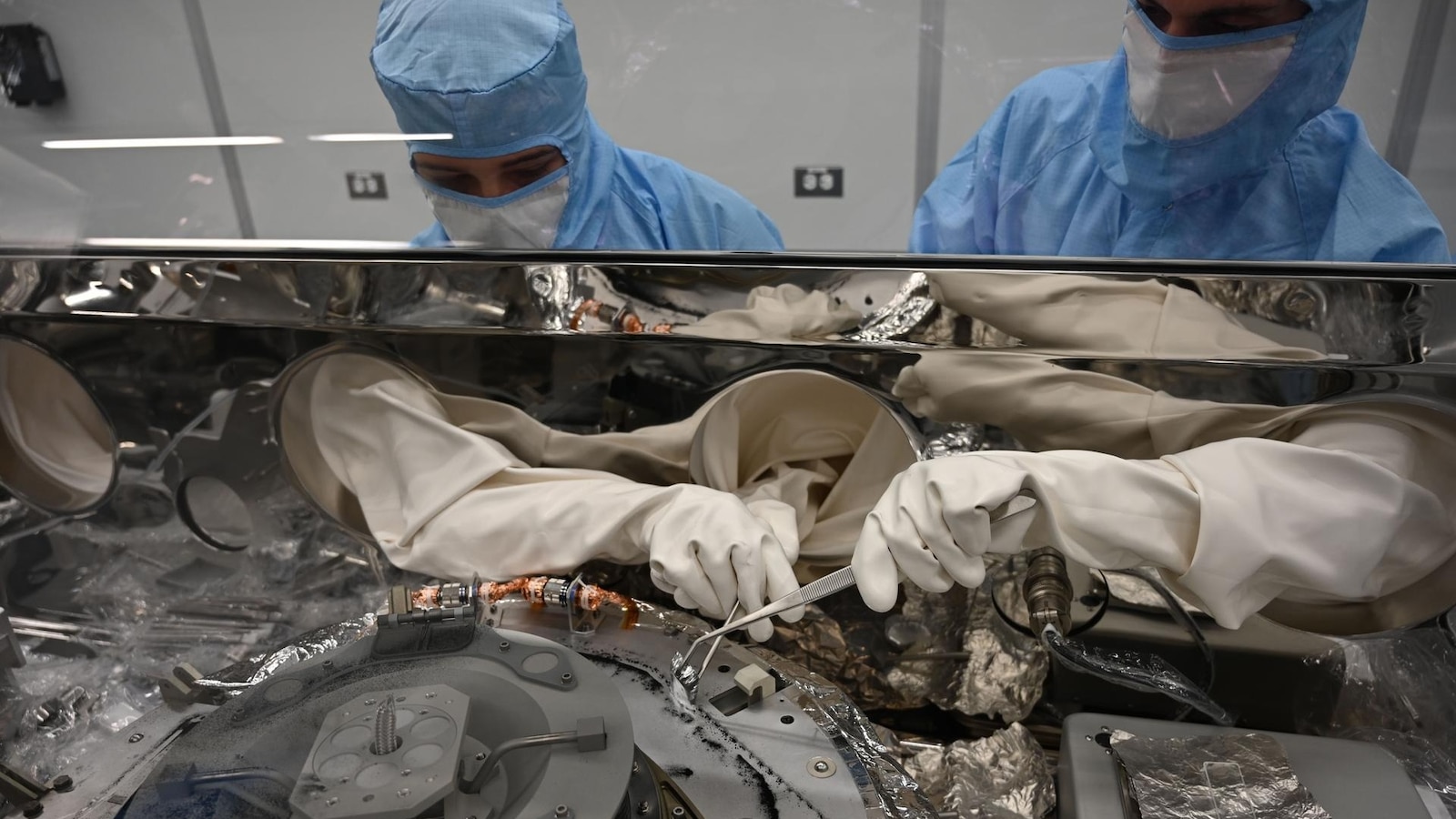
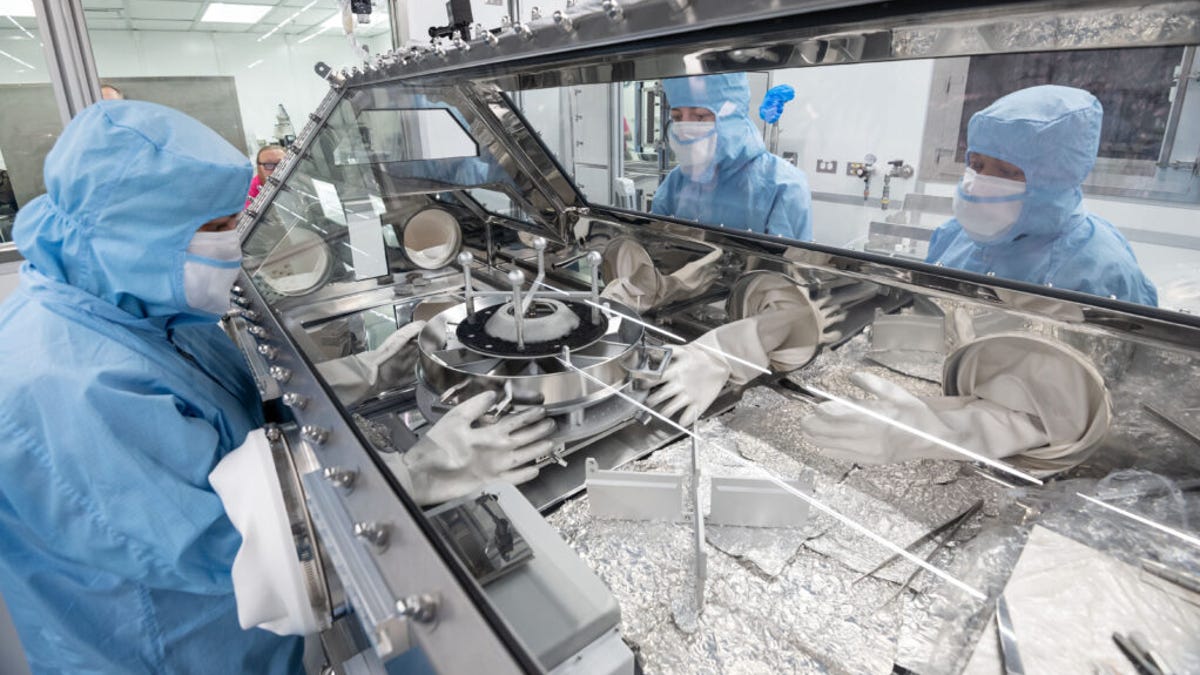
Dante Lauretta, the planetary scientist who led the OSIRIS-REx mission to retrieve space dust from asteroid Bennu, discusses the mission's impact and his activities post-sample retrieval. He describes the challenges faced during the disassembly of the asteroid sample collector and the significance of studying the material for astrobiology and the origins of life.
Scientists are tracking an asteroid the size of the Empire State Building set to pass by Earth in 2182, emphasizing the importance of studying such objects and preparing for potential scenarios. Dante Lauretta, principal investigator for the NASA OSIRIS-REx mission, discusses the mission's sample collection from asteroid Bennu and its potential to provide insights into the early solar system and the origins of life. He highlights the need for tracking and potentially deflecting asteroids, addressing the impact hazard and the broader scientific questions about the origins of life and the possibility of life beyond Earth.
NASA's OSIRIS-REx mission has made a groundbreaking discovery with the sample it collected from asteroid Bennu, revealing the presence of carbon, water, and minerals never before seen on Earth. This suggests that the building blocks of life on Earth might be found in this extraterrestrial rock, providing unprecedented insight into the origins of life and the early solar system. While scientists are excited about these findings, they also caution about Bennu's classification as a potentially hazardous asteroid and emphasize the need to continue tracking and understanding such near-Earth objects.
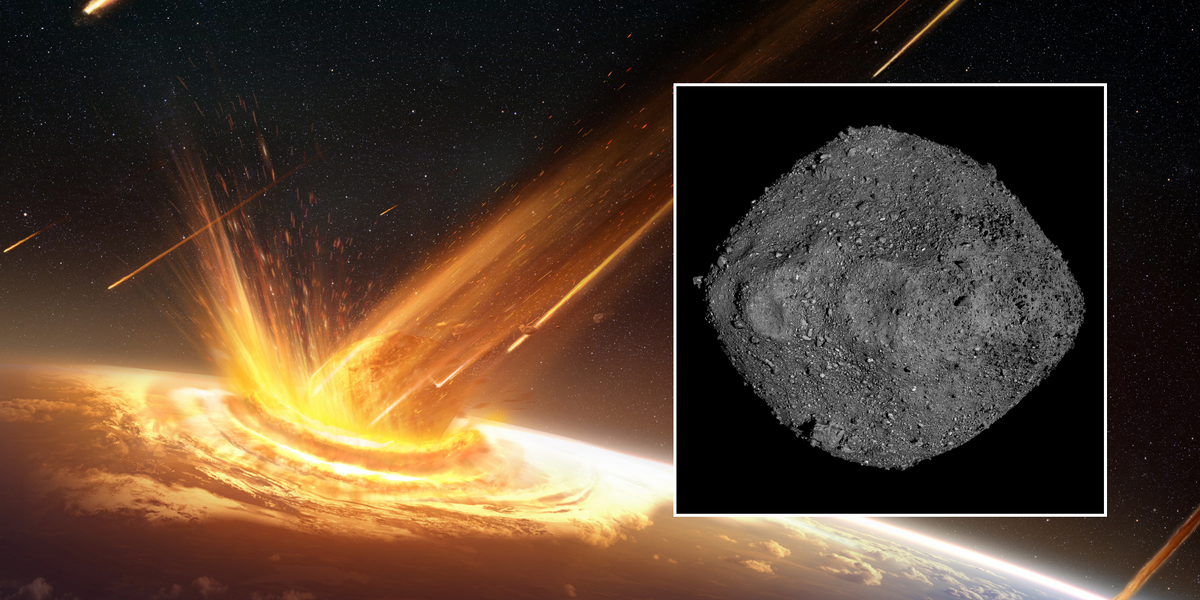
An asteroid larger than the Empire State Building, named 101955 Bennu, is on a potential collision course with Earth, prompting Nasa to take action. Nasa has hired Dante Lauretta to lead a mission to research, chart, and sample the asteroid, which could cause catastrophic damage upon impact. The OSIRIS-REx mission has already returned a sample of Bennu to Earth, and Nasa is also developing technology for planetary defense, including the upcoming Dart mission.
Scientists have revealed the intriguing composition of asteroid Bennu, which was sampled by NASA's OSIRIS-REx spacecraft. The asteroid contains a surprising reservoir of a rare mineral called magnesium phosphate, as well as glycine, water-bearing minerals, and other organic and hydrated minerals. The samples also show evidence of space weathering and impact-related breccias, supporting the theory that Bennu broke off from a larger asteroid about 2 billion to 700 million years ago. The analysis of the samples is still ongoing, but the findings provide valuable insights into the history and composition of this near-Earth asteroid.
A building-sized asteroid, 2024 CJ8, will pass by Earth tonight, coming within 4.1 million miles of the planet, but poses no threat. NASA classifies asteroids larger than 492.126 feet and within 4.6 million miles as "potentially hazardous," but this one doesn't meet the size requirement. More than 1.3 million asteroids are estimated in the solar system, and NASA has been increasing efforts to protect Earth from potential asteroid impacts, including the recent OSIRIS-REx mission. Additionally, smaller asteroids 2024 EQ and 2024 EK4 are also expected to pass by Earth this weekend.
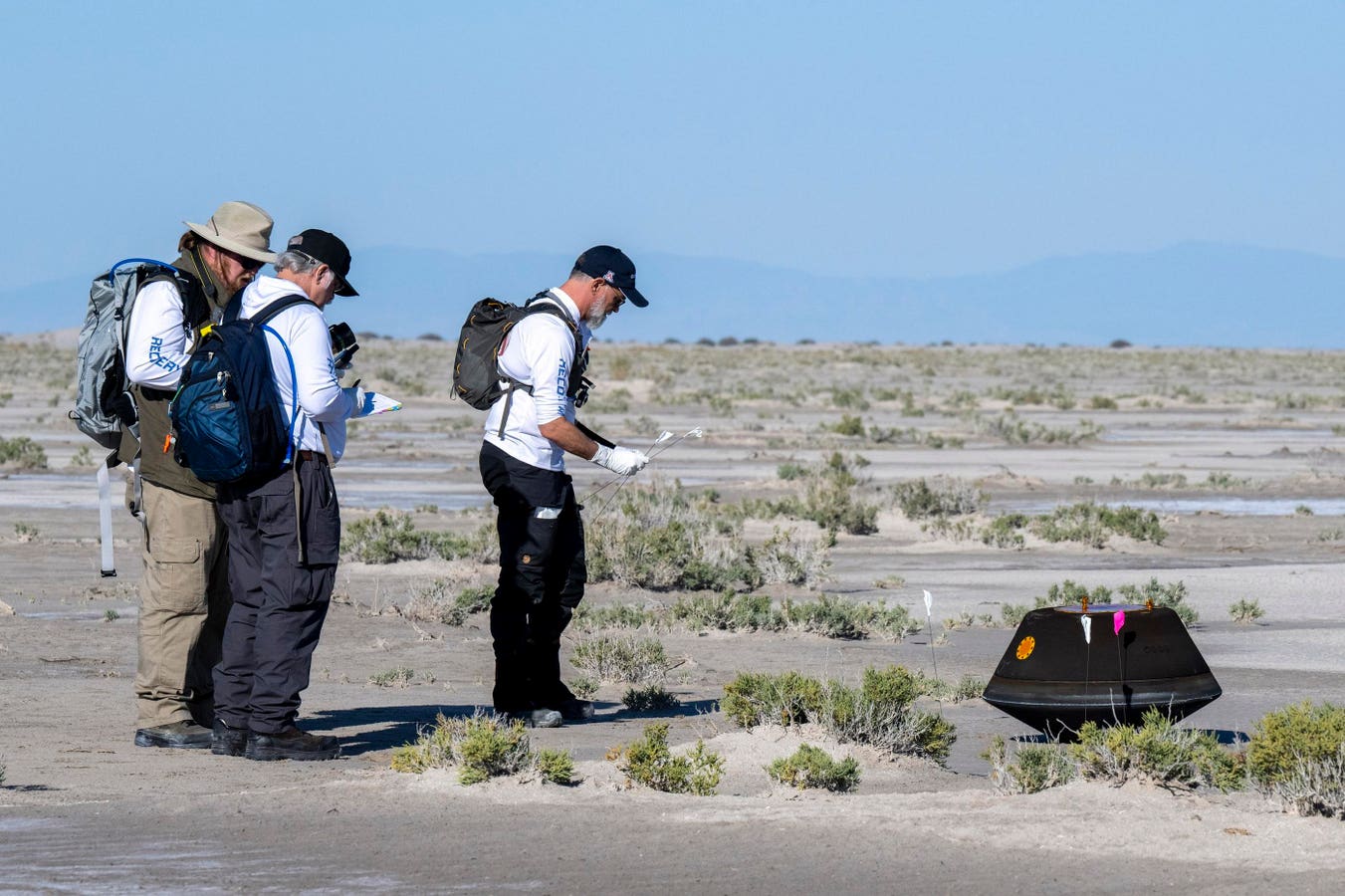
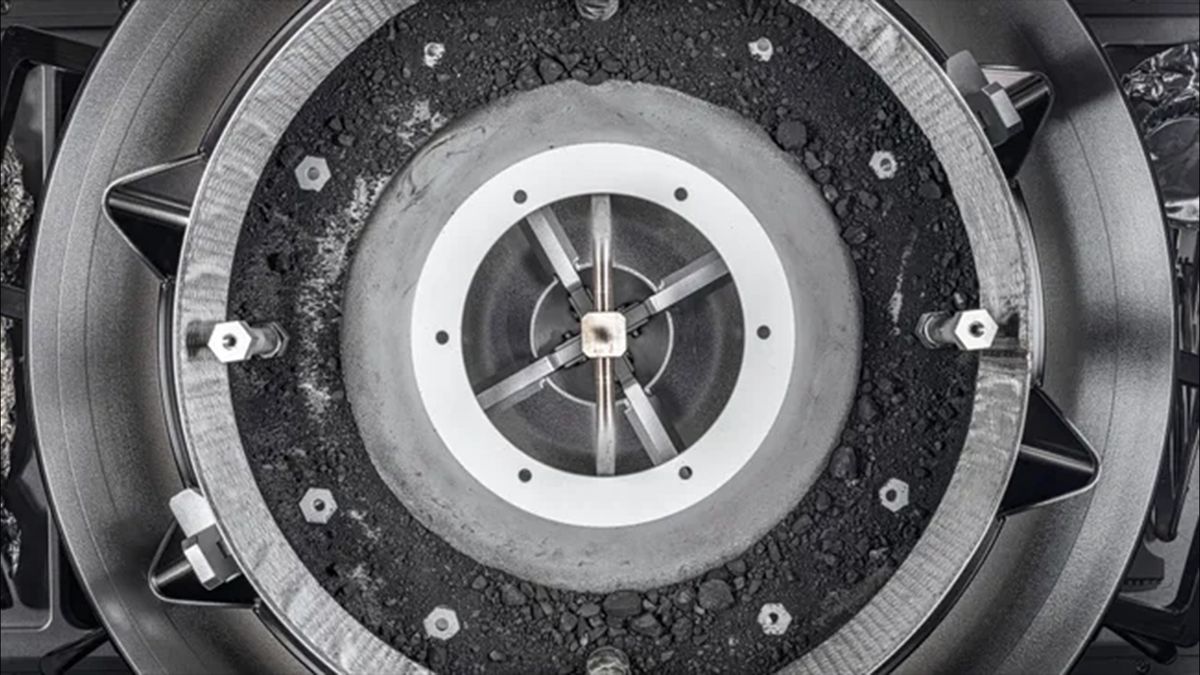
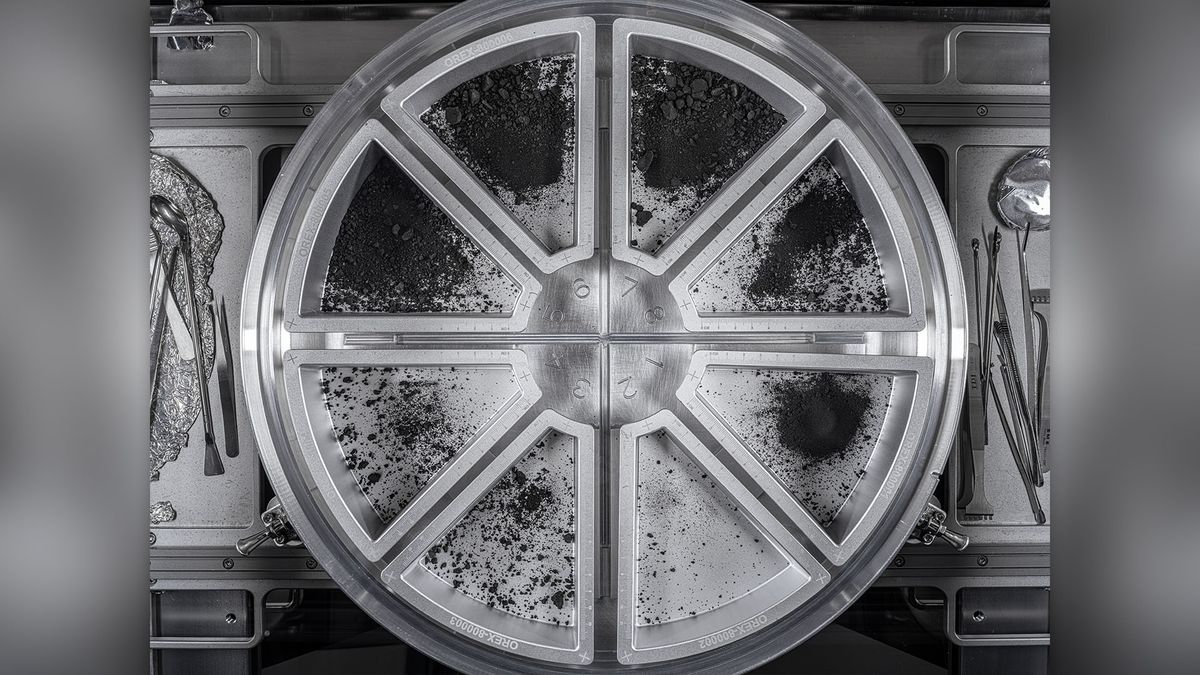
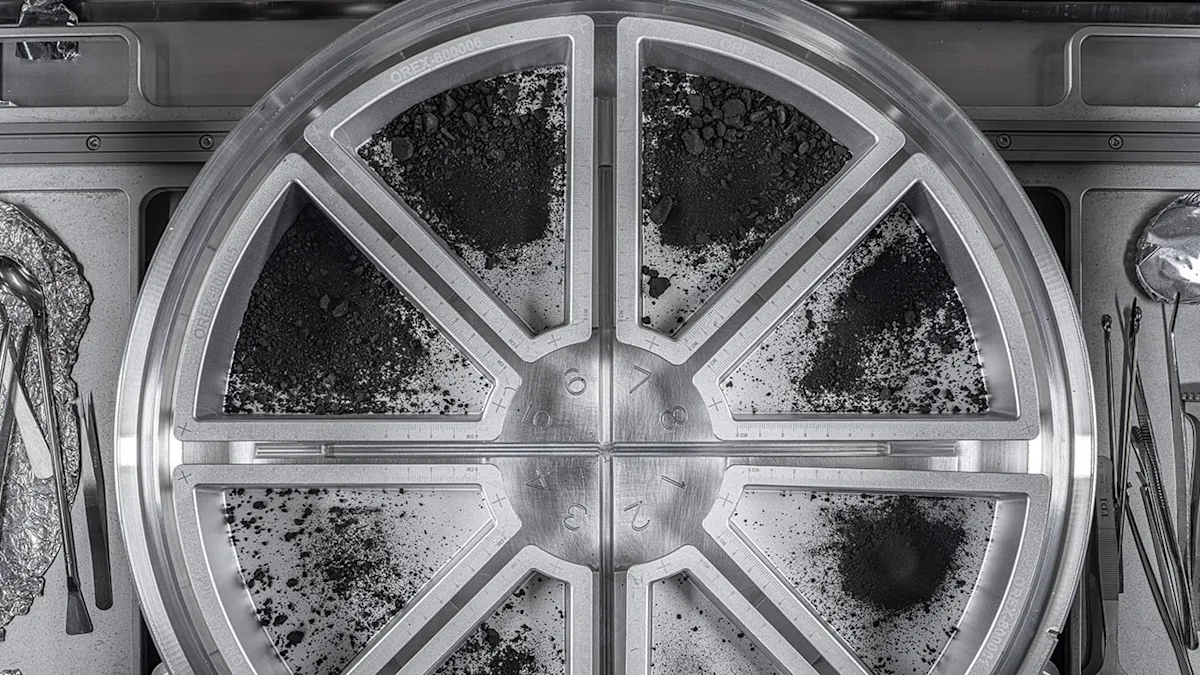
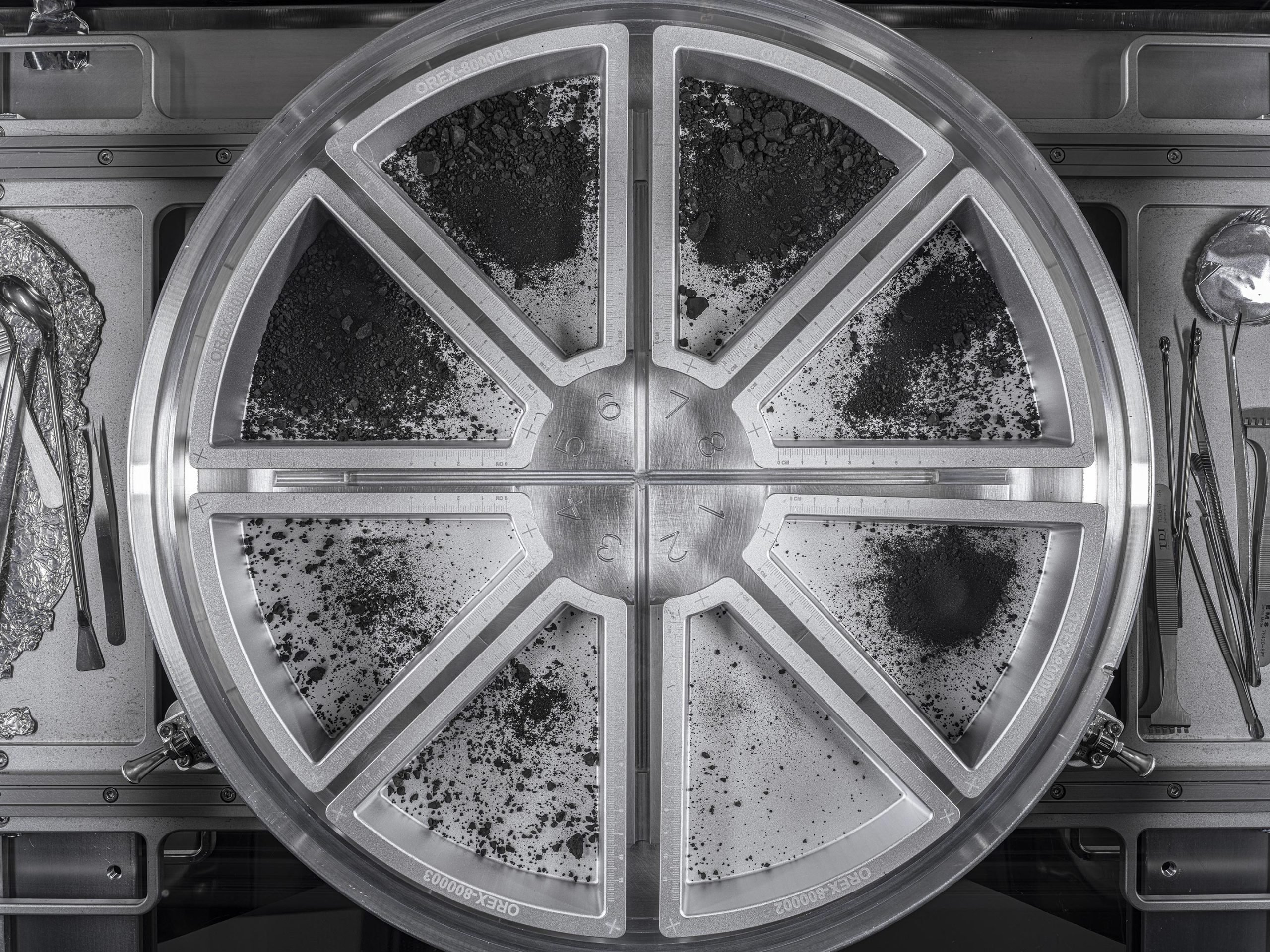
NASA's OSIRIS-REx spacecraft collected a surprising 4.3 ounces (122 grams) of material from the asteroid Bennu, potentially containing some of the earliest precursors for life. The sample, the first ever retrieved by a NASA mission, was initially hindered by stuck fasteners on the capsule, but after disassembly, scientists managed to retrieve the full amount. The material, dating back 4.5 billion years, may hold primordial elements that contributed to the origins of life on Earth, similar to findings from the asteroid Ryugu.
NASA's OSIRIS-REx spacecraft collected a surprising 4.3 ounces (122 grams) of rocky space rubble from the asteroid Bennu, more than double the expected amount, potentially containing some of the earliest precursors for life. After encountering difficulties disassembling the capsule, scientists managed to retrieve the full sample, which includes 4.5 billion-year-old rocks and primordial elements believed to have sparked life on Earth. This marks the first time a NASA mission has retrieved a space rock, and researchers are hopeful for finding biological precursors within the sample.
NASA's OSIRIS-REx spacecraft collected double the expected amount of asteroid samples from Bennu, marking the biggest carbon-rich asteroid sample ever delivered to Earth. The mission, costing $800 million, encountered delays due to stuck fasteners, but the team successfully retrieved the remaining sample earlier this year. The samples will be stored at Houston's Johnson Space Center for further research, with a catalog to be released for global scientific community requests.
NASA's OSIRIS-REx spacecraft exceeded expectations by delivering 4.29 ounces (121.6 grams) of material from asteroid Bennu, surpassing its mission goals of 60 grams. Despite initial challenges, the sample was successfully secured for future scientific research, ensuring a legacy of international collaboration and study of the solar system’s origins. The material will be preserved at NASA Johnson Space Center for further research by scientists worldwide, including a cohort of more than 200 scientists from various institutions and space agencies.
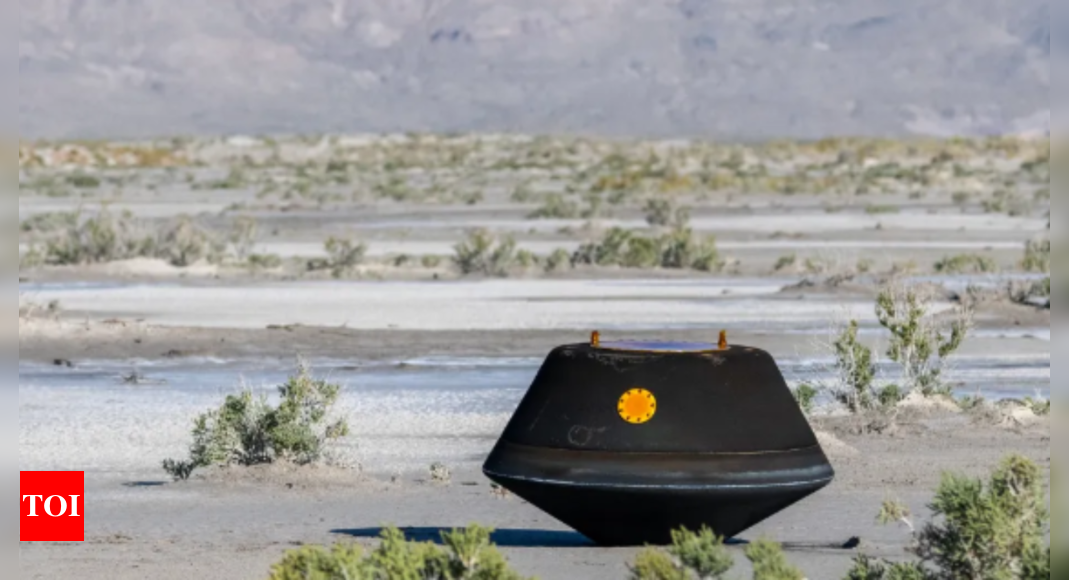
NASA's OSIRIS-Rex spacecraft successfully collected 4.29 ounces of dust and rock samples from asteroid Bennu, exceeding its goal and marking the largest asteroid sample ever collected in space. The mission, which launched in 2016, dropped the sample onto a Utah desert in 2023. JAXA, the Japanese space agency, has also retrieved asteroid samples and will exchange part of its Ryugu sample with NASA for comparative studies. The Bennu samples, rich in carbon, could provide insights into the origins of life chemistry and potential asteroid deflection strategies.