Tag

Organic Compounds

All articles tagged with #organic compounds

science2 months ago

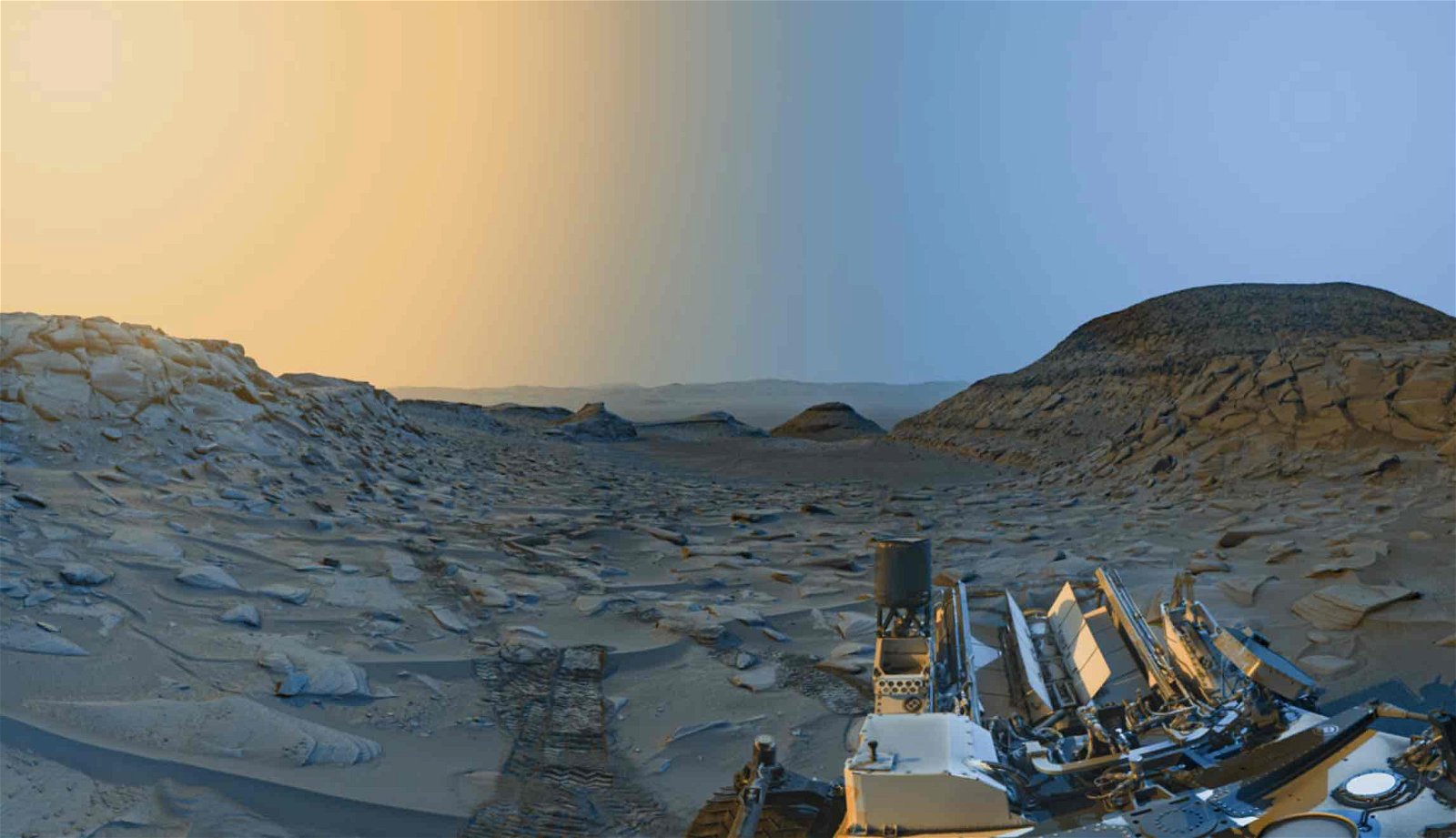
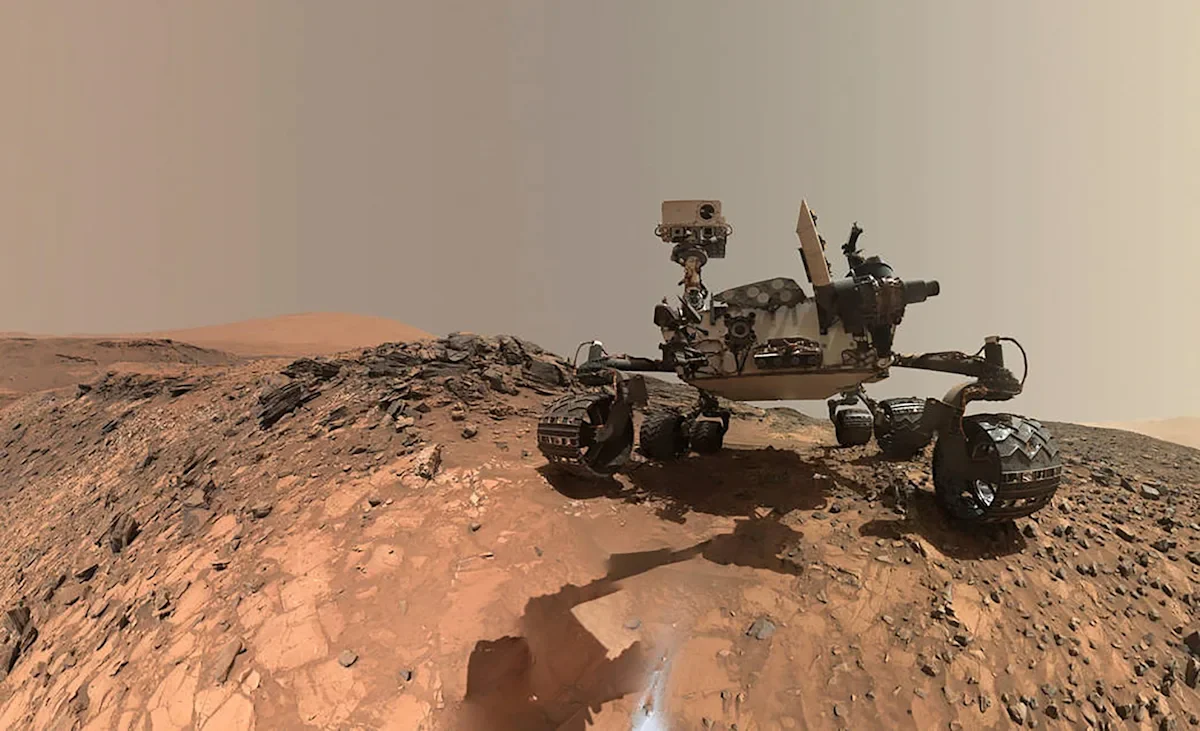
1970s Scientific Error Set Back Mars Exploration

A 50-year-old scientific conclusion from the Viking Mars mission, which declared Mars lifeless due to the absence of detected organics, is now believed to be mistaken. New evidence from recent missions suggests that Mars may harbor or have harbored life, prompting a reevaluation of past assumptions and the need for dedicated future missions to search for life on Mars.

science3 months ago

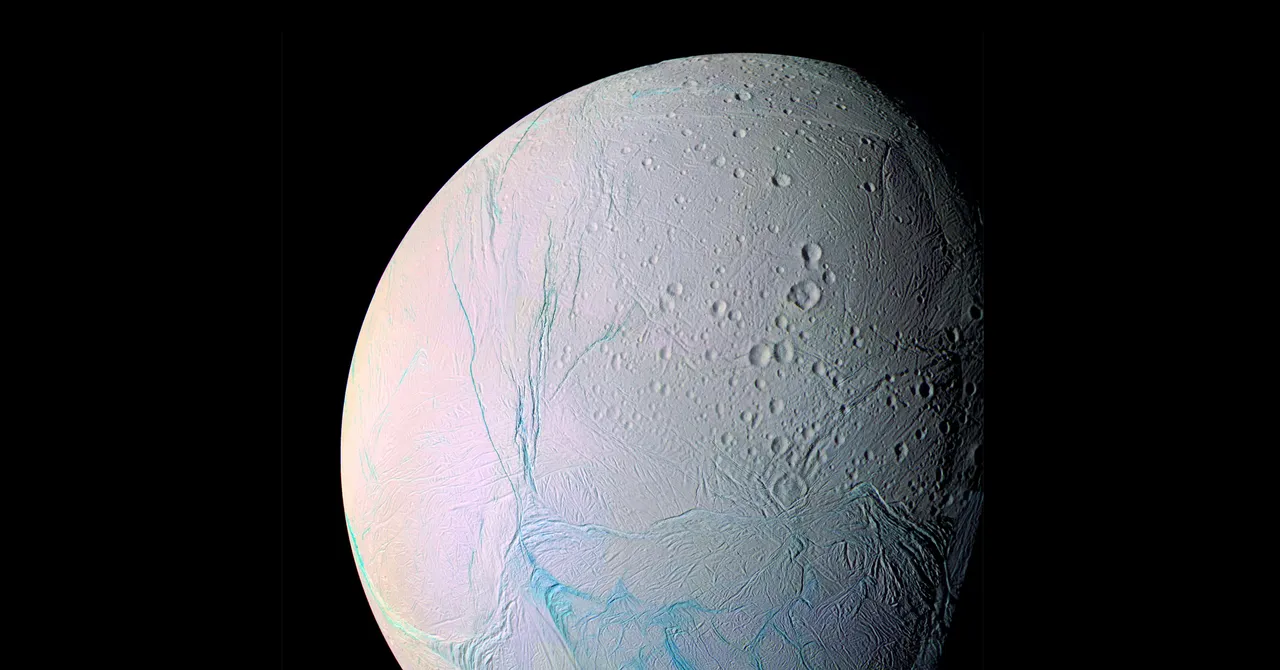
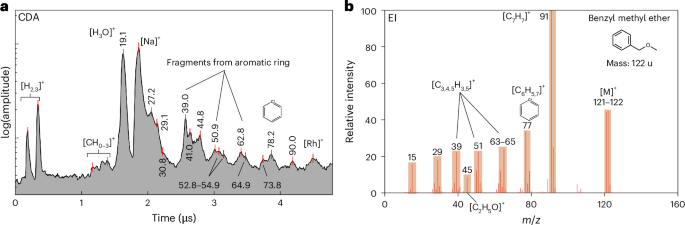
Organic Compounds and Complex Chemistry Detected in Enceladus's Subsurface Ocean

The study reanalyzes Cassini's high-speed fly-by data of Enceladus, revealing the presence of diverse organic compounds, including aromatics, esters, ethers, and N- and O-bearing species, in freshly ejected ice grains. These findings suggest complex organic chemistry within Enceladus's subsurface ocean, likely driven by hydrothermal processes, and provide insights into the moon's potential habitability.

science1 year ago

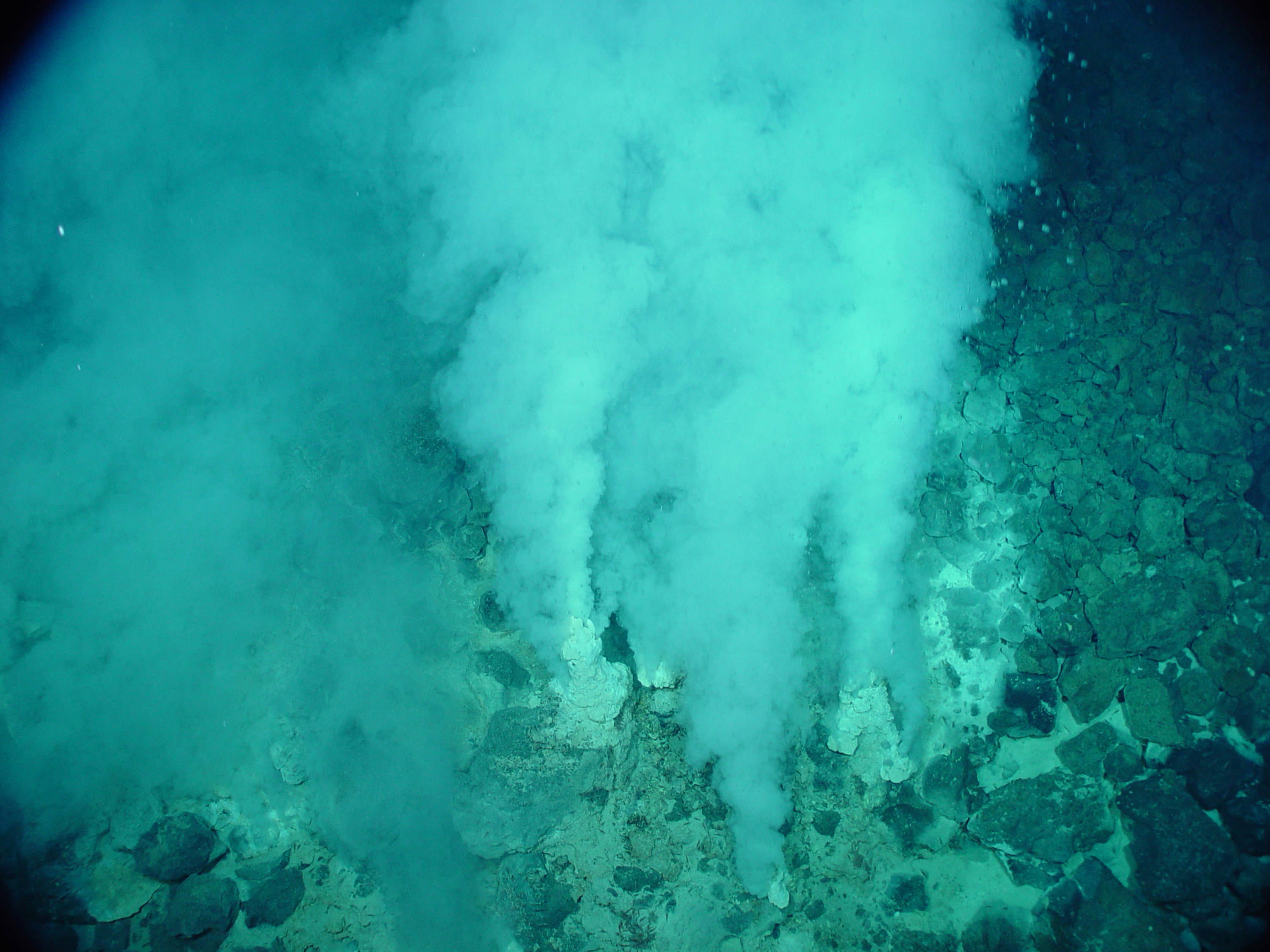
Unveiling Life's Origins: Deep-Sea Insights Beyond Biology

Chinese scientists have discovered abiotic organic compounds in the oceanic crust of the Southwest Indian Ridge, providing insights into deep-sea carbon cycles and the origins of life. This research, published in PNAS, highlights the role of mineral-catalyzed reactions in forming complex organic compounds, which could inform the search for life on other planets. The study combines multimodal microanalysis and density functional theory to explore abiotic organic synthesis, emphasizing the catalytic role of goethite in these processes.

space-science1 year ago

"Formaldehyde's Role in Ancient Martian Life Uncovered"

Researchers propose that formaldehyde, which could have formed in the ancient Martian atmosphere, may have played a crucial role in the creation of molecules essential for life in the planet's oceans. This suggests a plausible pathway for life's ingredients on Mars during its wet period, although there is currently no evidence to confirm this. The study provides valuable insights into the chemical processes that may have occurred on ancient Mars, offering clues to the possibility of past life on the planet, and researchers plan to search for isotopic ratios of carbon in surviving organic molecules to determine if this pathway was indeed responsible for the formation of essential molecules.

space-science1 year ago

"Formaldehyde's Role in Ancient Martian Life Uncovered"

Scientists from Tohoku University propose that atmospheric formaldehyde on ancient Mars could have led to the formation of organic compounds, suggesting promising conditions for ancient life on the planet. This finding increases the likelihood of past life on Mars and the potential discovery of additional evidence, particularly at sites like Jezero Crater where NASA's Perseverance rover is currently exploring. The study's computer model simulates Mars' early atmosphere, indicating that formaldehyde could have facilitated the formation of various organic compounds, including amino acids and sugars. Further research aims to analyze geological data from Mars rovers to corroborate these findings.

science-and-technology1 year ago

"Confirmation of Life-Supporting Compounds in Winchcombe Meteorite"

German researchers have used a chemical-free detection method to confirm the presence of organic compounds, including nitrogen and amino acids, in the Winchcombe Meteorite, without applying any chemical treatment. This breakthrough, detailed in the journal Nature Communications, offers valuable insights into the potential origins of life on Earth and the possibility of life elsewhere in the solar system. The high-resolution electron microscope used in the study may also prove useful for analyzing organic specimens brought back to Earth from space missions.

science1 year ago

"Unveiling Earth's 3.4 Billion-Year-Old Ecosystem"

The mystery of abiogenesis, the emergence of life from non-life, continues to puzzle scientists. Astronomers believe that organic compounds crucial for life were delivered to Earth after it cooled and solidified, possibly through cometary impacts. Despite the harsh conditions of the early Earth, evidence suggests that life may have emerged as early as 4.5 billion years ago, with some scientists proposing deep-sea hydrothermal vents or tidal pools as potential cradles for the first life forms. The exact process and location of life's origins remain uncertain, but the evidence indicates that life arose as soon as it could.

space-science2 years ago

"Saturn's Ocean Moon: A Potential Haven for Life with Key Ingredients Detected"

Scientists have discovered strong evidence of hydrogen cyanide on Enceladus, an icy moon orbiting Saturn, which is a key molecule for the origin of life. The moon's ocean, beneath its icy surface, contains plumes of water vapor rich in organic molecules, suggesting it could act as a source of chemical energy. The findings increase the likelihood that Enceladus could host and sustain life, although it is not definitive proof. The data was collected by NASA's Cassini spacecraft during its mission around Saturn.

space-science2 years ago

Unveiling Surprising Clues: Ancient Asteroid Samples Shed Light on Solar System Origins

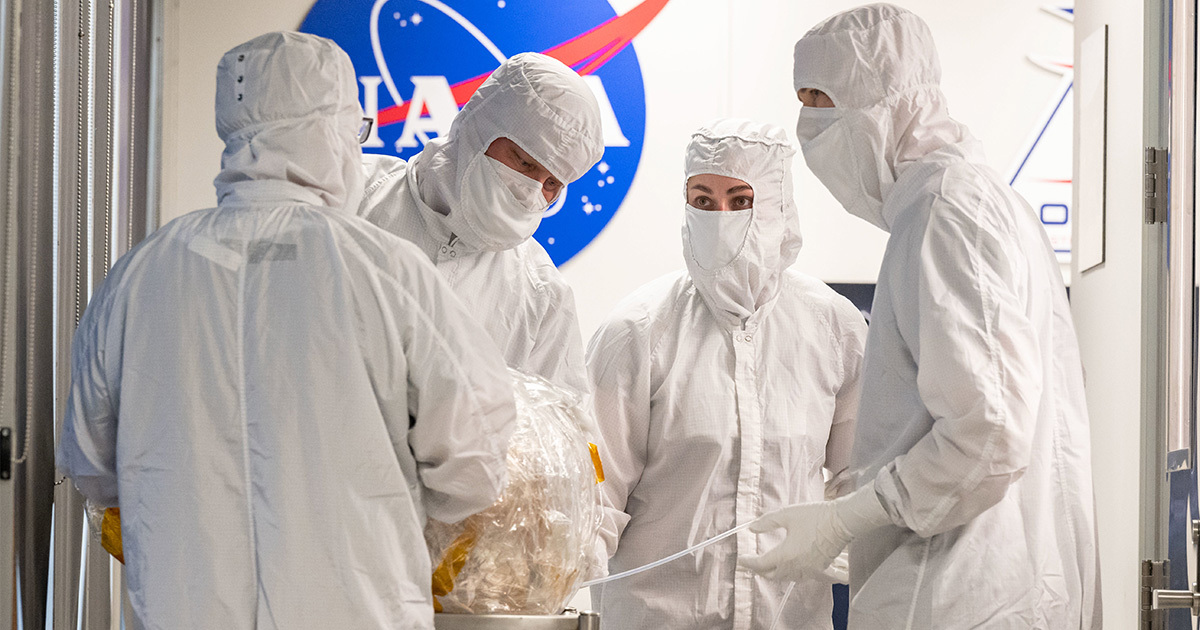
NASA scientists are analyzing samples from the asteroid Bennu, collected during the OSIRIS-REx mission, but two screws in the canister containing the samples are stuck, preventing access to all the material. Despite this setback, the analyzed samples have revealed fascinating findings, including unique black and bluish sheen material, rare combinations of magnesium, phosphate, and sodium, and organic compounds that could be the building blocks of life. These findings make the mission worthwhile, as it represents the first time NASA has physically handled such ancient materials.

space2 years ago

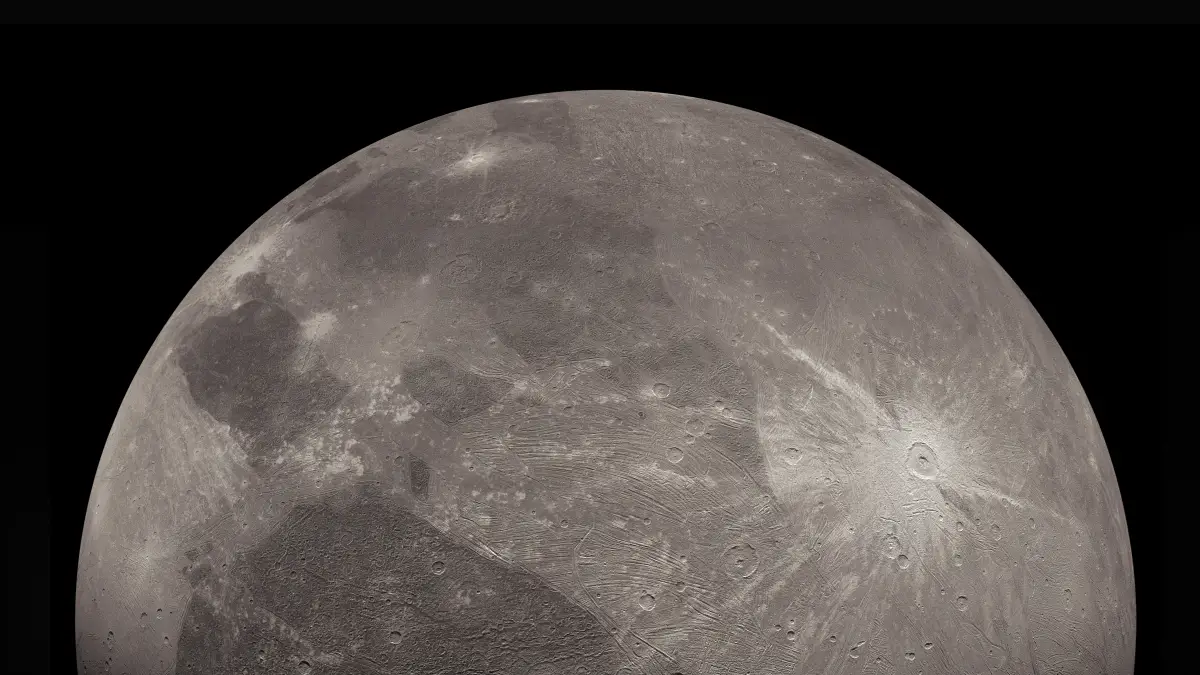
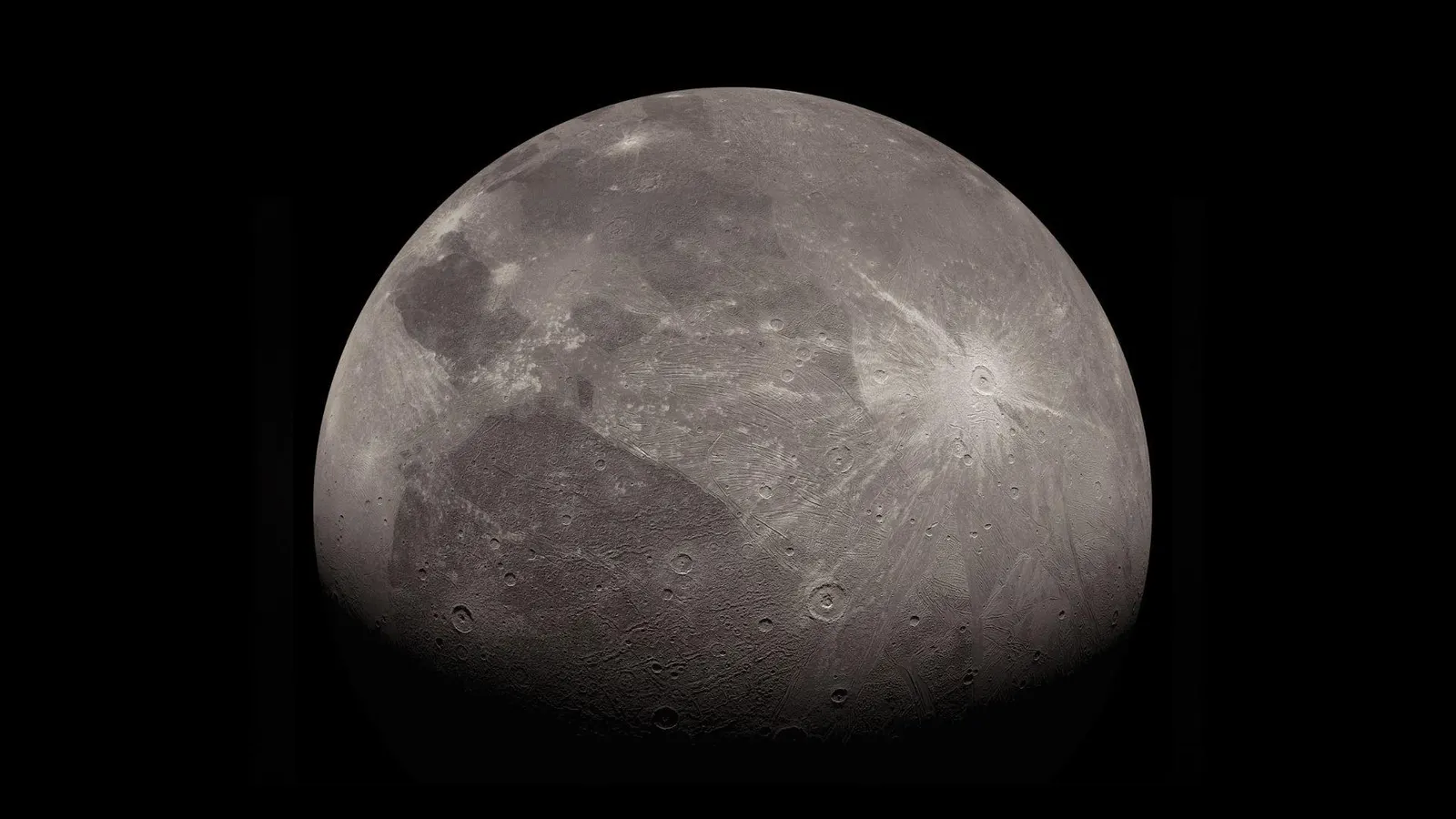
Juno's Discovery: Organic Compounds and Potential Alien Life on Ganymede

NASA's Juno spacecraft, during its flyby of Jupiter's moon Ganymede in 2021, has discovered the presence of mineral salts and organic compounds on the moon's surface. The high-resolution spectroscopic observations made by Juno's Jovian Infrared Auroral Mapper (JIRAM) spectrometer revealed the presence of hydrated sodium chloride, ammonium chloride, sodium bicarbonate, and possibly aliphatic aldehyde. These findings provide insights into Ganymede's formation and the composition of its deep subsurface ocean. The localized distribution of these compounds suggests that Ganymede's magnetic field shields them from surrounding radiation. Further investigations by upcoming missions like ESA's JUICE and NASA's Europa Clipper will provide more detailed observations of Ganymede and other icy moons in Jupiter's system.

space2 years ago

Juno Mission Uncovers Organics and Salts on Jupiter's Moon Ganymede

NASA's Juno mission has discovered mineral salts and organic compounds on Jupiter's moon Ganymede. Data collected by the Jovian InfraRed Auroral Mapper (JIRAM) spectrometer during a close flyby revealed the presence of hydrated sodium chloride, ammonium chloride, sodium bicarbonate, and possibly aliphatic aldehydes. These findings provide insights into the composition of Ganymede's deep ocean and its formation process. The discovery was made possible by Juno's unprecedented spatial resolution for infrared spectroscopy, offering a closer look at the moon's surface. Ganymede, the largest moon of Jupiter, has long been of interest due to its hidden internal ocean of water beneath its icy crust.

space2 years ago

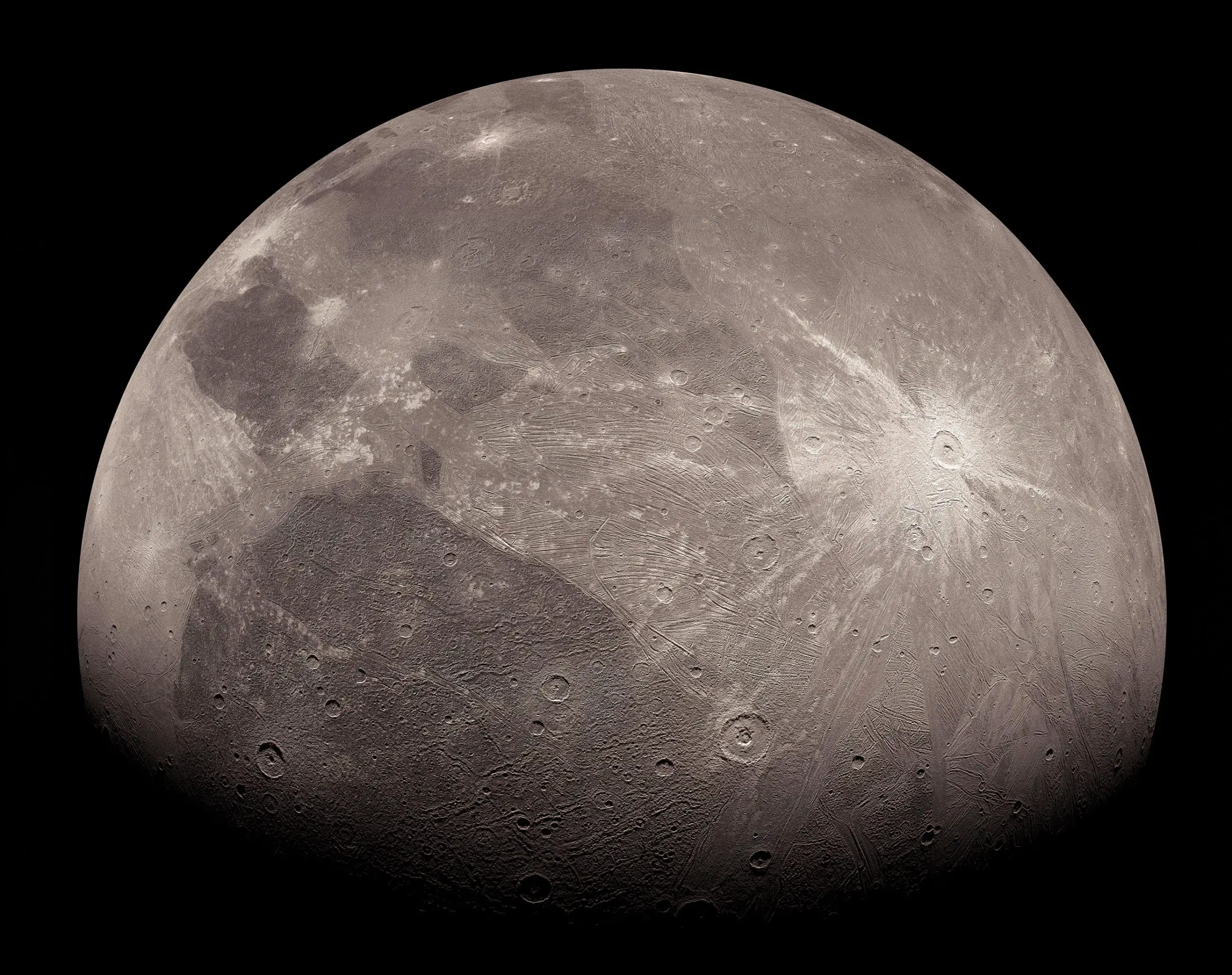
Ganymede's Salty Surface Reveals Organics, Confirms NASA

NASA's Juno spacecraft has discovered mineral salts and organic compounds on Jupiter's moon Ganymede, providing insights into the moon's origin and composition. The data suggests the presence of a deep ocean brine that reached the moon's surface. Ganymede, the largest moon in the solar system, has a magnetic field and an underground sea beneath its icy shell. The findings could aid in understanding other distant moons and dwarf planets in the solar system and beyond.

science2 years ago

The Organic-Inorganic Debate: Are Humans More Organic or Inorganic?

The question of whether humans are organic or inorganic is not straightforward. While the human body is primarily composed of organic compounds, such as proteins, sugars, fats, and DNA, inorganic compounds like water, dissolved oxygen, and carbon dioxide are also essential for sustaining life. The human body is made up of a handful of elements, with oxygen, carbon, hydrogen, nitrogen, calcium, and phosphorus being the most abundant. Overall, the distinction between organic and inorganic compounds is not clear-cut when it comes to humans, as both types play crucial roles in our biological processes.

climate-science2 years ago

"Tree-derived Organic Molecule Shines as Cloud Seeding Champion, CERN Study Finds"

A study conducted at CERN's Cosmics Leaving Outdoor Droplets (CLOUD) chamber has revealed that sesquiterpenes, a family of organic compounds released by trees, have a significant role in cloud formation. These compounds, known as ultra-low-volatility organic compounds (ULVOCs), can grow large enough for water droplets to condense on their surfaces, thus encouraging cloud formation. While the influence of isoprene and monoterpene on cloud formation is well understood, the role of sesquiterpenes has been harder to determine due to their lower emission and quick reaction with ozone. However, the study found that even at low concentrations, sesquiterpenes doubled the rate of cloud formation. Understanding the impact of sesquiterpenes on cloud formation is crucial for improving climate models and predicting the future of Earth's climate.