Tag

Spaceflight

All articles tagged with #spaceflight

NASA retools Artemis: staged moon program replaces immediate lunar landing
space16 minutes ago

NASA retools Artemis: staged moon program replaces immediate lunar landing

NASA says Artemis III will no longer land astronauts on the Moon and will instead pursue an incremental path: Artemis II will fly around the Moon this year, Artemis III will test essential technologies in low-Earth orbit by mid-2027, and Artemis IV could land on the Moon in 2028 with Artemis V potentially following. The shift, urged by a safety panel amid delays and glitches, emphasizes learning and reducing risk before attempting a lunar landing and outlines a sequence of missions leading to eventual lunar surface operations.
NASA Expands Artemis Cadence Toward Yearly Moon Missions
space3 hours ago

NASA Expands Artemis Cadence Toward Yearly Moon Missions

NASA announces an accelerated Artemis plan that standardizes vehicle configurations, adds a 2027 Artemis III mission with in-space testing and potential docking with commercial landers, and commits to at least one lunar surface landing every year through 2028 (Artemis IV), while boosting in-house development and workforce to enable a faster, safer launch cadence; Artemis II remains on track with repairs after a helium issue in the interim propulsion stage.

NASA’s Mars relay orbiter may favor communications over science for 2028 window
space3 hours ago

NASA’s Mars relay orbiter may favor communications over science for 2028 window

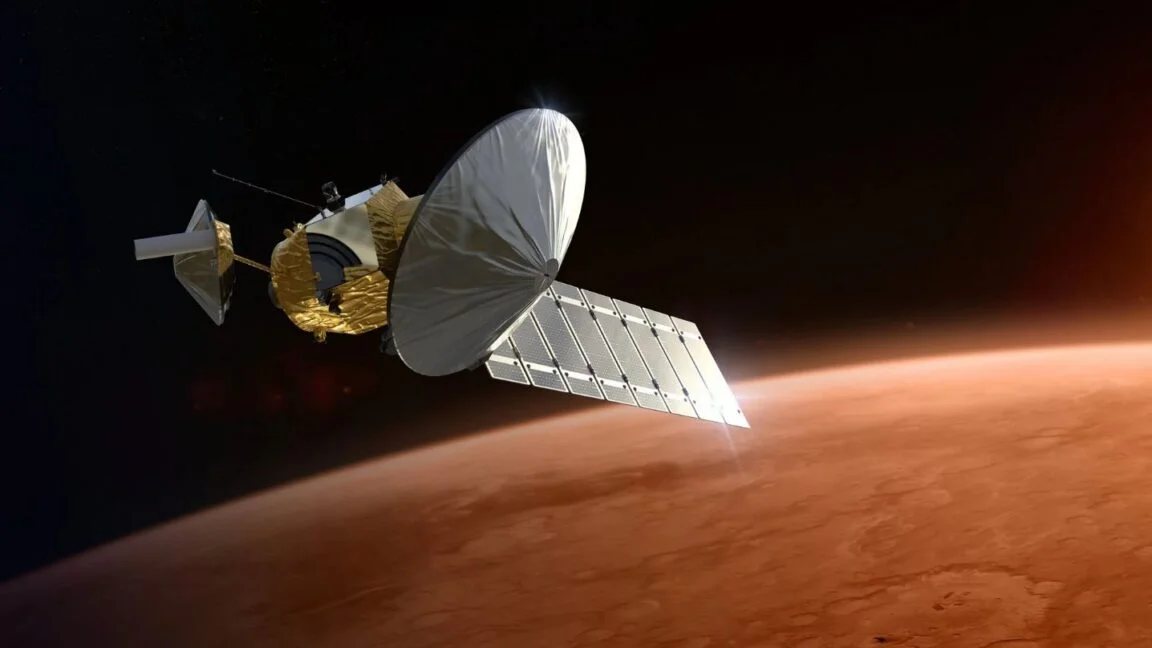
A non-public NASA document for the Mars Telecommunications Network (formerly the Mars Telecommunications Orbiter) lists four top-level goals focused on Mars-to-Earth communications and navigation support, with science payloads not required but not precluded. NASA emphasizes schedule risk and potential trade-offs, suggesting that any science instruments must not jeopardize the late-2028 launch. The procurement landscape is competitive, involving Rocket Lab, Blue Origin, and SpaceX, and NASA recently awarded Rocket Lab a small contract to study end-to-end Mars communications, a move that could complicate the main award process.

China's Secret Space Plane Enters Orbit for Mysterious Mission
science14 hours ago

China's Secret Space Plane Enters Orbit for Mysterious Mission

China’s secretive space plane Shendong has launched for a fourth time to conduct tests for reusable spacecraft, potentially releasing small objects in orbit, while the U.S. Space Force’s long-running X-37B program remains opaque about its goals. The two programs have sparked speculation about rendezvous proximity operations and a quiet race for orbital dominance, though concrete mission details are not disclosed.

Fincke Reveals He Was NASA’s ISS Medical-Evacuation Patient
space1 day ago

Fincke Reveals He Was NASA’s ISS Medical-Evacuation Patient

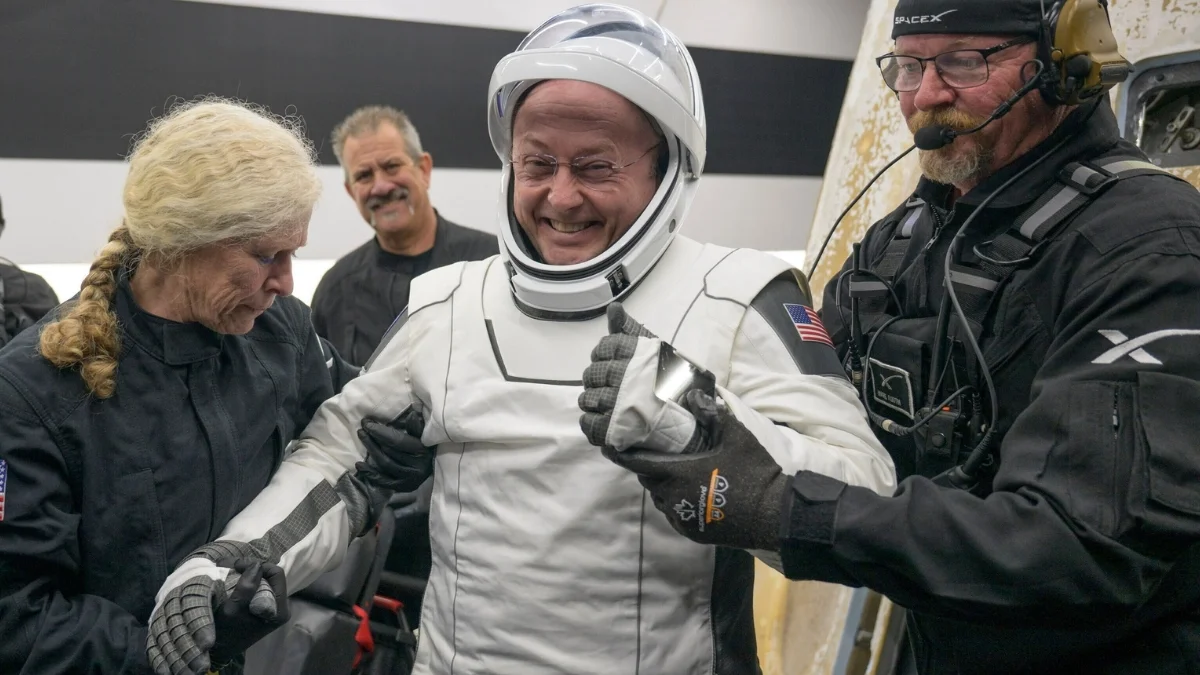
NASA confirmed that astronaut Mike Fincke was the crewmate whose medical issue prompted the International Space Station’s first medical evacuation during a SpaceX mission. Fincke says his condition stabilized thanks to crewmates and ground flight surgeons, and he’s doing well; the exact ailment wasn’t disclosed. An ultrasound used on the station aided the response, and the crisis led to the cancellation of a planned spacewalk. After splashdown and hospital care, the crew returned to Houston. Fincke has 549 days in space across four missions.

Artemis II delayed as Space Launch System rolls back for repairs
space2 days ago

Artemis II delayed as Space Launch System rolls back for repairs

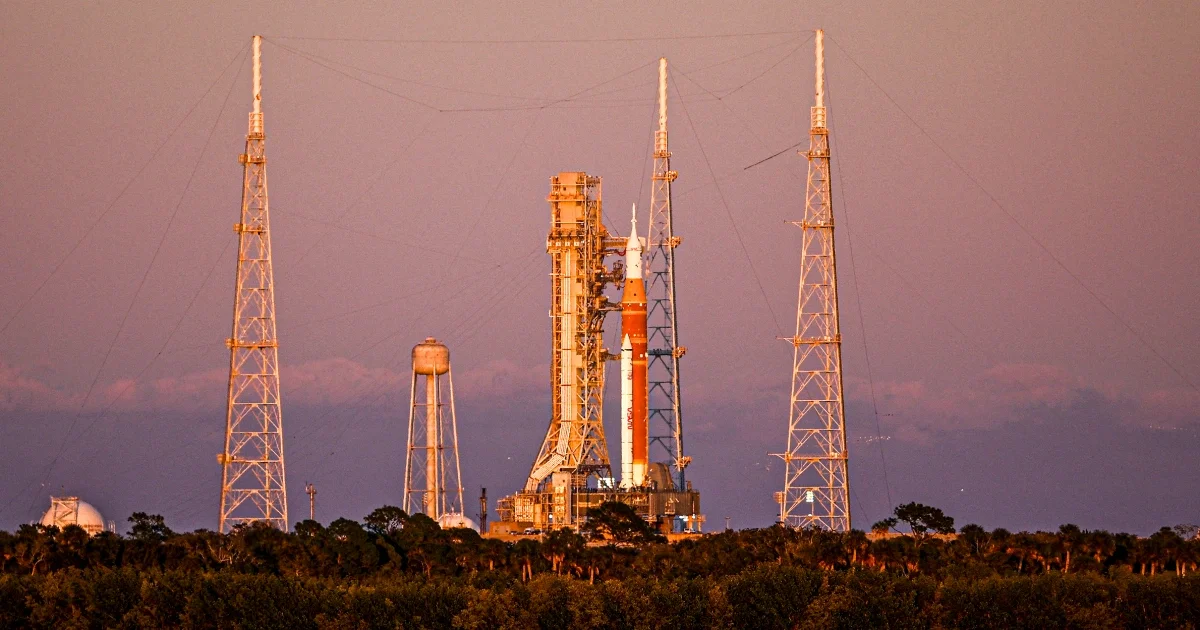
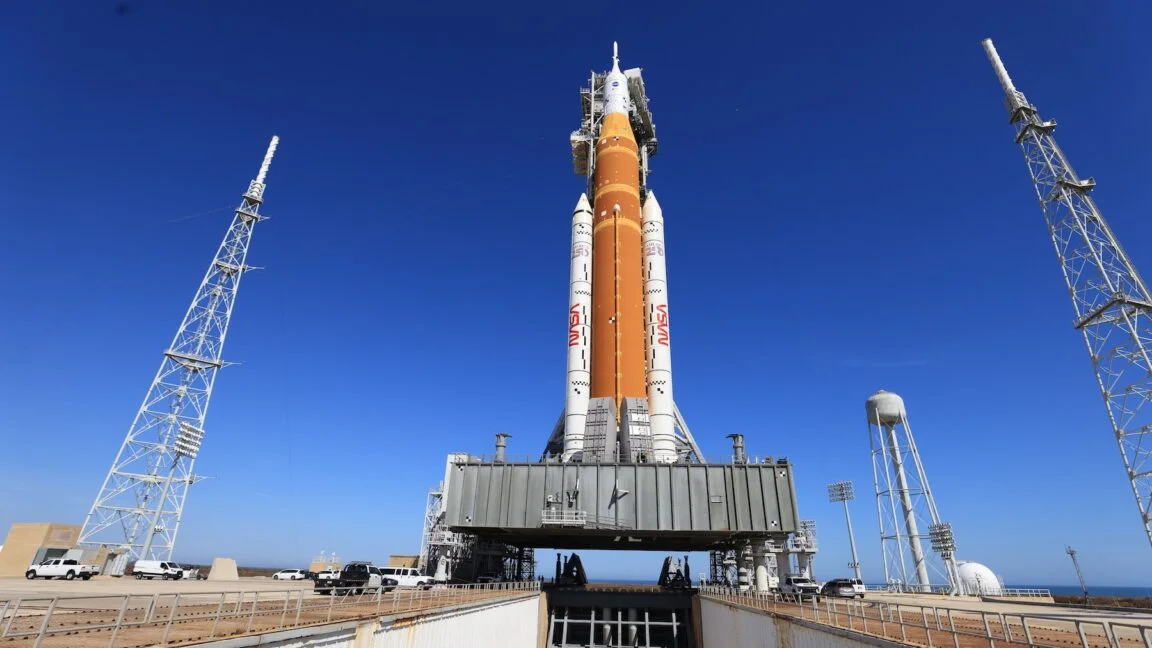
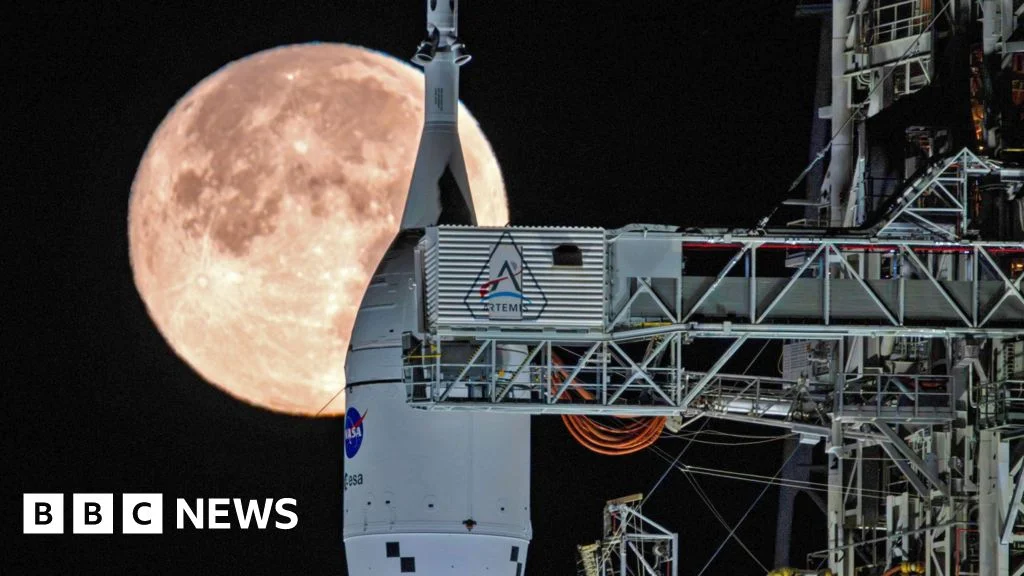
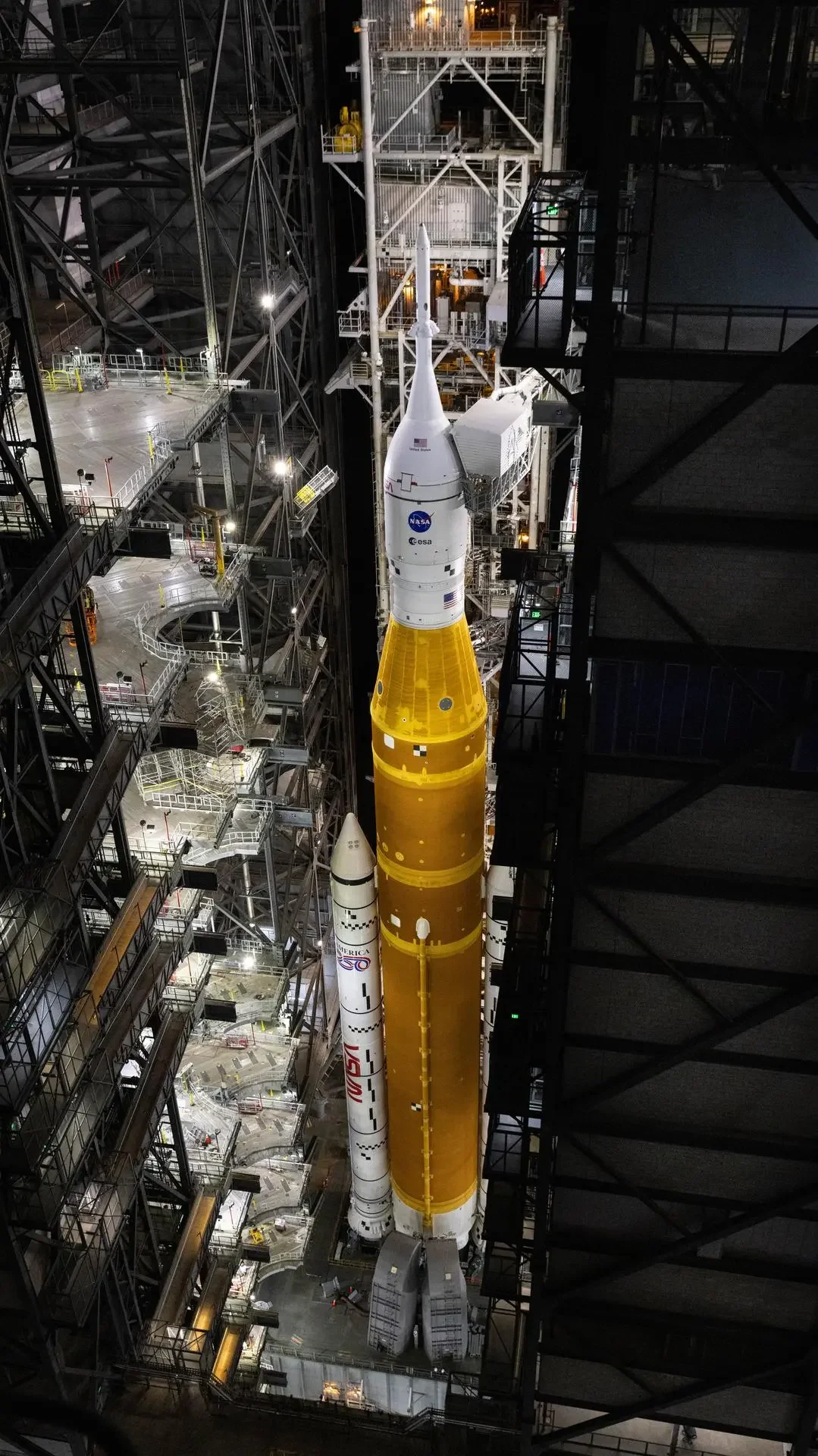
NASA will roll the Space Launch System and Orion back to the Vehicle Assembly Building for repairs after a helium-flow blockage was found in the upper stage, delaying Artemis II’s planned March moon mission to at least April; the 322-foot rocket will be transported slowly on a crawler-transporter, and engineers will replace batteries and the flight termination system as they investigate the issue following a wet dress rehearsal.

Solar Oberth Maneuver Could Put a Spacecraft on Track to Intercept Interstellar Comet 3I/ATLAS
astronomy5 days ago

Solar Oberth Maneuver Could Put a Spacecraft on Track to Intercept Interstellar Comet 3I/ATLAS

Space.com reports a team proposes using a solar Oberth maneuver near 3.2 solar radii to launch a ~500 kg spacecraft in 2035, aided by a Jupiter gravity assist and heavy boosters, to perform a high-speed flyby of interstellar comet 3I/ATLAS by around 2085 at about 732 AU from the Sun. The interceptor would be heat-shielded and not intended to enter orbit, making it a close-proximity encounter rather than a rendezvous. While the concept is theoretically feasible and could push the boundaries of solar-system exploration, researchers note more practical, near-term approaches (like ESA’s Comet Interceptor) could target interstellar objects sooner.

Artemis II on track for March lunar mission after leak-free fueling test
space6 days ago

Artemis II on track for March lunar mission after leak-free fueling test

NASA’s second fueling test of the Space Launch System ended without major leaks, keeping Artemis II on track for a March 6 liftoff (with alternate windows through March 7–11 and a possible slip to April if needed). The 9–10 day mission will carry four astronauts—Reid Wiseman, Victor Glover, Christina Koch, and Jeremy Hansen—around the Moon, a precursor to south-pole landings by 2028. Engineers will review data and complete a Flight Readiness Review while retesting the range safety system; the crew has begun preflight quarantine and final launch timing will depend on ongoing readiness and mission constraints.

Artemis II Targeted for March 6 Launch After Fueling Success
space7 days ago

Artemis II Targeted for March 6 Launch After Fueling Success

NASA plans Artemis II to launch on March 6 after a fueling test cleared delays, sending four astronauts on a 10-day lunar flyby to test systems ahead of Artemis III’s 2028 lunar landing; the crew includes Reid Wiseman, Victor Glover, Christina Koch, and Jeremy Hansen. The article also covers a critical NASA inspector general report on Boeing’s Starliner, noting shortfalls and prompting NASA to withhold flying any crewed Starliner missions until technical issues are resolved.

Artemis II Sets March Window for First Crewed Lunar Flyby Since Apollo
science7 days ago

Artemis II Sets March Window for First Crewed Lunar Flyby Since Apollo

NASA aims to launch Artemis II in early March, sending four astronauts around the Moon for about 10 days aboard the Space Launch System and Orion capsule after a successful wet-dress rehearsal. The crew—Reid Wiseman, Victor Glover, Christina Koch and Jeremy Hansen—will perform Earth orbit, then a distant lunar flyby before returning to Earth, paving the way for Artemis III’s lunar landing and a potential 2028 timeline. The mission marks the first crewed Moon encounter since 1972 and involves ongoing coordination with SpaceX and Blue Origin for future lunar infrastructure.

NASA labels Boeing’s Starliner flight a Type A mishap after near‑catastrophic thruster issues
space-exploration7 days ago

NASA labels Boeing’s Starliner flight a Type A mishap after near‑catastrophic thruster issues

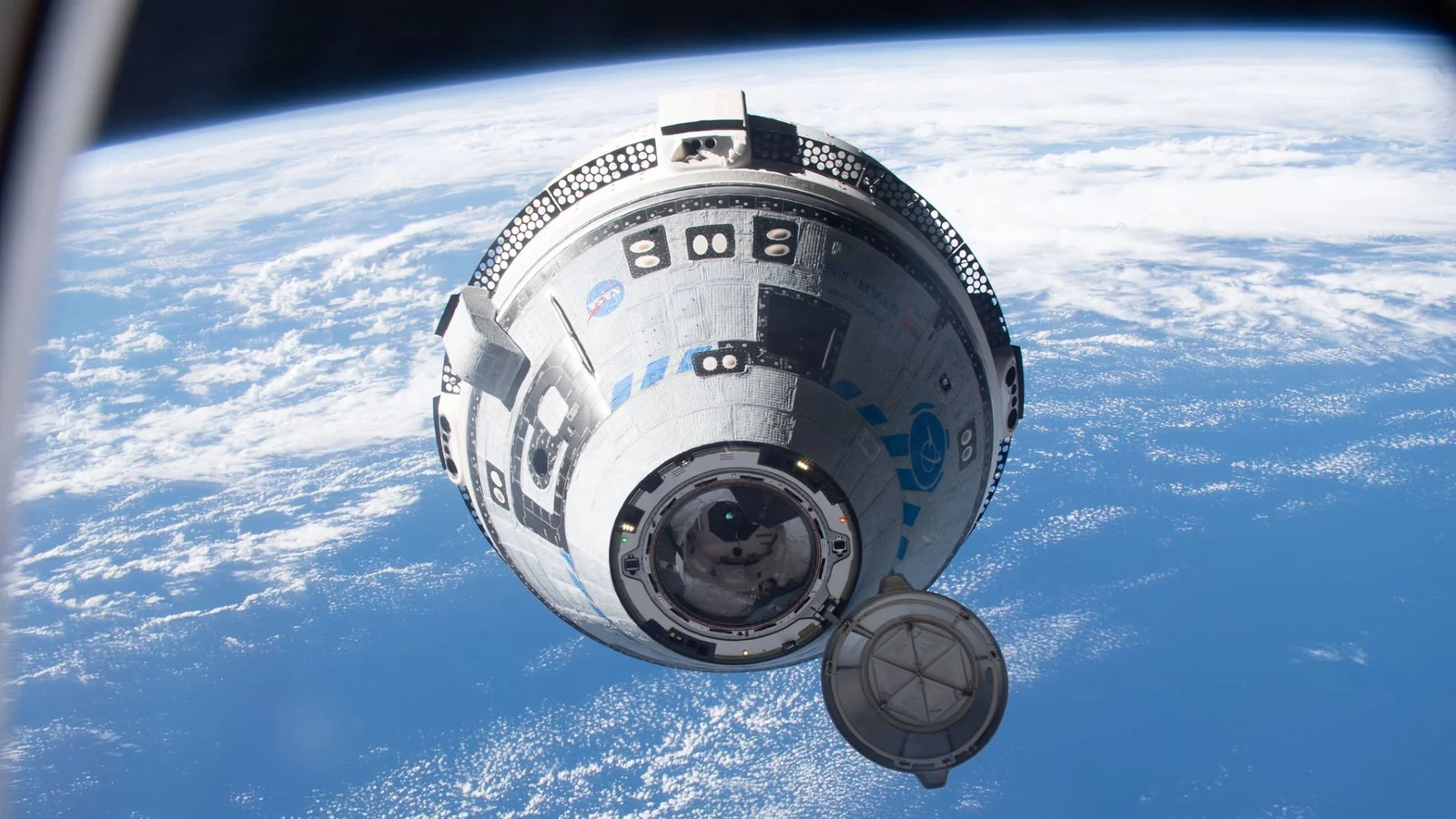
NASA has reclassified Boeing’s Starliner Crew Flight Test as a Type A mishap—the agency’s most serious category—after thruster failures and a temporary loss of control threatened the mission, which nonetheless docked with the ISS. NASA officials stressed that different decisions could have led to a very different outcome and apologized for past classification biases. The investigation is ongoing, Starliner won’t carry astronauts again until thruster issues are resolved, and Boeing/NASA plan a future uncrewed cargo mission to the ISS no earlier than April 2026, with the ISS retirement slated for 2030 and a push for redundant commercial crew options.

Elon Musk Signals SpaceX Shift: From Mars Settlement to a Moon-Based City
sciencespace18 days ago

Elon Musk Signals SpaceX Shift: From Mars Settlement to a Moon-Based City

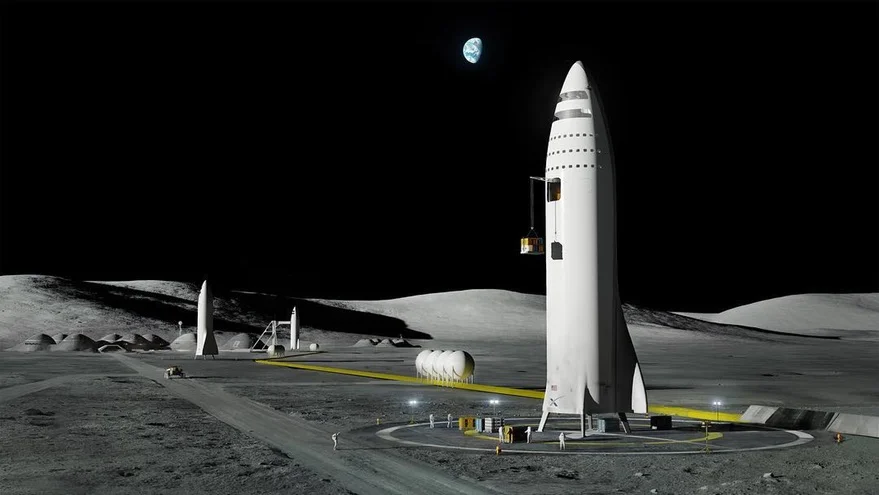
Elon Musk revealed on X that SpaceX is pivoting from a Mars-first goal to building a self-growing Moon city, arguing the Moon could be developed in under a decade while Mars would take 20+ years. The shift comes as Blue Origin has begun demonstrating lunar capabilities and as Musk expands into AI via xAI, with plans that include mass-driver concepts on the Moon to enable in-space construction. The move suggests SpaceX may prioritize near-term lunar development and collaboration with NASA, rather than an immediate push to Mars, even as both destinations remain part of Musk’s broader space ambitions.

63 Days in a Dark Cave Reshaped Our Understanding of Biological Clocks
science19 days ago

63 Days in a Dark Cave Reshaped Our Understanding of Biological Clocks

In 1962, Michel Siffre spent 63 days in a French cave with no time cues, revealing that humans have an internal circadian clock that can run free from the 24-hour day. His findings helped launch chronobiology, informed spaceflight and military confinement protocols, and continue to influence modern research on timing in medicine and astronaut missions. The data remain a reference point for agencies like NASA and ESA, even as the concept of biological time alignment guides current experiments and clinical chronotherapy.