space-science6.815 min read
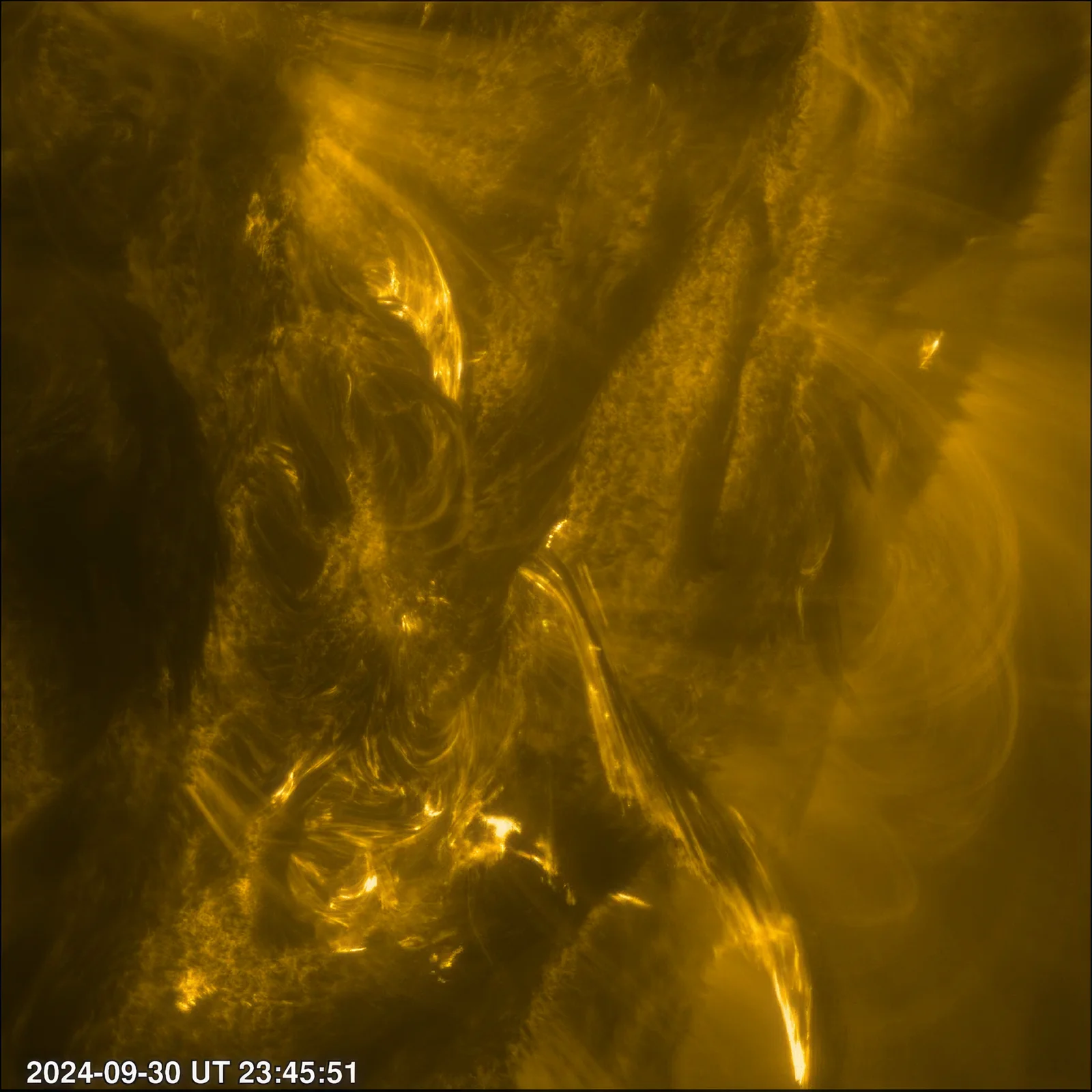
Avalanche of magnetic reconnection powers solar flare, Solar Orbiter reveals
1 month ago•Source: European Space Agency

The latest space science stories, summarized by AI
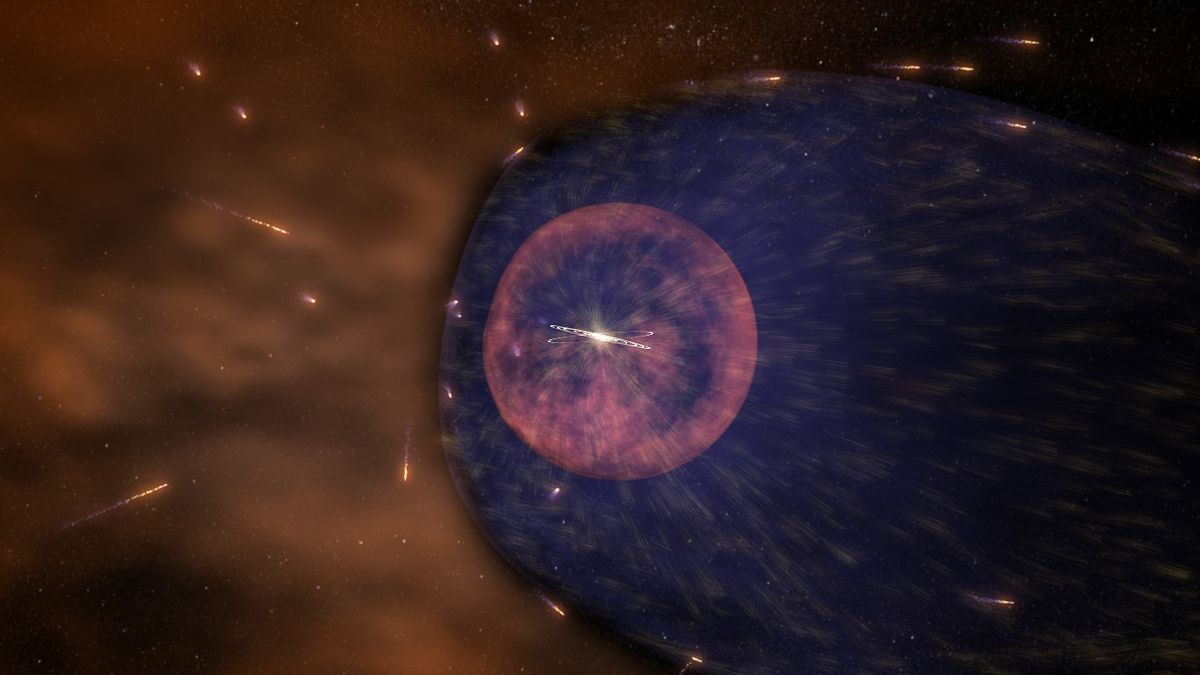
The heliosphere, the vast region of space influenced by the sun, acts as a shield against cosmic rays and interstellar particles. Scientists aim to understand its shape and interactions with the interstellar medium, but current probes like Voyager lack the necessary instruments. NASA is considering launching a new interstellar probe to study the heliosphere from the outside, which could provide invaluable data on its structure and behavior.
Ars Technica•1 year ago
Geo News•1 year ago
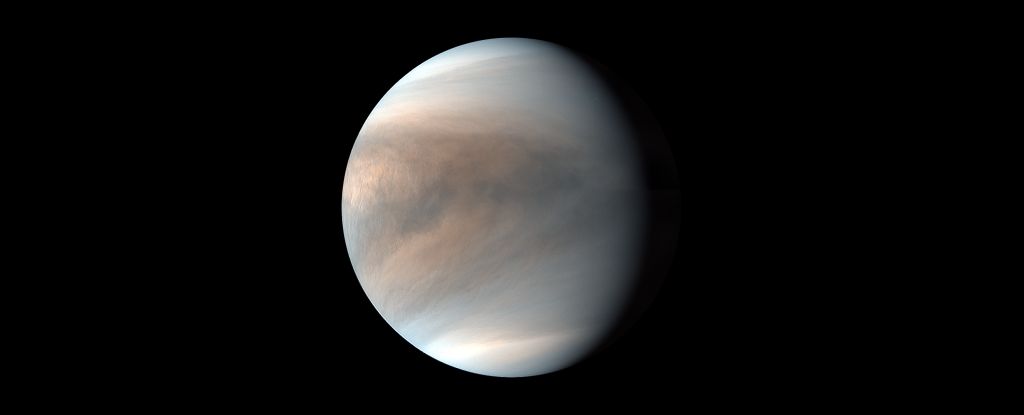
The BepiColombo spacecraft has detected carbon and oxygen leaking from Venus, adding to previous findings on the loss of hydrogen and potentially providing clues to the planet's transformation from a temperate world to a scorching, acidic environment. The discovery, made during flybys of Venus, suggests that the planet's atmosphere has evolved and lost its water over time. With limited in-situ information about Venus, upcoming missions aim to study its escape mechanisms, volcanic activity, and potential for life, shedding light on its historical evolution.
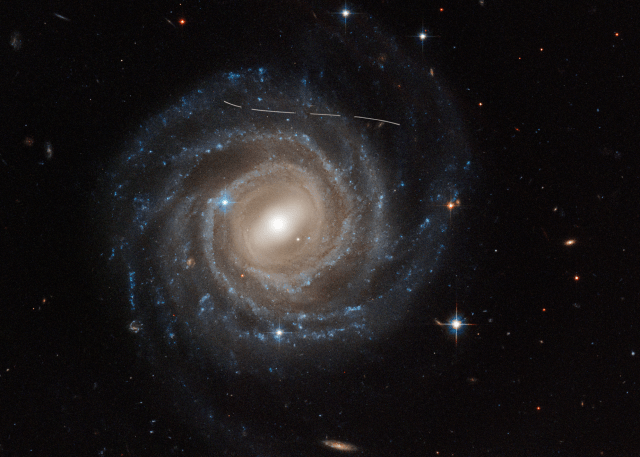
Astronomers used archived images from NASA's Hubble Space Telescope to identify 1,701 asteroid trails, with 1,031 of them previously uncatalogued, including about 400 below 1 kilometer in size. Citizen scientists and a machine learning algorithm were crucial in this effort. The findings provide new insights into the formation and evolution of the asteroid belt, supporting the idea that small asteroids are fragments of larger ones that have collided and broken apart over billions of years. The project will continue to explore the properties of these asteroids and their orbits.
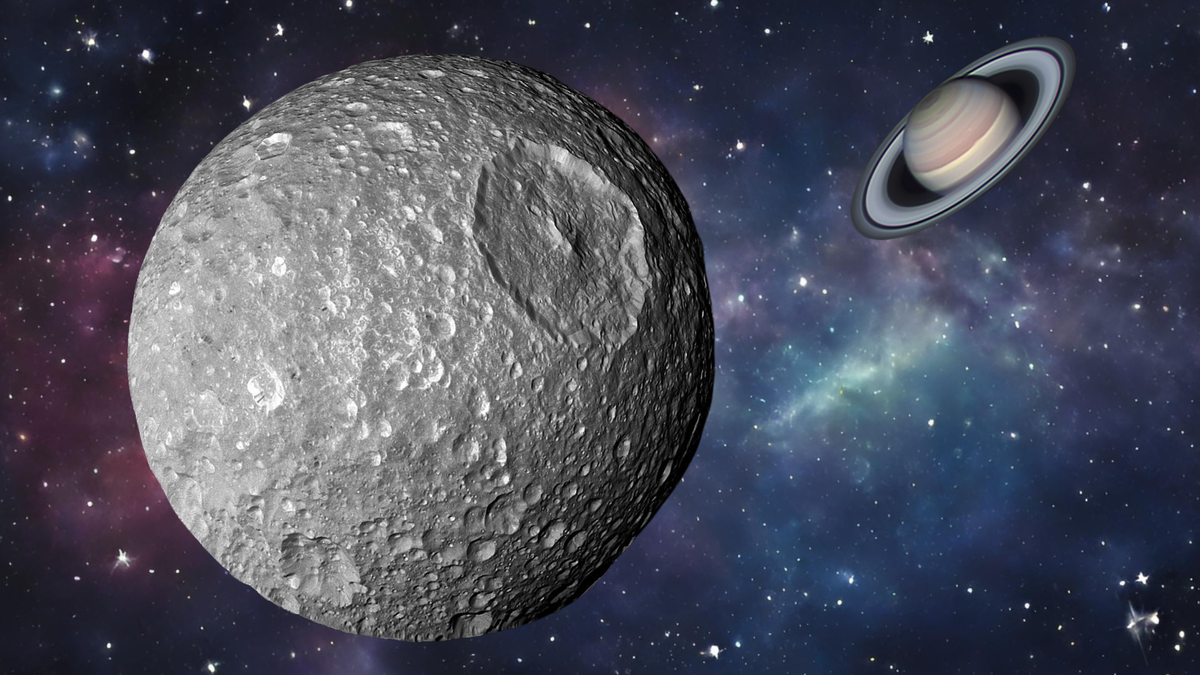
Researchers have proposed that Saturn's moon Mimas may have developed a vast buried ocean due to the planet's gravitational pull, causing the moon's icy shell to melt and thin. This discovery challenges previous assumptions about the potential for subsurface oceans on small moons and could impact the search for life in the solar system. The ocean is estimated to be relatively young, between 2 million and 25 million years old, and accounts for a significant portion of Mimas' volume. The process of tidal heating, driven by the moon's elliptical orbit, is believed to be responsible for the current thinning of the icy shell. This research sheds new light on the formation of subsurface seas and suggests that Mimas may be in a particularly interesting phase of its evolution.
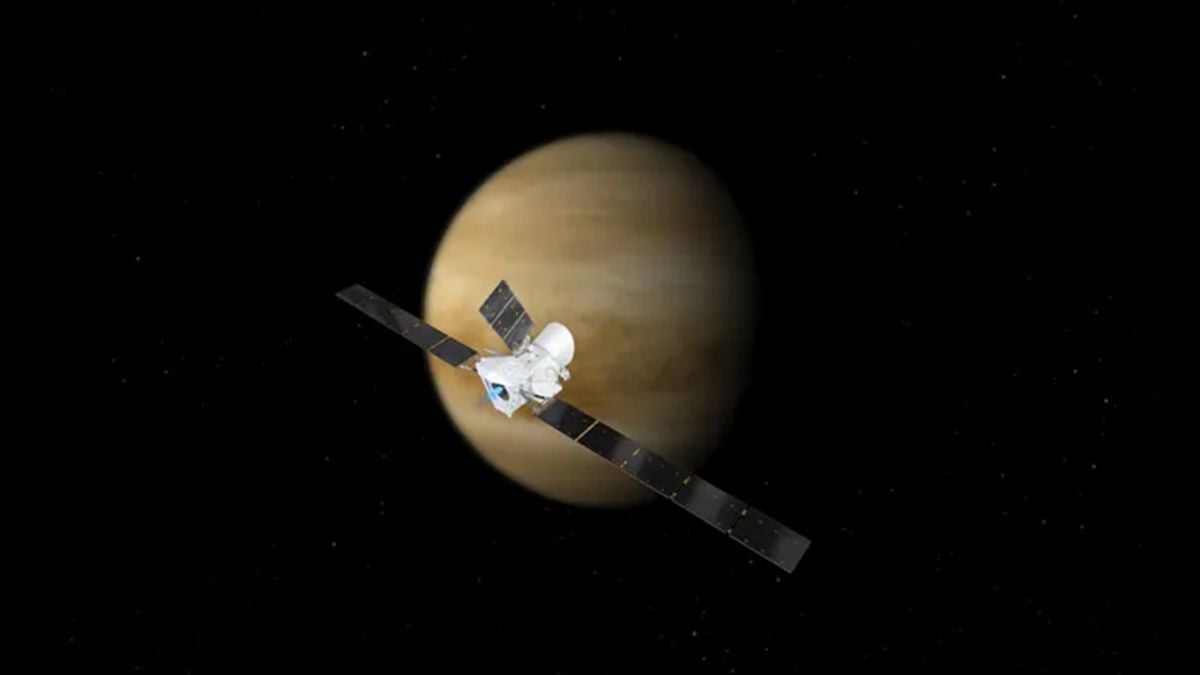
Data from the BepiColombo space probe indicates that Venus is losing carbon and oxygen from its atmosphere due to the escape of charged particles accelerated by sunlight. The lack of a stable magnetic field on Venus allows these ions to escape into space, shedding light on the planet's fragile magnetic environment. Understanding the mechanisms behind this atmospheric loss is crucial for comprehending Venus' evolution and the depletion of its water. This research could pave the way for future missions to Venus, including the upcoming Envision spacecraft and the delayed NASA's DAVINCI and VERITAS missions.
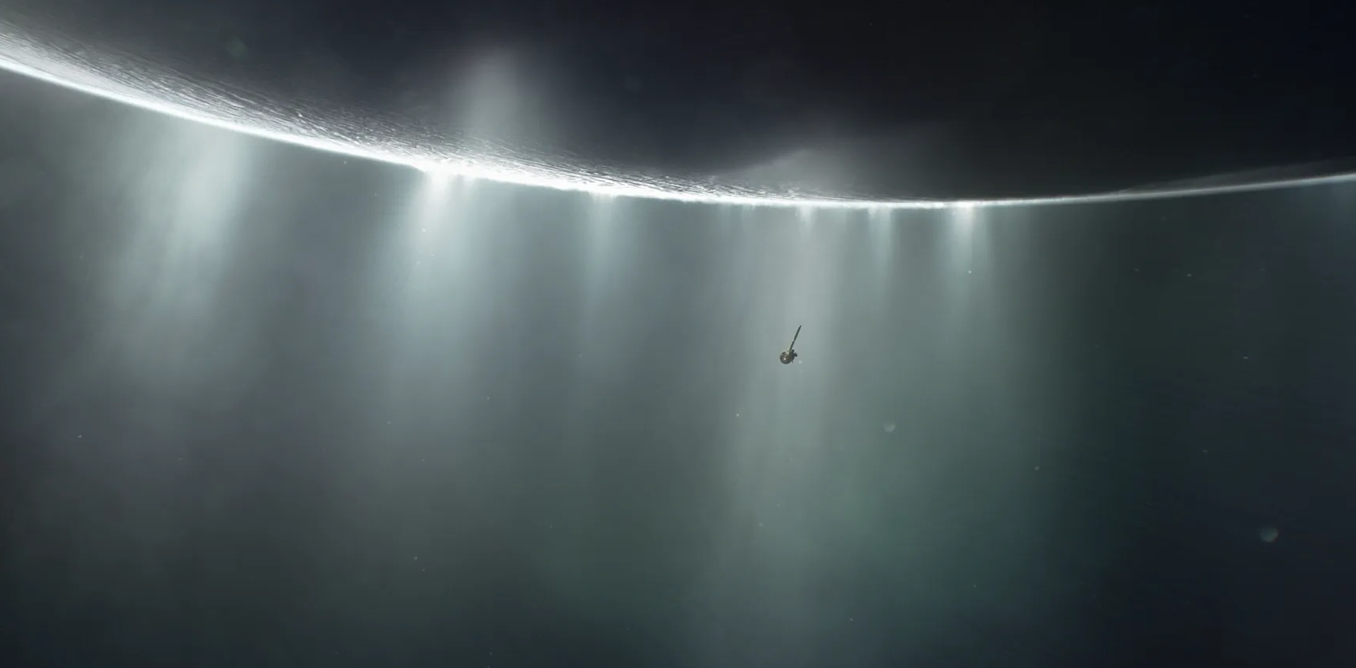
Saturn's moon Enceladus has the potential to support life with its liquid water ocean, carbon-based compounds, and energy generation. Research has shown that instruments on spacecraft could detect and identify traces of life in the emitted ice grains from Enceladus, with promising results from laboratory simulations. Future missions from NASA and the European Space Agency are targeting Enceladus and Jupiter's moon Europa, with plans to use highly capable dust analyzers for ice grain analysis, raising the exciting prospect of discovering life beyond Earth.

NASA-funded research reveals that multi-drug resistant strains of the bacterium Enterobacter bugandensis, isolated from the International Space Station (ISS), have mutated to become genetically and functionally distinct from their Earth counterparts, persisting and coexisting with other microorganisms in the extreme environment of the ISS. This study sheds light on microbial dynamics in closed human-built environments, providing insights for effective preventative measures for astronaut health in space.
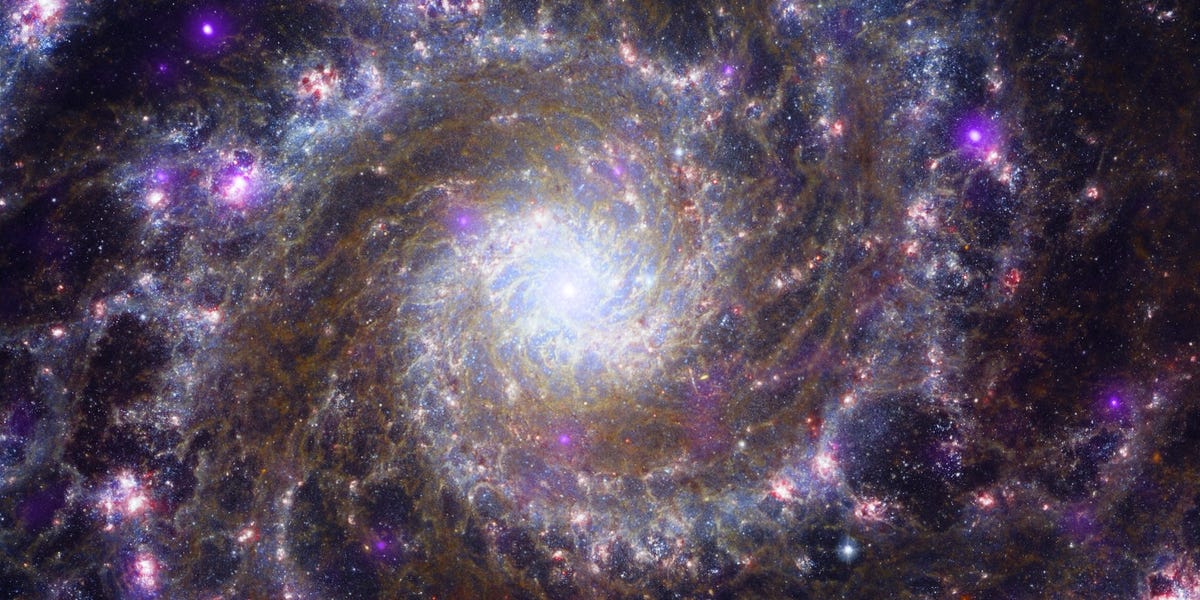
NASA's Chandra X-ray Observatory, known for capturing stunning images of the invisible universe, is facing potential defunding due to budget cuts. The space telescope, which has been orbiting Earth for 25 years, has made significant discoveries, including black holes, dark matter, and colliding neutron stars. Despite its $2.2 billion cost, NASA's budget request for the 2025 fiscal year includes a reduction in Chandra's funding from $68 million to $41 million, potentially jeopardizing its future missions.
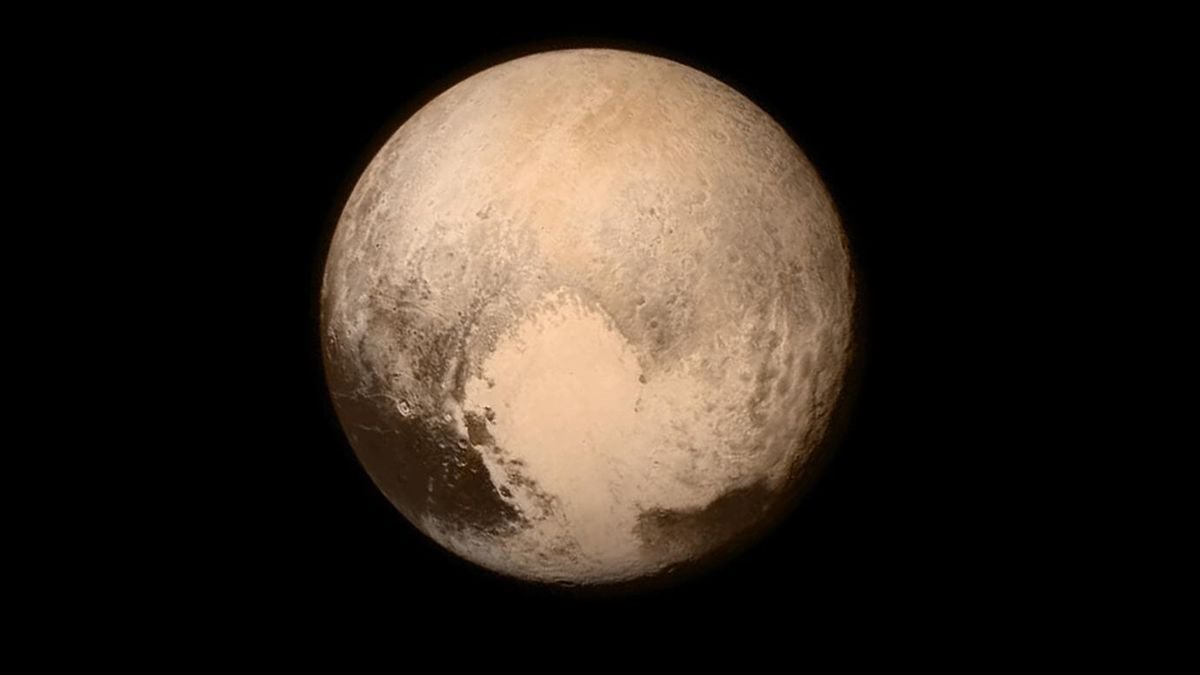
A new study suggests that the heart-shaped formation on Pluto's surface, known as Tombaugh Regio, was likely formed in a slow-motion, glancing collision with an icy rock wider than Kansas is long. Using computer simulations, researchers determined that the impact likely originated from an oblique collision, leading to its elongated shape, and did not result in the melting of Pluto's icy core. The study also suggests that Pluto's heart does not require a subsurface ocean to explain its position near the equator.

Data from the BepiColombo space probe's flyby of Venus reveals that the planet is losing carbon and oxygen from its atmosphere due to the escape of charged particles accelerated by sunlight. Venus lacks a stable magnetic field, allowing its atmosphere to be stripped away, and understanding this process is crucial for comprehending the planet's atmospheric evolution and water loss. BepiColombo's findings could provide valuable insights into Venus' fragile magnetic environment, while upcoming missions to Venus, such as Europe's Envision and NASA's DAVINCI and VERITAS, aim to further explore the planet.
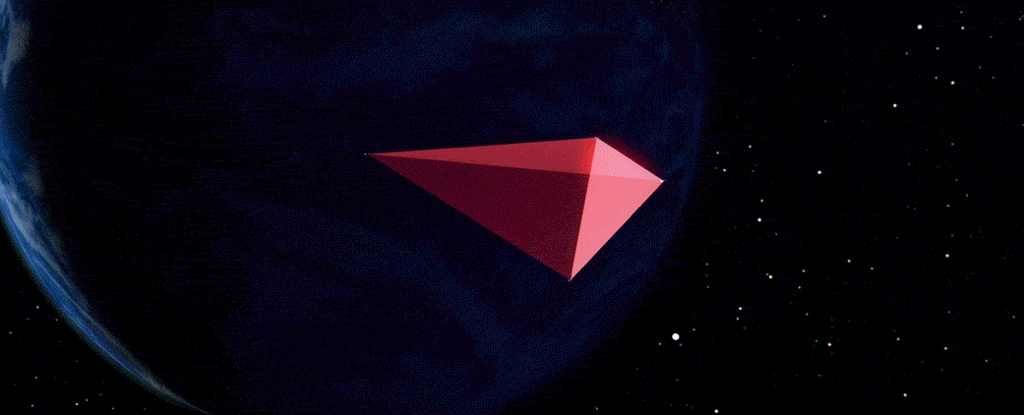
A team of NASA researchers proposed a mission using spacecraft in a tetrahedral formation and interferometers to search for evidence of additional physics within our Solar System, aiming to resolve cosmological mysteries that have eluded scientists for over half a century. The mission would investigate the Sun's gravitational field for deviations from the predictions of general relativity at the Solar System scale, employing local measurement techniques and atom interferometers. This mission aims to enhance the precision of testing general relativity and alternative gravitational theories by more than five orders of magnitude, while also exploring aspects of the solar system and detecting gravitational waves in the micro-Hertz range.