Tag

Rising Prices

All articles tagged with #rising prices

businesspolitics1 year ago

"Lawmakers Investigate Grocery Stores for Price Gouging Amid Pandemic"

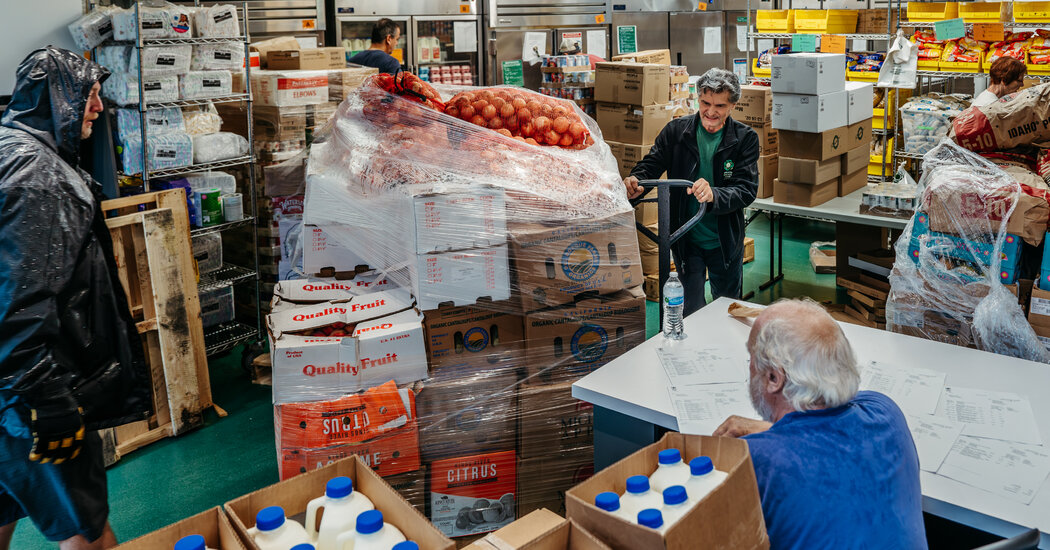
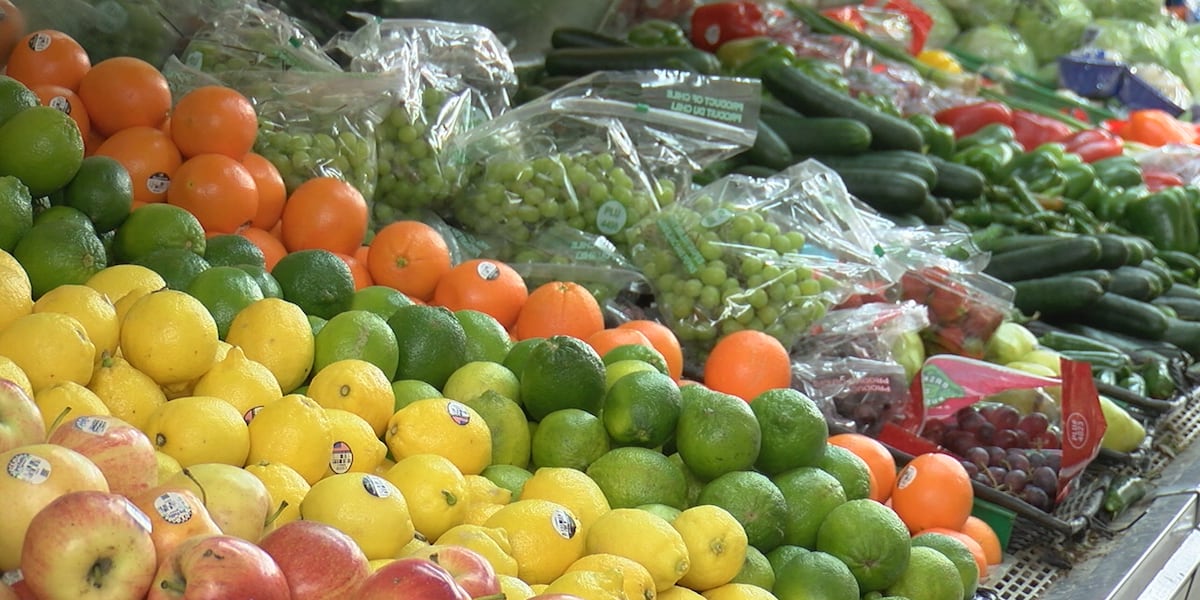
Connecticut lawmakers, led by Democrats, are calling on major grocery stores to disclose their profits following an FTC investigation that revealed a spike in grocery store profits since the COVID-19 pandemic. They argue that rising prices at the grocery store may be due to excessive profits rather than ordinary market fluctuations, and are requesting detailed information from retailers to determine the cause of the increase in grocery prices. However, the Connecticut Food Association has pushed back, stating that there's no solid data to support claims against any Connecticut retailers, while the FTC concluded that additional study on the issue must be conducted.

economics1 year ago

"Rising Inflation: Impact on US Cities and States"

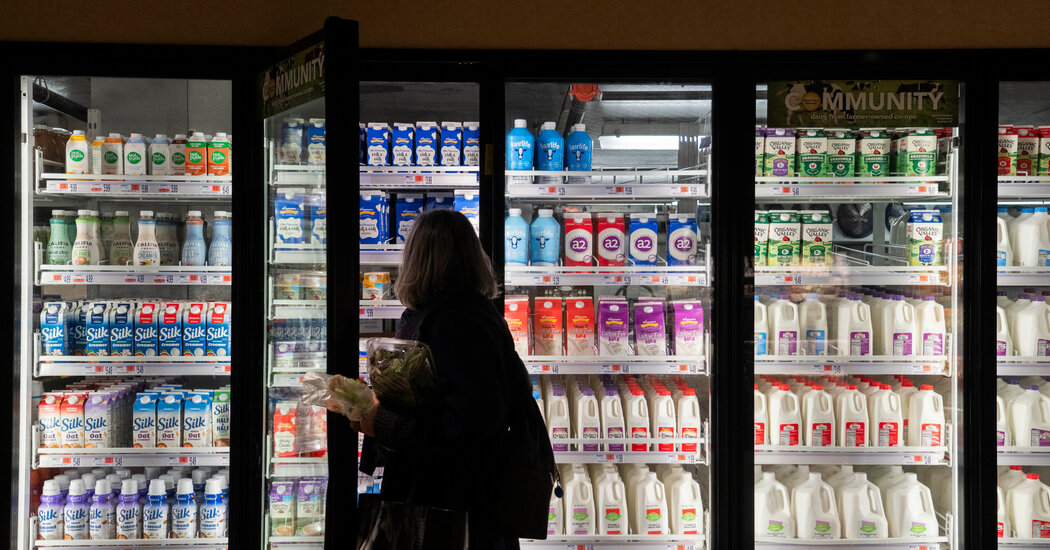
The latest consumer price index (CPI) data from the Labor Department reveals that inflation in the U.S. climbed 3.5% in March from a year ago, impacting some areas more than others. According to WalletHub's analysis of 23 Metropolitan Statistical Areas (MSAs), the cities hardest hit by inflation are Urban Honolulu, Miami-Fort Lauderdale-West Palm Beach, Riverside-San Bernardino-Ontario, St. Louis, and Dallas-Fort Worth-Arlington, with price increases ranging from 3.6% to 4.9% from the same month in 2023.

politics1 year ago

"FTC Report Reveals Large Grocers Exploited Pandemic Supply Chain Disruptions"

The Federal Trade Commission's report revealed that large grocery retailers took advantage of pandemic supply chain disruptions to outperform smaller competitors and protect their profits. The report found that some retailers pressured suppliers to favor them over competitors and hiked prices despite easing supply chain pressures, leading to elevated profits. The FTC's actions, including suing to block a major acquisition, have supported the Biden administration's efforts to address rising prices, with President Biden also targeting food companies for practices like "shrinkflation."

financeinsurance1 year ago

"Rising Insurance Premiums: The Impact on Colorado Homeowners and Drivers"

Home and auto insurance premiums are surging across the country, with homeowners seeing an average increase of more than 11% and auto insurance climbing even faster. Insurance companies attribute the surge to the need to catch up after two years of big losses, rising labor and material prices, and a mounting toll of natural disasters. While state regulators have some power to limit price hikes, insurance companies tend to have the upper hand, leading to concerns about escalating rates of uninsured drivers and homeowners.

economy2 years ago

The Perils of Inflation and Overspending

Inflation is expected to ease through 2024, but half of Americans feel worse off financially compared to a year ago, with rising prices being a major concern. While inflation has slowed, prices for essentials like bread and chicken have continued to rise, and gas prices remain high. Homeownership and renting have become more difficult, with mortgage rates at their highest in two decades and the national median rent price increasing from $1,500 to $1,900 since January 2020. Americans have also accumulated $1.8 trillion in credit card debt, with more people falling behind on payments.

economy2 years ago

Global Consumer Confidence Continues to Decline for Third Consecutive Month

Consumer confidence in the US dropped for the third consecutive month, reaching its second-lowest level this year, according to the Conference Board's Consumer Confidence Index. The decline is attributed to concerns about rising prices, particularly for groceries and gasoline, as well as worries about the political situation and higher interest rates.

real-estate2 years ago

Housing affordability plummets as savings lose value in 2021

The combination of rising prices and climbing mortgage rates is making it increasingly difficult for homebuyers to afford a house. Data shows that a homebuyer's dollar goes about half as far as it did at the end of 2020. Mortgage rates have increased significantly, with the average interest rate on a 30-year fixed-rate mortgage now at 7.63%. Additionally, the median sale price of a single-family home has risen to over $416,000. The affordability index has dropped to its lowest level since October 1985. The shortage of homes for sale and the reluctance of homeowners to sell and buy at higher interest rates have further exacerbated the housing market challenges.

lifestyle2 years ago

"The Rising Costs: People Reveal What's No Longer Worth the Price"

Reddit users have shared their frustrations over the rising prices of everyday items that are no longer worth the cost. Fast food, streaming services, peer-to-peer rentals, junk food, and unnecessary grocery store products were among the commonly mentioned items. Other expenses that were deemed too expensive included concerts, fixing things, haircuts, coffee, theme park trips, going out drinking, buying new cars, watching movies in theaters, thrifting, live sporting events, eating out, and boxed cereal. Many users expressed their disappointment with the increasing costs and sought alternatives to these once-affordable indulgences.

real-estate2 years ago

Housing Market Turmoil: Rising Mortgage Rates Lock Buyers Out

Homebuyers are feeling locked out of the housing market as prices continue to soar and mortgage interest rates reach new highs. Many prospective buyers are compromising on their preferences and increasing their budgets, but still struggle to find affordable homes in desirable areas. The limited supply of homes for sale is exacerbating the situation, with few homeowners willing to sell despite the favorable market conditions. Realtors and experts warn that the supply needs to double to moderate price increases. While prices may eventually stabilize, a significant decrease is unlikely, especially with mortgage rates remaining high.

real-estate2 years ago

National Home Sales Decline Amidst Inventory Shortage and Rising Prices

Existing home sales in the US fell by 0.7% in August, with a 15.3% drop compared to the same time last year, as high mortgage rates and a lack of inventory continue to impact the real estate market. The national median sales price reached $407,100, a nearly 4% increase from a year ago. Limited supply of properties has led to stiff competition, with 72% of properties sold in August on the market for less than a month. Rising mortgage rates, now at 7.18%, are further hindering potential buyers.

real-estate2 years ago

Low Inventory Continues to Impact Housing Market and Investors

The housing market in the Washington, D.C. area is experiencing a shortage of inventory and rising prices, as interest rates discourage both buyers and sellers. Nationwide, housing inventory remains historically low, with one in three sellers receiving more than the asking price. In the D.C. region, monthly listings are down nearly 30% from last year, and prices continue to climb. Buyers are advised to adjust their expectations and compete harder for available housing, potentially spending more, buying smaller properties, or commuting farther. The ability to pay cash is advantageous in this market, but first-time homebuyers without cash face significant challenges. Uncertainty around remote work policies and the push for federal employees to return to the office are also impacting the market. Renting is becoming a more favorable financial decision for some, as rents increase modestly. Real estate agents advise buyers to act now, as there is no evidence to suggest that home prices will go down in the next five to ten years.

social-issues2 years ago

Rising Poverty and Falling Incomes: The Impact of Aid Cuts and Economic Challenges

The poverty rate in the United States soared to 12.4% in 2022, the largest one-year jump on record, as federal aid programs expired and living costs rose. Poverty among children more than doubled, reaching 12.4% from a record low of 5.2% the previous year. The increase in poverty reversed two years of large declines driven by pandemic safety net programs. Median household income fell 2.3% to $74,580, adjusted for inflation, due to the impact of rising prices. The poverty threshold also rose sharply, contributing to financial hardship for many families.

global-economy2 years ago

Global Rice Shortage Sparks Soaring Prices and Heightens Concerns

A rice shortage caused by India's ban on rice exports and the impact of the El Nino weather phenomenon is driving up prices globally, putting vulnerable populations at risk. With India being the largest exporter of rice, the ban has created a gap of around 10.4 tons of rice, roughly a fifth of global exports. Countries are scrambling to secure rice supplies, and there are concerns that other nations may follow India's lead, exacerbating the shortage. Extreme weather events and the growing demand for rice in Africa further contribute to the precarious food security situation.

global-food-security2 years ago

"Rice Shortages and Soaring Prices Threaten Global Food Security"

Global food security is at a critical juncture as rice shortages and surging prices impact vulnerable populations. Kenya's rice prices have soared due to higher fertilizer costs and a prolonged drought in the Horn of Africa, while India's ban on rice exports has created a gap of approximately 9.5 million metric tons. The El Nino weather phenomenon and Russia's halt on Ukrainian wheat exports further exacerbate the situation. Countries heavily dependent on rice imports, such as Senegal and the Philippines, are struggling to cope, while Asian nations, where 90% of the world's rice is grown and consumed, are grappling with production challenges. The global impact of these shortages and price hikes is significant, particularly for the most impoverished nations.

economics2 years ago

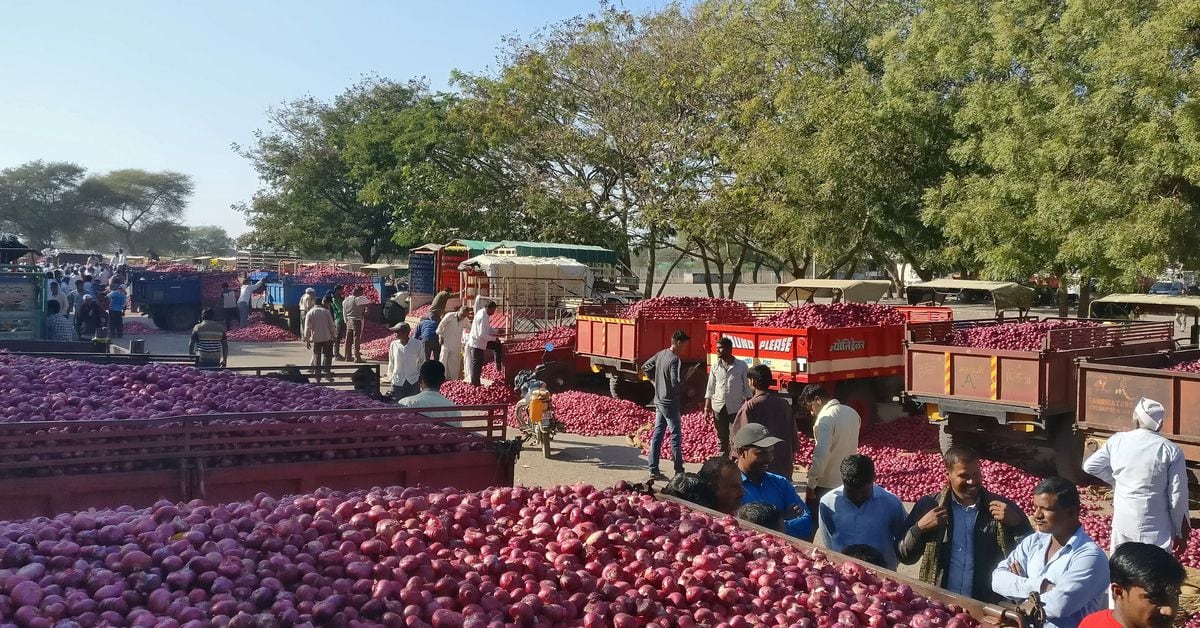
India Implements 40% Export Duty on Onions to Stabilize Prices

India has imposed a 40% export duty on onions until December 31 in an effort to increase the availability of the vegetable domestically and curb rising prices. The move is expected to make Indian onions more expensive than those from Pakistan, China, and Egypt, reducing exports and helping to lower local prices. Erratic weather conditions and a dry August have raised concerns about lower onion yields, prompting the government to take precautionary measures. The export duty may lead to price increases in other Asian countries that rely on Indian onion shipments.