Zillow ranks Providence as the 4th hottest real estate market in the U.S. for 2026, citing strong price growth, low inventory, and high buyer competition, with markets like Hartford, Buffalo, and San Jose also leading in demand and appreciation forecasts.
Institutional investors own a small overall share of US single-family rental homes, but their ownership is heavily concentrated in Southern and Sun Belt cities like Atlanta, Dallas, and Phoenix, where they control significant portions of the rental market. President Trump has proposed banning large institutional investors to make homeownership more affordable, but experts argue that the real issue is a nationwide housing shortage, and that concentration of ownership could lead to higher rents and market power concerns.
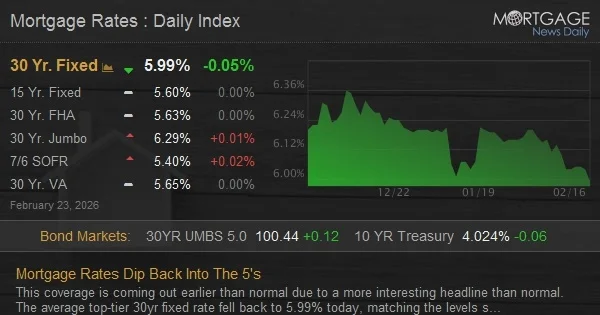
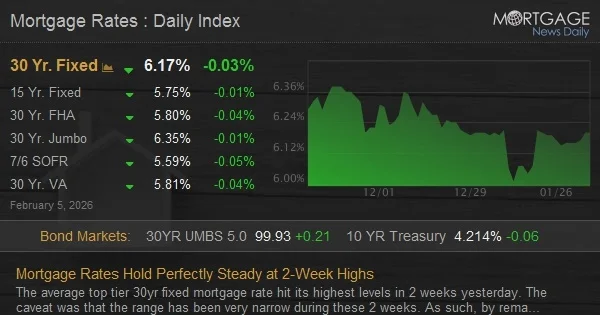
Mortgage rates dropped below 6% for the first time in nearly two years after a Trump proposal to buy $200 billion in mortgage bonds, which increased bond prices and lowered yields, potentially boosting the housing market and refinancing activity.
Mortgage rates have fallen to a three-year low due to a surprise $200 billion GSE MBS purchase, but volatility remains high, and the final impact on rates is uncertain as lenders adjust their offerings.
Mortgage rates are expected to remain around 6.16% into 2026, with some fluctuations influenced by Federal Reserve policies and the 10-year Treasury yield. While rates may slightly decrease if the Fed cuts rates, other factors like home prices and housing supply also impact affordability. Buyers should focus on affordability and strategic financing options rather than waiting for rates to drop significantly.
Mortgage rates in the US fell below 6% for the first time in years after President Trump announced plans to buy $200 billion in mortgage bonds, leading to a significant drop in interest rates and potentially boosting home affordability, although the overall impact on the housing market may be limited due to existing low mortgage rates and the relatively small size of the bond purchase relative to the total market.
President Donald Trump announced plans for the federal government to buy $200 billion in mortgage bonds to help lower mortgage rates and improve home affordability, using cash from Fannie Mae and Freddie Mac, amid ongoing concerns about rising home prices and limited housing inventory.
New condos in Ann Arbor, popular among Michigan football fans and alumni, are often used as second homes by wealthy out-of-town owners, raising concerns about their impact on the local housing supply. The article also covers stories on Kalamazoo's homelessness challenges, Michigan layoffs in 2025, Jackson's upcoming developments including a Five Guys opening, and Denny's restaurant closures and sale plans.
Mortgage rates have dropped to their lowest in 15 months, mainly due to Federal Reserve rate cuts and economic data influencing bond yields, which benefits homebuyers but is affected by the 'lock-in' effect and economic uncertainties. Experts predict rates will stay in the low 6% range through 2026.
President Trump is set to appoint a new Fed chair, which will mark his direct influence over the US economy, amid ongoing debates about inflation, interest rates, and housing affordability. Despite his claims of economic success, many Americans feel the economy is struggling, with issues like high inflation, stagnant wages, and housing shortages persisting. Trump's economic policies and blame game are unlikely to significantly alter these fundamental problems, which are shaping voter sentiment ahead of the midterms.
Mortgage rates are expected to remain stable in January 2026, around 6%, with potential slight decreases later in the year, influenced by economic data and inflation trends, impacting buyer affordability and market activity.
Mortgage rates in the U.S. have fallen to their lowest in 2025, with the 30-year rate dropping to 6.15%, boosting prospects for homebuyers despite ongoing affordability challenges and economic uncertainties.
Mortgage rates in 2025 have fallen to their lowest levels of the year, boosting optimism in the US housing market. With rates dropping to 6.15% for 30-year fixed loans, and homebuyer demand increasing, the market may see stronger sales in 2026, despite ongoing affordability challenges and low existing home sales. Future rate movements are expected to remain limited, with the Federal Reserve signaling minimal cuts.
Mortgage rates have slightly decreased in 2025, reaching their lowest point for the year at 6.15% for 30-year fixed mortgages, but are unlikely to drop below 6% in the near future. The Federal Reserve's rate cuts in 2025 have influenced mortgage trends, but rates tend to follow the 10-year Treasury yield more closely. Despite the slight decline, high home prices and limited supply continue to challenge affordability, suggesting buyers should focus on affordability and strategic financing options rather than waiting for lower rates.
The housing market shows signs of improvement with declining mortgage rates and slowing home price growth, leading to increased buyer activity and a potential better market for buyers in 2026. However, affordability remains a concern due to high borrowing costs, and economic uncertainties continue to influence buyer confidence and builder activity.