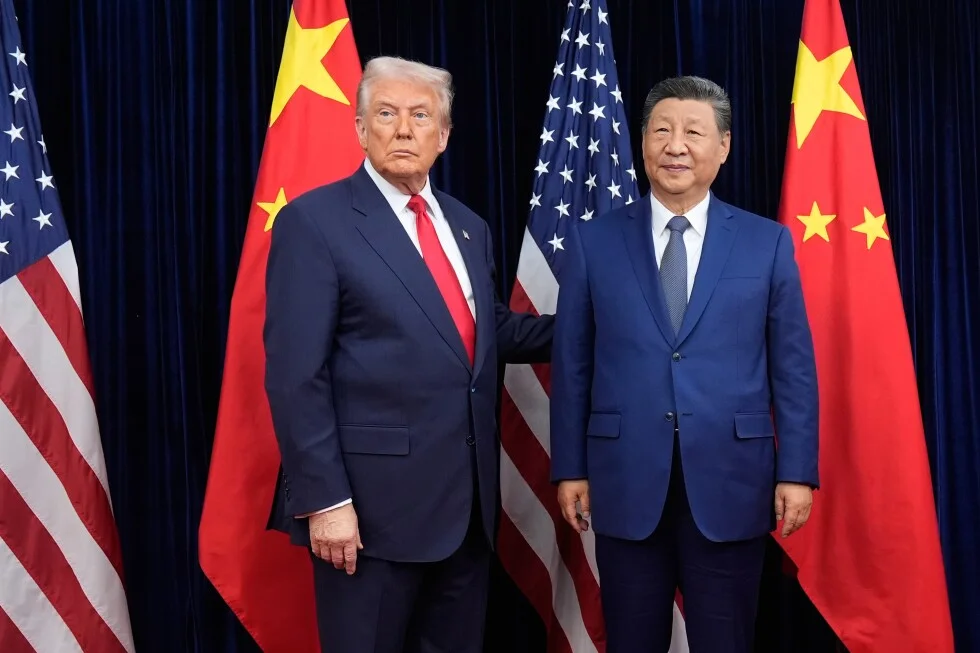
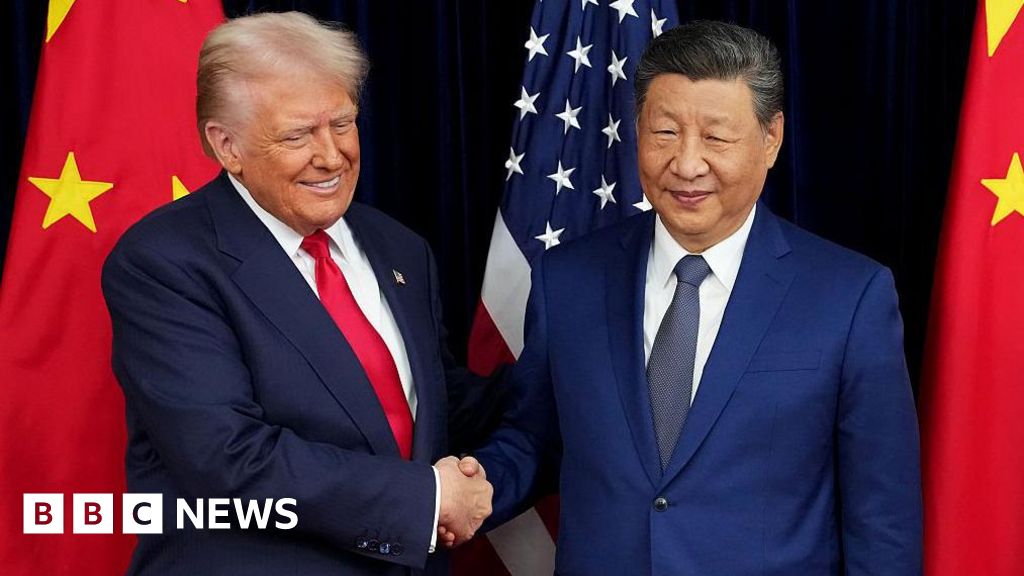
A tariff ruling has added new uncertainty to US-China trade relations, signaling possible policy shifts and prompting businesses and markets to reassess expectations as Washington and Beijing navigate tariffs amid ongoing tensions.
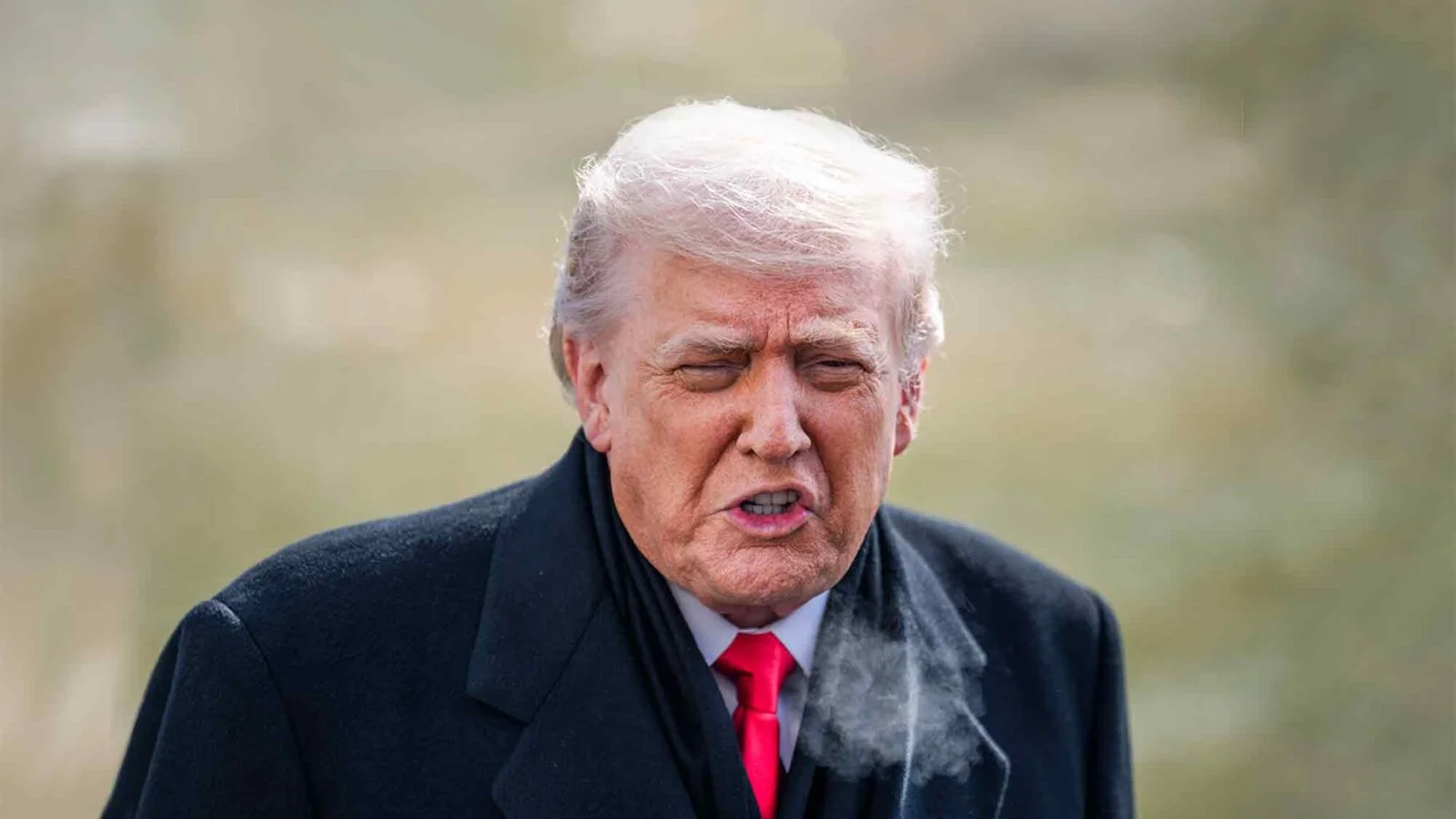
After a controversial Davos appearance, the piece argues that Trump’s presidency has eroded U.S. credibility, leaving America isolated as China and India rise and new trade blocs form with Europe and other partners, suggesting a shifting global order where the U.S. no longer reliably leads the world.
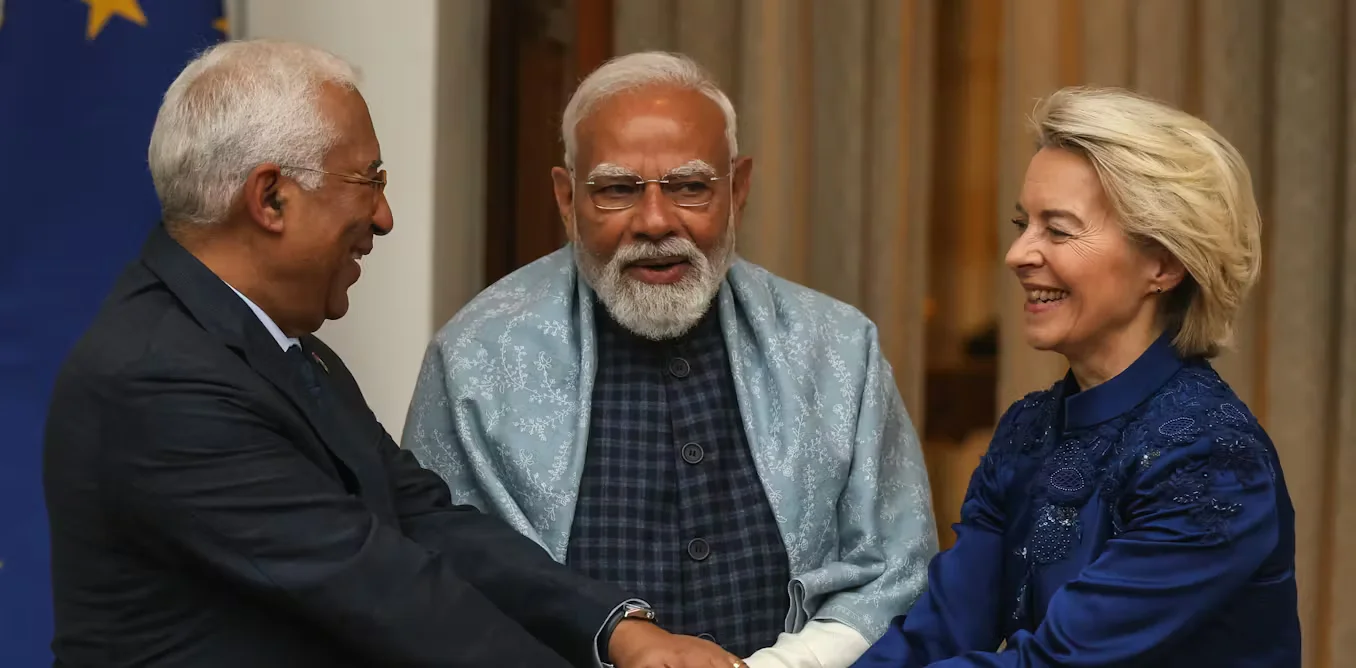
The EU and India announced a sweeping free trade agreement that will remove or cut tariffs on 96.6% of EU goods to India and open EU markets to Indian products, with autos a major beneficiary as vehicle tariffs could fall to as little as 10% within a 250,000‑vehicle quota. India gains nearly universal access on machinery, chemicals and pharmaceuticals, while wine, textiles, marine products and other labour‑intensive Indian exports will face tariff reductions in the EU. The deal excludes broader commitments on labour rights and environmental standards and preserves protections for sensitive European sectors like beef and dairy. Seen as a strategic move to diversify away from US protectionism and to signal resilience in a rules-based trading system, the pact also has implications for Australia‑EU negotiations and broader global trade realignment.
Japan’s currency moves and a sharp sell-off in long‑dated bonds signal a turning point for its massive debt and the overseas investments it supports; if investors pull back, global capital could tighten, lifting long‑term rates, denting asset values, and triggering spillovers into U.S. markets as confidence in debt‑heavy economies wanes.
President Trump’s shift away from U.S.-led globalization toward an America First approach is reshaping the global economy, with allies warning the move could raise economic risks as trade and investment links recalibrate in a less integrated, more unruly order.
At Davos, AI-driven disruption and a shifting global order dominated conversations as leaders questioned when AI investments will pay off, while Trump’s Greenland brinkmanship briefly disrupted the forum before tariff de-escalation and a framework for future trade underscored Davos's renewed relevance.
China’s population declined for a fourth straight year to 1.405 billion in 2025, with births at a record low of 7.92 million and a birth rate of 5.63 per 1,000, while deaths rose, signaling an aging, shrinking workforce that could slow China’s growth and weigh on the global economy; despite about 5% GDP growth in 2025 and a record trade surplus, fertility-boosting policies have largely failed to reverse the trend, which aligns with a global shift toward lower fertility.
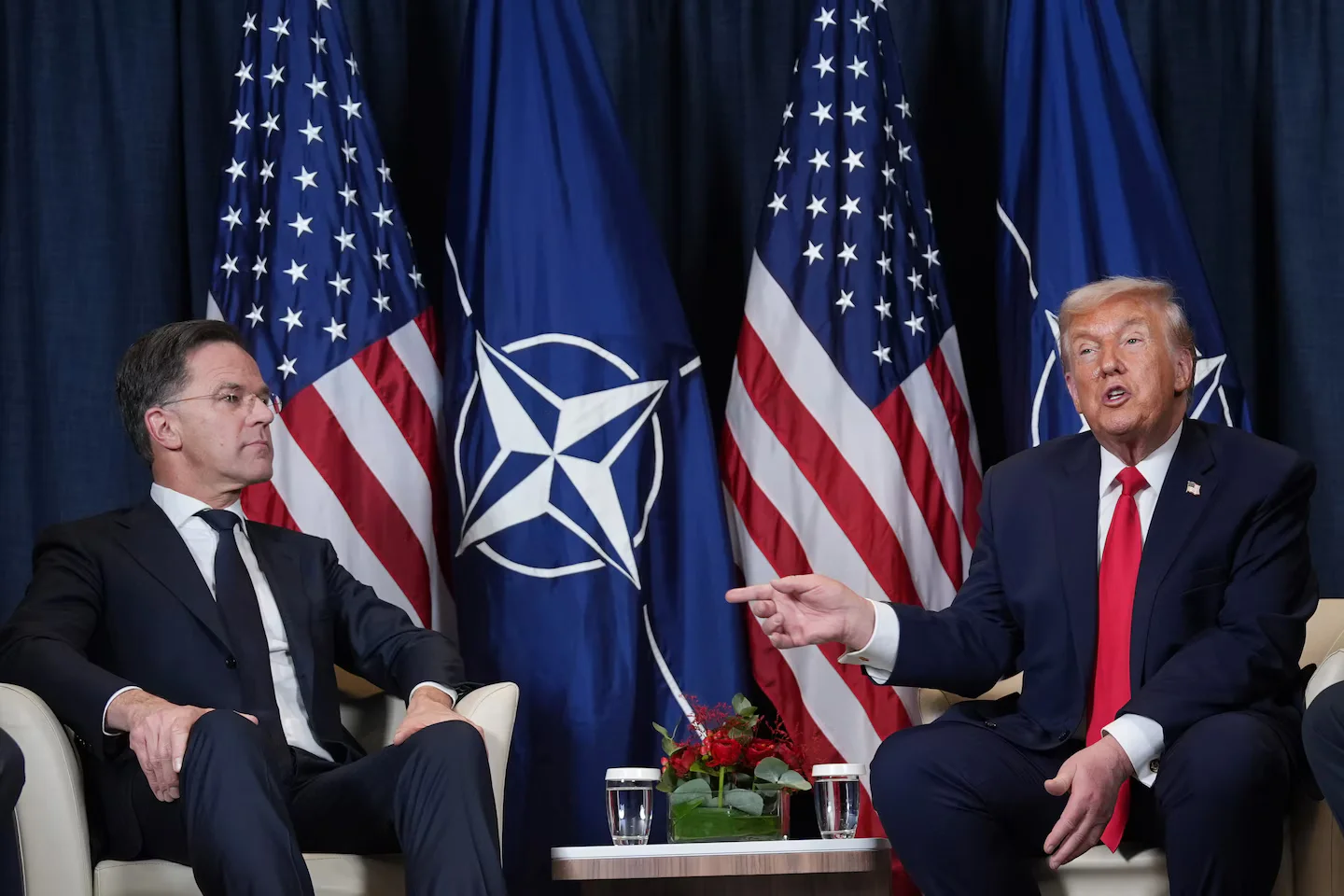
The IMF warned that Trump’s tariffs on NATO allies over Greenland could spark a 'spiral of escalation' between the US and Europe, risking slower global growth and market volatility, and hurting households unless diplomacy prevails ahead of Davos.
About a quarter of developing countries are poorer now than in 2019 due to post-pandemic shocks, with many in sub-Saharan Africa; while some economies posted modest growth, global growth is slowing and not enough to reduce poverty. The World Bank notes China’s projected growth of about 4.4% this year and 4.2% next, and urges tighter budgets, more private investment and trade liberalization, and investment in technology and education to sustain growth amid high debt and aging populations.
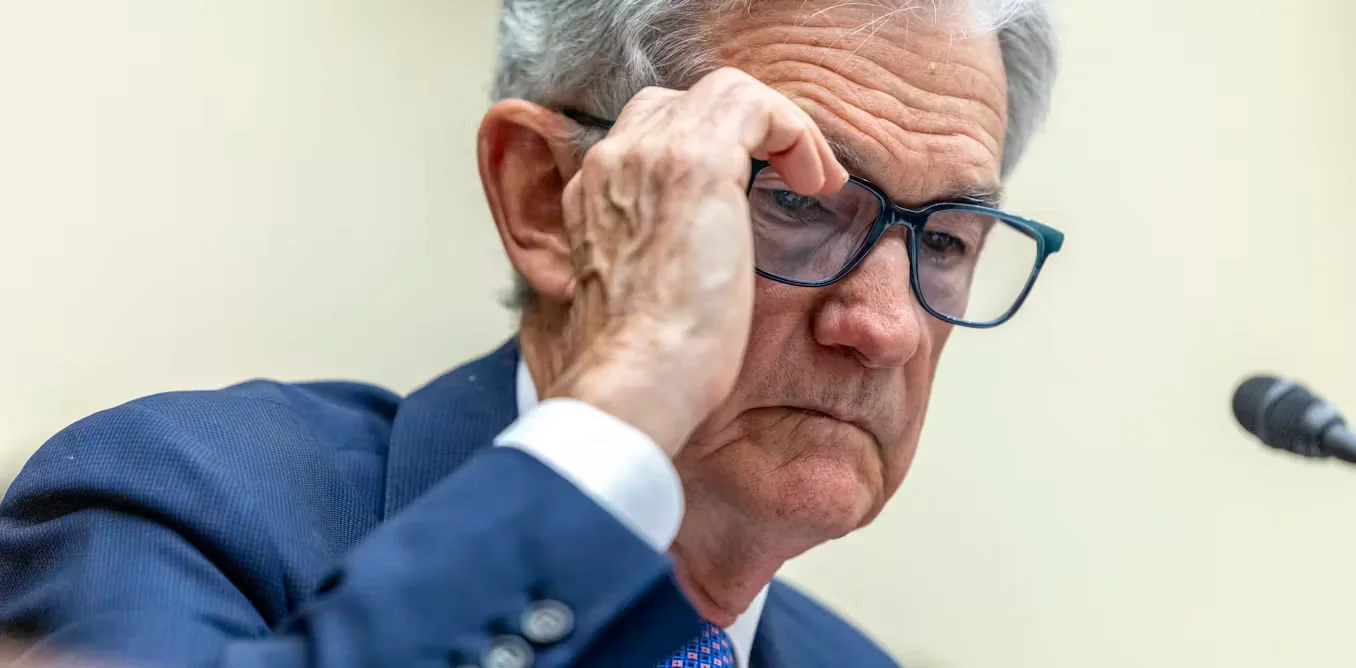
In an unusual show of international unity, central bankers from Australia, Brazil, Canada, Europe, New Zealand, South Africa, South Korea, the United Kingdom and more issued a joint statement backing Fed Chair Jerome Powell as he faces a criminal probe and sustained political pressure from Donald Trump. They stressed that central bank independence is essential for price stability and democratic accountability, warning that politicizing monetary policy could raise inflation and long‑term interest rates, with spillovers for the global economy. The episode echoes historical precedents like the Nixon era and Turkey’s political pressure on its central bank, serving as a warning against undermining monetary autonomy.
Despite pessimistic forecasts, the global economy in 2025 grew around 3%, outperforming expectations due to resilient growth in major economies like the US, China, and Germany, supported by falling interest rates and fiscal stimulus.
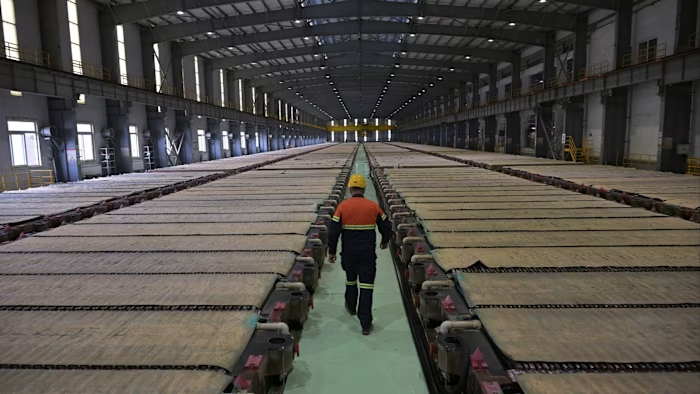
A significant copper shortage is projected to pose a systemic risk to global economic growth by 2040, driven by increased demand from the energy transition and AI sectors, with supply struggling to keep pace, potentially threatening technological progress and infrastructure development.
Tariffs continue to significantly influence the global economy, with ongoing US-China trade tensions, moderate growth forecasts for 2026, and various geopolitical and economic factors shaping future developments. Despite some mitigation, tariffs have increased costs and uncertainty, impacting global trade and economic growth.
Investors may be underestimating the potential for stronger global economic growth in 2026, driven by pent-up demand and increased policy support, which could lead to higher inflation and pose risks to bond markets. Strategists suggest a shift towards cyclical stocks and caution against bonds unless yields are attractive, as higher growth may reignite inflation concerns and impact monetary policy.
The article discusses the rise of 'AI slop,' low-quality, surreal, and often copyright-violating content created using AI tools that flood social media platforms, driven by algorithmic engagement and a global economy that rewards virality over quality, with creators from around the world making a living through this phenomenon.