Debt charities report an unprecedented surge in calls for help in January, driven by financial stress from the holiday season and rising living costs, with many seeking assistance late at night and struggling to pay priority bills, highlighting the need for early intervention and support.
Almost 24 states and numerous cities are raising their minimum wages in 2026, with most reaching or exceeding $15 per hour, significantly above the federal minimum of $7.25, to help workers cope with inflation and economic challenges.
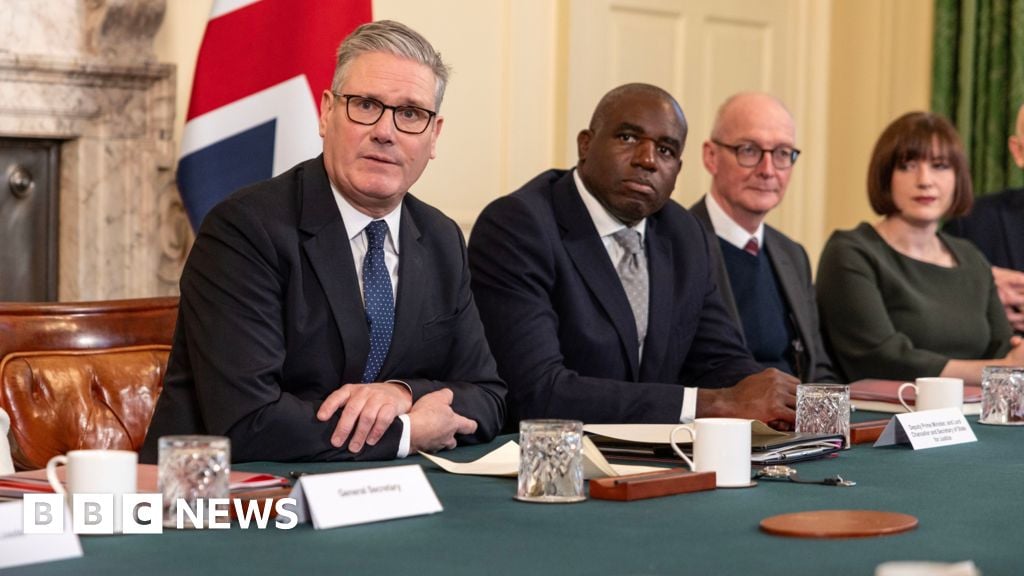
Keir Starmer emphasized the importance of focusing on cost-of-living issues and positioning Labour as a renewal force against Reform UK, which he accused of fostering division, as the party prepares for the 2026 elections amid declining polls and political challenges.
The subway fare in New York City increased to $3, sparking frustration among riders who feel the service quality does not justify the higher cost, amid ongoing transit improvements and fare hikes across regional transit systems.
A charity reports that nearly one-third of Londoners aged 16-55 cannot afford basic hygiene products, leading to significant impacts on their daily lives and opportunities, with calls for coordinated efforts to end hygiene poverty.
In 2025 and into 2026, the US economy exhibits a K-shaped recovery, with wealthier households benefiting from stock market gains and lower unemployment, while lower and middle-income households face rising living costs, mounting debt, and financial hardship, leading to a divided economic landscape.
In 2025 and into 2026, the US economy exhibits a K-shaped recovery where wealthier households thrive while middle- and lower-income families face increasing financial hardships due to persistent inflation, rising household debt, and uneven economic gains, leading to financial strain for many Americans despite positive macroeconomic indicators.
Philadelphia residents faced significant increases in utility bills in 2025 due to rising electricity, gas, and water rates driven by infrastructure investments, inflation, and increased demand, with further hikes expected in 2026, impacting affordability and budgeting for many households.
Most Americans link the worsening climate crisis to rising living costs, opposing Trump’s policies to cut climate research and halt renewable energy projects, with a majority viewing climate change as a key factor affecting their bills and quality of life.
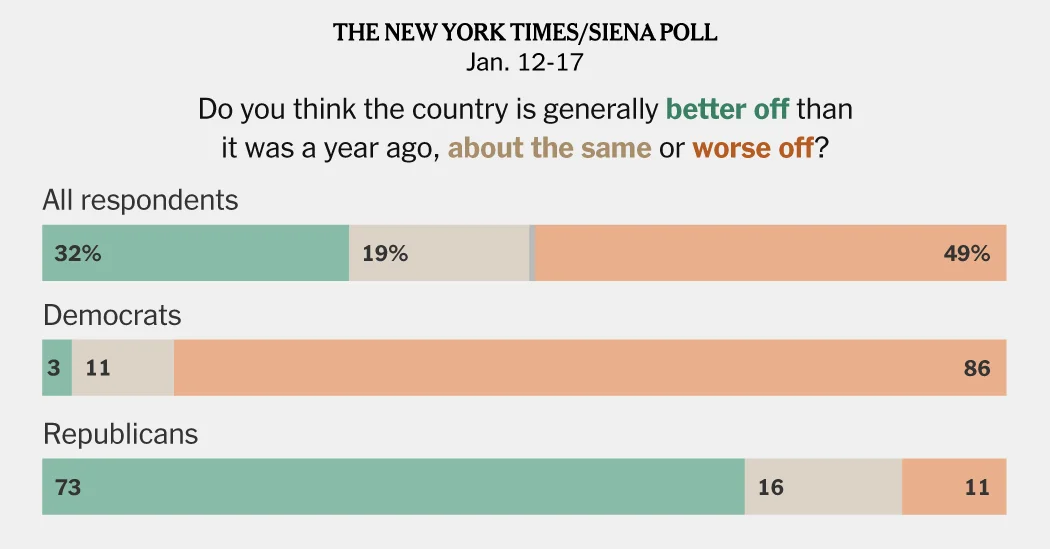
A CBS News poll shows Americans are concerned about the high cost of living and have mixed views on President Trump's economic policies, with most rating the economy poorly and expecting little improvement in 2026. Issues like AI, immigration, and healthcare remain prominent, and public opinion is divided on Trump's impact and approach to these topics.
In Allentown, Pennsylvania, residents express frustration over high living costs despite former President Trump's optimistic economic claims, highlighting the political and economic tensions ahead of the 2024 midterms, with local officials and voters divided on the economy's state and responsibility.
The article uses the movie 'Elf' to explore the high cost of living in New York City, highlighting that buying a home there is often more expensive than renting, with current median prices around $2.5 million and rent around $9,175 per month. It discusses the financial considerations of buying versus renting, including the impact of rising home prices, mortgage rates, and personal financial planning, emphasizing that housing decisions are also influenced by lifestyle preferences and financial security. The piece illustrates how high living costs can affect savings and retirement planning, especially for those moving to big cities for success.
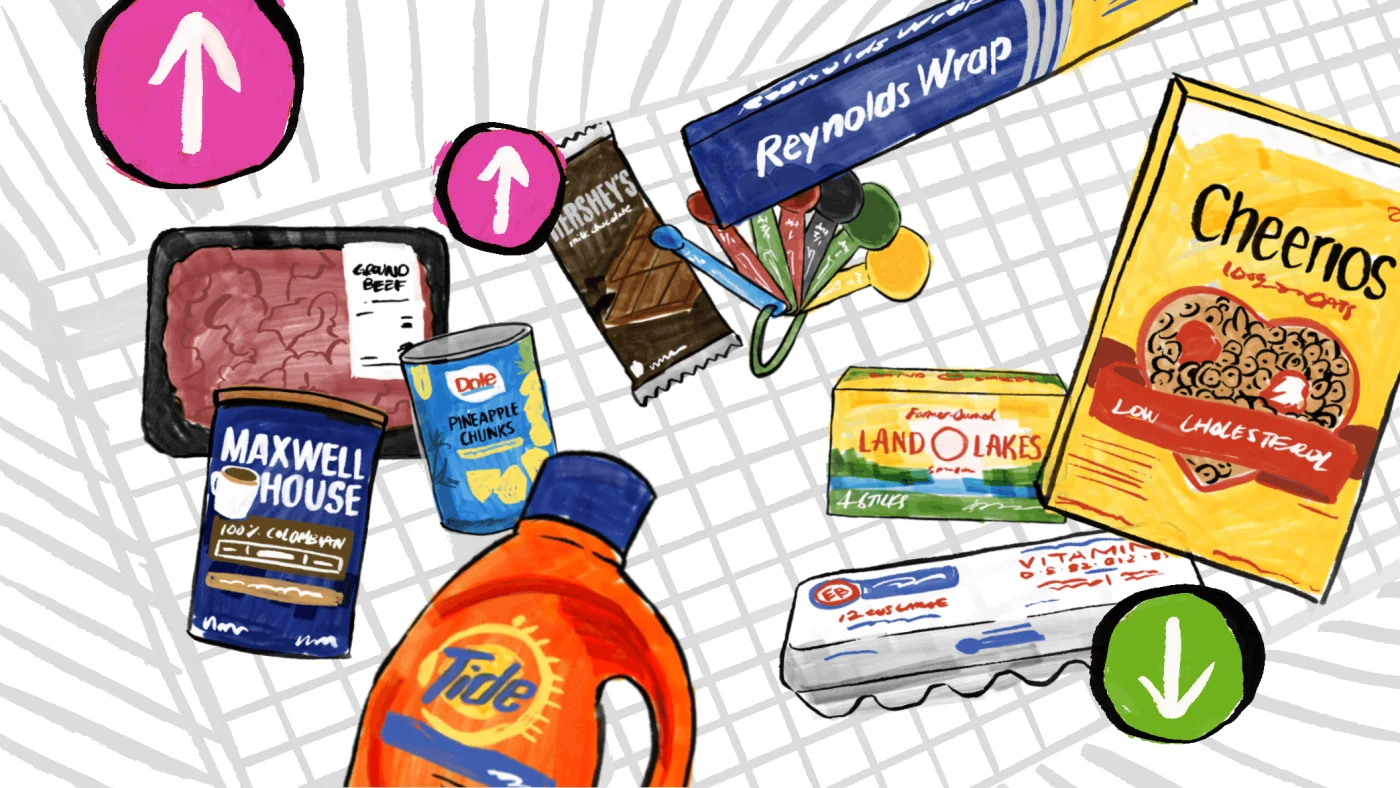
In November, inflation in the US slightly decreased to 2.7%, but rising costs, especially for rent and electricity, continue to strain Americans' finances, with many barely able to cover expenses. Wages are growing but at a slower pace, and concerns about affordability are impacting public opinion on the economy. The Federal Reserve is cautious about further rate cuts to control inflation.
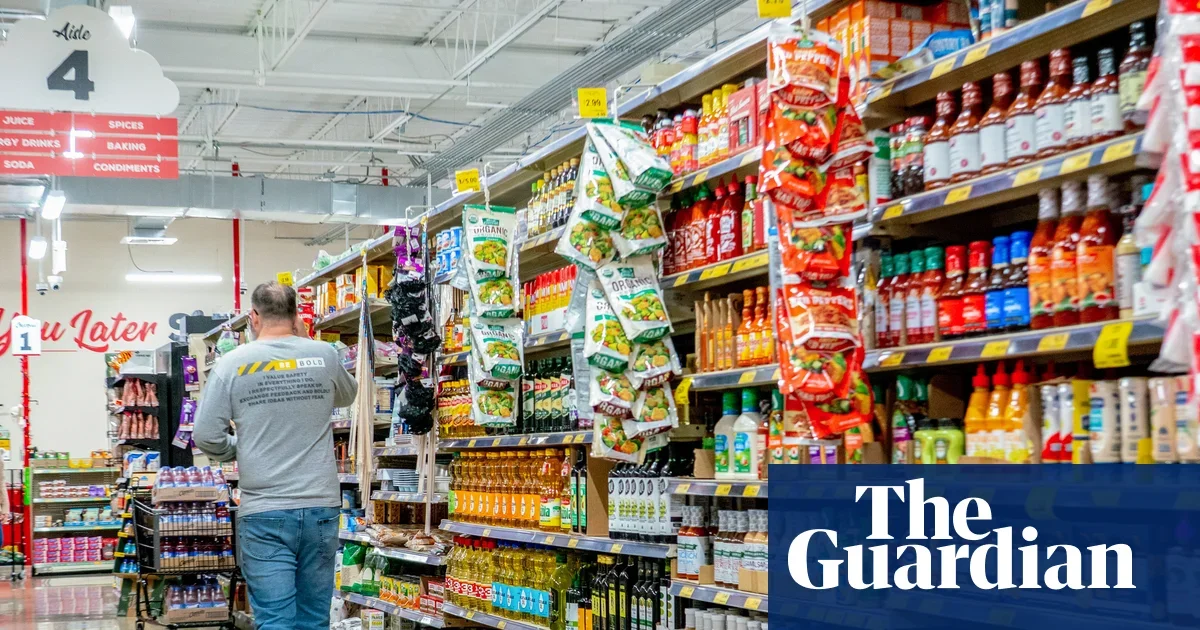
The latest inflation figures show a slowdown in price increases, with a 3.2% rise over the past year, driven by falling food prices and reduced clothing costs, which may lead to lower interest rates and cheaper borrowing, offering some relief for consumers but potentially impacting savers.
A recent PBS News/NPR/Marist poll shows Americans' approval of Trump's handling of the economy has hit its lowest point, with 57% disapproving, amid widespread concerns about rising living costs, healthcare, and personal finances, which are impacting his overall approval and the political landscape ahead of the 2024 elections.