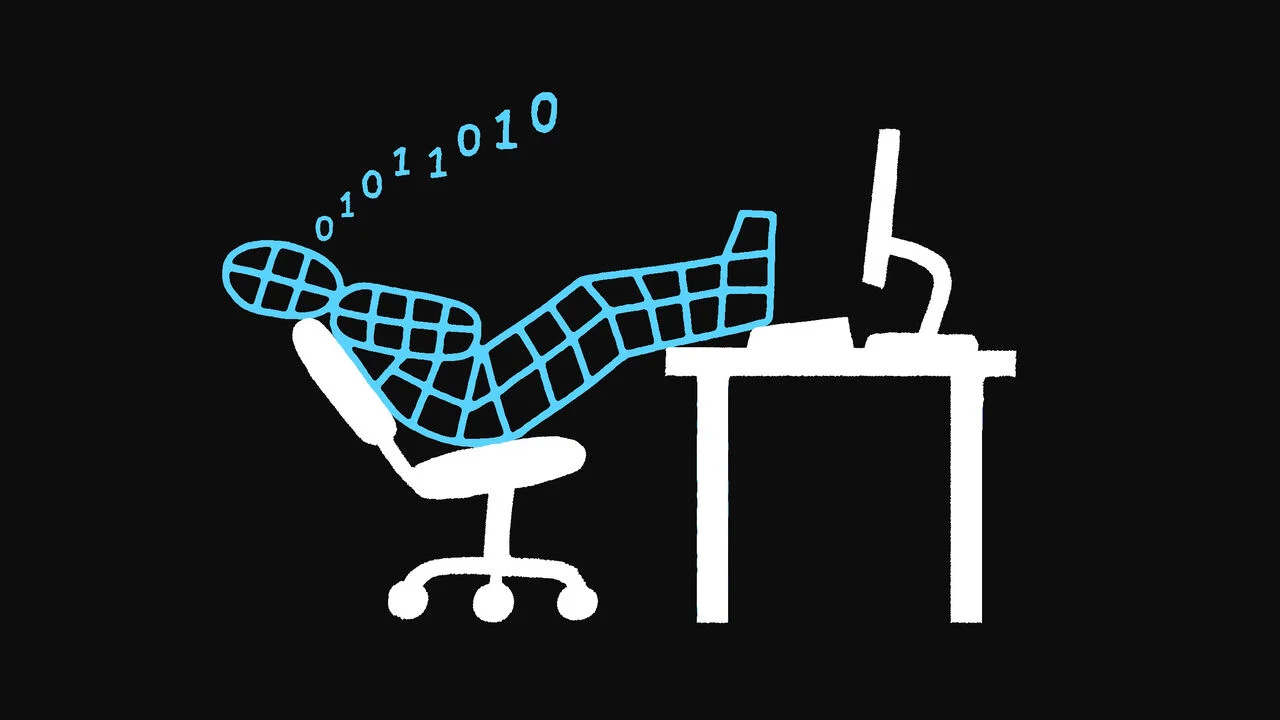
AI is advancing rapidly and solving complex tasks (even aiding theoretical physics), but its impact on measured output and productivity remains limited so far, echoing the Solow paradox that breakthrough capabilities don't yet translate into broad productivity gains.
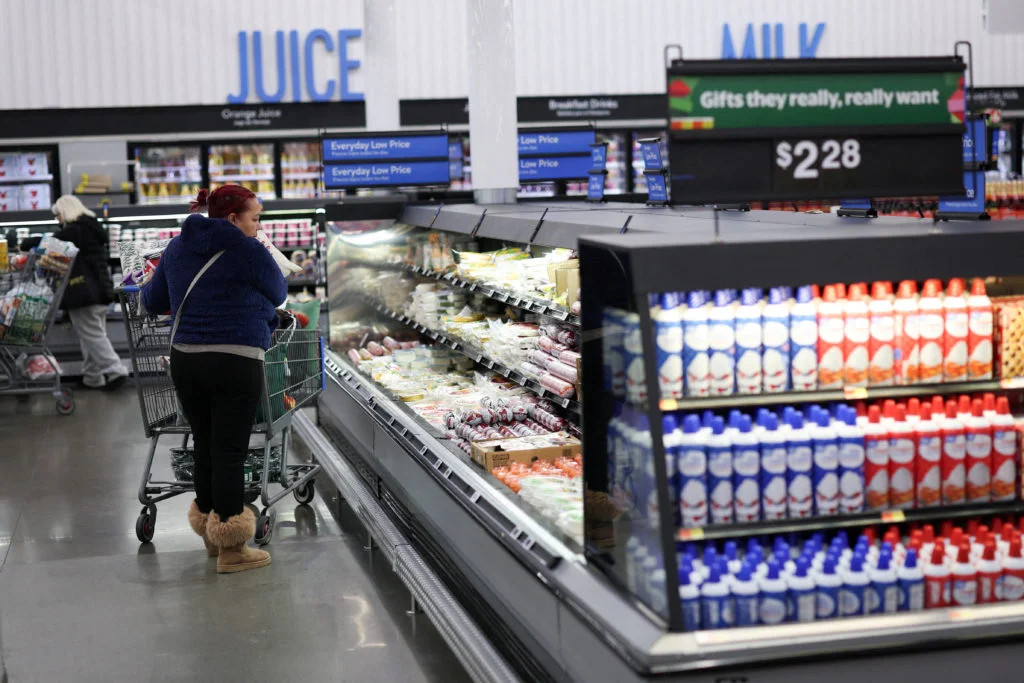
U.S. inflation accelerated in December as the Commerce Department’s PCE price index rose 0.4% for the month and 2.9% from a year earlier, the fastest yearly rise since March 2024. Core PCE also climbed 0.4% MoM and 3.0% YoY. Yet spending rose 0.4% and while gas prices fell, electricity and natural gas costs rose. The Federal Reserve left rates around 3.6%, with officials wanting inflation closer to 2% before considering rate cuts.
An NBER survey highlighted by Fortune finds about 90% of CEOs and other top executives in the US, UK, Germany, and Australia say AI has not boosted productivity or employment, even as roughly 70% of firms are using AI; individual executives report only about 1.5 hours of AI use per week. Other studies show mixed ROI, with MIT-style research noting little revenue growth from AI and concerns about burnout and lower-quality work, even as adoption rose from 61% to 71% between early 2025 and early 2026 and executives forecast small productivity gains (about 1.4%) and a modest output rise (0.8%) with a slight employment decline over three years.
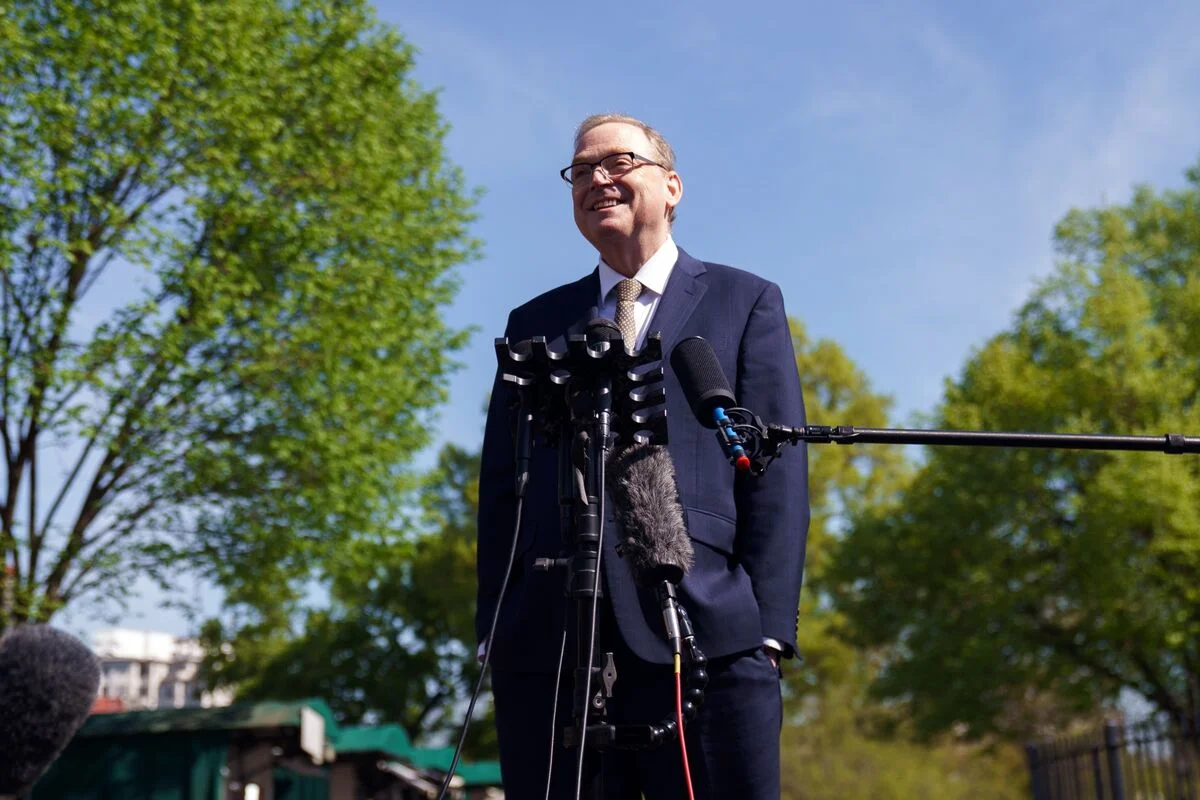
National Economic Council director Kevin Hassett slammed a New York Fed tariff study as an embarrassment and urged those behind it to be disciplined, arguing the paper misstates who bears tariff costs as US firms and shoppers shoulder most of the burden; the clash comes as tariff litigation goes to the Supreme Court and the Fed debates how to respond to inflation amid rate policy uncertainties.
As the United States turns 250, experts argue the American Dream is slipping from reach: median wages have stagnated since the 1970s, costs for housing, health care, and education have surged, and younger generations are expected to earn less than their parents on average. Upward mobility has slowed, and satisfaction with personal freedom has declined, suggesting the dream is losing its hold and may need a renewed public commitment to keep it alive for future generations.
Treasury Secretary Scott Bessent mocked California Gov. Gavin Newsom during Davos coverage, saying Newsom has a 'brain the size of a walnut' and knows less about economics than Kamala Harris as part of the ongoing Trump–Newsom feud; the remarks came amid Newsom’s Davos activities and a canceled Trump-aligned appearance, with Bessent defending the administration as protecting ordinary retirees and hinting Newsom could be a 2028 contender.
A Danish pension fund sold its US government bonds over concerns about Washington’s overspending, highlighting a core tension: American financial dominance currently rests on sustained corporate vigor and fiscal discipline. If US dynamism wanes amidst rising deficits, its edge in global markets could erode even as the country remains the benchmark today.
European firms have already absorbed and rerouted around US tariffs, and the proposed 10% levy on several European countries for Greenland troop deployments would be a nuisance rather than a major hit, provided the dispute does not widen into a broader trade war; escalation remains the key factor that could alter the impact.
An economics-focused op-ed argues that while Trump’s early critique of price controls was largely accurate, his later embrace of such measures would risk reducing supply and credit access, underscoring the long-run economic costs that political rhetoric often overlooks.
President Donald Trump signaled reluctance to nominate Kevin Hassett as Fed chair, saying he’d rather keep Hassett in his current White House role, a stance that could reshape the race to succeed Powell and boost former Fed Governor Kevin Warsh; analysts say the comments complicate a Senate-confirmation process already strained by a DOJ probe into the Fed, while markets moved on the news as the administration weighs candidates who can win confirmation and align with Trump’s policy goals.
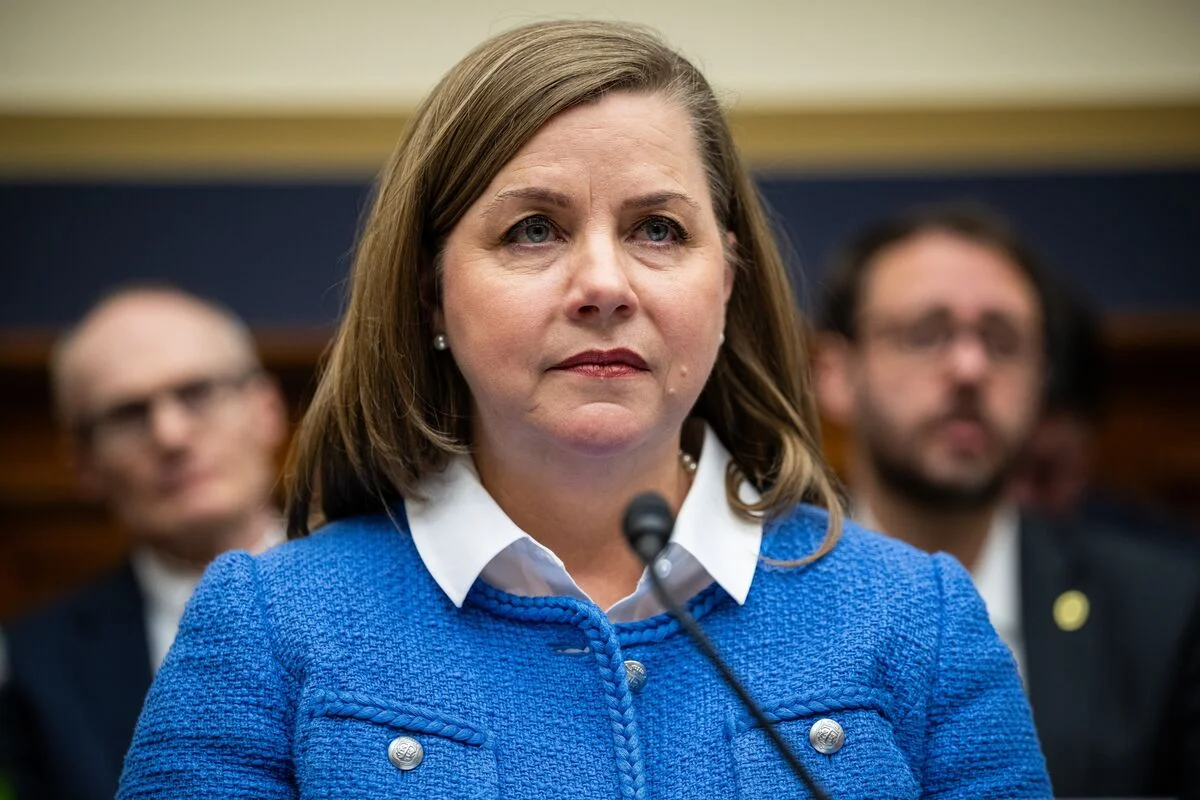
Federal Reserve Vice Chair for Supervision Michelle Bowman said policy remains moderately restrictive and officials should be prepared to lower rates further unless the labor market improves; she urged the Fed not to signal a pause and to keep policy near neutral as inflation cools, noting the central bank already trimmed rates by 25 basis points last month amid slower job growth and a 4.4% unemployment rate ahead of the January meeting.
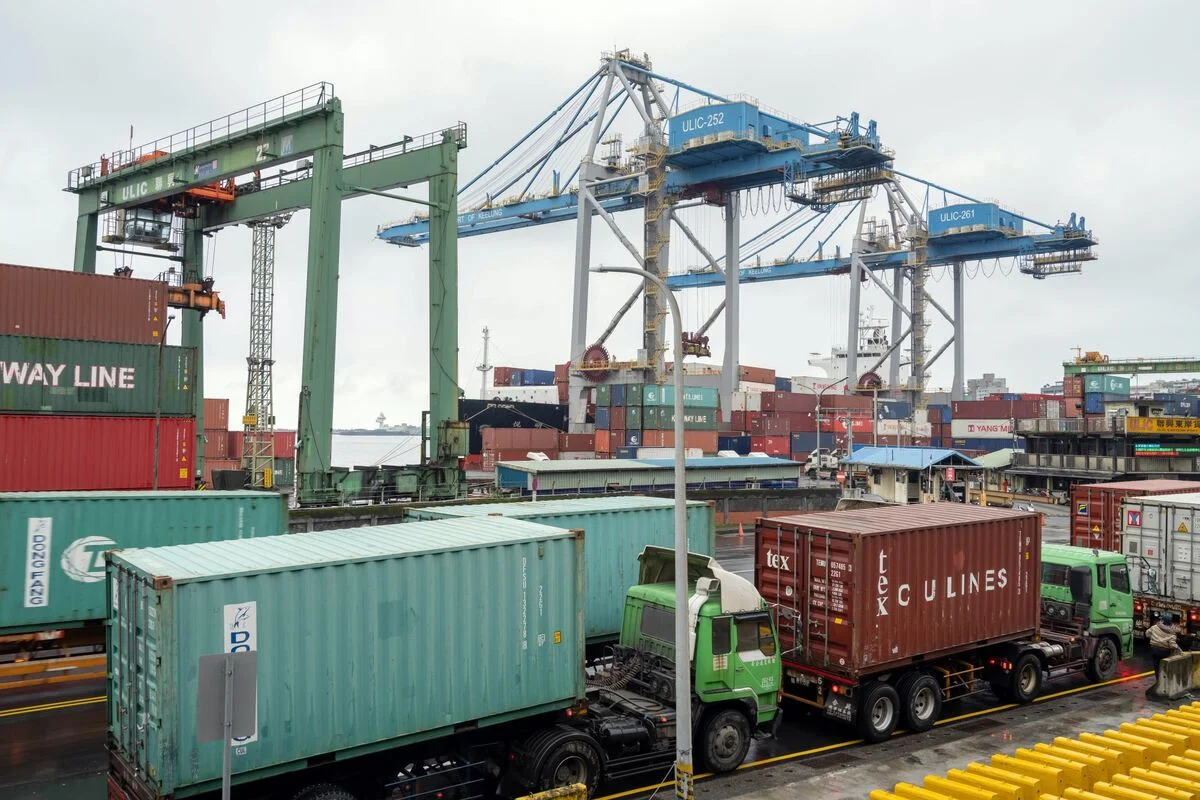
The US and Taiwan announced a trade agreement lowering tariffs on Taiwan-made goods to 15% and committing about $500 billion in Taiwanese-backed investments to expand US semiconductor, AI, and energy operations, including $250 billion in direct investments and $250 billion in credit guarantees to bolster the American chip supply chain.
Governor Miran argues that targeted deregulation expands the economy’s supply potential and boosts productivity, improving the transmission of monetary policy. Citing Greece’s crisis-era reforms and the US deregulation push, he suggests lower regulation can justify a more accommodative stance from the ECB and Fed, while acknowledging measurement challenges in gauging regulation’s macro effects and noting new tools indicate a shrinking regulatory burden.
US wholesale prices rose 0.2% in November, driven by higher energy costs, while the core PPI (excluding food and energy) was unchanged from October, signaling limited pass-through of higher costs. The data come as consumer inflation cools and investors await the Fed’s next policy move.
US retail sales rose 0.6% in November—the strongest gain since July—led by auto purchases and robust holiday shopping; excluding autos, sales rose 0.5%. Ten of 13 categories posted gains, indicating a still-resilient consumer entering the holiday season, aided by promotions and higher gasoline receipts.