U.S. President Donald Trump’s threat to impose 30% tariffs on the EU has disrupted ongoing trade negotiations, risking significant impacts on the crucial trade relationship between the U.S. and the EU, which is one of the world's top exporters.
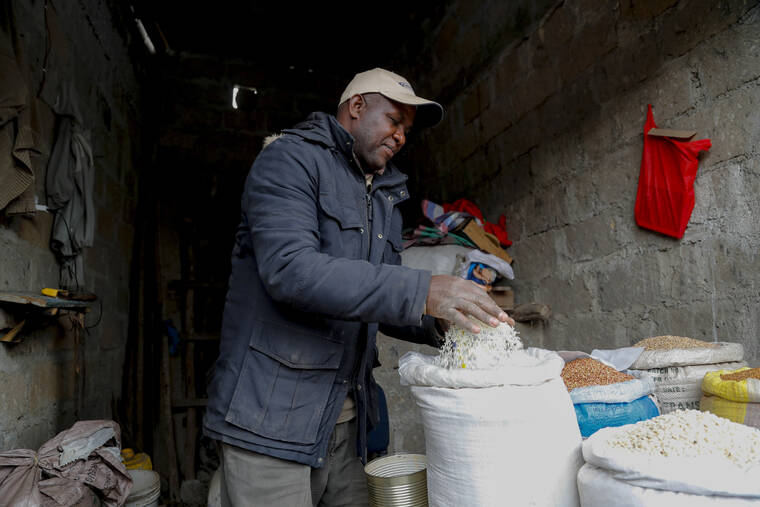
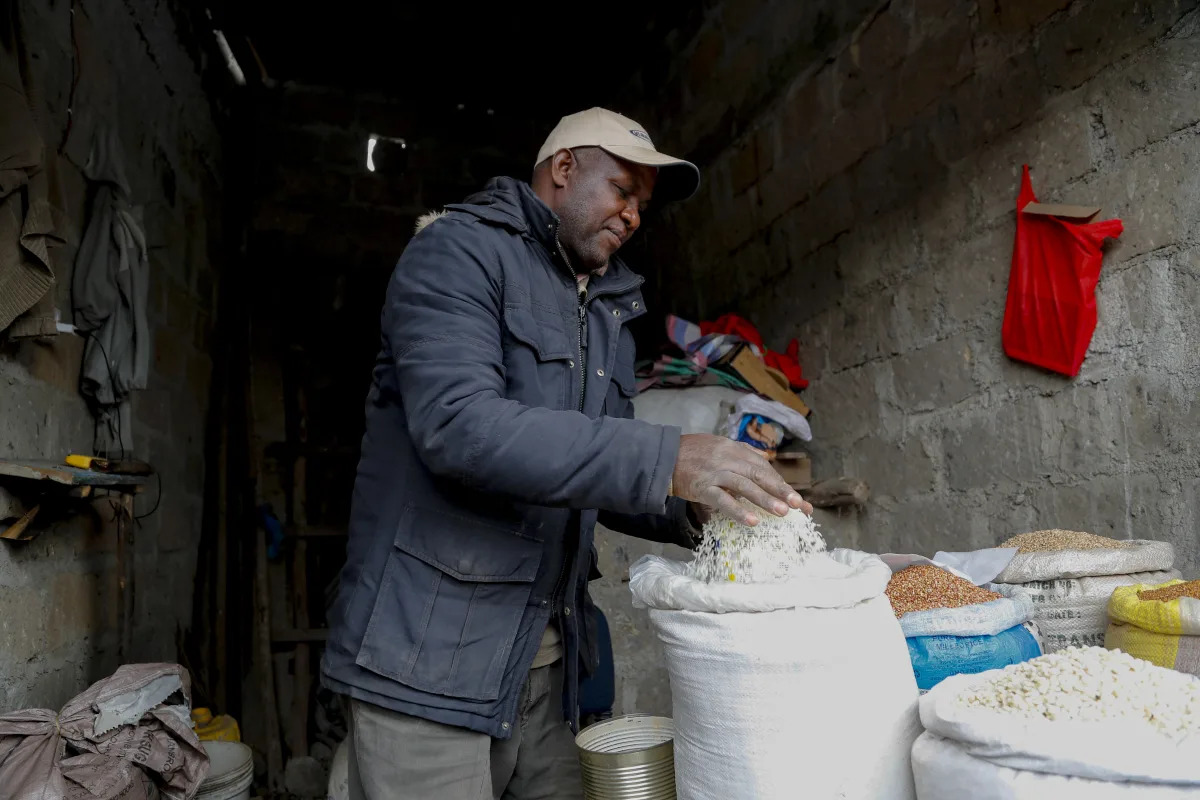
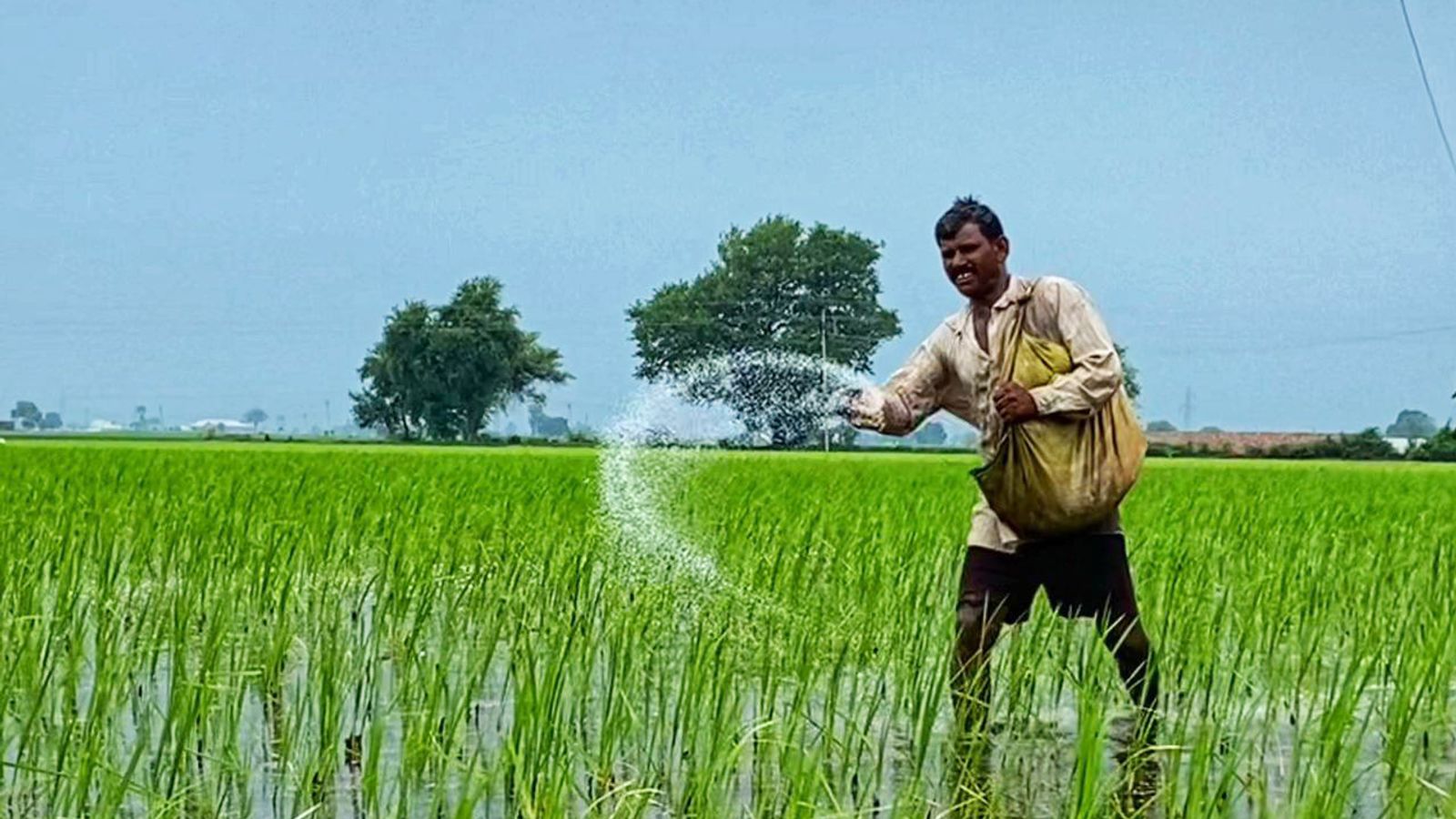
A rice shortage caused by higher fertilizer prices, drought in the Horn of Africa, and India's ban on rice exports is sending prices soaring worldwide. The ban has left a gap of around 9.5 million metric tons of rice, roughly a fifth of global exports, creating a supply crunch and spiking prices. The situation is worsened by extreme weather events like El Nino, which is expected to expand to supersized levels due to climate change. Countries heavily dependent on rice imports, such as Senegal and the Philippines, are struggling to ensure adequate supplies. Other major rice exporters like Vietnam and Thailand are trying to capitalize on the situation, but uncertainty and concerns about the El Nino are making exporters reluctant to take orders.
Global food security is at a critical juncture as rice shortages and surging prices impact vulnerable populations. Kenya's rice prices have soared due to higher fertilizer costs and a prolonged drought in the Horn of Africa, while India's ban on rice exports has created a gap of approximately 9.5 million metric tons. The El Nino weather phenomenon and Russia's halt on Ukrainian wheat exports further exacerbate the situation. Countries heavily dependent on rice imports, such as Senegal and the Philippines, are struggling to cope, while Asian nations, where 90% of the world's rice is grown and consumed, are grappling with production challenges. The global impact of these shortages and price hikes is significant, particularly for the most impoverished nations.
The Indian government's ban on the export of non-basmati white rice, which accounts for 40% of global exports, has raised concerns about rice shortages and price increases worldwide. The ban aims to lower domestic prices and improve availability, but experts argue that it will not effectively control prices. The ban has left rice mill owners facing uncertainty and revenue loss, while also disrupting supply chains to vulnerable countries in Africa. Severe weather conditions, including torrential rains and floods, have also impacted rice production in India. The ban, coupled with existing global food supply issues, raises concerns about food security for millions of people in need.
The USDA's World Agricultural Supply and Demand Estimates (WASDE) report for July forecasts a record corn crop at 15.32 billion bushels, despite lowering the corn yield estimate to 177.5 bushels per acre. The soybean ending stocks forecast for the new-crop season was lowered to 300 million bushels, while wheat production estimates were increased. The report also provided updates on global exports and ending stocks for corn, soybeans, and wheat.