Delayed inflation data due to the government shutdown suggests easing price pressures, providing a boost to Trump, but experts warn the figures may be distorted and require further verification with upcoming data.
Inflation unexpectedly slowed in November with the consumer price index rising 2.7% annually, and core inflation at 2.6%, but analysts warn that data gaps prevent declaring victory for the White House.
The article claims that inflation remained low in September due to President Trump's economic policies, but a potential Democrat government shutdown threatens to halt upcoming inflation data releases, which could impact markets and economic planning.
The Bureau of Labor Statistics is partially resuming work to release the September Consumer Price Index data despite the federal government shutdown, which has delayed key economic reports, including the jobs report, but the CPI data will be available in time for the Federal Reserve's upcoming meeting.
Inflation in August increased for the fourth consecutive month, driven by tariffs on goods like apparel, autos, and groceries, with overall CPI rising 0.4% and 12-month inflation at 2.9%, posing challenges for the Federal Reserve ahead of its rate decision.
A key measure of consumer prices excluding food and energy rose in July, indicating rising inflation possibly influenced by Trump's tariffs, with the core CPI increasing 0.3% and 12-month growth at 3.1%, amid ongoing debates about data integrity and Federal Reserve rate cuts.
US inflation is expected to rise in June, driven by tariff-induced price increases in goods like electronics and furniture, potentially marking the start of a longer-term inflation trend influenced by new tariffs, while the Federal Reserve remains cautious about rate cuts.
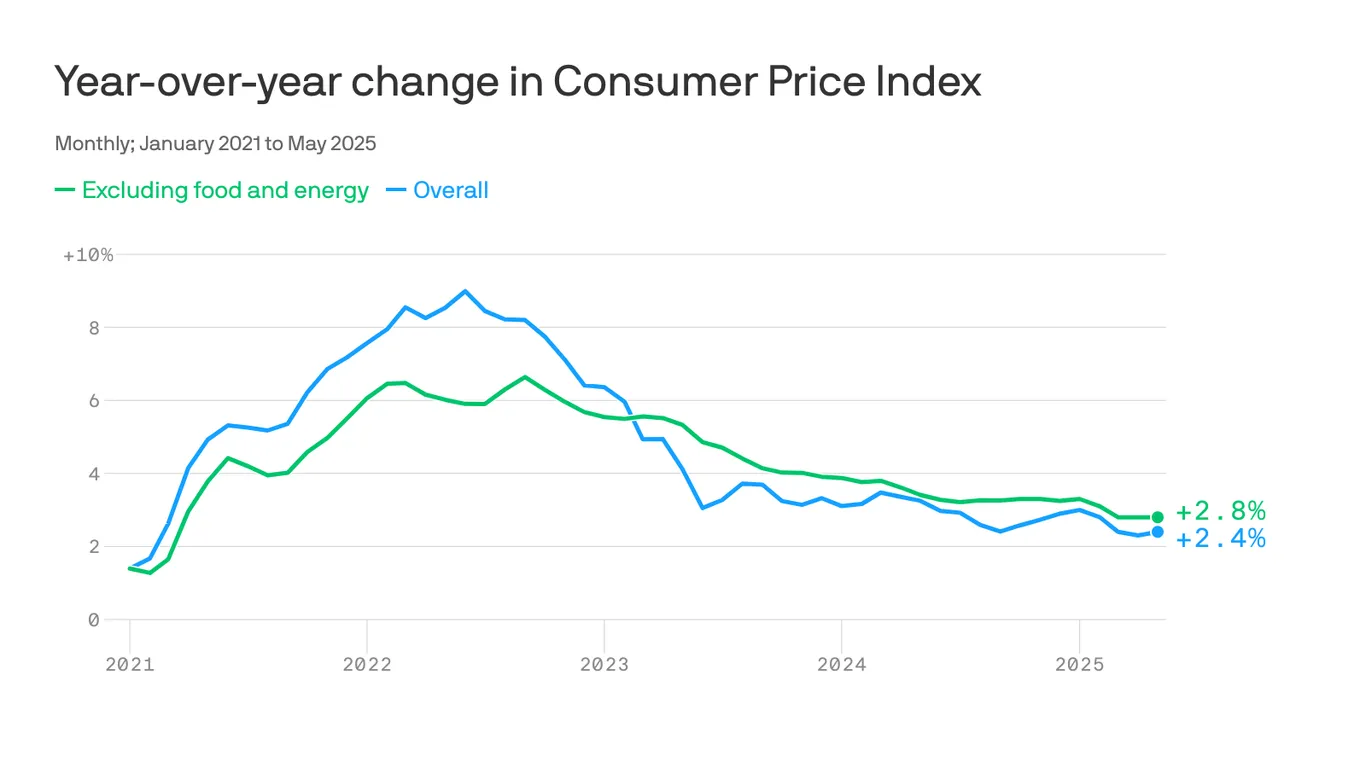
Inflation in May slowed to 0.1% monthly, with a 2.4% year-over-year increase, despite concerns that tariffs would boost prices; some categories like apparel and cars saw price declines, and recent trade deal developments may influence future inflation trends.
The upcoming Consumer Price Index report is expected to show a slight increase in the annual inflation rate to 2.7% for November, up from 2.6% in October, marking the highest rate since July. This persistent inflation poses a challenge for the Federal Reserve, which aims to reduce inflation to 2% while managing interest rates. The report will be crucial for the Fed's upcoming policy meeting, as higher-than-expected inflation could affect decisions on interest rate cuts. Housing and energy costs are significant contributors to the inflation trend.
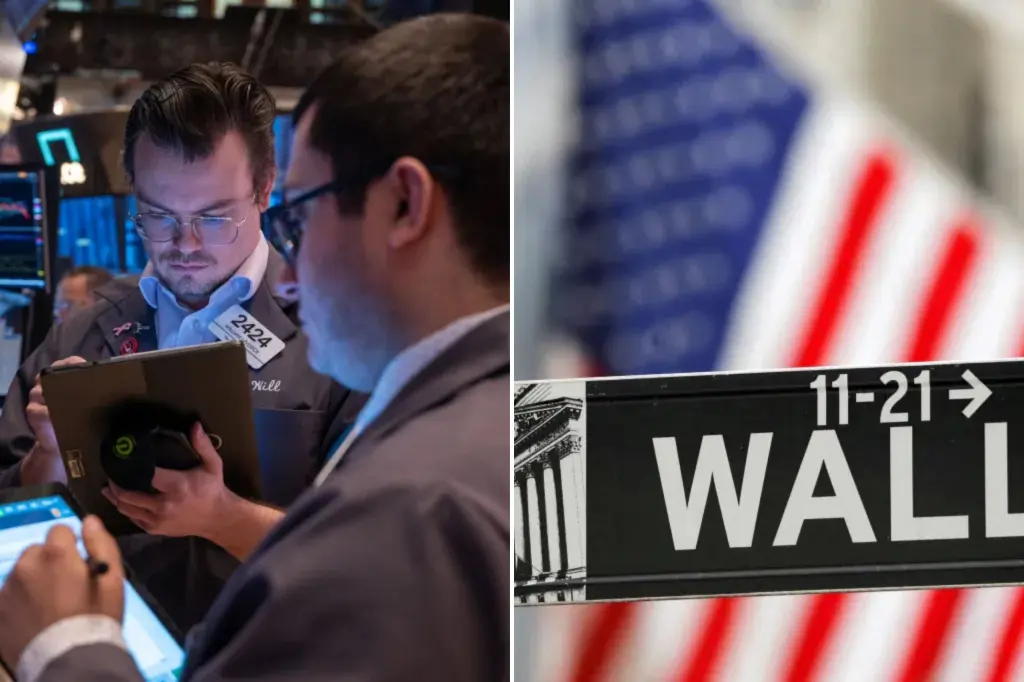
This week, investors will focus on key inflation data, including the Consumer Price Index and Producer Price Index, ahead of the Federal Reserve's December meeting. The Fed is in a blackout period, preventing officials from commenting on monetary policy. Earnings reports from companies like GameStop, Oracle, Broadcom, and Adobe are also anticipated. The inflation data will be crucial for the Fed's decision on interest rates, with many expecting a potential rate cut.
US inflation rose to 2.6% in October, up from 2.4% in September, aligning with expectations but raising questions about further Federal Reserve interest rate cuts. Core inflation increased by 3.3% year-over-year. Despite a recent rate cut, the Fed remains cautious about future cuts, with Chair Jerome Powell indicating uncertainty. The Fed's next meeting in December will be crucial, as investors currently see a 62.1% chance of a rate cut. Meanwhile, job growth slowed significantly, complicating the Fed's balancing act between inflation and employment.
The Social Security Administration is expected to announce the smallest cost-of-living adjustment (COLA) since 2021 due to a decreasing inflation rate, with an estimated increase of 2.63% for 2025. This modest rise, around $50, will bring the average benefit to $1,907. Despite lower inflation, poverty and food insecurity among older Americans are rising, exacerbated by higher healthcare costs that are not fully accounted for in the COLA calculations. The official COLA will be announced in October, based on the average inflation rate from July through September.
Social Security recipients are projected to receive a 3% cost-of-living adjustment next year, higher than expected due to accelerating inflation. This increase, if realized, would be a decline from recent years but still higher than the average over the past two decades. Many retirees are struggling to keep up with high inflation, with the typical household needing to pay significantly more for goods and services compared to previous years. Inflation has created financial pressures for U.S. households, particularly impacting low-income Americans, and while it has fallen from its peak, many families have yet to see relief.
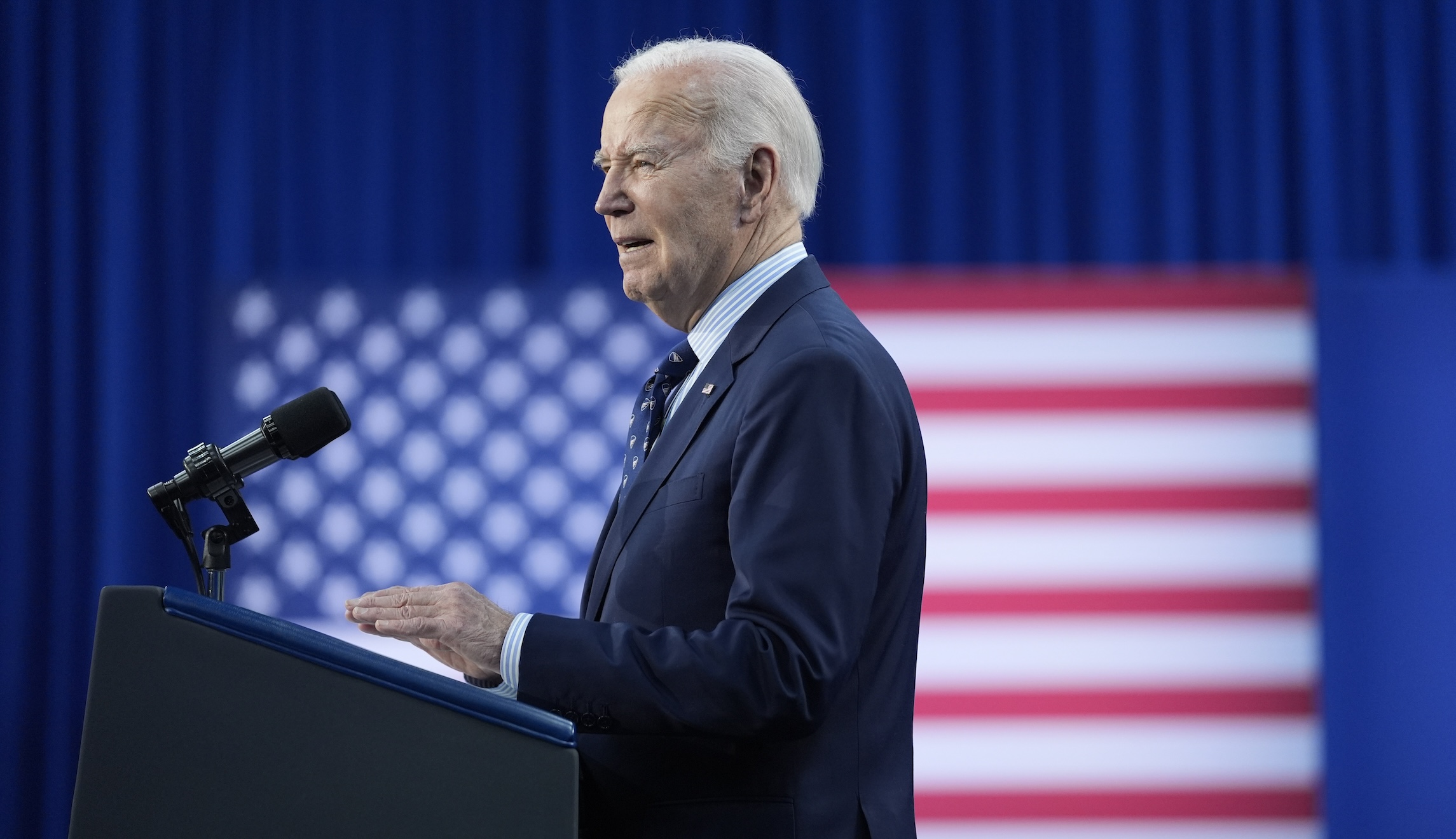
Since President Joe Biden took office, overall prices have risen nearly 19%, with inflation reaching 3.5% for the year ending in March, according to the Bureau of Labor Statistics. The surge in prices has affected essential goods and services, including electricity, gas, household goods, food staples, pet food, and rent. Republicans blame Biden and Democrats for the inflation, citing the $1.9 trillion pandemic spending bill, while Democrats point to supply chain issues and the impact of COVID-19. The situation poses a challenge for Biden's reelection campaign as recent inflation reports have come in higher than expected, affecting his economic approval ratings.
Skyrocketing auto insurance costs have contributed to higher inflation, with prices rising by 2.7% monthly and 22.2% annually. Factors such as expensive new vehicles, supply chain shortages, and advanced vehicle technologies have led to increased repair and replacement costs, impacting insurance premiums. Insurers are facing significant losses, prompting rate hikes and declining customer satisfaction. Usage-based insurance programs are gaining popularity as insurers offer discounts for safer driving, but overall customer satisfaction with auto insurers has reached a more than 20-year low.