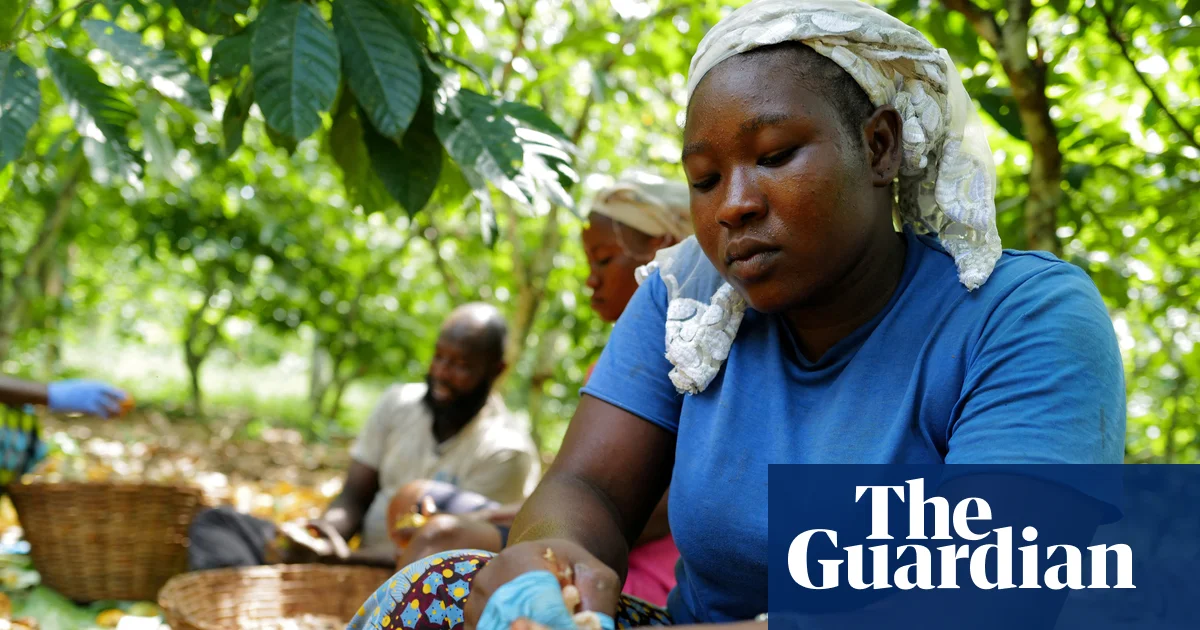
Rising food prices driven by climate change-induced weather extremes threaten global food security, especially for the world's poorest, leading to health issues, social unrest, and economic challenges, with impacts expected to worsen unless net zero emissions are achieved.
A new UN report reveals that global households wasted over 1 billion meals per day in 2022, amounting to an estimated $1 trillion worth of food and weighing 1.05 billion tons. Food waste accounts for nearly 19% of the food available to consumers, with households contributing 60% of the total waste. The report emphasizes the impact of food waste on greenhouse gas emissions and highlights disparities between rural and urban populations. It calls for enhanced data collection and public-private partnerships to reduce food waste and its environmental impacts, urging countries to prioritize the issue to reverse food loss and waste.
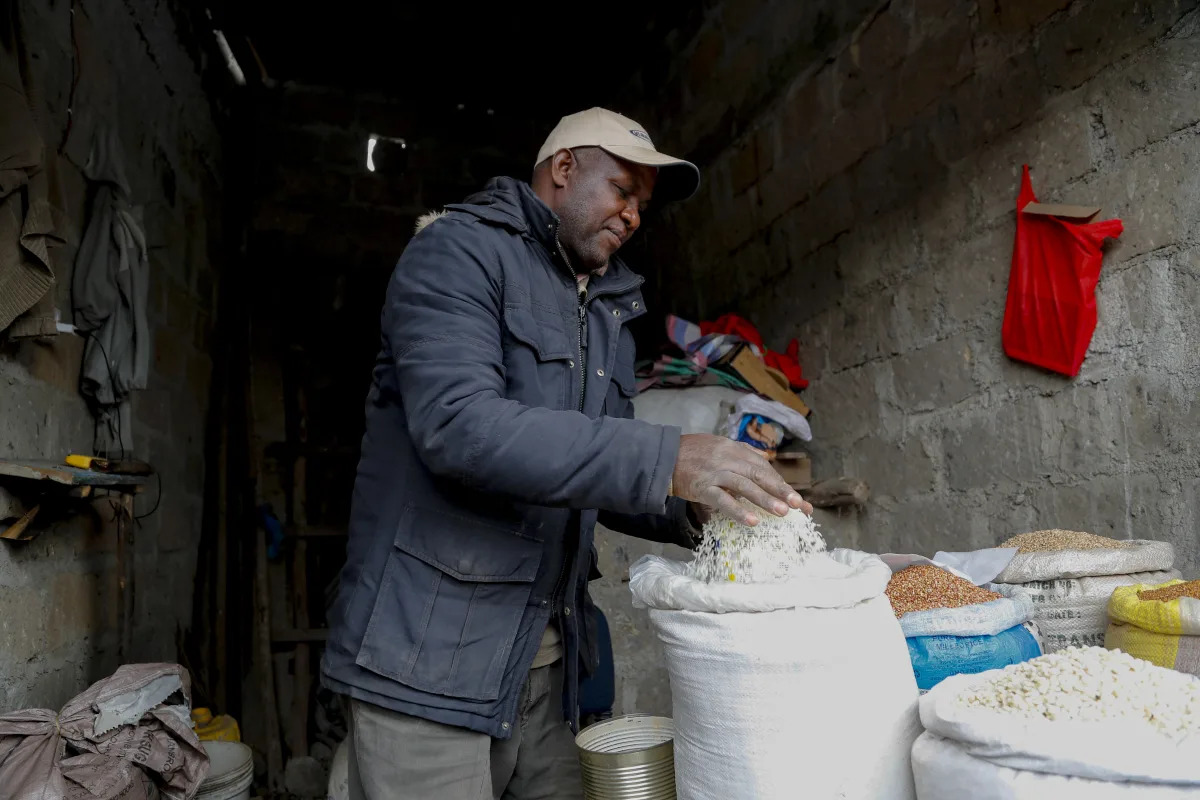
Global food security is at a critical juncture as rice shortages and surging prices impact vulnerable populations. Kenya's rice prices have soared due to higher fertilizer costs and a prolonged drought in the Horn of Africa, while India's ban on rice exports has created a gap of approximately 9.5 million metric tons. The El Nino weather phenomenon and Russia's halt on Ukrainian wheat exports further exacerbate the situation. Countries heavily dependent on rice imports, such as Senegal and the Philippines, are struggling to cope, while Asian nations, where 90% of the world's rice is grown and consumed, are grappling with production challenges. The global impact of these shortages and price hikes is significant, particularly for the most impoverished nations.
The European Union (EU) has warned developing countries that Russia is using cheap grain as a means to create new dependencies and exacerbate economic vulnerabilities and global food insecurity. EU foreign policy chief Josep Borrell urged developing and Group of 20 countries to push Moscow to return to the Black Sea grain export deal and stop targeting Ukraine's agricultural infrastructure. Russia, which recently quit the deal, has been approaching vulnerable countries with discounted grain shipments, claiming to solve a problem it created itself. The EU emphasized that there are no sanctions on Russia's food and fertilizer exports to third countries and expressed its commitment to preventing over-compliance and de-risking activities. The EU will continue supporting efforts to revive the Black Sea grain deal and counter Russian disinformation on global food security.
Wheat prices have risen for a third consecutive day as tensions between Russia and Ukraine escalate, sparking fears of a major global food crisis. Russia's threat to treat ships heading for Ukrainian ports as military cargo carriers has deepened concerns about food security. The rise in wheat prices follows Russia's decision to pull out of the Black Sea Grain Initiative, a crucial wartime deal that provided a humanitarian corridor for the export of Ukrainian grain. Attacks on grain infrastructure in southern Ukraine have further hindered Ukraine's ability to export agricultural commodities. The termination of the initiative is expected to create a significant food crisis worldwide, particularly affecting low-income countries in Africa and the Middle East.
Global food security concerns are reignited as the clock ticks down on the expiration of the wartime agreement allowing Ukrainian grain shipments through Russia's blockade. The agreement, hailed as a "beacon of hope," has helped stabilize food prices worldwide since last summer. However, Russia is threatening to pull out of the deal, raising fears about the future of global food security.
The grain deal brokered by the United Nations and Turkey between Ukraine and Russia, which allows food and fertilizer to be shipped from the warring nations to parts of the world facing food insecurity, is at risk of not being renewed. The deal has helped stabilize global food prices and allowed humanitarian food aid to reach vulnerable countries. If the deal ends, there could be a spike in food prices, exacerbating hunger. Russia has demanded the lifting of sanctions and restrictions on agricultural exports as a condition for extending the deal. The agreement is crucial for the 79 countries and 349 million people on the frontlines of food insecurity.
The grain deal brokered by the United Nations and Turkey between Ukraine and Russia, which allows food and fertilizer to be shipped from the warring nations to parts of the world facing food insecurity, is at risk as Russia threatens not to extend the deal unless its demands are met. The deal has helped bring down global food prices and allowed humanitarian food aid to reach vulnerable countries. If the deal ends, there could be a spike in food prices, affecting global food security. The affected countries would need to find alternative suppliers, raising costs and exacerbating existing economic challenges.
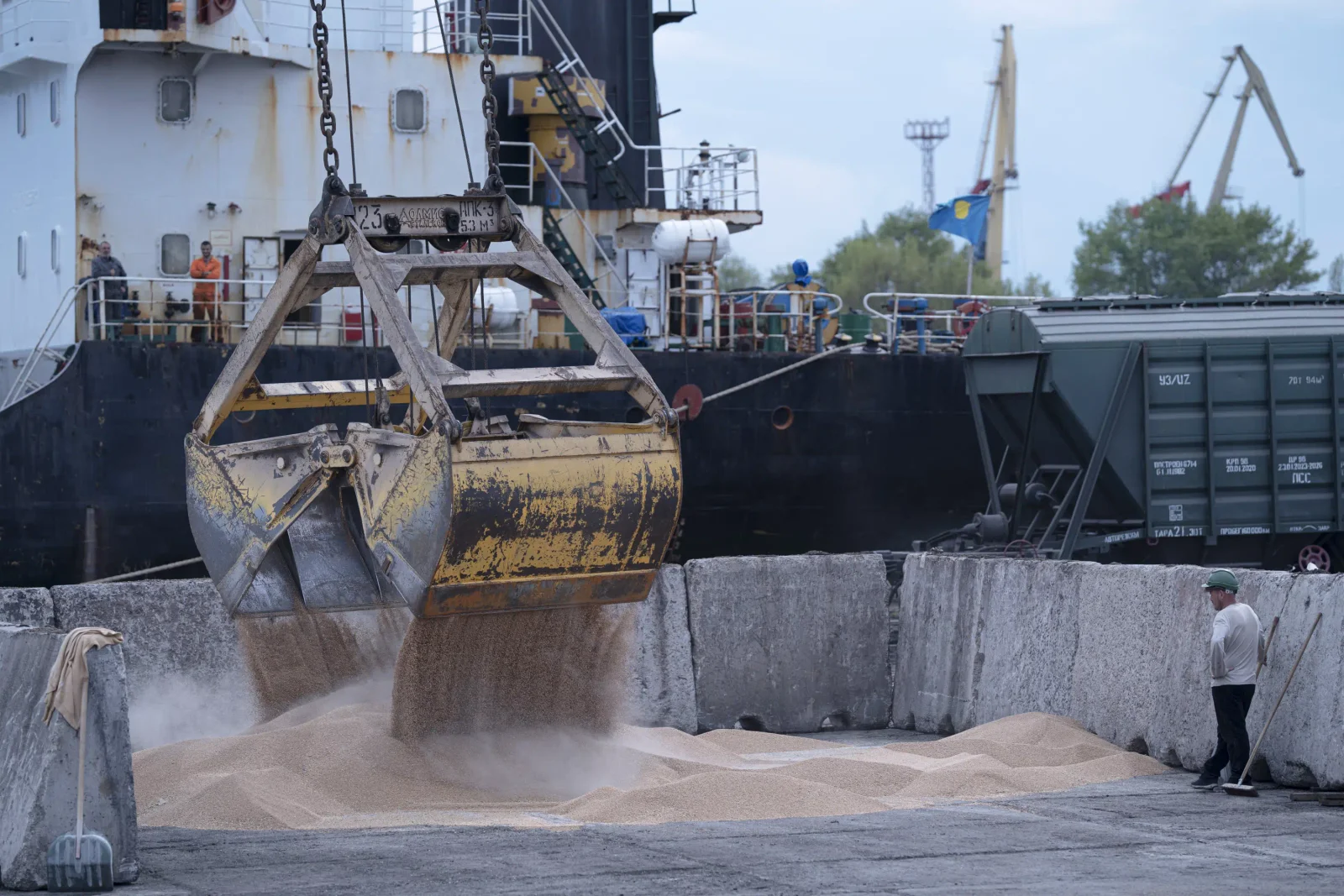
Concerns are rising that Russia may not extend a United Nations-brokered deal allowing grain exports from Ukraine to countries struggling with hunger, potentially impacting global food security. The deal, which has been renewed three times, has facilitated the shipment of over 32 million metric tons of grain, with more than half going to developing nations. If the deal is not extended, it could cut off a source of aid for countries at risk of famine and compound food security issues in conflict-ridden and economically vulnerable regions. Russia's exit would also require countries to seek alternative sources for imports, potentially affecting global grain prices.
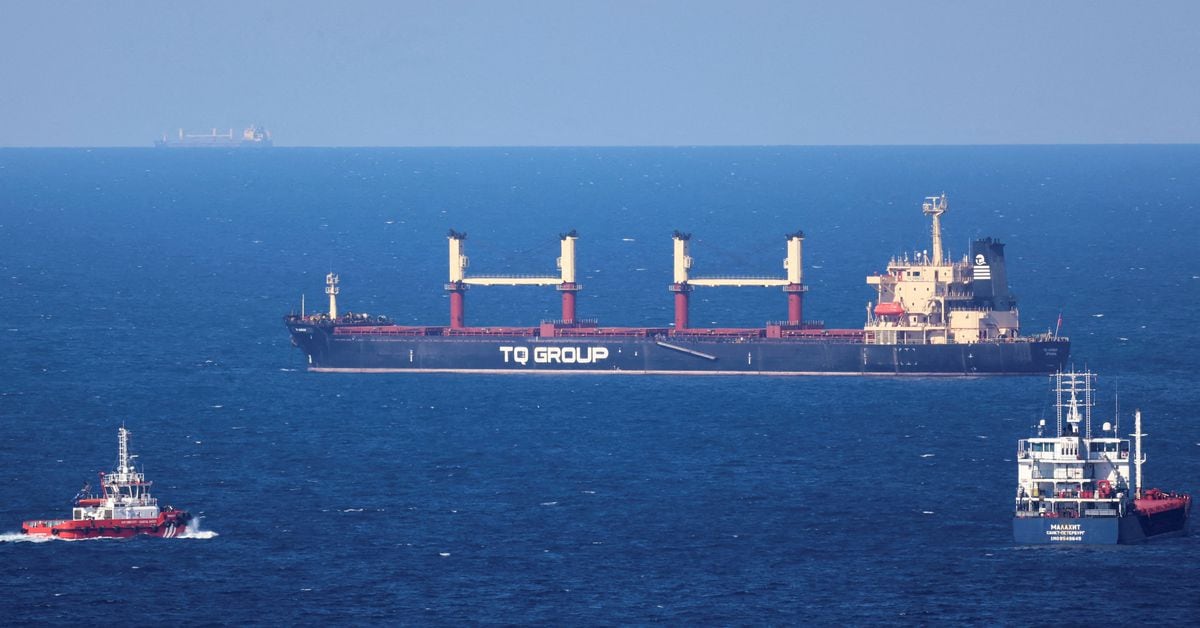
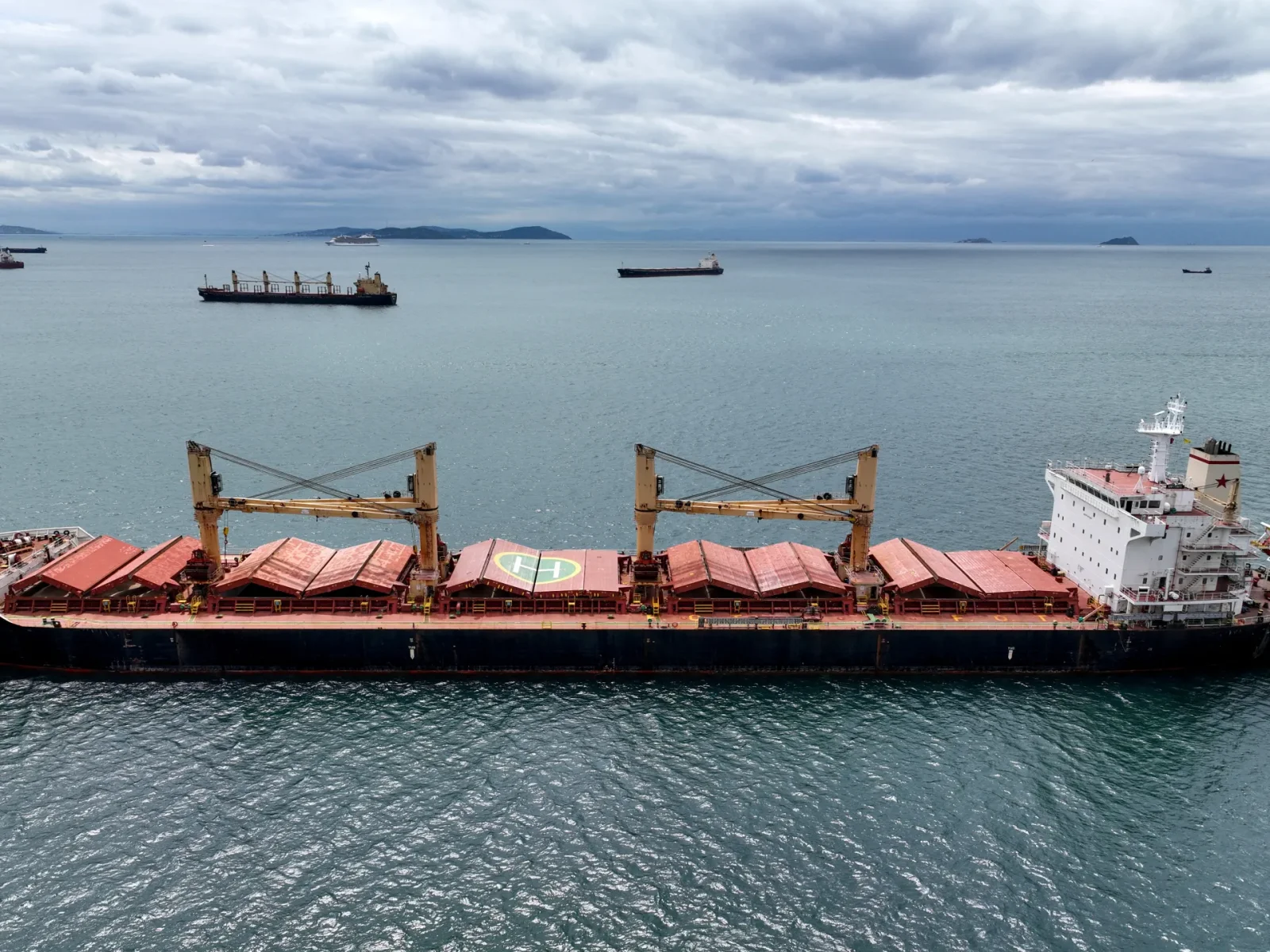
Russia's decision to limit the number of ships allowed to pick up Ukrainian grain at Black Sea ports is threatening global food security. Moscow wants Ukraine to open a pipeline for a key ingredient of fertilizer to get to world markets. The UN has expressed serious concern that only 33 ships departed from Ukrainian ports in May, half the number compared to April, and exports of grain and other foodstuffs totaled just 1.3 million metric tons last month, less than half the amount of the previous month. The UN is working to overcome obstacles to Russian food and fertilizer shipments.
Russia has agreed to extend the Black Sea grain deal with Ukraine for another 60 days, allowing Ukraine to ship grain through the Black Sea to countries suffering from hunger. The deal was brokered by Turkey and the UN last summer and has already seen 30.3 million tonnes of grain exported from Ukraine. While Russia's exports of food and fertiliser are not subject to Western sanctions, Moscow claims restrictions on payments, logistics and insurance have become a barrier to shipments.
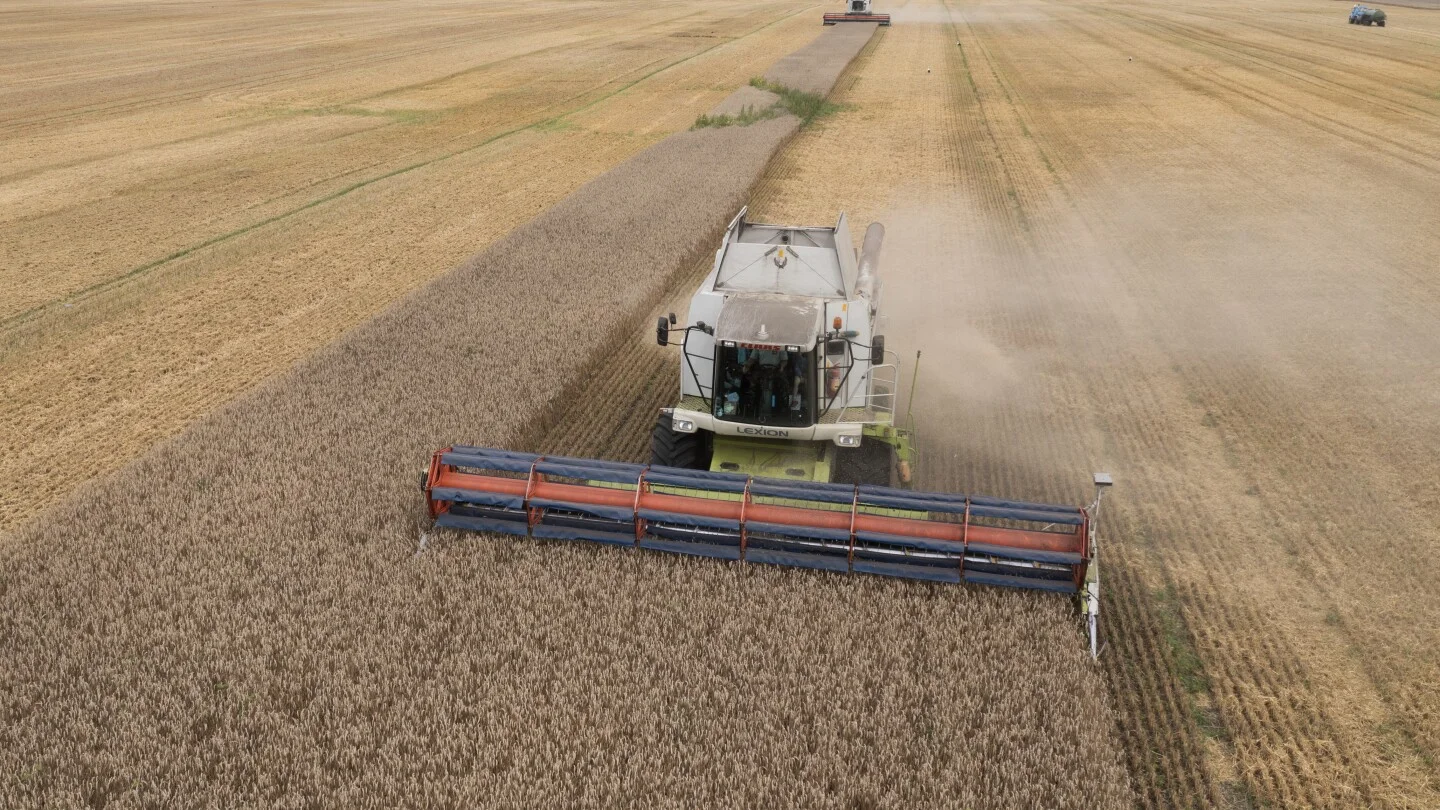
Russia has agreed to extend the Black Sea Grain Initiative, which allows Ukraine to ship grain through the Black Sea to countries in Africa, the Middle East, and parts of Asia that rely on Ukrainian wheat, barley, vegetable oil, and other affordable food products. The deal has helped lower prices of food commodities like wheat over the last year, but that relief has not reached kitchen tables. The extension is a boost to global food security after the war launched more than a year ago drove up prices.
A recent study by the University of Leicester has found that air pollution may be linked to the global decline in bee populations. The study specifically examines how air pollution affects the bee gut microbiome and its bacterial balance, which is crucial for bee health and pollination. The researchers exposed beneficial bacteria in the bee gut to black carbon air pollution in the lab and found changes in its behavior and structure. The study highlights the importance of understanding the impact of air pollution on bee health to protect the planet's ecosystems and global food security.