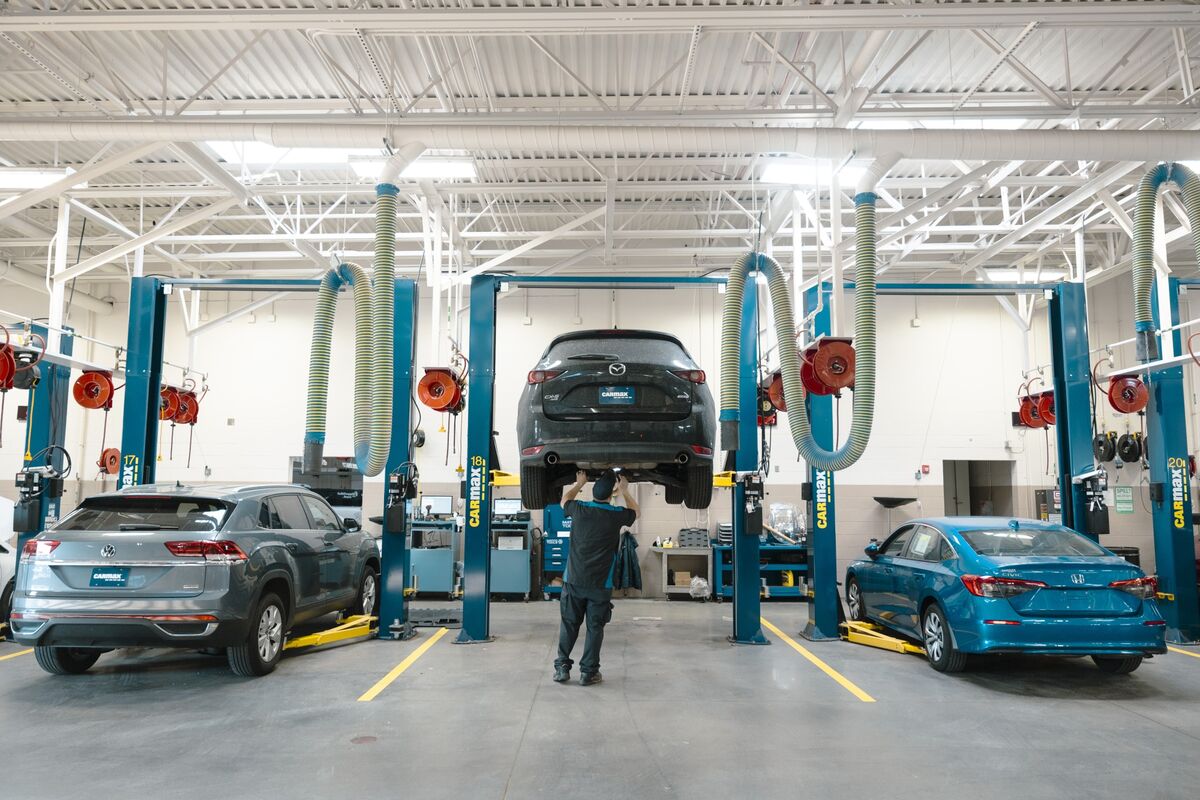
The cost of auto insurance in the US has risen over 22% in the past year, with a 43.7% increase since January 2020, largely due to the high-tech gadgetry and safety equipment now common in cars, driving up repair costs even for minor accidents and contributing to high inflation.
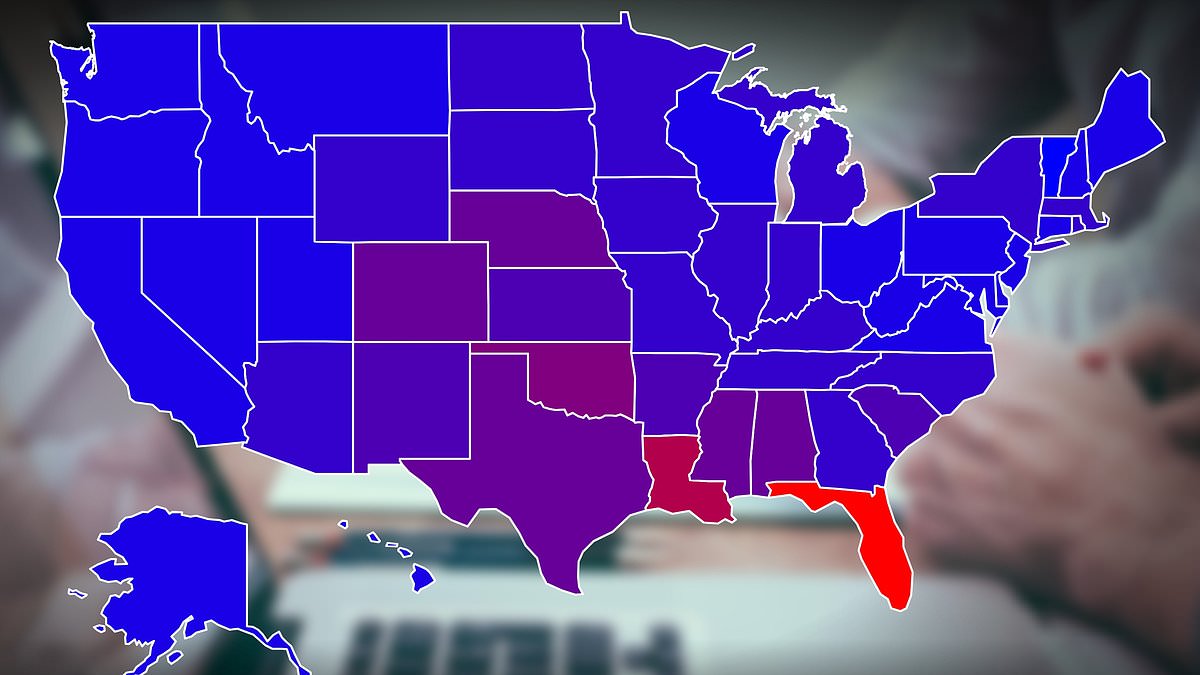
Home insurance costs in the U.S. have surged, particularly in states prone to climate-related disasters, with Florida leading the pack at an average of $9,213 annually. Insurers are increasingly withdrawing coverage from high-risk areas, impacting both home and car insurance. To lower premiums, homeowners can disaster-proof their homes by taking preventive measures and consider relocating to lower-risk states. Comparing quotes from multiple insurance providers is recommended to find the best coverage and rates.
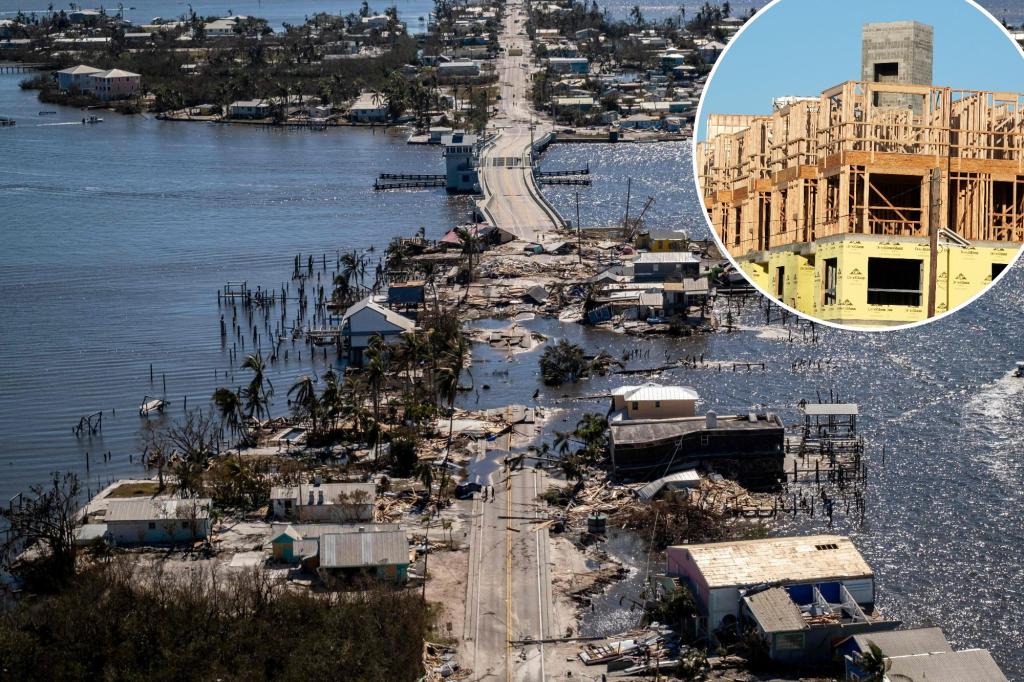
US home insurance rates are projected to reach a record high of $2,522 by the end of 2024, with some states facing premiums as high as $12,000 due to escalating natural disasters, insurers pulling out of certain areas, and higher fees for home repairs. Florida and Louisiana are among the worst affected, with premiums expected to rise by 7% and 23% respectively. Climate change is increasing the severity and frequency of extreme weather events, leading to a surge in insurance costs and making some high-risk areas potentially uninsurable.
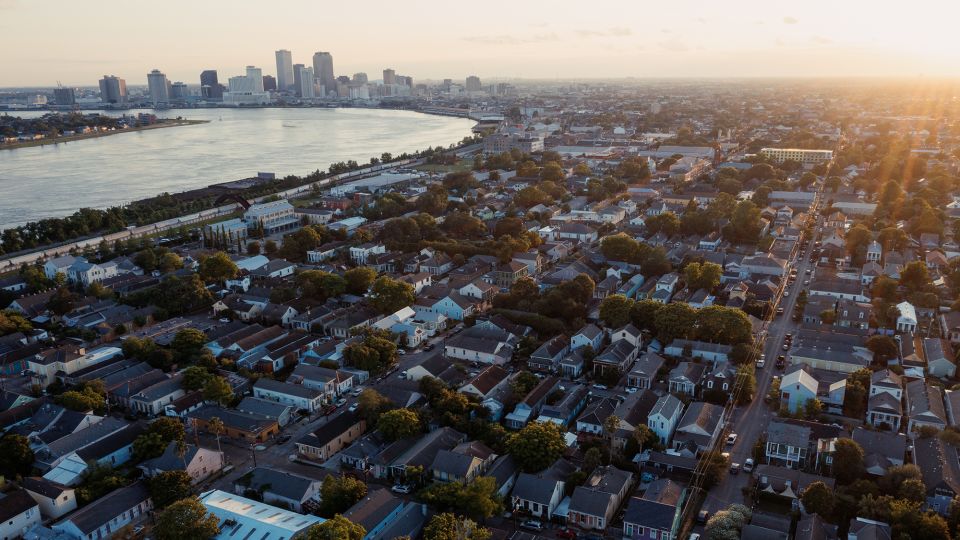
The home insurance market in places like New Orleans and California is crumbling due to climate change, leading to skyrocketing premiums and limited coverage options for homeowners. Insurers are raising premiums or pulling out altogether due to increased risks from extreme weather events, leaving many homeowners struggling to find affordable coverage. Some are forced to turn to state-supported "insurers of last resort" at significantly higher costs, while others are considering going without insurance due to the high additional costs and challenges of obtaining coverage.
The home insurance market is in turmoil, with homeowners across the US facing limited coverage options and soaring premiums due to climate change, increased severe weather events, and rising costs for insurers. Many homeowners are experiencing significant premium increases or having their policies canceled, forcing them to seek coverage from state-supported insurers of last resort at much higher costs. The situation is particularly dire for those living in high-risk areas, with some insurers ceasing to issue policies altogether. As a result, some homeowners are struggling to afford insurance and are being driven to forgo coverage, raising concerns about the growing number of uninsured homes and the need for stronger oversight and climate change adaptation measures.
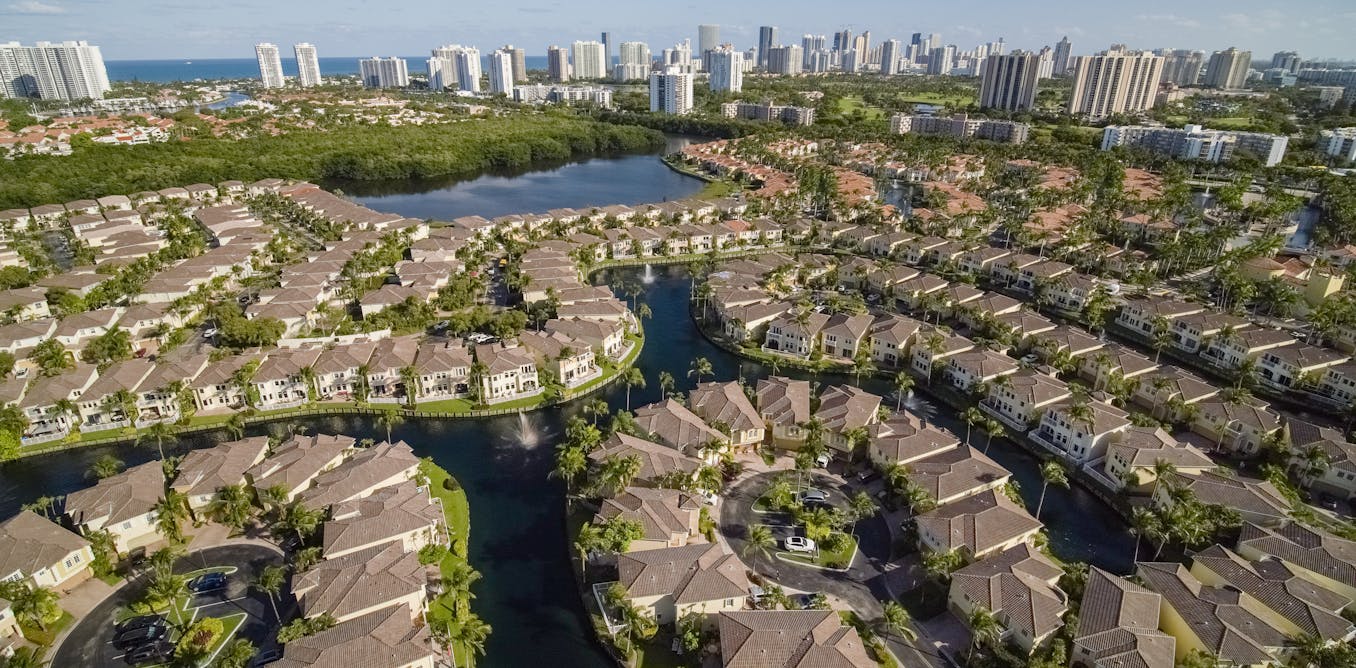
Florida's home insurance market has become dysfunctional due to surging property insurance costs, with average premiums costing homeowners $6,000 a year, more than triple the national average. Factors driving the insurance challenge include more frequent and costly natural disasters, skyrocketing reinsurance prices, and a litigation-friendly environment. Florida's response includes passing Senate Bill 2A, aiming to discourage needless lawsuits and restrict assignment of benefits, but the long-term impact remains uncertain, with other disaster-prone regions watching closely.
Home and auto insurance premiums are surging across the country, with homeowners seeing an average increase of more than 11% and auto insurance climbing even faster. Insurance companies attribute the surge to the need to catch up after two years of big losses, rising labor and material prices, and a mounting toll of natural disasters. While state regulators have some power to limit price hikes, insurance companies tend to have the upper hand, leading to concerns about escalating rates of uninsured drivers and homeowners.
The cost of insuring homes in America is skyrocketing, with premiums jumping by an average of 21% from May 2022 to May 2023. Weather events are becoming more destructive, leading to underwriting losses for insurers. This is impacting the housing market, with some of the strongest housing markets experiencing stalled home sales and condo buildings becoming ineligible for mortgages. Insurers are abandoning entire states, leaving residents with fewer and costlier choices for protection against costly catastrophes. The rising cost of property insurance is making it difficult for homeowners to afford insurance, impacting real estate development and causing some to forgo insurance altogether.