High home prices, rising mortgage rates, and a shortage of available homes are making it difficult for first-time buyers, whose average age has reached 40, to enter the housing market, leading to a record low in home sales to first-time buyers and increased financial challenges for young adults.
The median age of first-time homebuyers in the US has increased to 40 due to high home prices and mortgage rates, leading to delayed homeownership and a significant decline in first-time buyer market share to 21%, the lowest since 1981. This shift could result in Americans losing approximately $150,000 in home equity over a lifetime, with older, wealthier buyers dominating the market.
The UK government has announced major reforms to the housing market aimed at reducing costs, delays, and failed sales, including mandatory property information, binding contracts, and improved professional standards, potentially saving buyers hundreds of pounds and cutting transaction times. The reforms are part of a broader housing strategy, alongside new tax incentives for first-time buyers, funded by public spending cuts.
The decline in 'nepo' homebuyers, who rely on family help to purchase homes, signals a shift in the US housing market, with younger, less dependent buyers now less frequently receiving family aid due to rising costs, older buyer demographics, and changing market conditions, which could impact future homeownership dynamics.
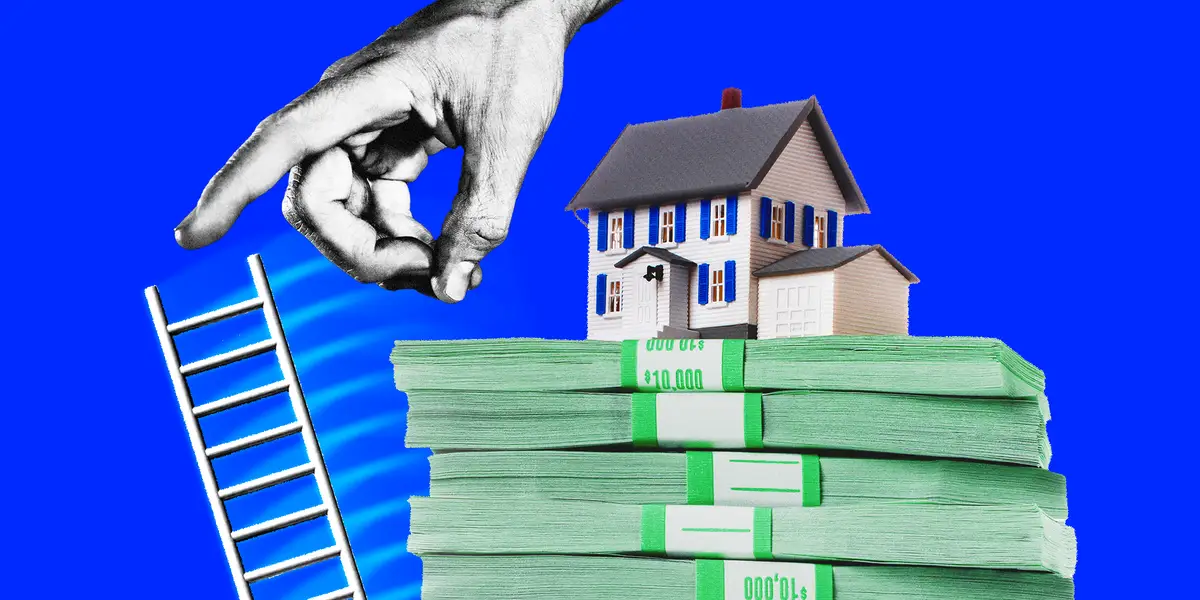
High interest rates, record home prices, and a shortage of inventory have left many homeowners unable to sell their starter homes, creating a "rate-lock effect" that prevents them from trading up and locks out first-time buyers from entering the market.
National Association of Home Builders (NAHB) CEO Jim Tobin discusses the disappointing housing start data, noting the expected "bumpy" year for real estate and the disproportionate impact of high capital costs on the multi-family segment. Tobin highlights the challenges faced by first-time buyers due to high shelter inflation and uncertainty around potential interest rate cuts by the Federal Reserve. He emphasizes the need for more supply to address the housing market's current limitations and expresses optimism for the future despite persistent labor shortages and the potential role of AI in improving productivity in the building sector.
December home sales fell 1% compared to November, marking the lowest level since August 2010, with full-year sales at the lowest since 1995. Tight supply led to a 4.4% increase in median home price from December 2022, reaching a record high for the full year. Mortgage rates have dropped, and more inventory is expected, potentially boosting sales in the new year. However, first-time buyers are still struggling, making up just 29% of December sales, down from 31% the year before.
Baby Boomers are dominating the housing market, with first-time buyers making up only 32% of home sales, down from 38% since 1981. Repeat buyers, who tend to have more money on hand, have a median age of 58. Older buyers are more likely to have generated wealth from selling a home, have better credit, and can make more attractive offers, creating a difficult market for first-time buyers. Boomers are buying more homes than expected, adding to the already competitive market, and are often in competition with first-time buyers for smaller, low-maintenance homes.
Mortgage rates have dropped for the fourth consecutive week, with the average rate on a 30-year fixed mortgage declining to 7.29% from 7.44%. This decrease has prompted some homebuyers, including entry-level buyers, to reenter the market. However, high home prices and rates, along with limited inventory, continue to impact affordability. The volume of mortgage applications for home purchases has increased, particularly among first-time buyers who are also turning to new construction. Despite these positive signs, demand still outweighs supply, and the market remains challenging for moderate-income households. The Federal Reserve has kept its benchmark interest rate steady, but more rate hikes are possible. Some experts believe that mortgage rates may have already peaked.
The National Association of Realtors (NAR) annual report reveals that while more first-time homebuyers entered the market in the past year, a significant portion of them were wealthier buyers who could afford the rising prices and interest rates. The report shows that the median income of US homebuyers increased, with first-time buyers reporting a 35% jump in median income compared to the previous year. Limited inventory and high prices continue to pose challenges for moderate-income buyers, with many renters feeling pessimistic about their ability to afford a home. The desire for homeownership remains a strong motivator for first-time buyers, but achieving the American dream seems increasingly difficult for many.
Despite high prices and interest rates, some home buyers are still finding ways to enter the tough housing market. First-time buyers accounted for nearly a third of home sales, with a record 70% of buyers not having children under 18. Rising interest rates have deterred potential sellers from giving up their cheaper loans, leading to a shortage of available homes. Buyers are making tradeoffs, such as moving farther from the city or giving up certain features, to secure a home. The average income of buyers is at a record high, but the biggest challenge remains coming up with a down payment.
Millennials are facing a housing market reminiscent of the challenges their parents experienced in the 1980s. Despite high mortgage rates and soaring home prices, first-time buyers in their 30s are flooding into the market, making up 32% of all homebuyers. The National Association of Realtors (NAR) reports that the typical age for first-time homebuyers is 35, placing them squarely in the millennial category. However, the market remains difficult to enter due to limited inventory, and lower-income buyers are being priced out. The median household income for homebuyers has jumped almost 20% in the past year to $107,000, making homeownership increasingly unaffordable for younger generations. Many first-time buyers are resorting to borrowing from their financial assets to enter the market, and some are driven by a fear of missing out (FOMO) on even higher prices and mortgage rates in the future.
Older buyers, particularly baby boomers, are dominating America's hot housing market, with the median age for repeat buyers being 58. First-time buyers are struggling to enter the market, making up only 32% compared to an average of 38% since 1981. Older buyers have an advantage as they often have more cash from selling a previous home and are more likely to make attractive offers such as large down payments or all-cash purchases. With limited housing inventory, older buyers are competing with first-time buyers for smaller, low-maintenance homes, and often come out on top due to their financial stability.
Existing home sales in the US fell by 0.7% in August, with a 15.3% drop compared to the same time last year, as high mortgage rates and a lack of inventory continue to impact the real estate market. The national median sales price reached $407,100, a nearly 4% increase from a year ago. Limited supply of properties has led to stiff competition, with 72% of properties sold in August on the market for less than a month. Rising mortgage rates, now at 7.18%, are further hindering potential buyers.
Contrary to popular belief, most first-time homebuyers do not need to put down a 20% down payment. According to Jessica Lautz, deputy chief economist at the National Association of Realtors, the typical first-time buyer actually puts down around 6% or 7% on their first home. In fact, during the first quarter of 2023, the typical down payment on a single-family home represented 7.5% of the median price. There are also various programs available, including federal government-supported programs and financial institutions, that offer lower down payment options. Additionally, some states, cities, and organizations provide grants to help cover down payment or closing costs for eligible homebuyers.