President Trump proposed a one-year cap of 10% on credit card interest rates, targeting a highly profitable banking sector, but industry groups warn this could significantly reduce credit availability and harm consumers, especially riskier borrowers. The move has sparked debate over the impact on banks' profitability and consumer access to credit, with potential adjustments including higher fees and reduced rewards. The proposal faces resistance from banking trade groups and lawmakers, amid ongoing discussions about regulating interest rates.
President Trump has called for a one-year cap on credit card interest rates at 10%, reviving a campaign promise, but has not provided details on implementation, amid a history of opposing certain financial regulations during his administration.
President Donald Trump proposed a one-year cap of 10% on credit card interest rates, effective January 20, 2026, aiming to protect consumers from high charges, though details and potential responses from credit card companies remain unclear.
President Trump announced plans to temporarily cap credit card interest rates, but the legal authority for such a move is uncertain without congressional approval. Legislation proposing a 10% cap has been introduced in Congress, and the move is part of broader populist economic measures aimed at addressing high living costs. The average credit card rate is currently 22.3%, significantly higher than in 2013.
U.S. stocks reached record highs following a mixed jobs report that improved the unemployment rate but showed slower hiring, leading to expectations of delayed Federal Reserve rate cuts. Major gains were driven by tech and housing sectors, despite some declines in auto and consumer goods stocks. Bond yields showed mixed signals, and economic sentiment among consumers appears to strengthen, supporting market optimism.
Mortgage rates dropped below 6% for the first time in nearly two years after a Trump proposal to buy $200 billion in mortgage bonds, which increased bond prices and lowered yields, potentially boosting the housing market and refinancing activity.
Mortgage rates have fallen to a three-year low due to a surprise $200 billion GSE MBS purchase, but volatility remains high, and the final impact on rates is uncertain as lenders adjust their offerings.
Mortgage rates are expected to remain around 6.16% into 2026, with some fluctuations influenced by Federal Reserve policies and the 10-year Treasury yield. While rates may slightly decrease if the Fed cuts rates, other factors like home prices and housing supply also impact affordability. Buyers should focus on affordability and strategic financing options rather than waiting for rates to drop significantly.
Mortgage rates have been relatively stable but could decrease below 6% if government mortgage agencies buy $200 billion in bonds, with current averages around 6.16% for 30-year fixed mortgages. Experts predict rates will stay near these levels through 2026 and into 2027, with some variation depending on economic factors.
Mortgage rates in the US fell below 6% for the first time in years after President Trump announced plans to buy $200 billion in mortgage bonds, leading to a significant drop in interest rates and potentially boosting home affordability, although the overall impact on the housing market may be limited due to existing low mortgage rates and the relatively small size of the bond purchase relative to the total market.
Despite geopolitical turmoil and President Trump's aggressive actions, the US dollar has remained resilient, reaching a one-month high due to strong job market data and doubts about the extent of upcoming Federal Reserve interest rate cuts, highlighting the unpredictable nature of markets in the Trump era.
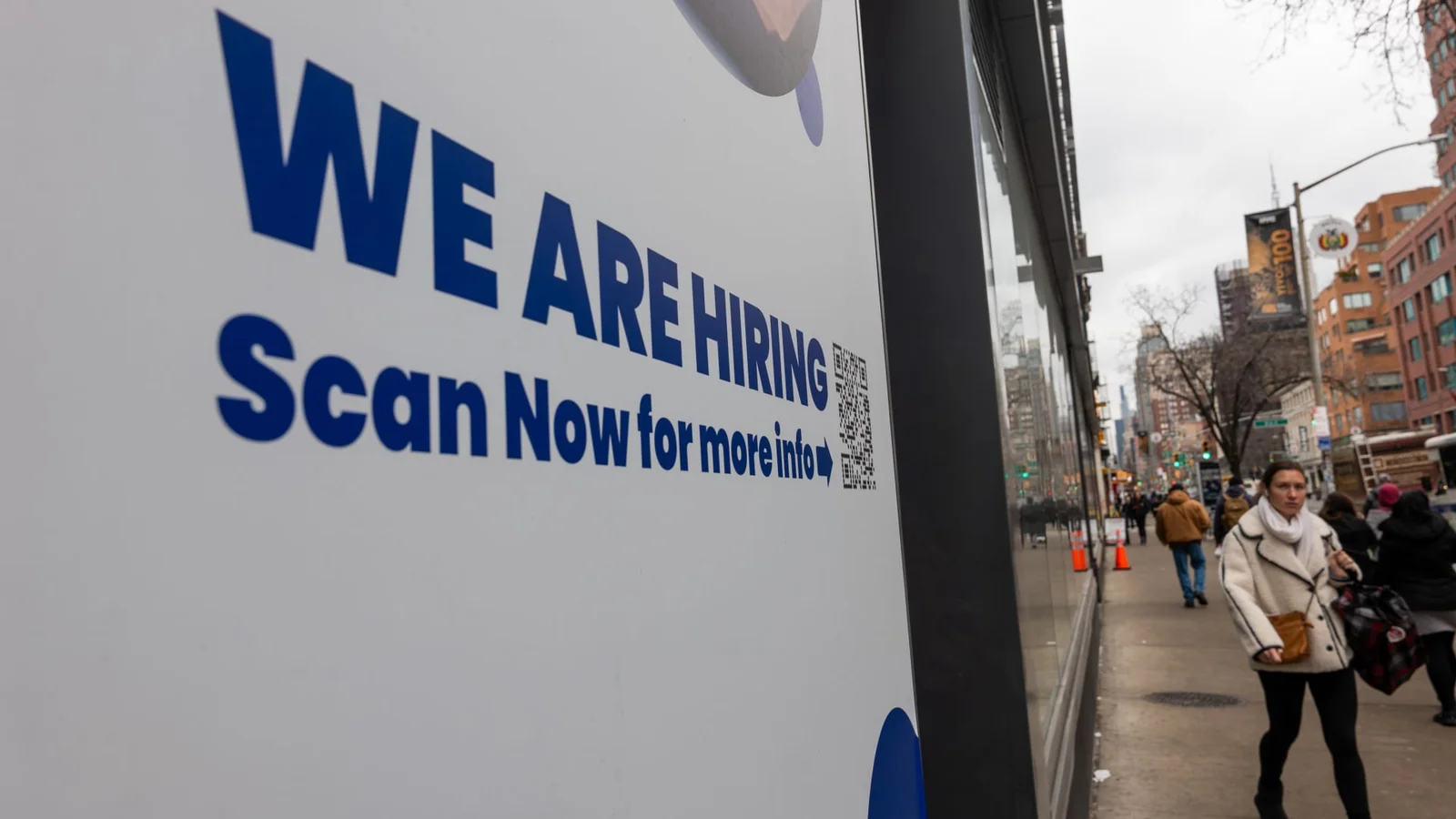
US employment growth in December was modest, with 50,000 jobs added, marking the weakest year of growth since the pandemic, amid economic uncertainty and debates over interest rate policies. The unemployment rate decreased to 4.4%, and the labor market remains in a subdued 'no hire, no fire' phase, influencing upcoming Federal Reserve decisions on interest rates.
The 10-year Treasury yield slightly decreased to 4.165% following a mixed December jobs report showing weaker-than-expected job growth but a lower unemployment rate, which may influence the Federal Reserve's interest rate decisions. The report indicates a cautious labor market, with potential for rate cuts in the spring, amid ongoing economic and political developments.
President Donald Trump announced plans for the federal government to buy $200 billion in mortgage bonds to help lower mortgage rates and improve home affordability, using cash from Fannie Mae and Freddie Mac, amid ongoing concerns about rising home prices and limited housing inventory.
The Congressional Budget Office forecasts that the Federal Reserve will cut interest rates in 2026, with rates settling at 3.4% by 2028, while 10-year Treasury yields are expected to rise slightly, impacting mortgage rates. The report also projects a peak in unemployment at 4.6% in 2026, with GDP growth slowing to around 1.8-2.2% through 2028, influenced by recent fiscal policies and immigration trends. Inflation is expected to remain above 2% in the near term, gradually decreasing by 2028.