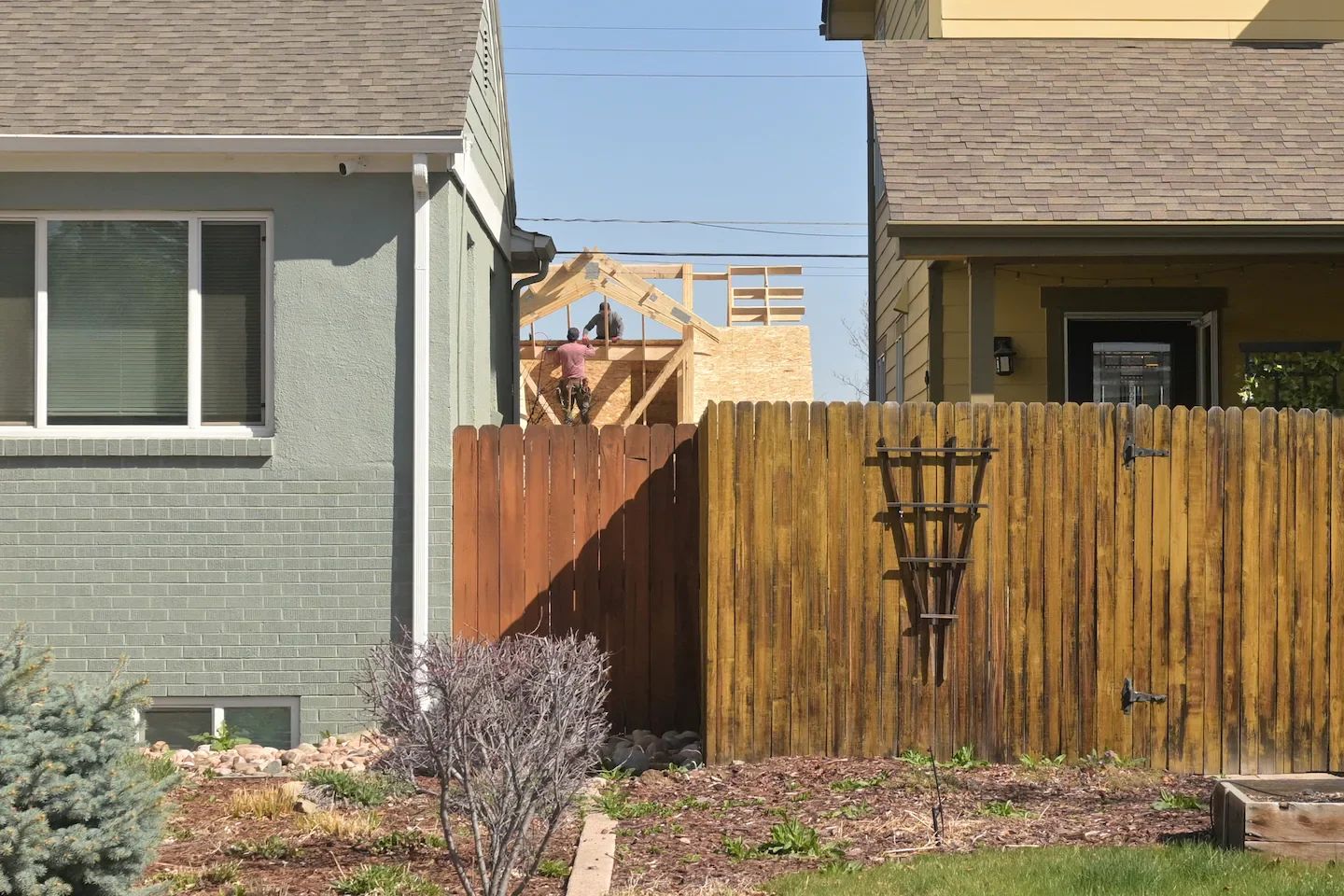
High mortgage rates push homeowners to grow outward, shrinking backyards
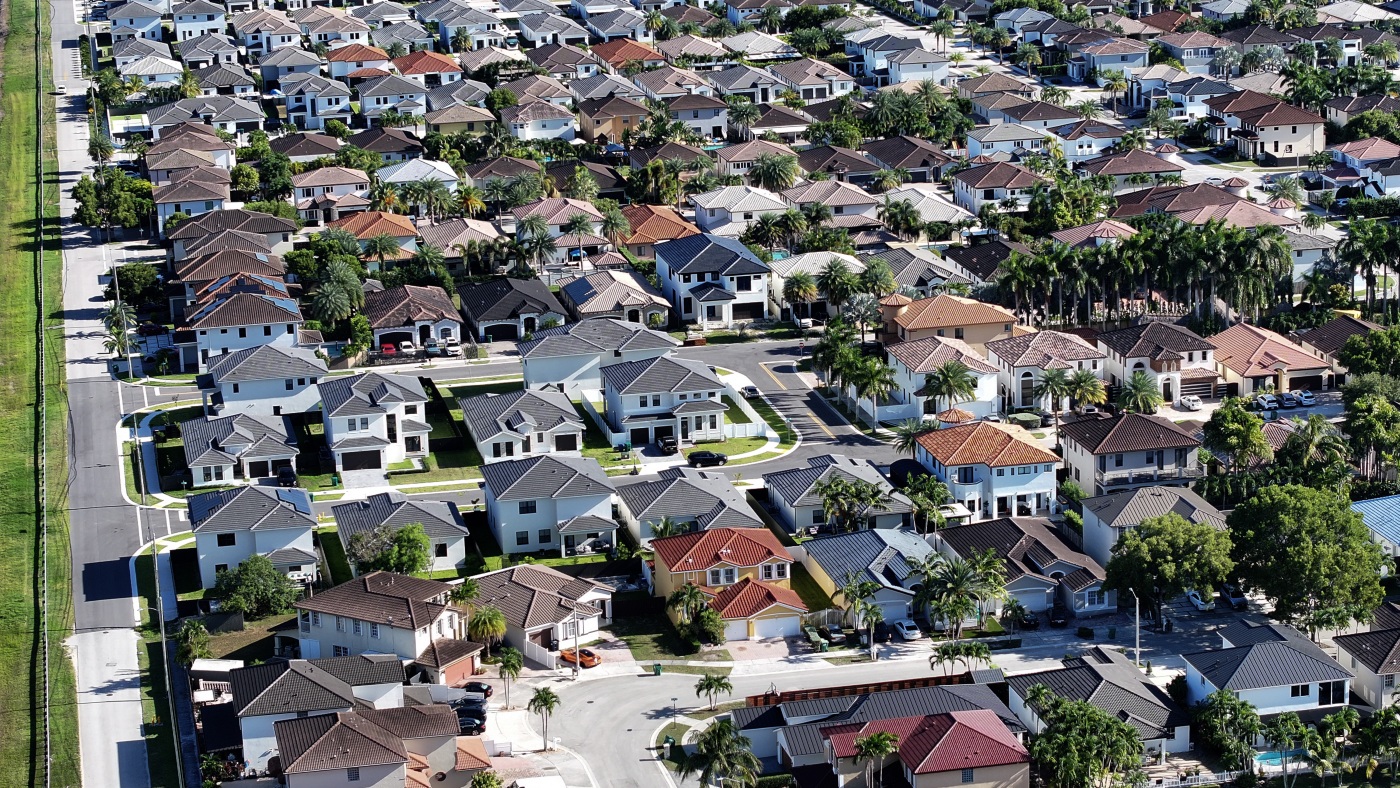
With mortgage rates still high, homeowners are opting to stay in place and expand outward, converting yard space into living areas and shrinking backyards.

All articles tagged with #home sales
With mortgage rates still high, homeowners are opting to stay in place and expand outward, converting yard space into living areas and shrinking backyards.
U.S. home sales in 2025 fell to a 30-year low as elevated prices and costly mortgages constrained buyers, highlighting persistent affordability challenges despite limited housing supply.
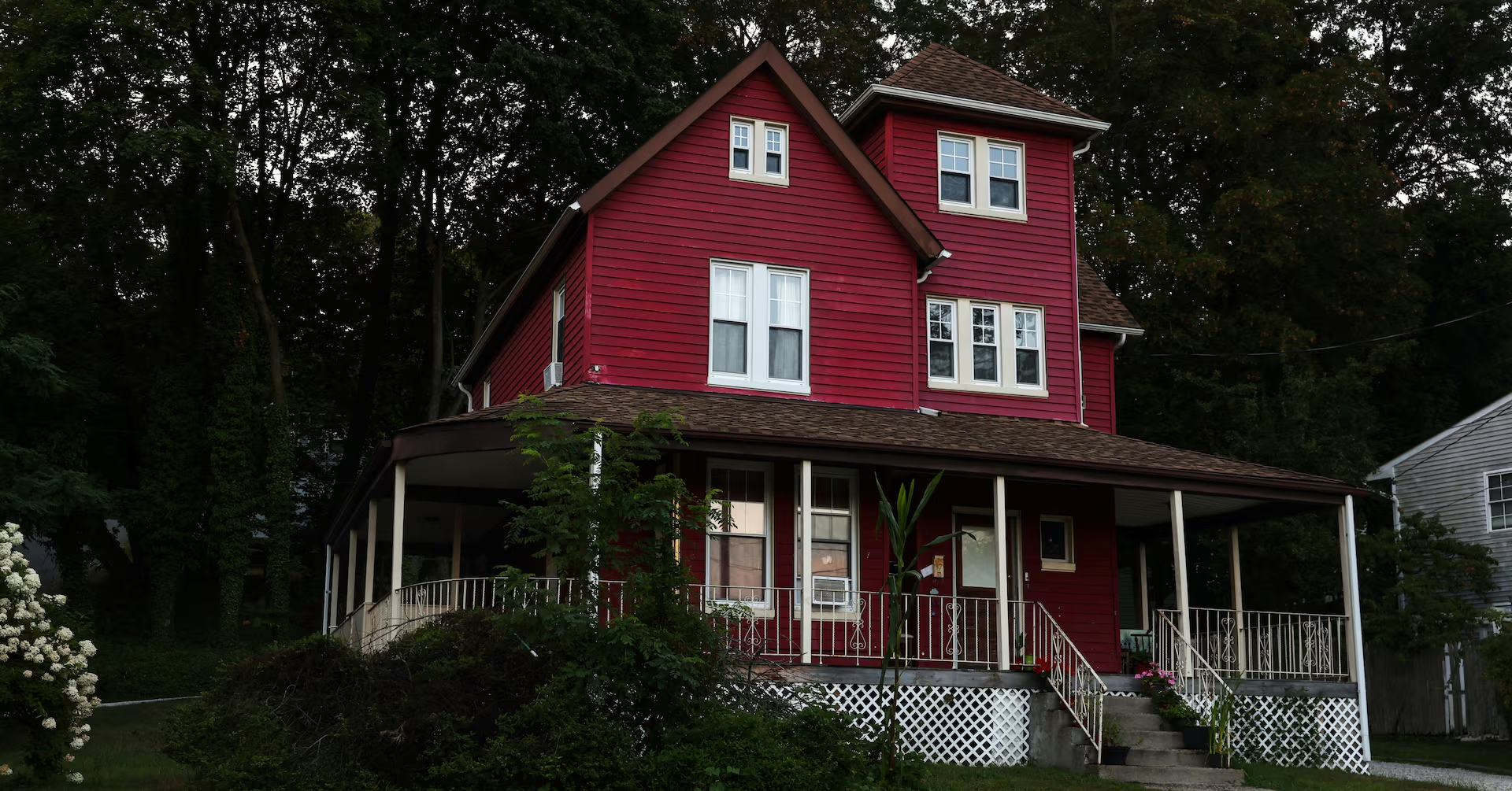
U.S. existing home sales increased slightly in November amid falling mortgage rates, but limited housing inventory and economic uncertainties have restrained a stronger market recovery. The median home price rose to $409,200, and sales were modestly up, though overall demand remains subdued due to labor market concerns and stretched affordability.
November home sales in the US saw a slight increase of 0.5% from October but remained 1% below November 2024, with supply declining and prices reaching record highs, driven by high mortgage rates and limited inventory, while affordability concerns persist despite wage growth.
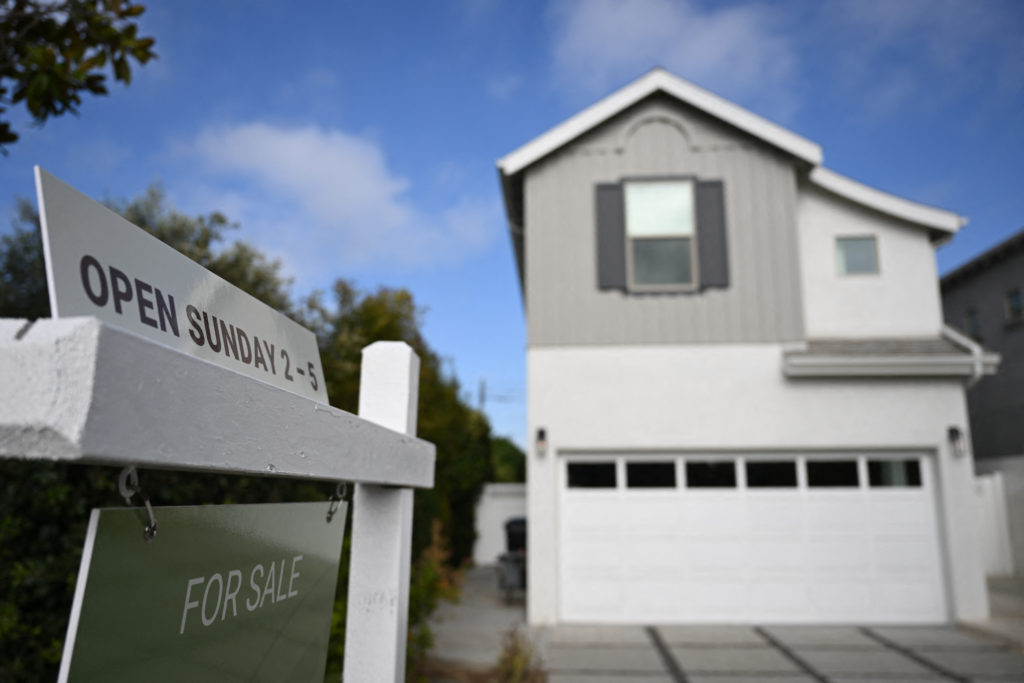
The average 30-year U.S. mortgage rate has dropped to 6.19%, its lowest in over a year, boosting refinancing activity and potentially aiding a sluggish housing market, amid expectations of further rate cuts by the Federal Reserve.

Mortgage rates in the US have fallen to 6.19%, the lowest in over a year, potentially boosting homebuyer activity as home prices soften and affordability improves, with experts expecting rates to stay within the 6-7% range amid signs of economic slowdown.
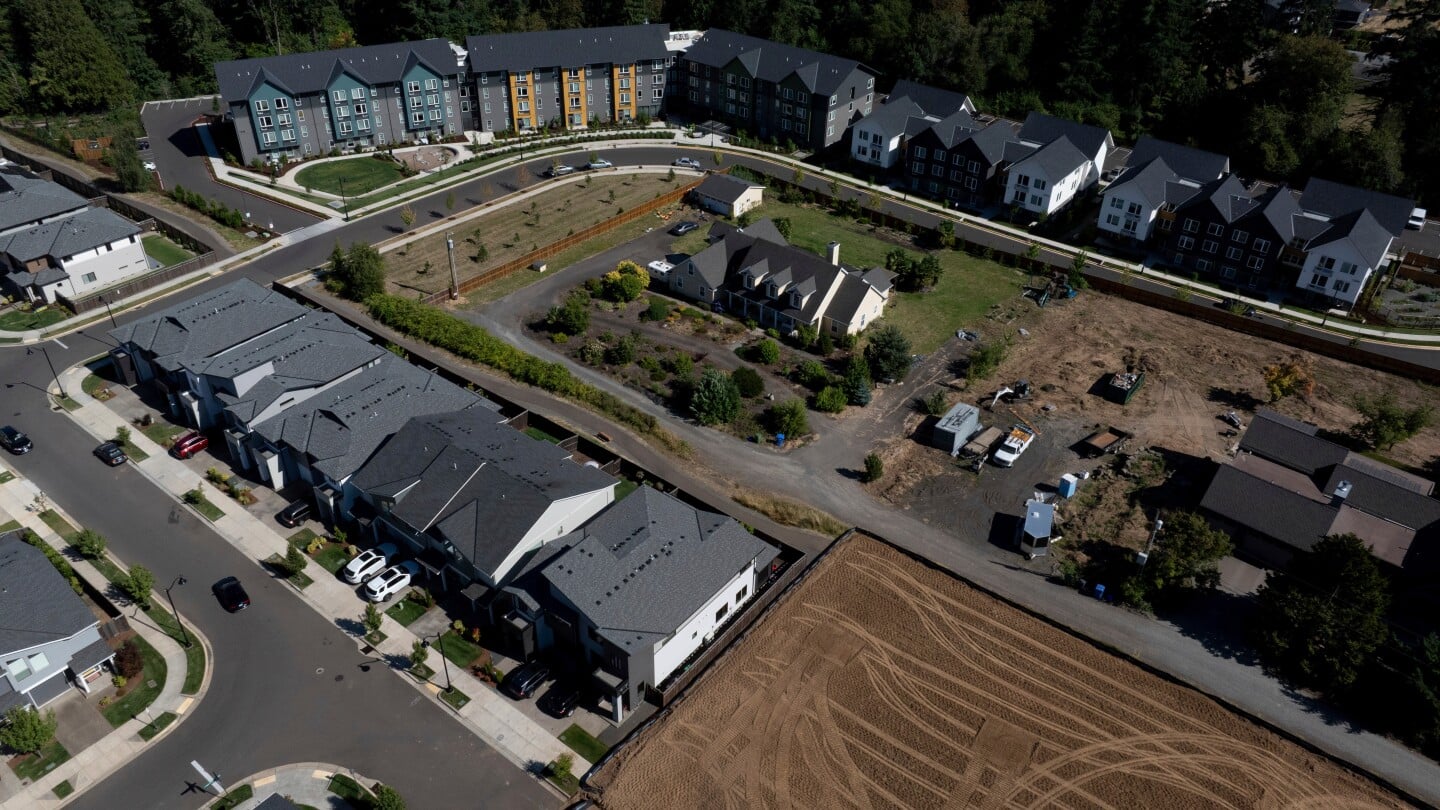
US existing home sales increased in September to their fastest pace since February, driven by declining mortgage rates and increased property availability, though high borrowing costs and a persistent housing shortage continue to impact the market. Home prices are at a record high for September, and while more homes are on the market, the supply remains below pre-pandemic levels, affecting affordability and sales dynamics.
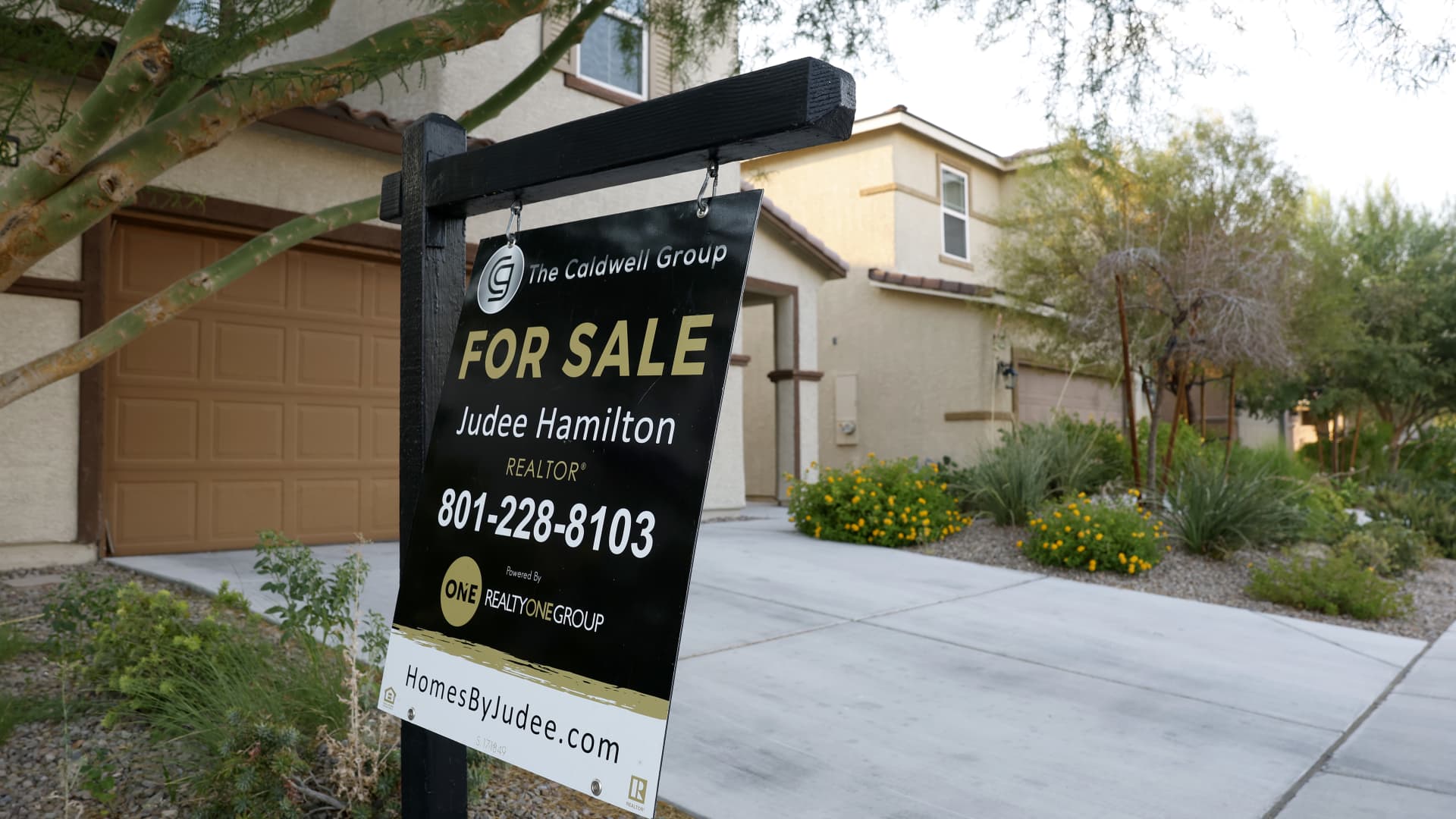
In September, U.S. home sales increased by 1.5% due to falling mortgage rates, reaching the highest pace in seven months, while prices remained high with a 2.1% annual increase, driven by tight supply and strong demand, especially at the high end of the market. Inventory levels rose but remain below pre-COVID levels, and first-time buyers are gaining ground amid favorable borrowing conditions.
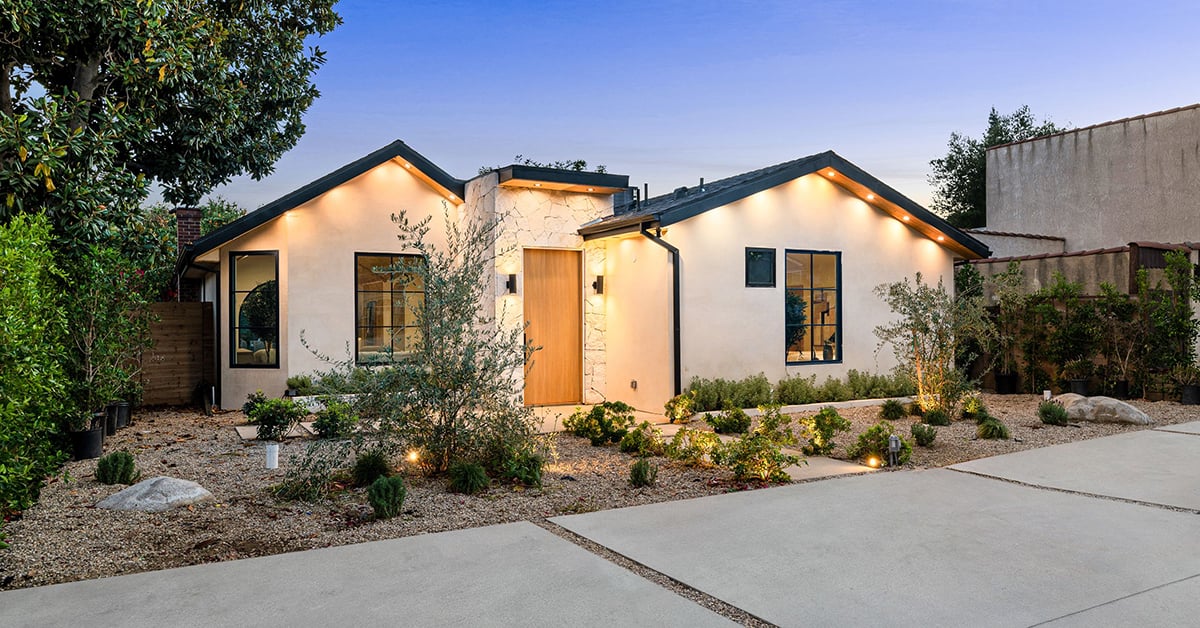
Existing-home sales in the US increased by 1.5% in September 2025, driven by falling mortgage rates and improved affordability, with inventory reaching a five-year high and prices continuing to rise in most regions.
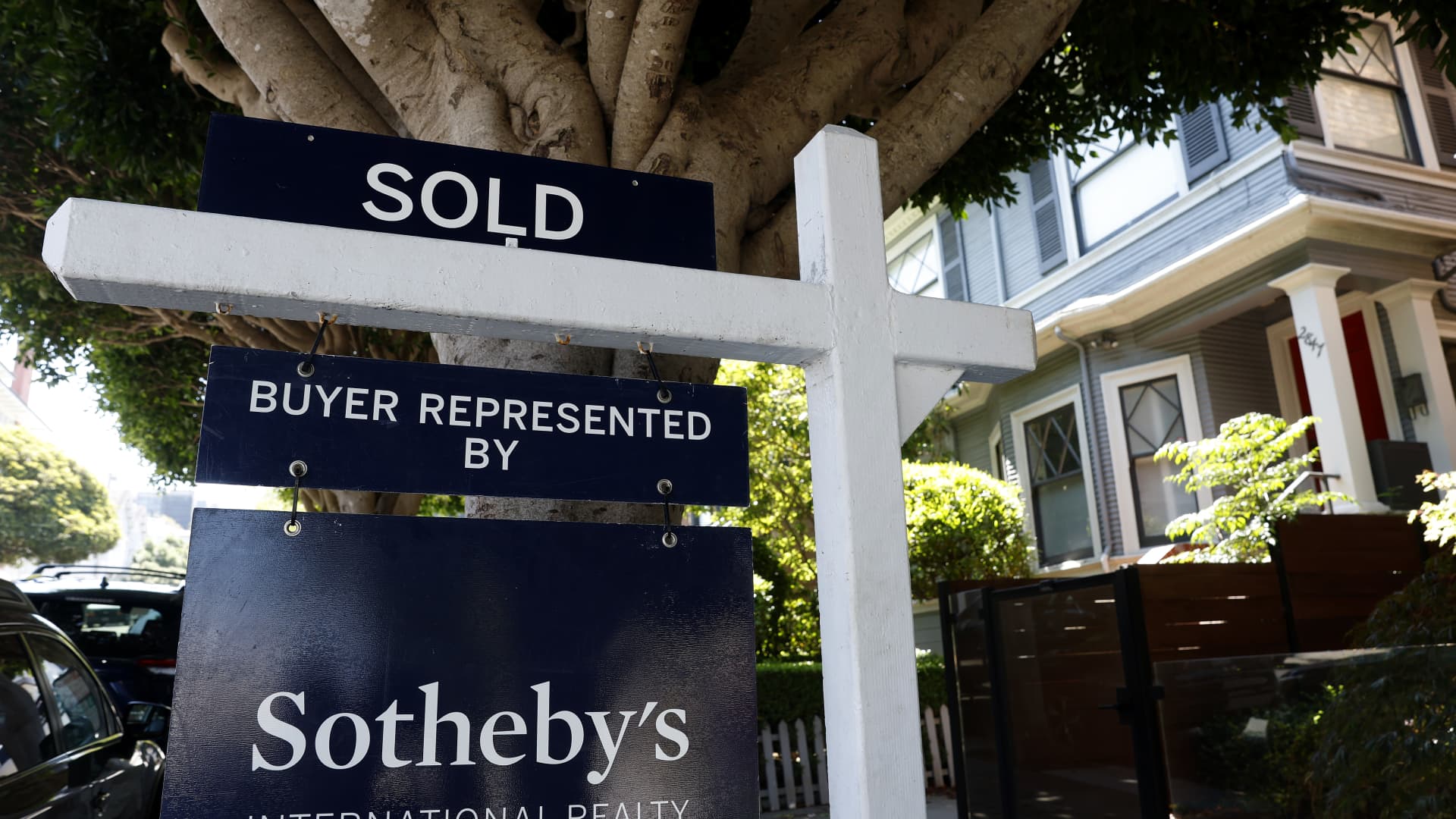
In Q2 2025, investors purchased one-third of all single-family homes, the highest share in five years, with small investors dominating the market. While overall home sales declined, investor activity provided liquidity and increased rental inventory, especially in populous states like Texas, California, and Florida. Institutional investors are now selling more homes than they buy, shifting focus to build-to-rent projects, which reduces competition for traditional buyers and boosts rental supply.

President Donald Trump is considering legislation to eliminate the capital gains tax on home sales, which could incentivize homeowners to sell and impact the housing market, though details and potential legislative approval are still unclear.
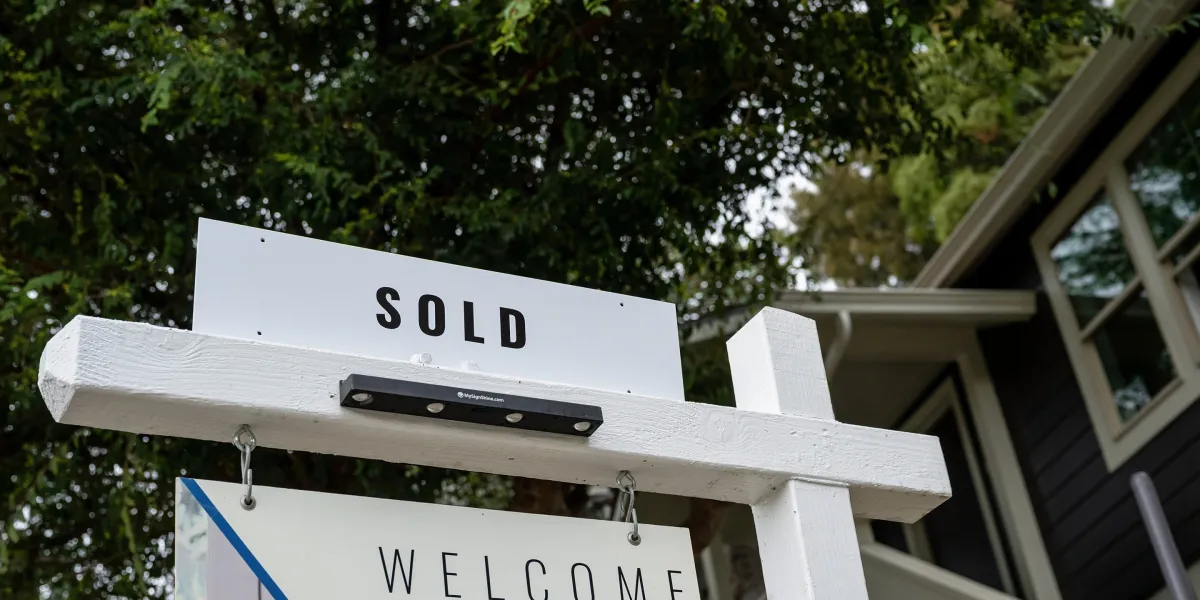
Despite falling mortgage rates over nine weeks, pending home sales have declined for the first time in nearly three months, indicating a stagnant housing market influenced by high home prices, buyer hesitation, limited supply, and economic concerns, with recent data suggesting mortgage rates may be rising again.
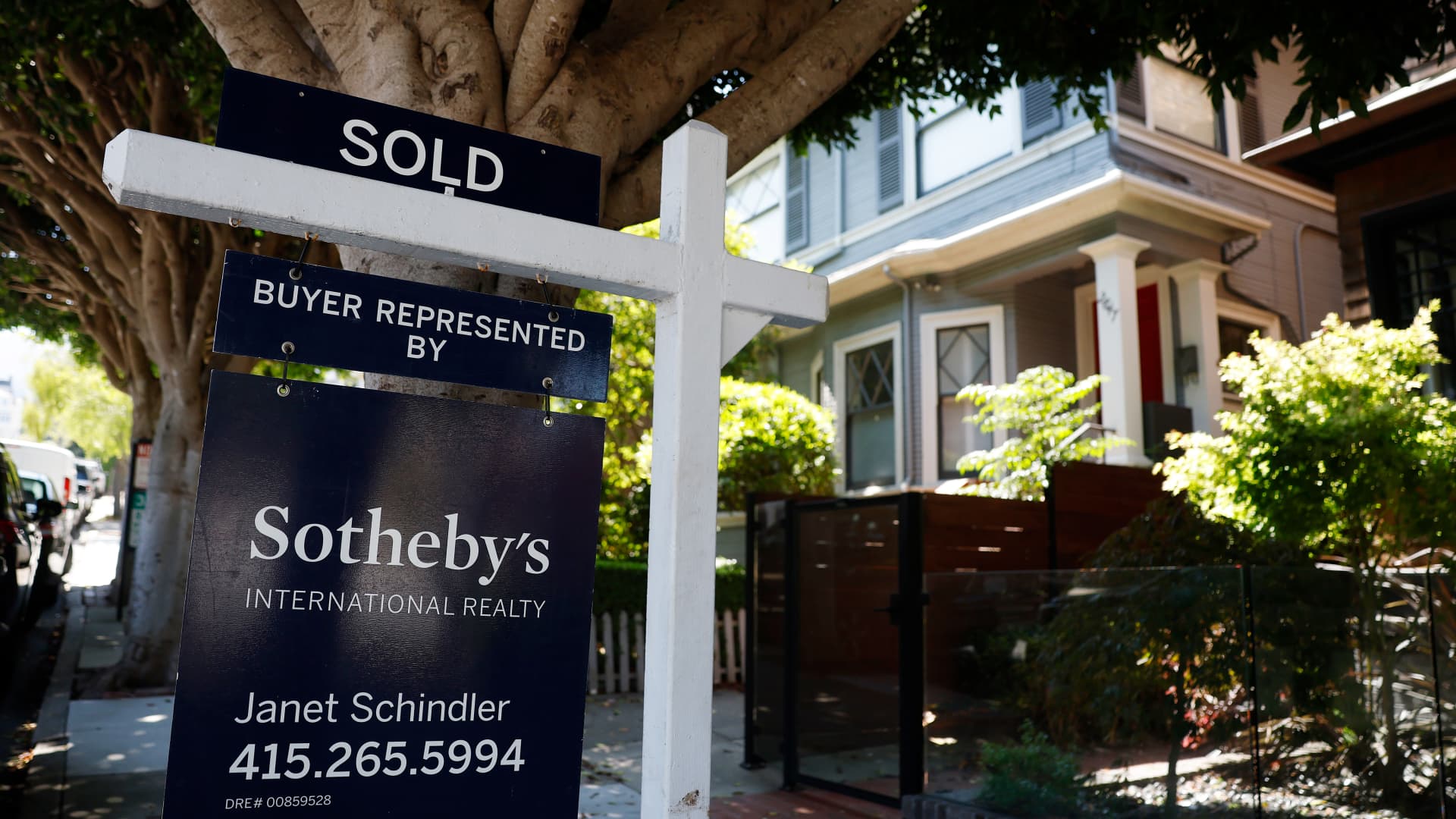
Existing home sales in August remained flat amid rising mortgage rates, with higher-end homes performing better than affordable ones. Supply decreased slightly, helping keep prices up, while homes stayed on the market longer. The Midwest showed stronger activity, and overall market conditions remain constrained by limited inventory and high mortgage costs.
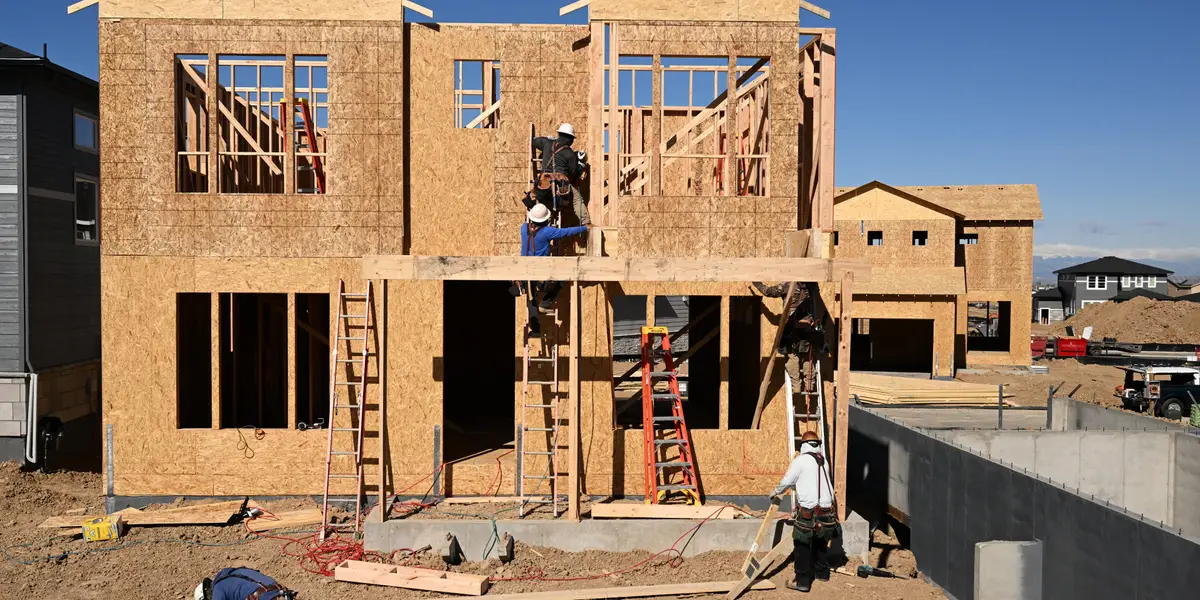
America's homebuilders are optimistic about the housing market's future, anticipating a rebound as the Federal Reserve is expected to cut interest rates, which could lower mortgage costs and stimulate home sales after years of high rates.
The U.S. housing market is showing signs of recovery with increased inventory and a slight rise in home sales, despite high mortgage rates and prices. Mortgage rates have recently decreased slightly, encouraging refinancing, and more homes are available for sale, giving buyers more options. However, high prices and rates continue to limit affordability, and new home construction faces challenges due to affordability issues, labor shortages, and regulatory costs.