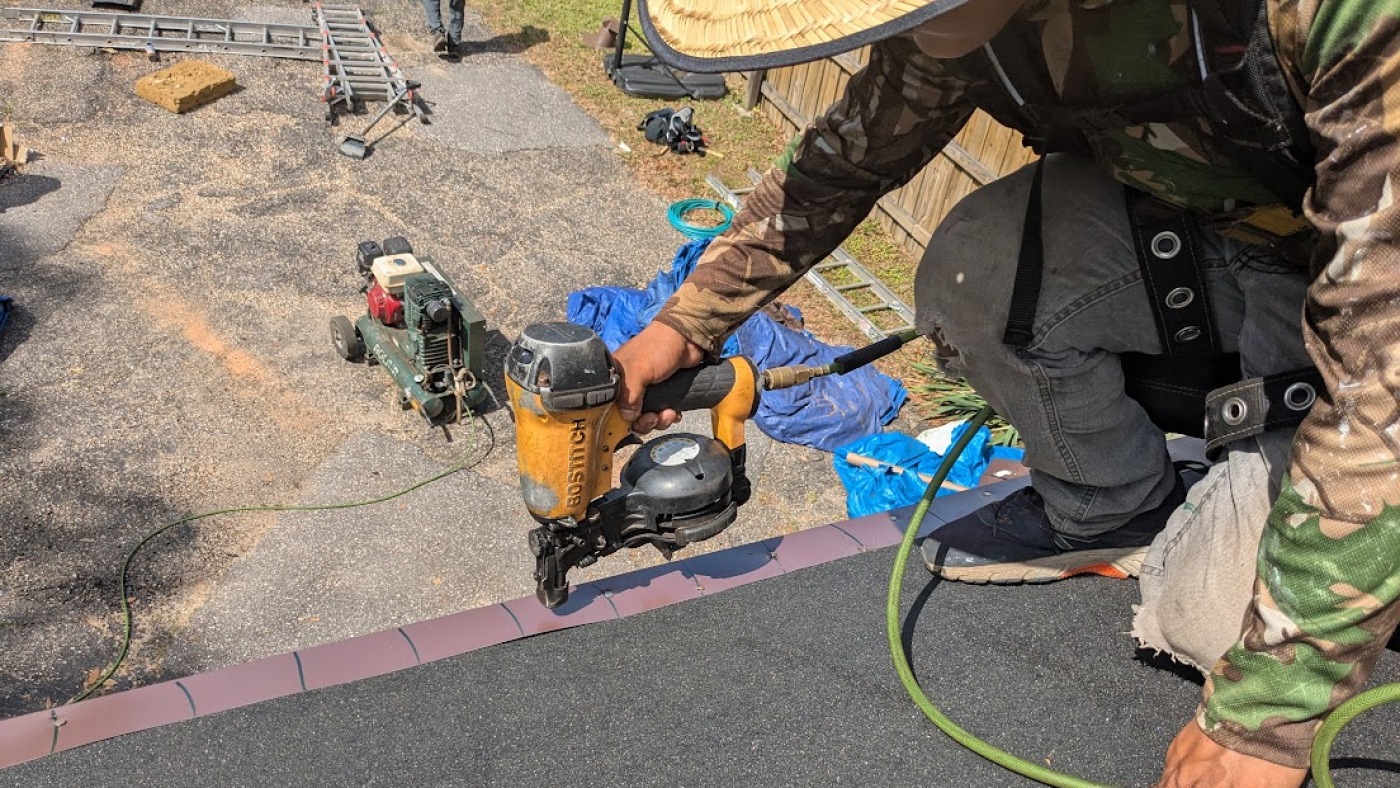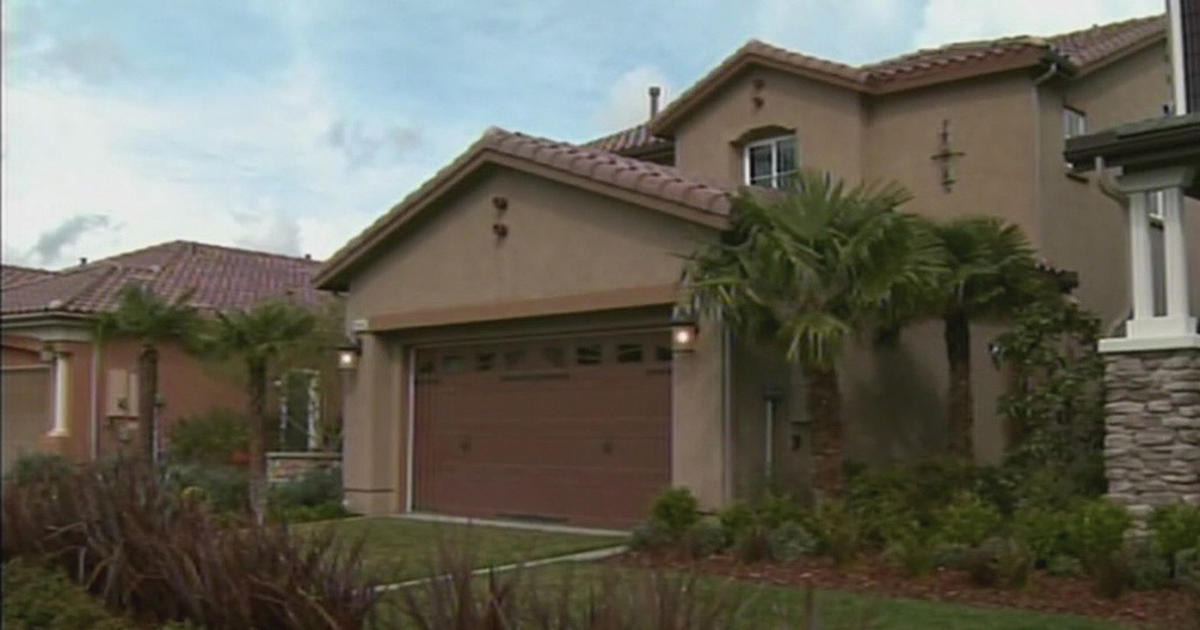
California's new Safe Homes grants program, starting in 2026, aims to assist low- and middle-income homeowners in high wildfire risk areas with funding for fire-resistant roofs and creating ember-resistant zones, with details on eligibility and funding still being finalized.
A federal appeals court ruled that the U.S. government is liable for flood damages to homes upstream of the Addicks and Barker dams during Hurricane Harvey in 2017, citing awareness of inadequate dam protection and the flooding of private lands, potentially paving the way for further claims against the government.
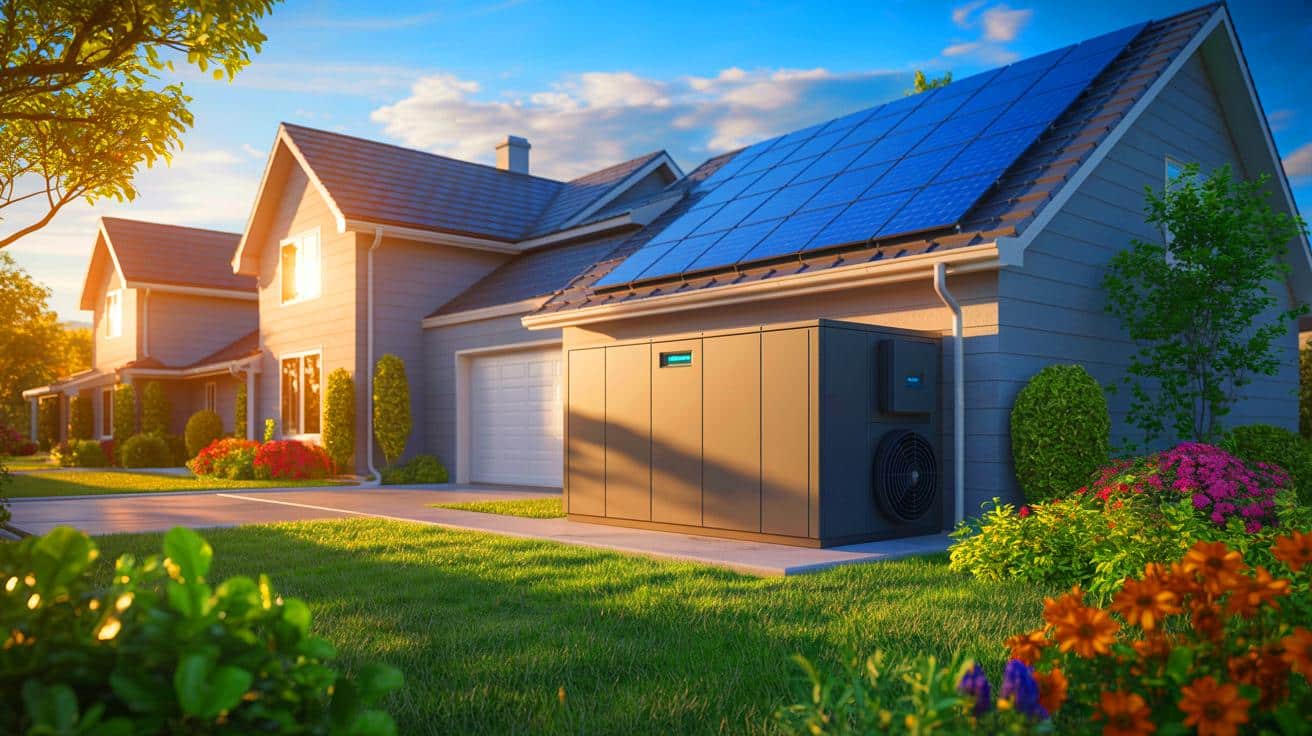
Homeowners are rushing to install battery storage systems before the 30% tax credit expires at the end of 2025, causing demand surges, supply chain challenges, and potential installation delays, while new technologies highlight the growing interest in sustainable energy solutions.
Joel and Kathryn Friedman, a retired couple in California, are hesitant to sell their large home due to potential $700,000 in capital gains taxes, which has delayed their downsizing plans. The current tax threshold has not changed since 1997, leading to more homeowners being taxed as home prices rise. Proposed bipartisan reforms aim to increase the tax exemption, potentially encouraging more home sales and easing housing shortages, especially in expensive markets like California.
Many older homeowners in the US are discouraged from selling their homes due to the capital gains tax, which may be contributing to a housing shortage. There is bipartisan support in Congress to reform or eliminate this tax to increase housing inventory, with some proposing to double the exemption thresholds. However, experts warn that such changes could have unintended consequences, including rising home prices and increased federal costs, and may disproportionately benefit wealthier Americans.
President Trump has suggested considering the elimination of capital gains taxes on home sales, which could benefit homeowners with significant gains, especially long-term owners in high-value markets. Currently, exemptions allow up to $250,000 (single) or $500,000 (married) in gains tax-free, but inflation and rising home prices mean more homeowners may face taxes. If enacted, this change could favor wealthier, long-term homeowners, particularly in expensive markets, and potentially influence housing market dynamics.
More US homeowners are underwater on their mortgages, with over 500,000 affected in April, marking the worst April in five years, especially in pandemic boomtowns where home values have declined, leading some to sell at a loss.
Homeowners are upgrading their houses with disaster-resistant features like fortified roofs to receive insurance discounts, a strategy adopted by states like Alabama and California to combat rising insurance costs and prevent policy cancellations amid increasing climate-related disasters.
EasyKnock, a real estate company known for its controversial sale-leaseback deals, has abruptly shut down, leaving many homeowners who sold their properties to the company in financial uncertainty. The company, which allowed homeowners to sell their homes and remain as renters, faces numerous lawsuits and investigations over claims of unfair practices. The closure raises questions about the viability of the sale-leaseback model, as many homeowners, like Randee Noggle, struggle to repurchase their homes under the terms of these agreements.
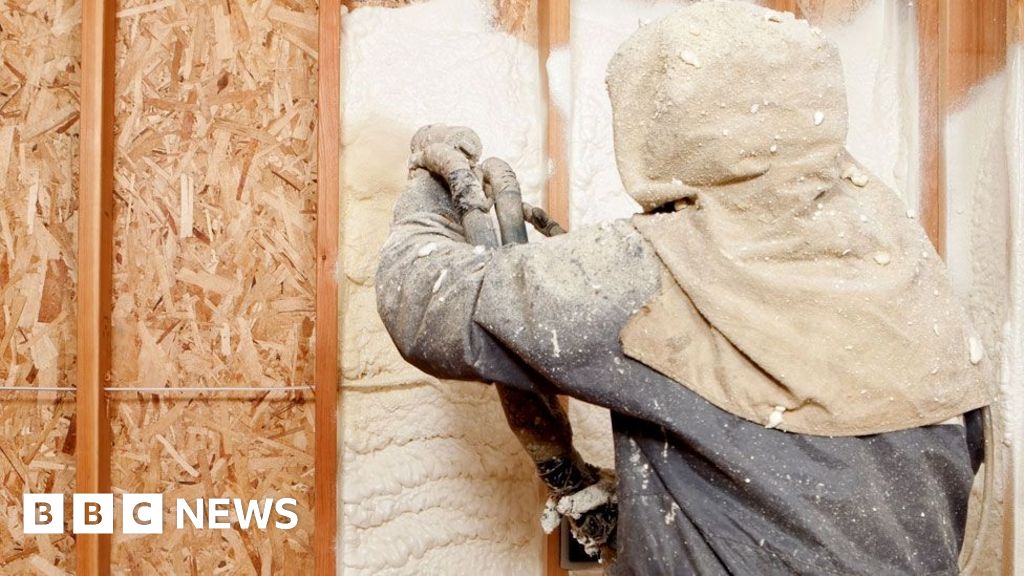
Homeowners in the UK with spray foam insulation are facing difficulties selling or remortgaging their properties as some major lenders refuse to finance homes with this insulation type. Concerns over improper installation leading to moisture retention and timber decay have led a quarter of the UK's largest mortgage providers to reject such properties. The issue has affected many homes insulated under the government's Green Homes Grant scheme, leaving homeowners like Wendy Rowe and Gary Wright with costly removal and refinancing challenges. The Insulation Manufacturers Association warns against unregulated removal services and emphasizes the importance of proper installation.
A new Florida law effective July 1 will require insurance agents to have at least three appointments with authorized carriers before selling policies for the state-backed Citizens Property Insurance Corp. This change aims to ensure Citizens remains a last-resort insurer amid a crisis of rising premiums and limited policy options due to excessive litigation, fraud, and climate change. The law also allows surplus lines insurers to take out Citizens policies on secondary homes, potentially reducing Citizens' policyholder numbers and mitigating insolvency risks.
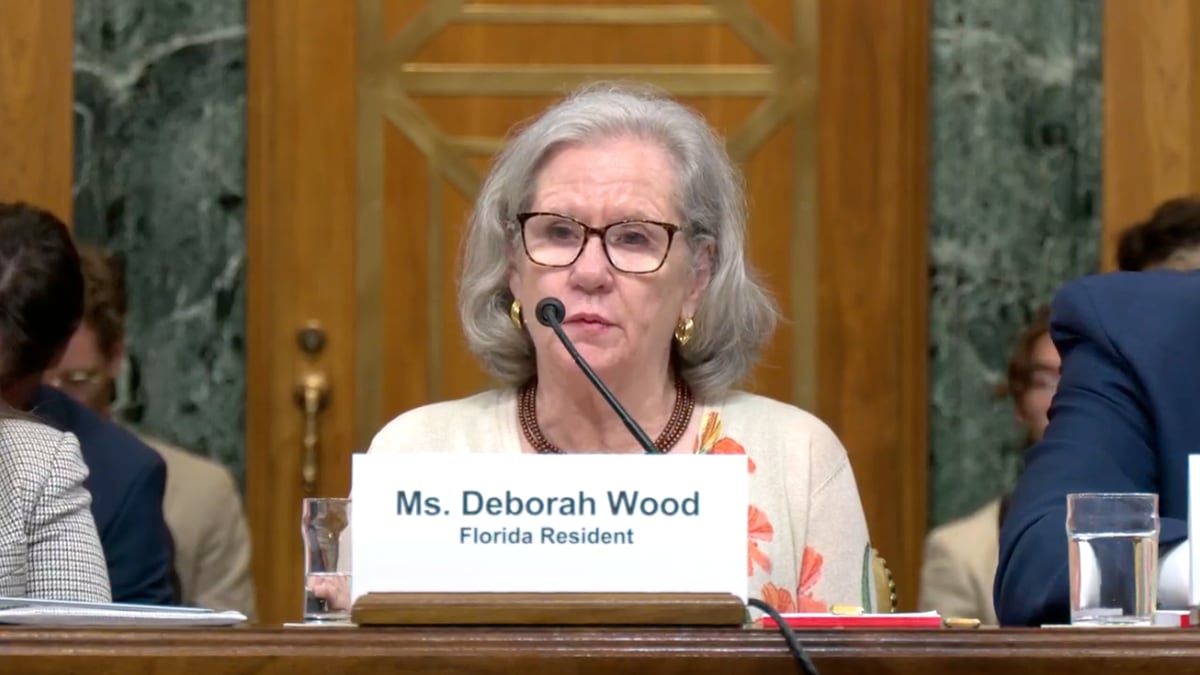
The U.S. Senate Budget Committee debated the causes of the national insurance crisis, with Democrats blaming climate change and Republicans citing high government spending and inflation. Florida, facing increased hurricane threats, sees national insurers dropping plans or raising prices, leaving many residents uninsured or turning to state-backed Citizens Property Insurance. The My Safe Florida Home program will offer grants to help homeowners fortify their homes against storms, potentially lowering insurance premiums.
Florida's insurance crisis, marked by skyrocketing premiums and insurer instability, was highlighted in a Senate Budget Committee hearing. Experts and homeowners testified about the impact of climate change and other factors on the state's insurance market, warning that similar issues could spread nationwide. Disputes arose over the causes, with some attributing the crisis to climate change and others to inflation and litigation. The hearing underscored the need for better data and future planning to address the growing insurance challenges.
Millions of Americans with adjustable-rate mortgages could see their monthly payments nearly double as their loan terms end, with rates potentially rising from 3.5% to around 6.5%. With 30-year fixed-rate mortgages above 7%, United Wholesale Mortgage has introduced a zero-percent down mortgage program to help buyers, requiring repayment of a second mortgage when the first is refinanced or paid off.
Low- and middle-income homeowners in New York can receive up to $14,000 in rebates for climate-friendly upgrades like insulation and heat pumps, thanks to funding from President Biden’s Inflation Reduction Act. The initiative aims to support disadvantaged communities and help the state meet its climate goals by reducing fossil fuel usage. The program, part of the Justice40 initiative, will be rolled out in two phases, with the first phase targeting households earning 80% or less of the area's median income.