Coral reefs, vital to marine biodiversity, are nearing a potential catastrophic collapse due to increasing ocean heatwaves, especially around 2026, driven by climate change and El Niño cycles. While some reefs show resilience, many are at risk of irreversible damage, emphasizing the need for urgent global action to reduce emissions and local stressors to preserve these ecosystems.
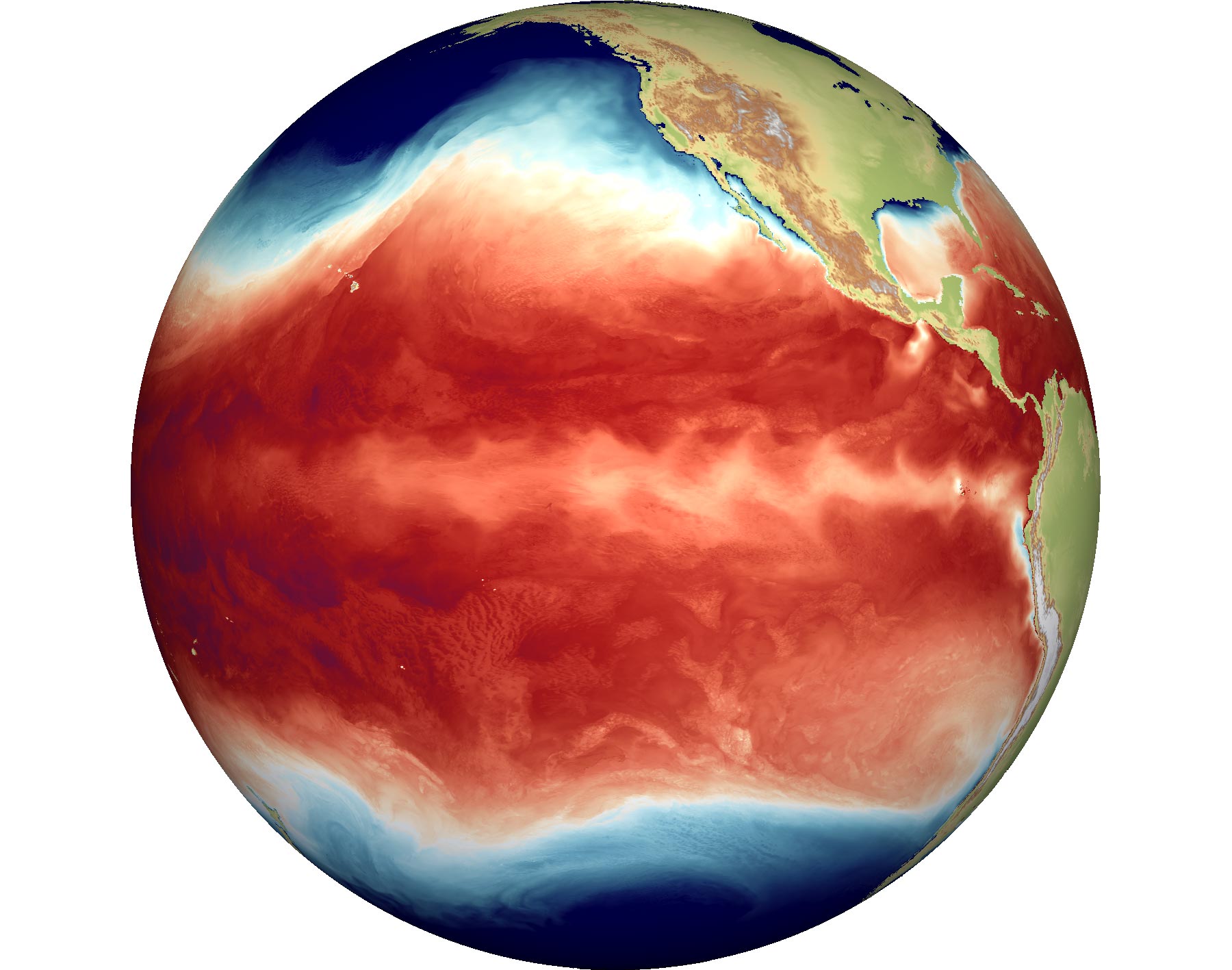
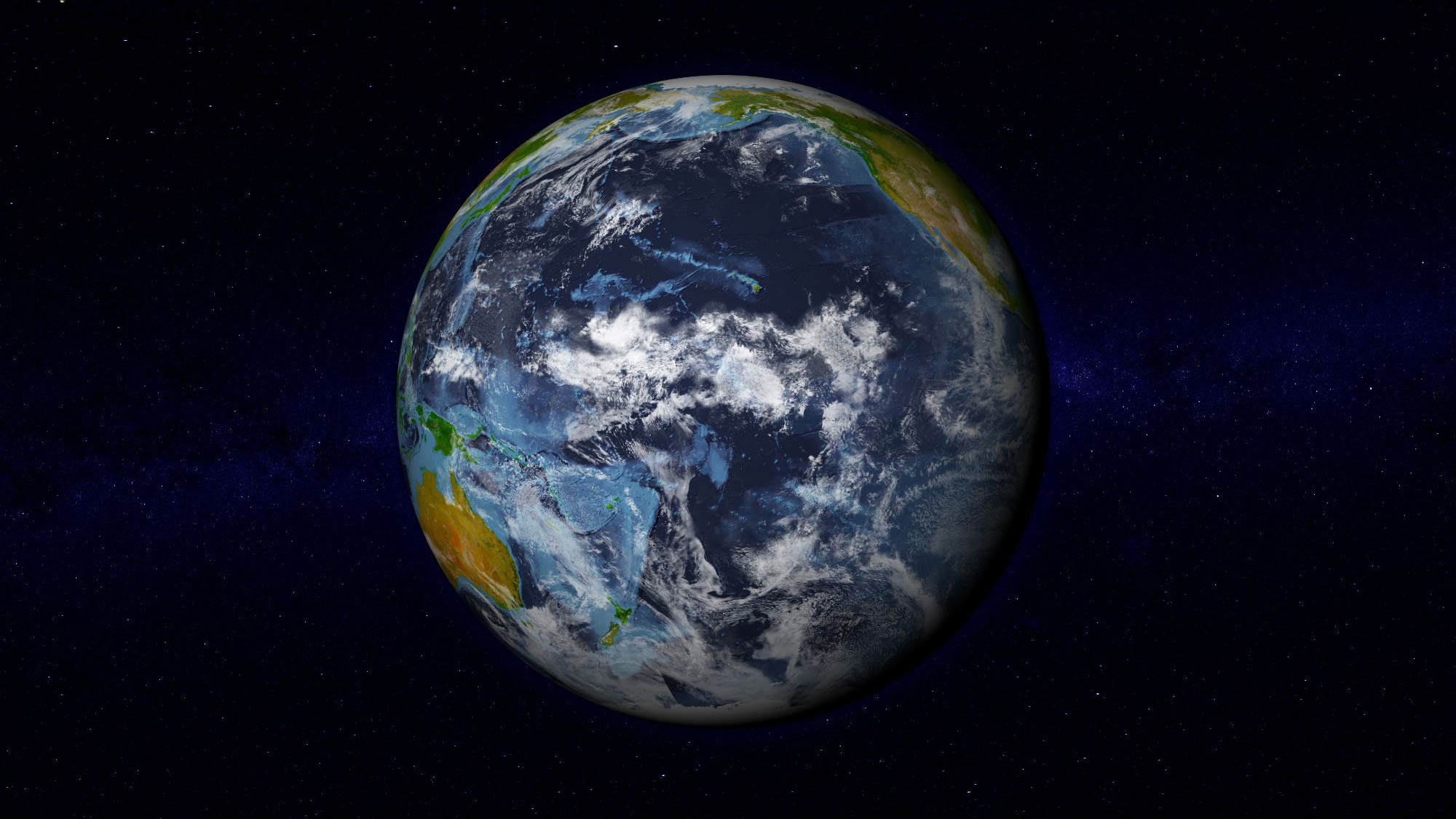
A new study predicts that global warming will significantly strengthen and synchronize El Niño–Southern Oscillation (ENSO) cycles within decades, leading to more intense and regular climate patterns worldwide, which could increase extreme weather events and rainfall variability, emphasizing the need for global preparedness.
A study published in the Journal of Geophysical Research: Oceans reveals a 30-year acceleration of equatorial Pacific currents due to stronger winds, potentially impacting global climate and El Niño patterns. The research, led by Franz Philip Tuchen and supported by NOAA, highlights significant changes in upper-ocean circulation, which may alter the frequency and intensity of El Niño and La Niña events. These findings could improve climate model accuracy and ENSO predictions, offering insights into regional and global climate variability.
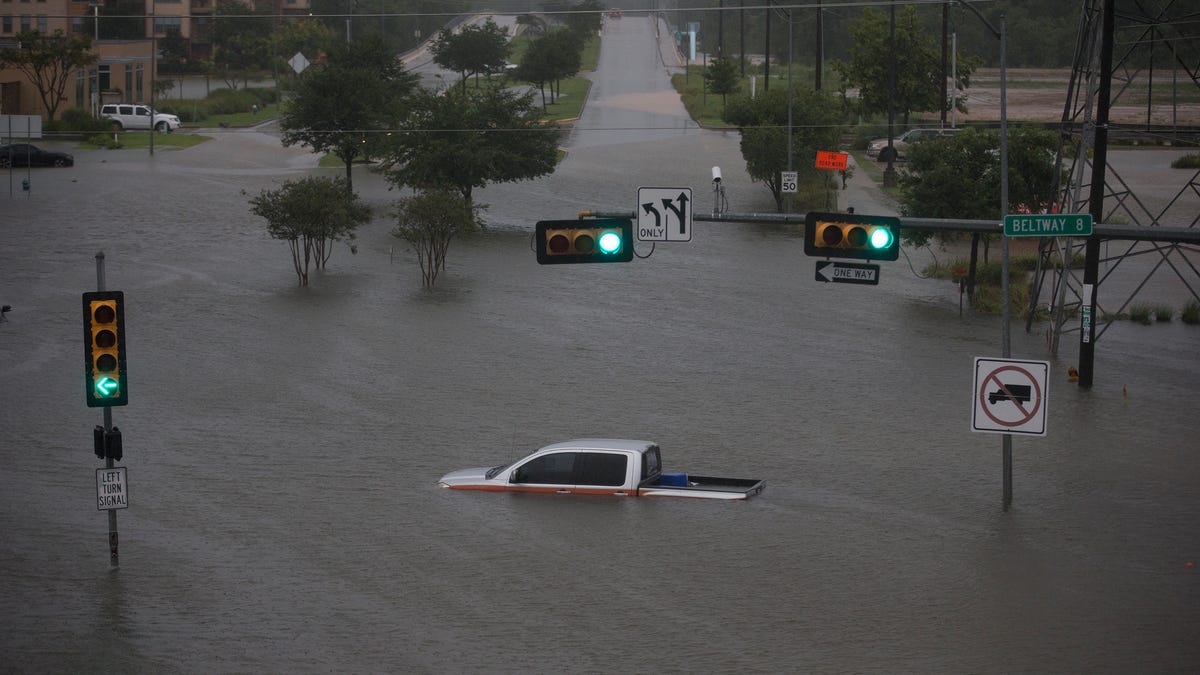
The summer of 2024 is expected to bring extreme weather conditions, including record-breaking heat, deadly wildfires, and a potentially prolific Atlantic hurricane season, driven by the alternating climate patterns of El Niño and La Niña. Scientists warn that climate change is exacerbating these natural phenomena, making them more destructive and unpredictable. Residents in vulnerable areas are advised to prepare for these extreme events in advance.
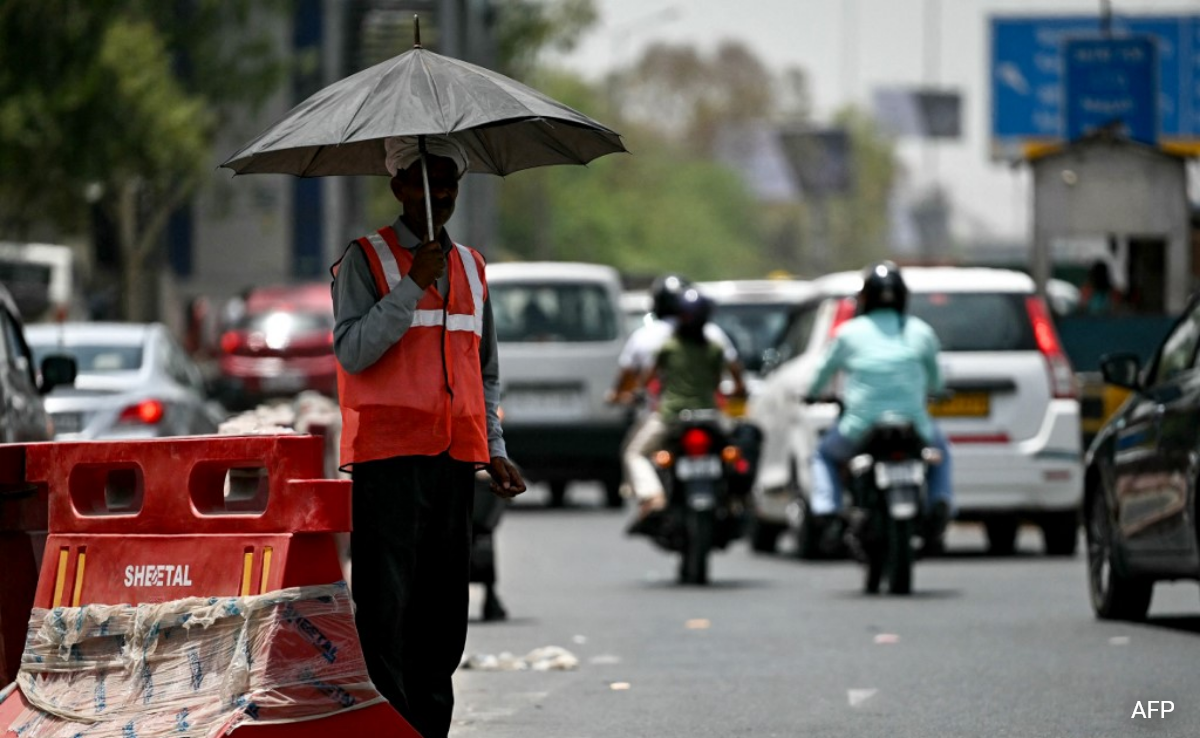
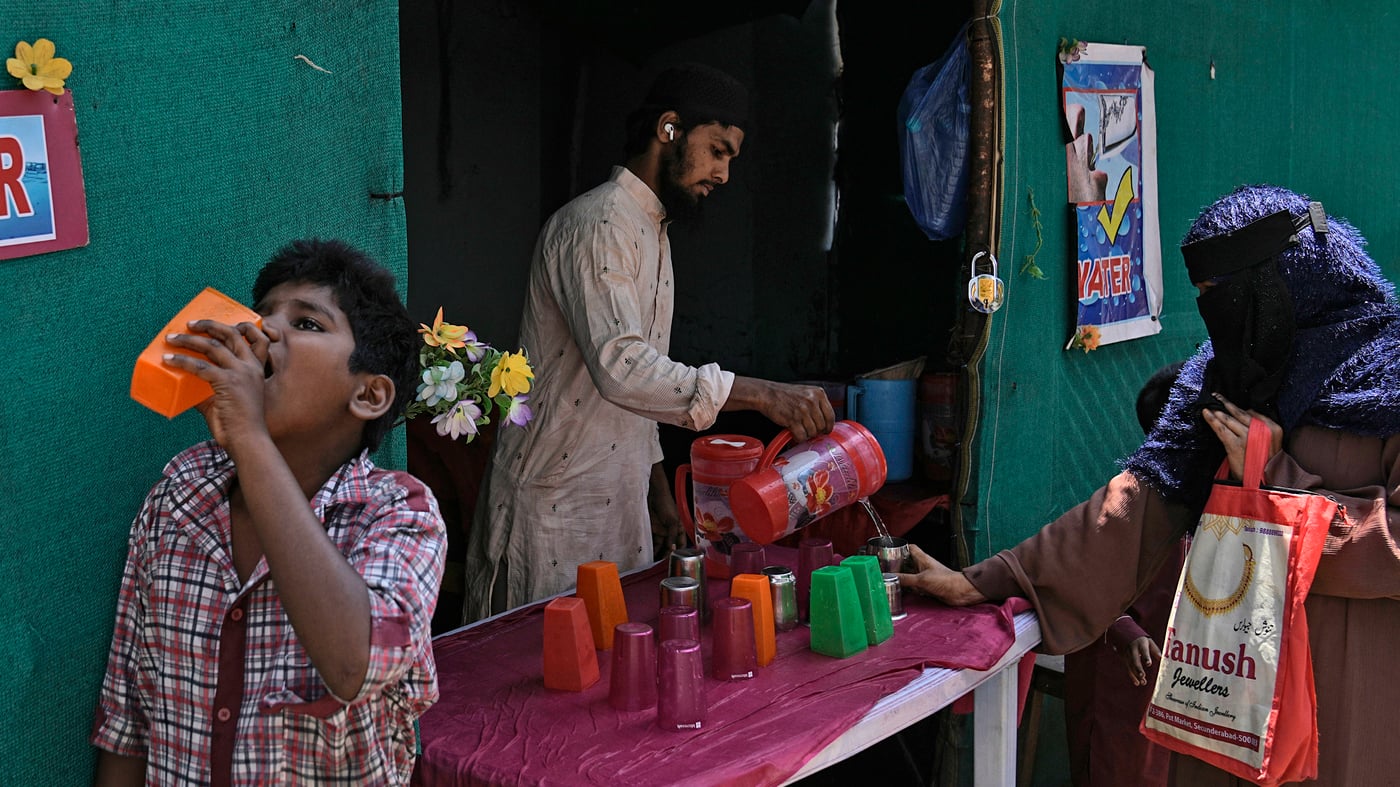
Indian cities are experiencing unprecedented high temperatures due to the urban heat island effect and the El Nino phenomenon, which has led to severe heatwaves in North and Central India. The urban heat island effect causes urban areas to be warmer than their rural surroundings due to human activities and infrastructure. The El Nino effect, characterized by unusually warm ocean temperatures, has exacerbated the heat. This extreme heat is causing both dry and moist heat stress, leading to significant health concerns. A study by IMD indicates a 30% rise in heat stress cases in India over the past 40 years.
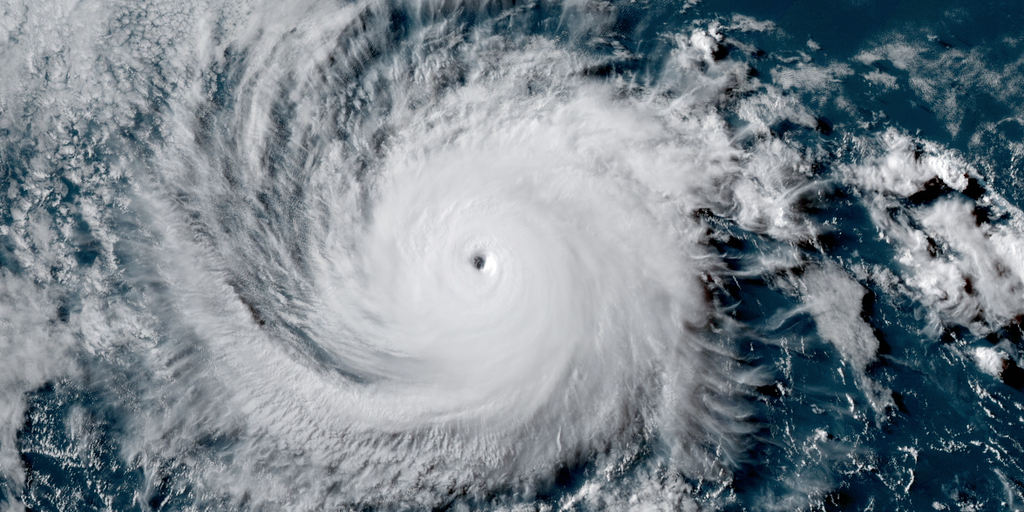
NOAA has issued its most aggressive hurricane season forecast on record, predicting 17-25 named storms, with 8-13 becoming hurricanes and 4-7 potentially major. This hyperactive season is attributed to warm Atlantic waters and a diminishing El Niño. The forecast aligns with other agencies, suggesting a high likelihood of an above-average season, with significant impacts possible for the U.S. and Caribbean.
Mexico is bracing for unprecedented temperatures over the next two weeks, with 70% of the country in drought and a third in severe drought. The extreme heat, partly driven by the El Nino phenomenon, has already caused power outages, deaths, and significant impacts on wildlife. The capital, Mexico City, could see record temperatures of 35 degrees Celsius, affecting its 21 million residents, most of whom lack air conditioning. At least 26 people have died from heat-related causes since mid-March.
Extreme weather, exacerbated by the El Niño cycle and climate change, is causing severe impacts on wildlife, including the deaths of at least 138 howler monkeys in Mexico due to dehydration. Conservationists, like those at the World Wildlife Fund, are implementing various initiatives to mitigate these effects, such as improving nest designs and providing artificial shade, but the long-term impacts of climate change remain a significant threat to animal populations.
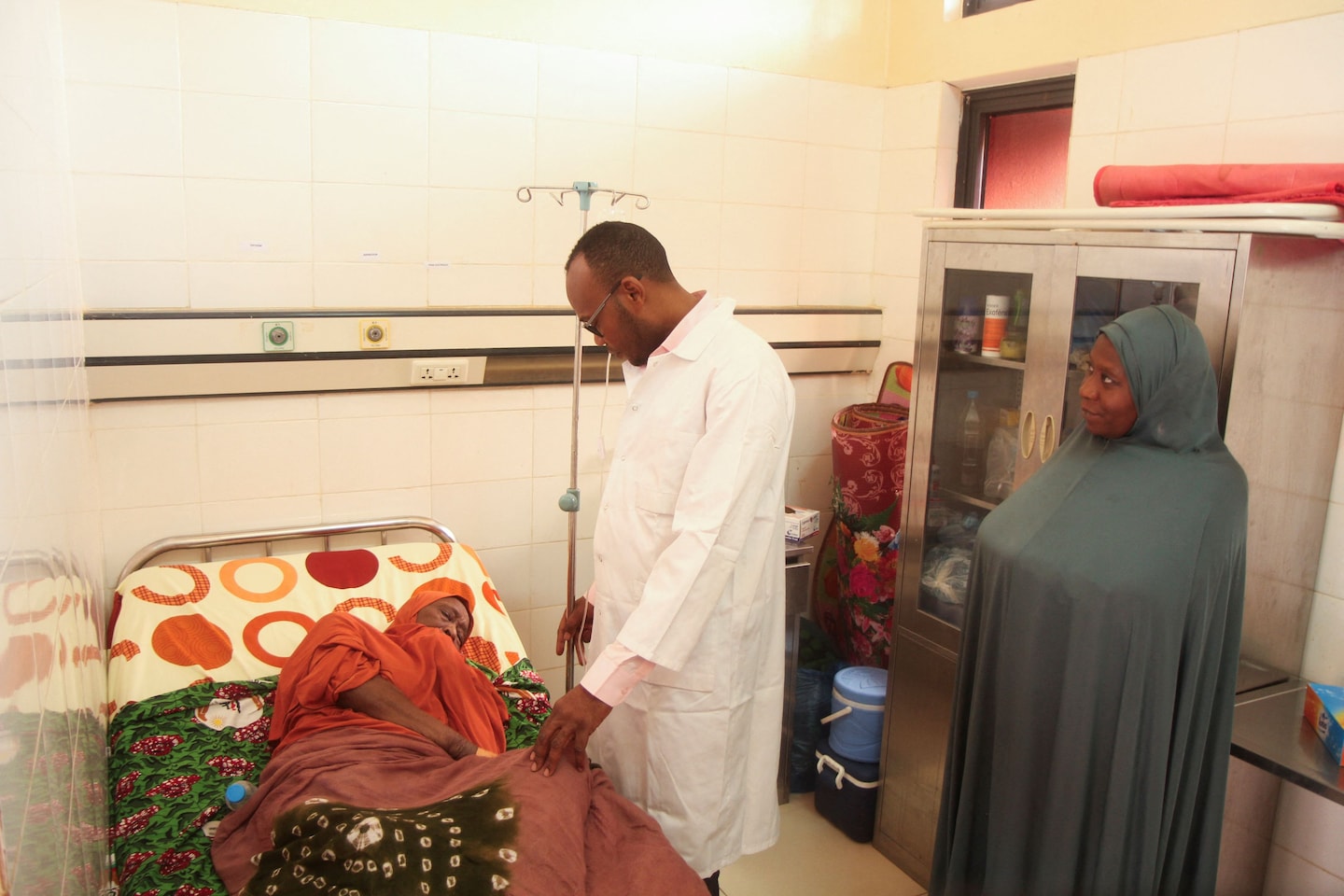
A historic heat wave in West Africa, attributed to human-caused climate change, has raised concerns about a sudden surge in global temperatures. The planet has breached a feared warming threshold of 1.5 degrees Celsius above preindustrial levels, with nearly 19,000 weather stations recording record high temperatures since January 1. Scientists are puzzled by the unprecedented scale and intensity of this hot streak, and are uncertain whether Earth's climate has undergone a fundamental shift. Even if global temperatures return to a more predictable trajectory, the effects of warming on people and ecosystems have already entered uncharted territory, with previously unthinkable events becoming commonplace as the world continues to warm.
March 2024 was the warmest on record globally, with land areas experiencing the fourth-warmest March and oceans the warmest for the 12th consecutive month. The El Niño event weakened, with a 60% chance of La Niña emerging in summer. Arctic sea ice extent was the 15th-lowest, while Antarctic sea ice reached its seasonal minimum, the second-lowest on record. Notable global heat records were set in March, with 19 all-time heat records and no all-time cold records.
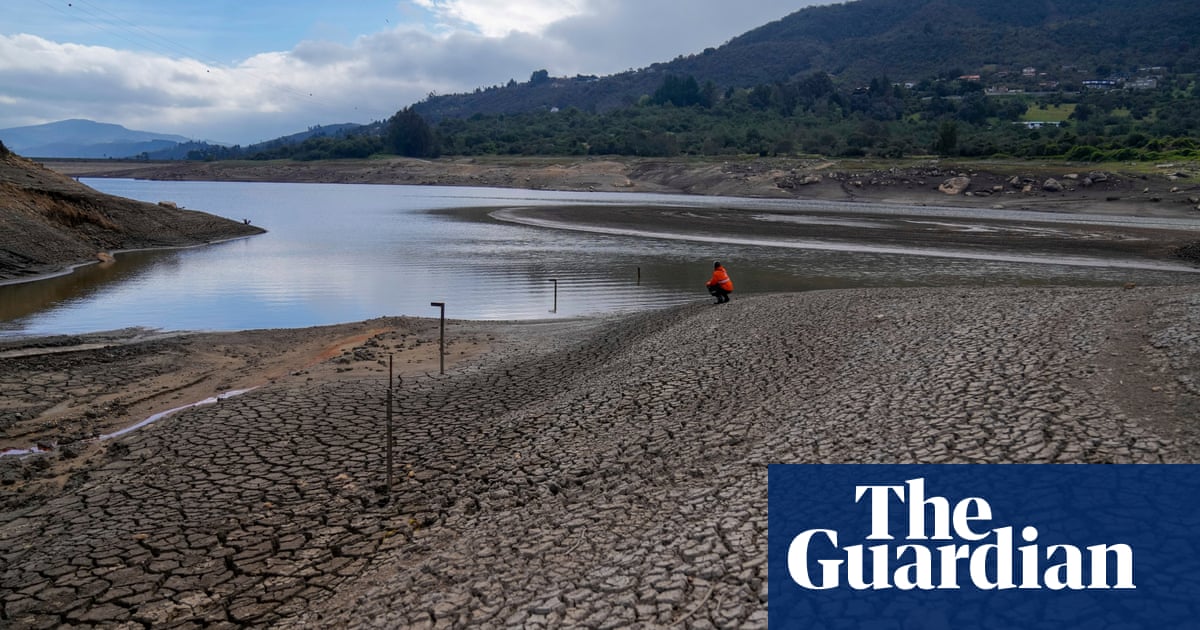
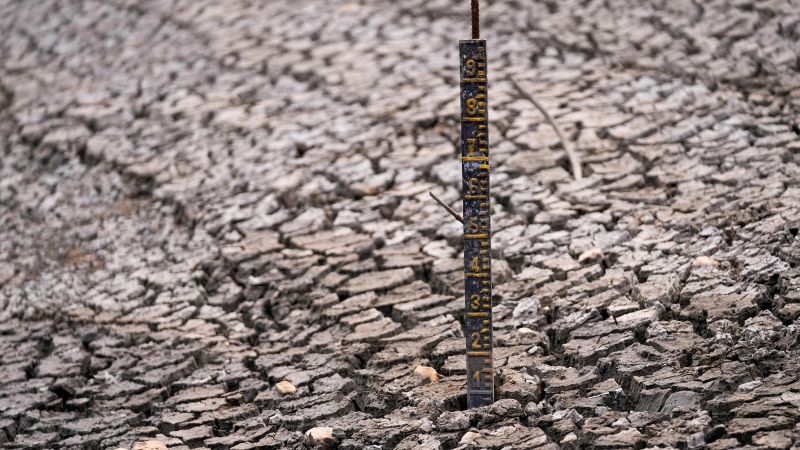
Bogotá, Colombia is facing a severe water crisis due to drought caused by El Niño, with reservoirs at historic lows and water supplies rationed. The mayor has asked residents to shower together and even consider abandoning daily hygiene practices to conserve water. The city has implemented rotating water cuts in different zones, and there are concerns about the dwindling water supply for the 10 million people in the capital. Other Latin American cities, such as Mexico City and Guatemala, are also grappling with water shortages and wildfires.
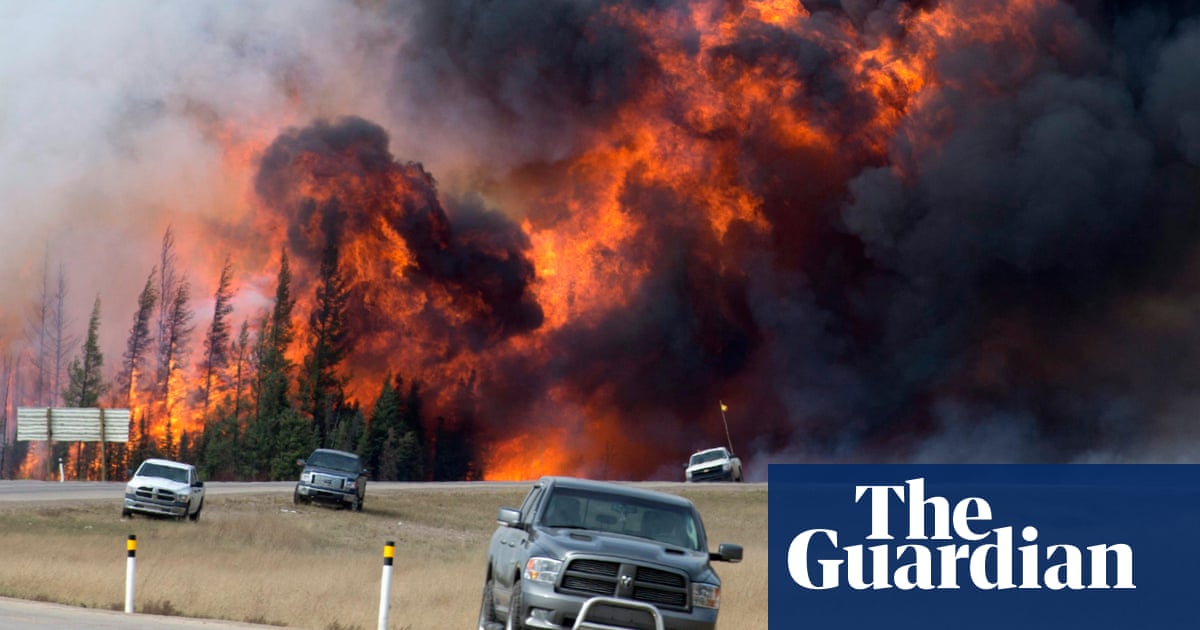
Canada is at risk of another severe wildfire season due to forecasted higher temperatures and El Niño conditions, following last year's record-breaking fire season. The government attributes the increased frequency and intensity of wildfires to climate change and is allocating funds for new equipment and additional firefighters. Severe weather, including wildfires, caused over C$3.1bn in insured damages in 2023, and the province of British Columbia is facing low snowpack levels, raising concerns about drought and wildfire potential.
Bogotá, Colombia's capital, will implement water rationing measures due to historically low reservoir levels exacerbated by the El Niño climate pattern, affecting around 9 million people. The country has been experiencing long periods without rain since June 2023, prompting the government to issue a natural disaster decree to combat the devastating effects of El Niño, including wildfires and water stress. This move comes as Colombia joins Mexico in facing severe water crises due to abnormally low rainfall, longer dry periods, and high temperatures.
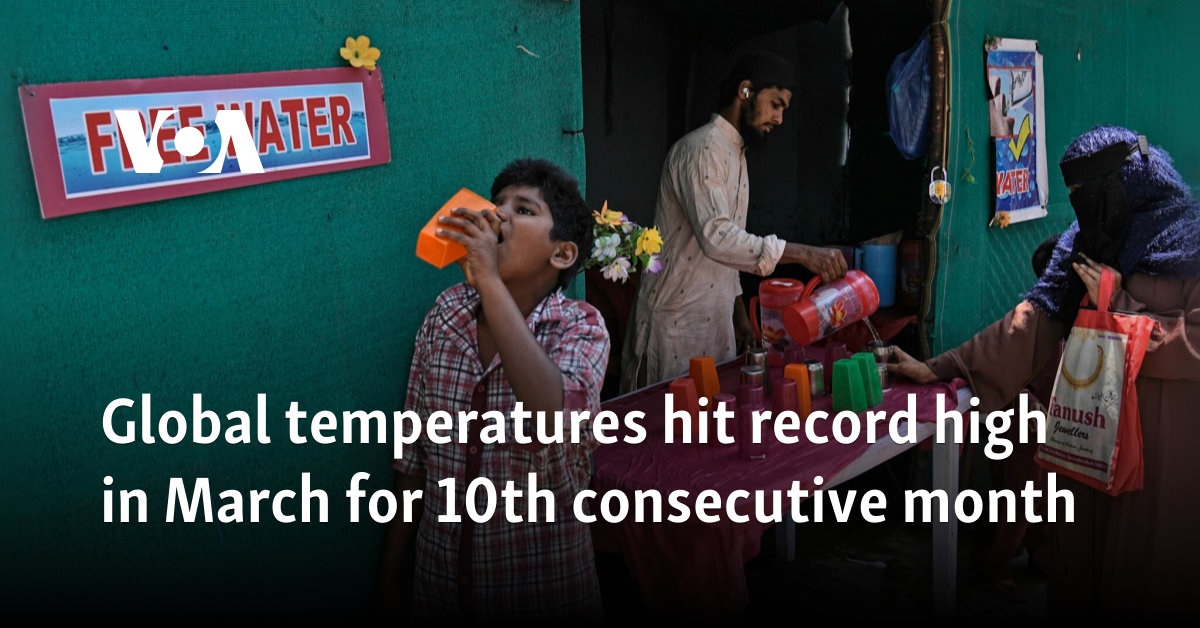
March 2024 marked the 10th consecutive month of record-breaking global heat, with temperatures reaching 14.14 degrees Celsius, fueled by marine heat waves and human-caused climate change. Scientists attribute the trend to carbon dioxide and methane emissions from fossil fuel burning and deforestation. With the Paris Agreement aiming to limit warming to 1.5 degrees Celsius, urgent global action is needed to achieve net zero emissions and mitigate the impact of rising temperatures.
The Copernicus Climate Change Service reported that global temperatures in March hit a new high for the 10th consecutive month, averaging just over 14 degrees Celsius, 1.64 degrees Celsius warmer than the pre-industrial era. The 12-month period ending in March was the hottest ever recorded, with sea surface temperatures reaching the highest monthly value on record at 21.07 degrees Celsius. Despite the easing of the El Nino climate pattern, marine air temperatures remained unusually high, indicating ongoing environmental impact.