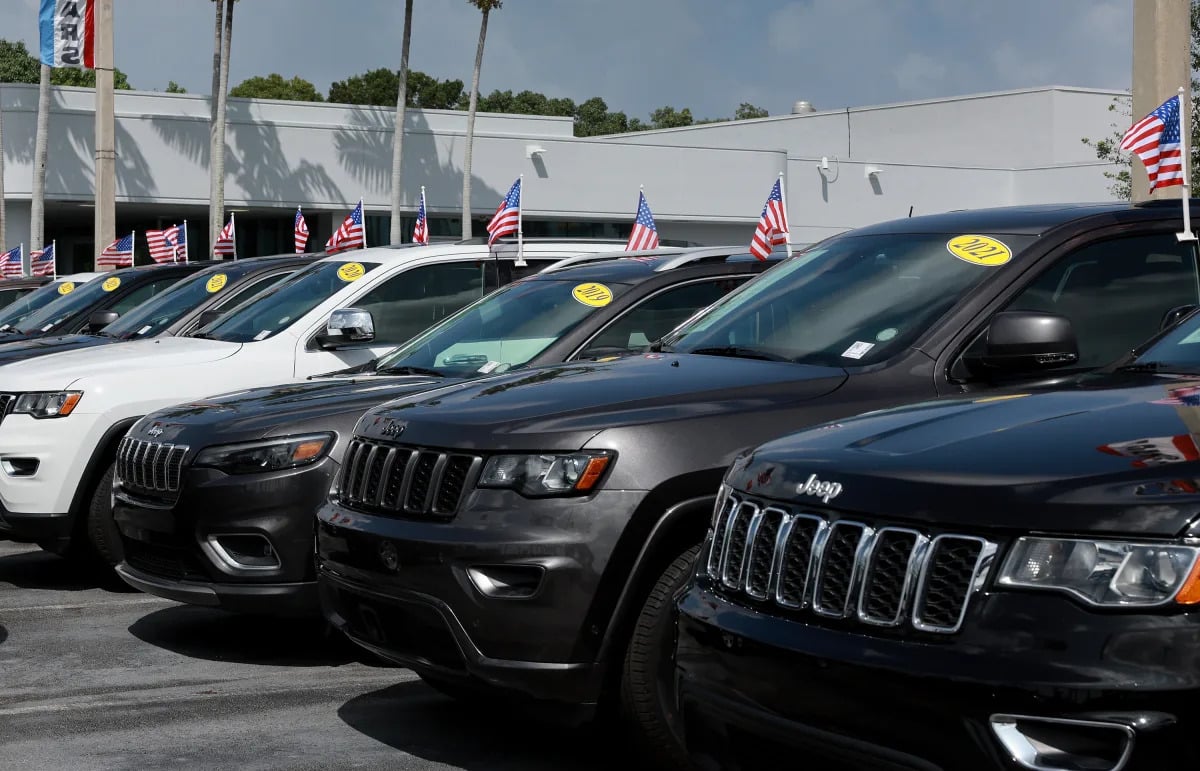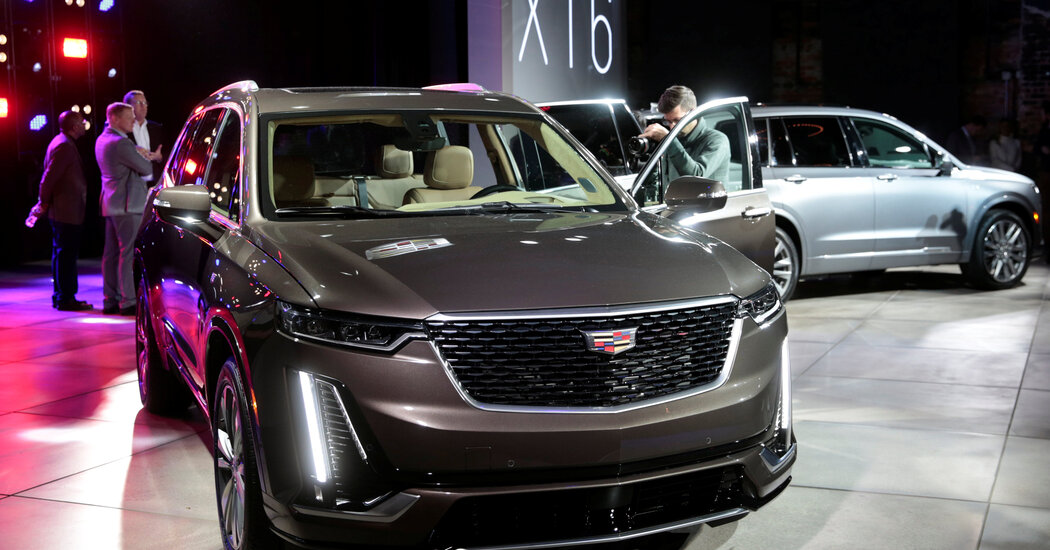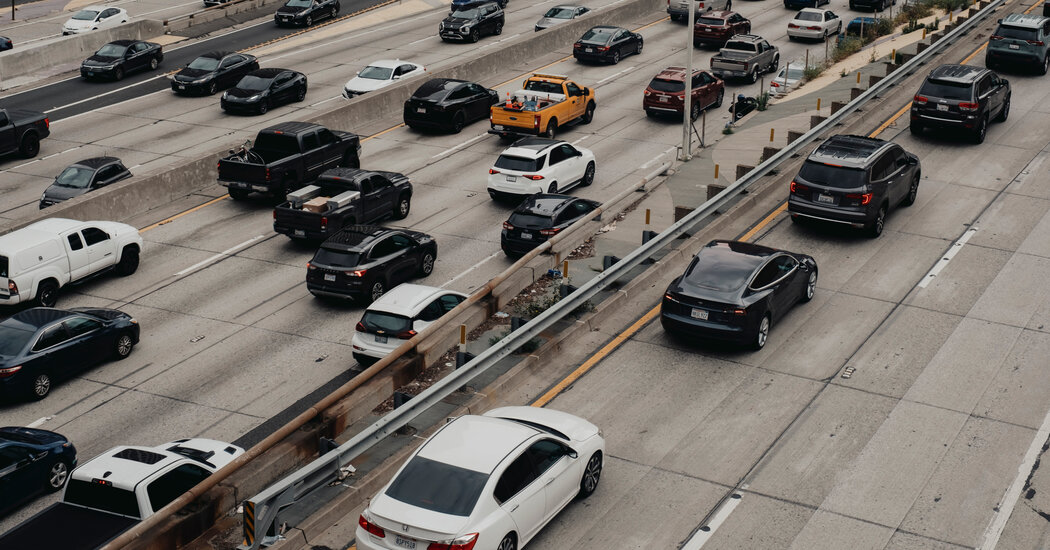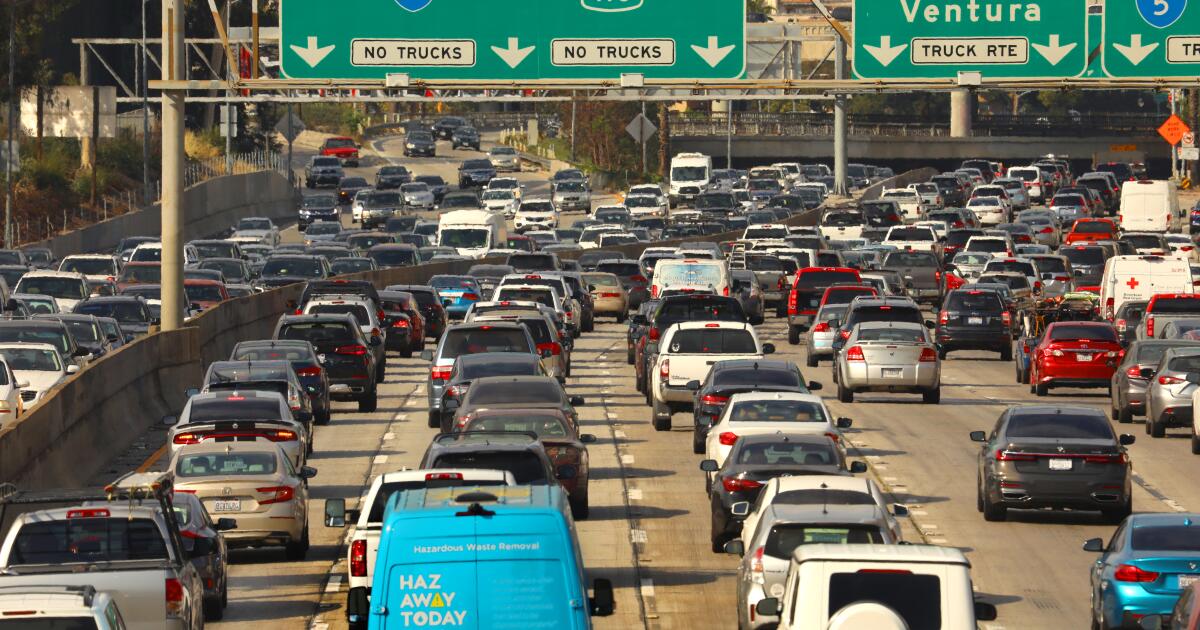
New car inventories have reached a four-year high, but prices remain steady at around $49,000 due to high production costs and advanced features. While used car prices are dropping, financing and high interest rates continue to challenge buyers. Lower-priced vehicles under $30,000 are still in high demand and hard to find. Buyers should also consider rising auto insurance costs when purchasing a vehicle.
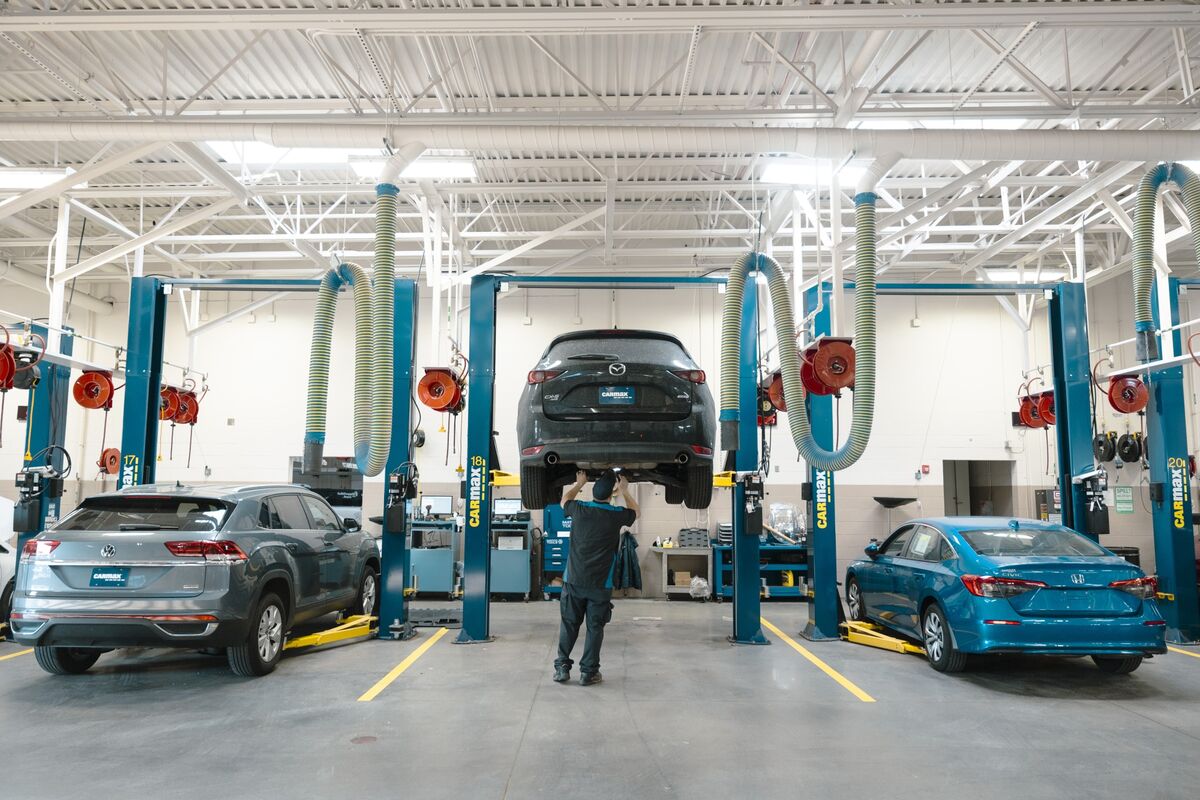
The cost of auto insurance in the US has risen over 22% in the past year, with a 43.7% increase since January 2020, largely due to the high-tech gadgetry and safety equipment now common in cars, driving up repair costs even for minor accidents and contributing to high inflation.
Surging auto insurance premiums, driven by factors such as increased car prices, supply chain disruptions, high demand, and a shortage of mechanics, are contributing to high inflation and financial strain on U.S. households. The cost of auto insurance rose 2.6% in March, bringing the total annual gain to 22.2% – the fastest yearly rate on record. Car insurance companies are also trying to make up for steep losses incurred in 2021, which saw a sharp rise in fatal car accidents. The burden of inflation is disproportionately impacting low-income Americans, who are forced to pay more for everyday necessities.
Skyrocketing auto insurance costs have contributed to higher inflation, with prices rising by 2.7% monthly and 22.2% annually. Factors such as expensive new vehicles, supply chain shortages, and advanced vehicle technologies have led to increased repair and replacement costs, impacting insurance premiums. Insurers are facing significant losses, prompting rate hikes and declining customer satisfaction. Usage-based insurance programs are gaining popularity as insurers offer discounts for safer driving, but overall customer satisfaction with auto insurers has reached a more than 20-year low.
Consumer prices rose 3.5% in March, with auto insurance costs contributing significantly to the increase, soaring 22% from March 2023 and averaging $2,314 per year for full coverage. Factors such as rising vehicle costs, advanced technology, labor shortages, and increased repair demand have led to higher insurance rates. Insurance companies, facing costly claims and losses, have sought and won significant rate increases, with no immediate relief in sight for drivers as the industry aims for stabilization possibly by next year.
Auto insurance costs in the US have surged at the fastest rate in 47 years, with a 20.6% increase from the prior year in February 2023. The rise is attributed to a combination of factors including more severe accidents, higher repair costs due to advanced vehicle technology, and a shortage of skilled technicians. Insurance companies like GEICO and Travelers have responded with premium hikes and aggressive policy writing to offset underwriting losses. Additionally, weather catastrophes in states like Florida and Louisiana have also contributed to the surge in insurance costs.
Romeo Chicco, a Florida man, has filed a federal complaint against General Motors and LexisNexis Risk Solutions, alleging that his auto insurance rate doubled due to data collected from his 2021 Cadillac XT6 without his consent. The data, including details of 258 trips, was shared with insurers, leading to increased insurance rates. The lawsuit highlights the growing concern over data privacy as automakers share driving behavior information with the insurance industry, potentially impacting consumers' insurance costs.
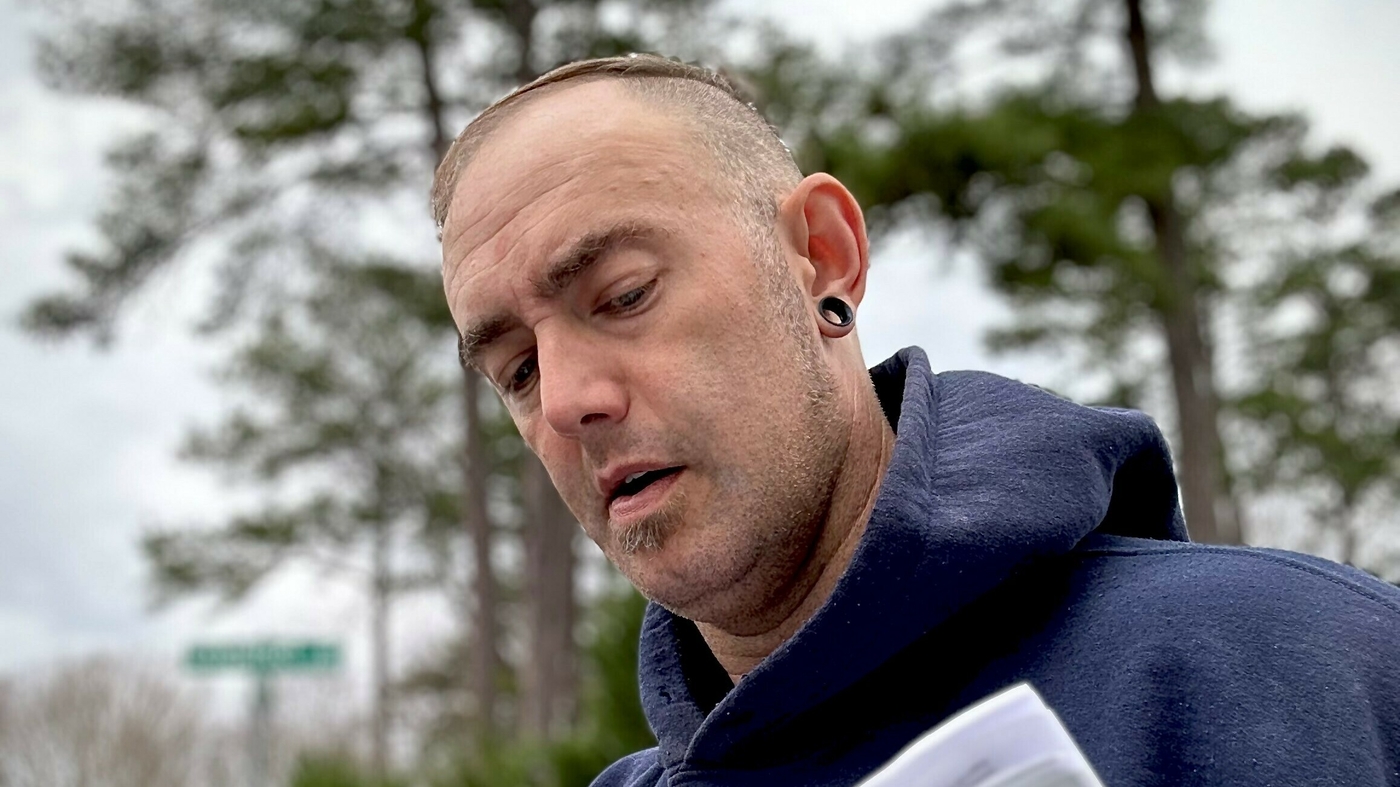
Auto insurance rates are soaring in Nevada, with an average annual cost of nearly $3,000, and hundreds of thousands of drivers are facing an almost 20% increase in their rates. Customers, like Robert Diaz, are frustrated by the lack of notice and substantial rate hikes, with some attributing the surge to the rising cost of new and used vehicles and the complexity of vehicle repairs. The Nevada Division of Insurance, which must approve all rate increases, is seeing unprecedented price hikes, with large carriers submitting increases annually due to the losses they are experiencing.
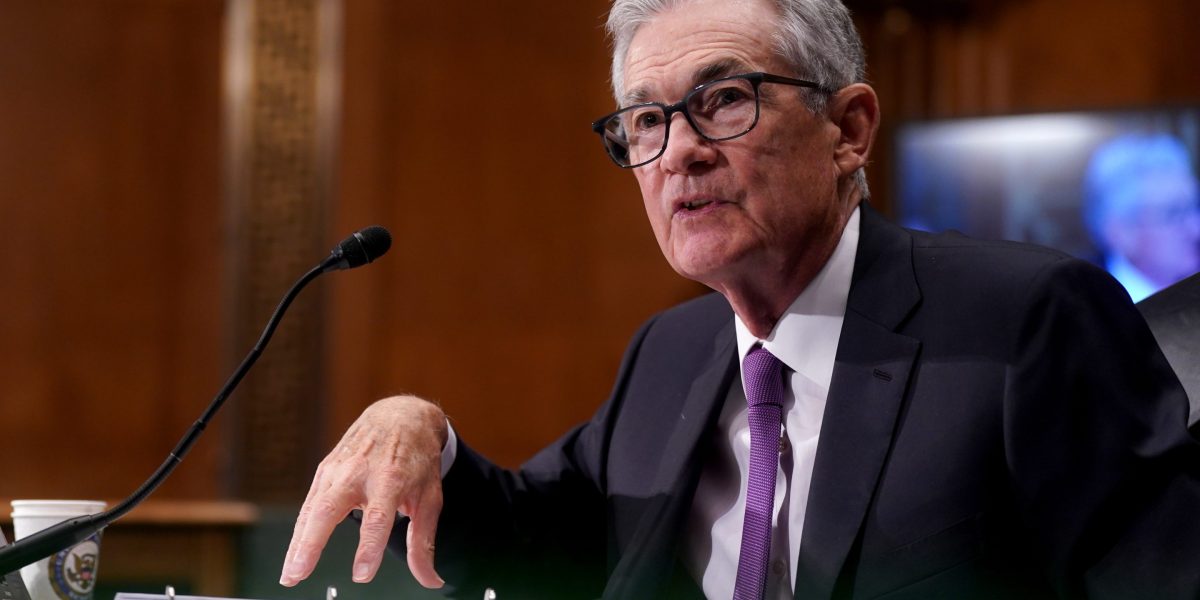
Federal Reserve Chair Jerome Powell revealed that soaring insurance costs, driven by factors such as climate change and rising car part prices, have been a significant source of inflation over the past few years, hindering the Fed's efforts to reach its 2% target. Auto insurance rates have surged to nearly 50-year highs, while homeowners' insurance has also seen significant increases. The heightened risk of extreme weather events has led insurers to raise prices, with some companies even withdrawing coverage in high-risk areas. Consumers are advised to shop around for better deals, but the overall trend points to a challenging situation for drivers facing unexpectedly high insurance costs.
North Carolina's Insurance Commissioner denied a proposal to raise homeowners insurance rates by an average of 42.2%, while other states like California are seeing record high rate increases. Homeowners insurance rates have risen about 35% nationwide over the last two years, with states facing increased natural disasters experiencing the highest hikes. Auto insurance costs have also increased by 43% in the last three years, leading some drivers to cut back on coverage. It's important for consumers to compare rates and coverage options to find the best insurance plan for their needs.
Home and auto insurance premiums are surging across the country, with homeowners seeing an average increase of more than 11% and auto insurance climbing even faster. Insurance companies attribute the surge to the need to catch up after two years of big losses, rising labor and material prices, and a mounting toll of natural disasters. While state regulators have some power to limit price hikes, insurance companies tend to have the upper hand, leading to concerns about escalating rates of uninsured drivers and homeowners.
The cost of auto insurance in the US has surged, with premiums rising 20.6% over the past year, the largest jump since 1976, due to the increased prices of vehicles and repairs. This spike in insurance costs is contributing to the challenge of combating inflation, despite an overall tapering of consumer prices. The average annual premium for full-coverage car insurance in 2024 is estimated to be $2,543, compared to $2,014 in 2023 and $1,771 in 2022, impacting both private and commercial vehicle owners.
Allstate has resumed selling auto insurance policies in California after a pause, but with a 30% price increase on average, approved by the California Department of Insurance. This follows a challenging period for auto insurers in the state, with companies facing losses in 2022 due to increased payouts for accidents and disasters. Other major insurers like State Farm and Geico are also raising rates to compensate for previous losses. Allstate's rate increases in California, New York, and New Jersey are expected to bring in an extra $1 billion in premiums, despite the company reporting a $188 million loss last fiscal year.
Allstate has increased auto insurance premiums by 30% for California drivers, with the rate hike going into effect on Feb. 7 for new and renewed policies. The company cited the need to adjust rates due to increased payments for customer recovery from accidents and disasters. Allstate is now writing business in California across all channels and represents 11% of the market. Other insurers, including State Farm and Geico, have also implemented rate hikes for California customers, contributing to an 18% average annual car insurance premium increase in the state.
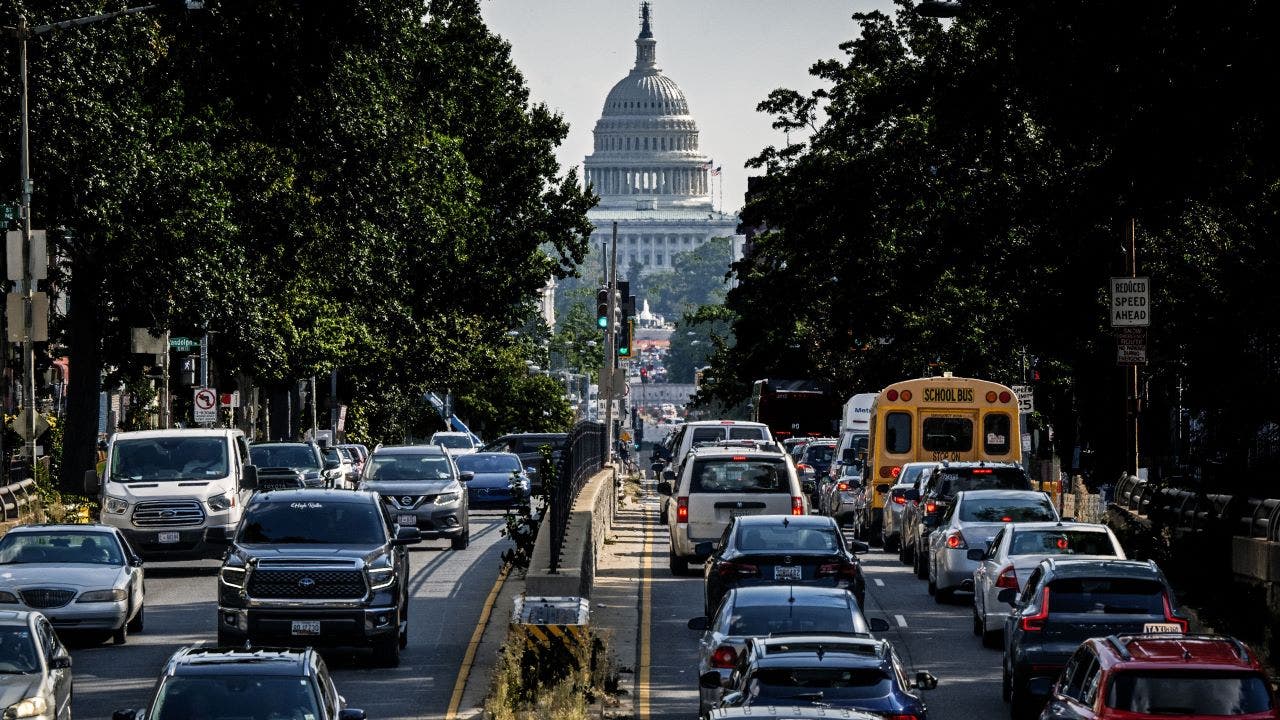
Auto insurance premiums in Washington, D.C., have surged due to a significant increase in carjacking and auto theft, with residents paying 37% more than the national average. The surge in carjackings and thefts has led to a 97.9% increase in carjackings and an 82% increase in motor vehicle theft in 2023. The rise in premiums is attributed to insurers addressing potential losses in high-risk areas, and some insurers may offer discounts for vehicles with anti-theft systems to help offset the increases.