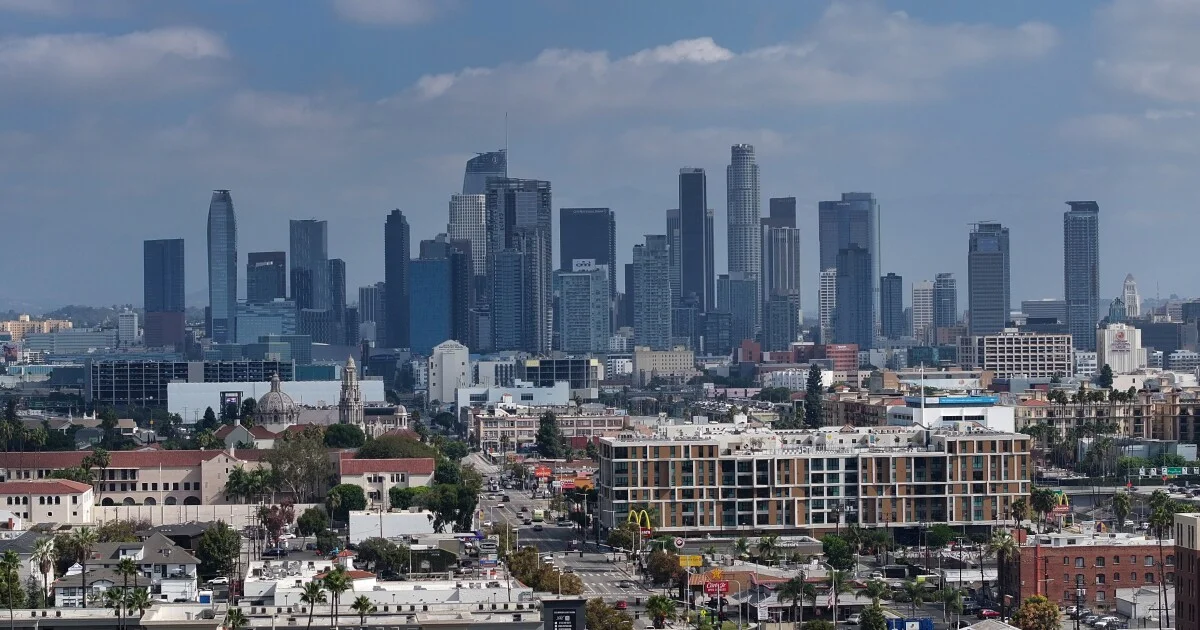
California is considering a 5% one-time wealth tax on residents worth over $1 billion, which could impact over 214 billionaires, including notable figures like Palmer Luckey, Mark Zuckerberg, and Jensen Huang. The tax aims to generate revenue but faces criticism for potentially prompting wealthy residents to leave the state, affecting California's economy.
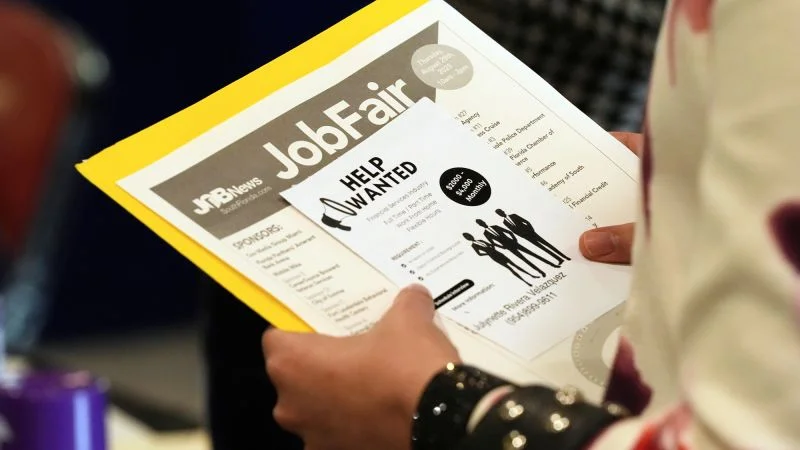
The article discusses how President Trump's tariffs in 2025 have led to slower job growth and increased unemployment, despite only modest increases in consumer prices, due to business uncertainty and hesitancy to invest or hire, with potential changes depending on upcoming legal rulings.
China has imposed restrictions on exports to Japan, including potential controls on rare earths, escalating tensions amid Japan's military and economic activities, with broader implications for regional stability and global supply chains.
The US launched a military operation to remove Venezuelan President Maduro, leading to uncertain political and economic consequences, especially for Venezuela's oil industry, which has suffered under Maduro's regime. The situation raises questions about future US-Venezuela relations, sanctions, and the global oil market, with potential implications for oil production, foreign investment, and US energy policy.
A study links federal immigration raids in California to a significant decline in private sector employment, especially among noncitizens and women, with broader implications for the U.S. economy as immigrant populations shrink and sectors reliant on immigrant labor face challenges.
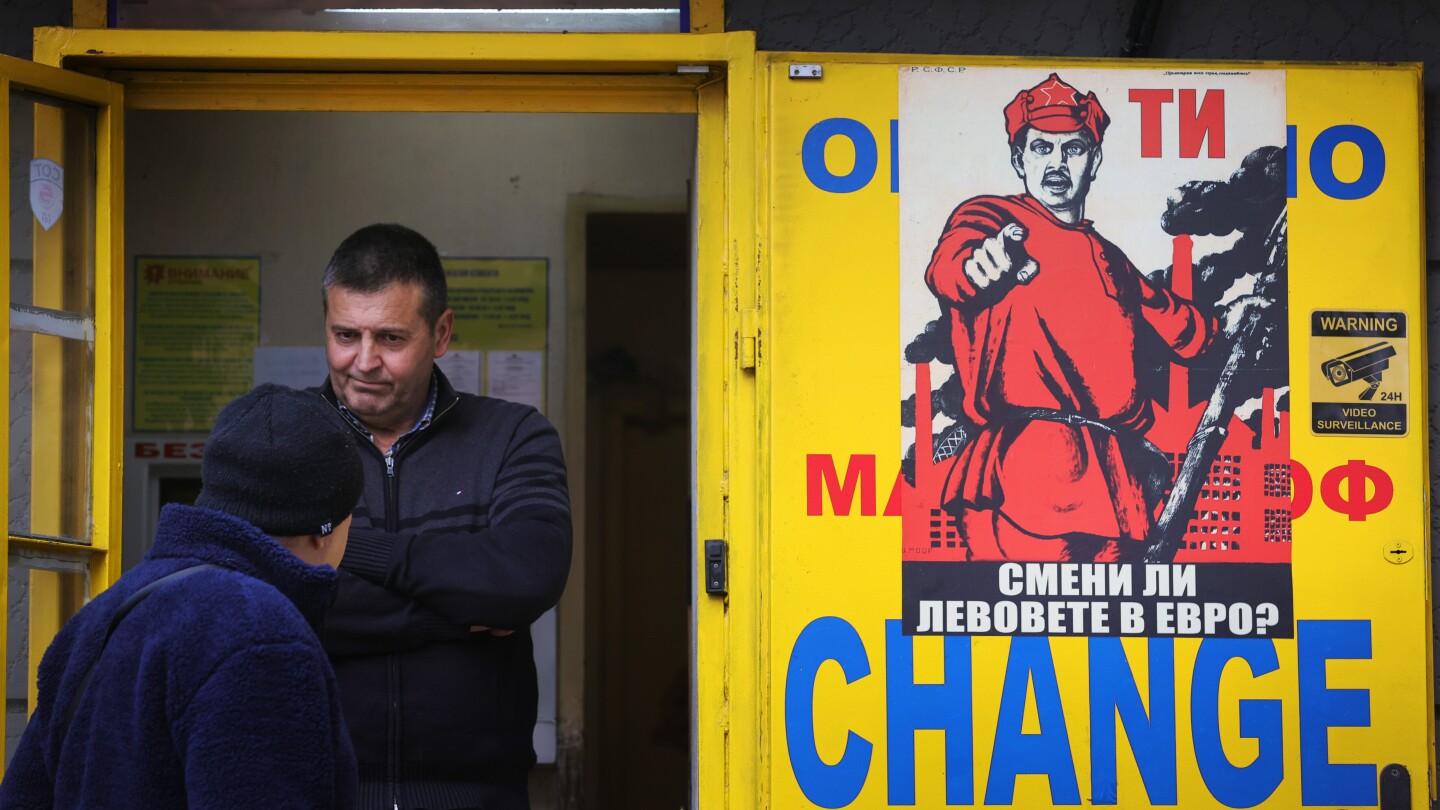
Bulgaria will adopt the euro on New Year's Day, replacing the lev, which is expected to boost cross-border trade, travel, and investment, while also giving Bulgaria a seat on the European Central Bank's governing council. The changeover involves currency conversion, with old notes exchanged for free until June 30, and aims to deepen economic ties with Western Europe, despite some public skepticism.
Bulgaria has officially joined the eurozone, marking a significant step in its integration into the European mainstream, despite mixed public opinions and political turmoil. The transition from the Bulgarian lev to the euro aims to boost trade and economic stability, with some fearing loss of sovereignty and economic stagnation, similar to Italy's experience, while others see it as an opportunity for growth.
Bulgaria officially joined the euro currency union on New Year's Day, marking a significant step in its EU integration amid political turmoil and public skepticism, with debates over economic benefits and national identity.
The article argues that Brexit has exacerbated the UK's economic flaws and that the COVID-19 pandemic has complicated efforts to assess its true impact, with political figures using the pandemic to justify Brexit-related claims.
Despite fears that Trump's tariffs would severely harm the US economy, their impact in 2025 has been limited due to delayed implementation, partial exemptions, pre-loading of imports by companies, and absorption of costs by importers, with significant effects expected to materialize in 2026.
US Senator Bernie Sanders criticizes AI as a highly consequential technology that could threaten jobs and mental health, calling for a slowdown in AI development and regulation, while highlighting concerns about the motives of tech billionaires and the impact on society, especially minors.
In 2026, workers in 19 states will see minimum wage increases on New Year's Day, benefiting over 8.3 million workers and marking a shift where more workers earn $15 or more per hour than the federal minimum of $7.25, despite ongoing debates about the costs and job growth impacts of higher wages.
The article discusses a growing trend of Americans, especially skilled and wealthy individuals, leaving the US due to political and social instability, with many seeking new lives abroad, which could lead to a significant brain drain and economic consequences for the country.
The closure of Tyson Foods' beef plant in Lexington, Nebraska, after over two decades, is threatening to devastate the small town's economy, displacing 7,000 jobs and risking the community's American Dream, with many residents facing uncertain futures and potential mass migration.