economy19.125 min read
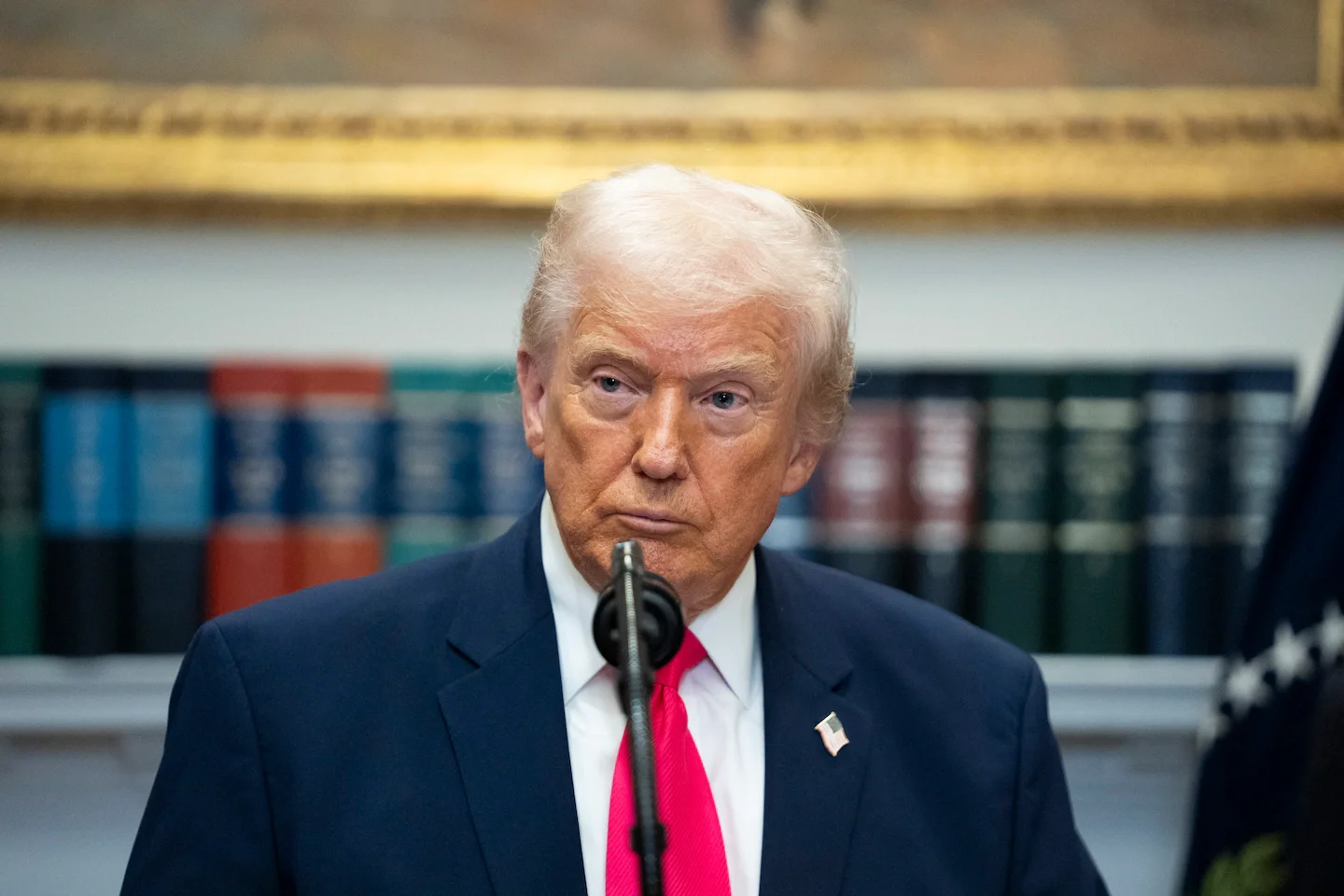
Trump’s $1,000-per-child accounts spark questions about a new federal program
13 minutes ago•Source: The Washington Post

The latest economy stories, summarized by AI
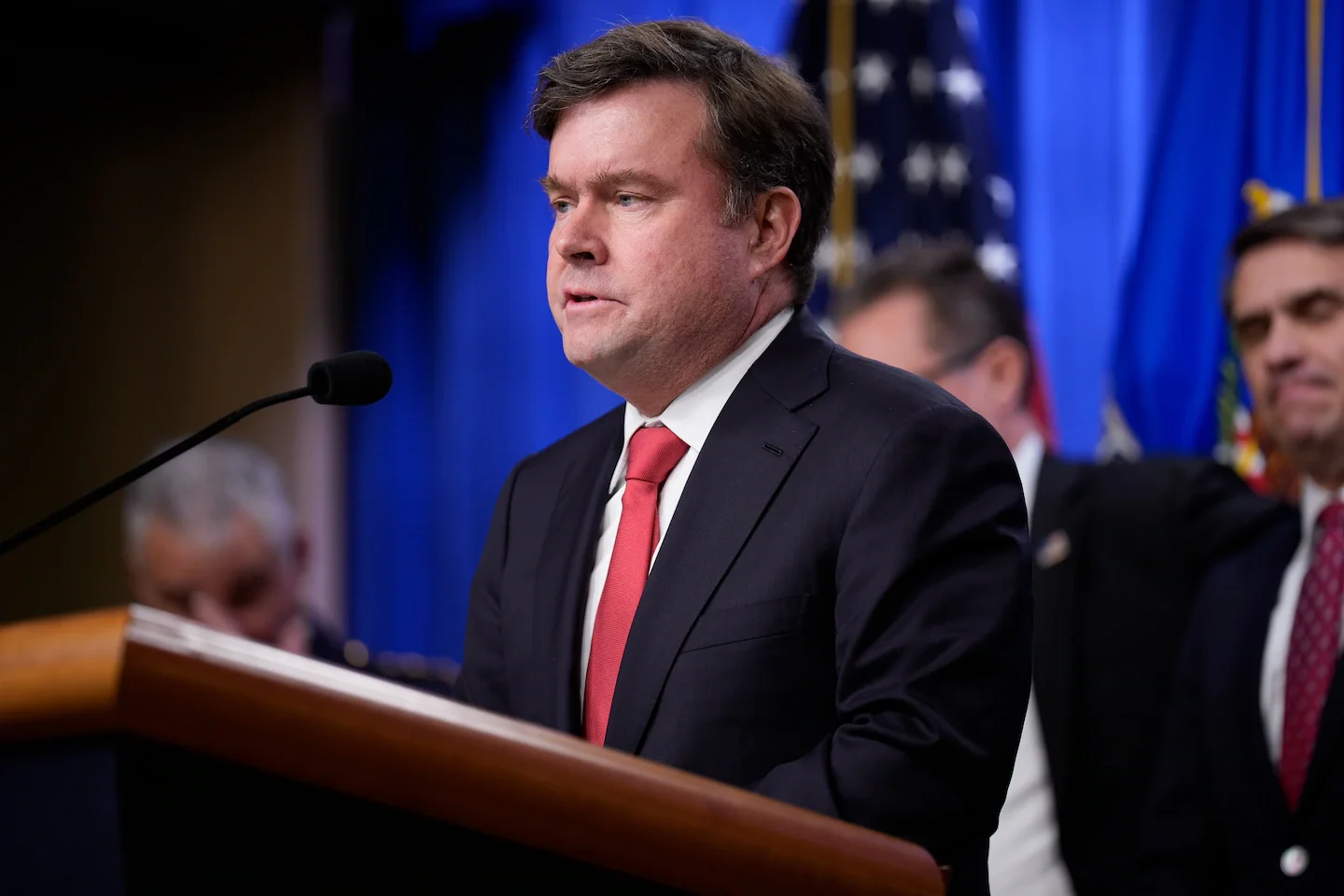
John Hurley, Undersecretary for Terrorism and Financial Intelligence at the Treasury Department, is leaving his post after privately opposing White House-backed plans to crack down on alleged fraud within Minneapolis' Somali immigrant community, according to seven people familiar with the matter.
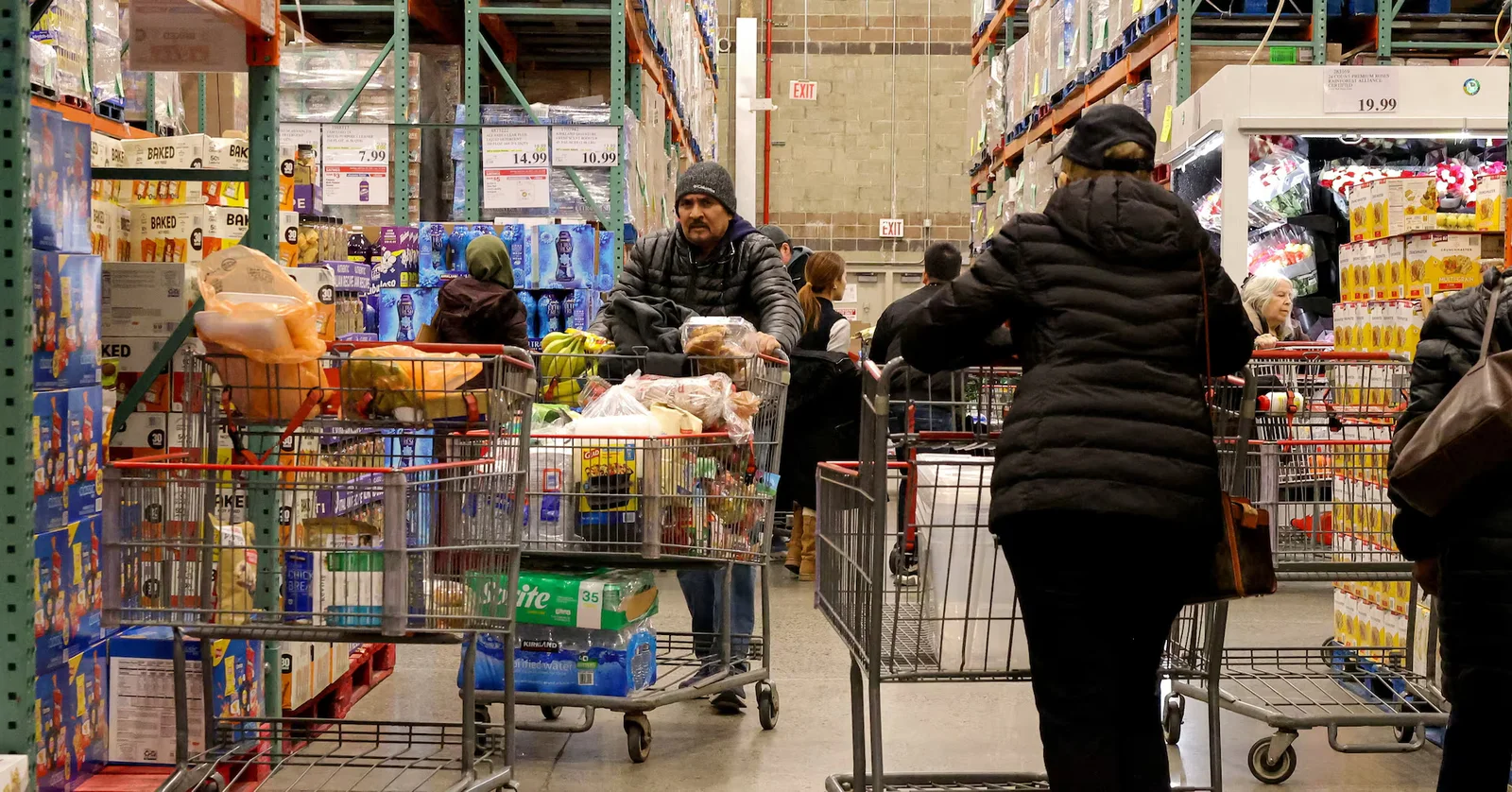

Despite a resilient economy and cooling inflation, CBS News reports Americans’ top economic concern remains affordability, driven by rising food costs, a tight housing market and higher health-care premiums. Pew data place food, housing and health care at the forefront of worries ahead of President Trump’s State of the Union. While the administration touts measures like housing-market reforms and drug-price initiatives, economists caution that a lasting relief requires addressing a persistent housing shortage and ongoing health-insurance costs, with staples such as ground beef and coffee up significantly and 2026 health insurance premiums rising about 6–7%.
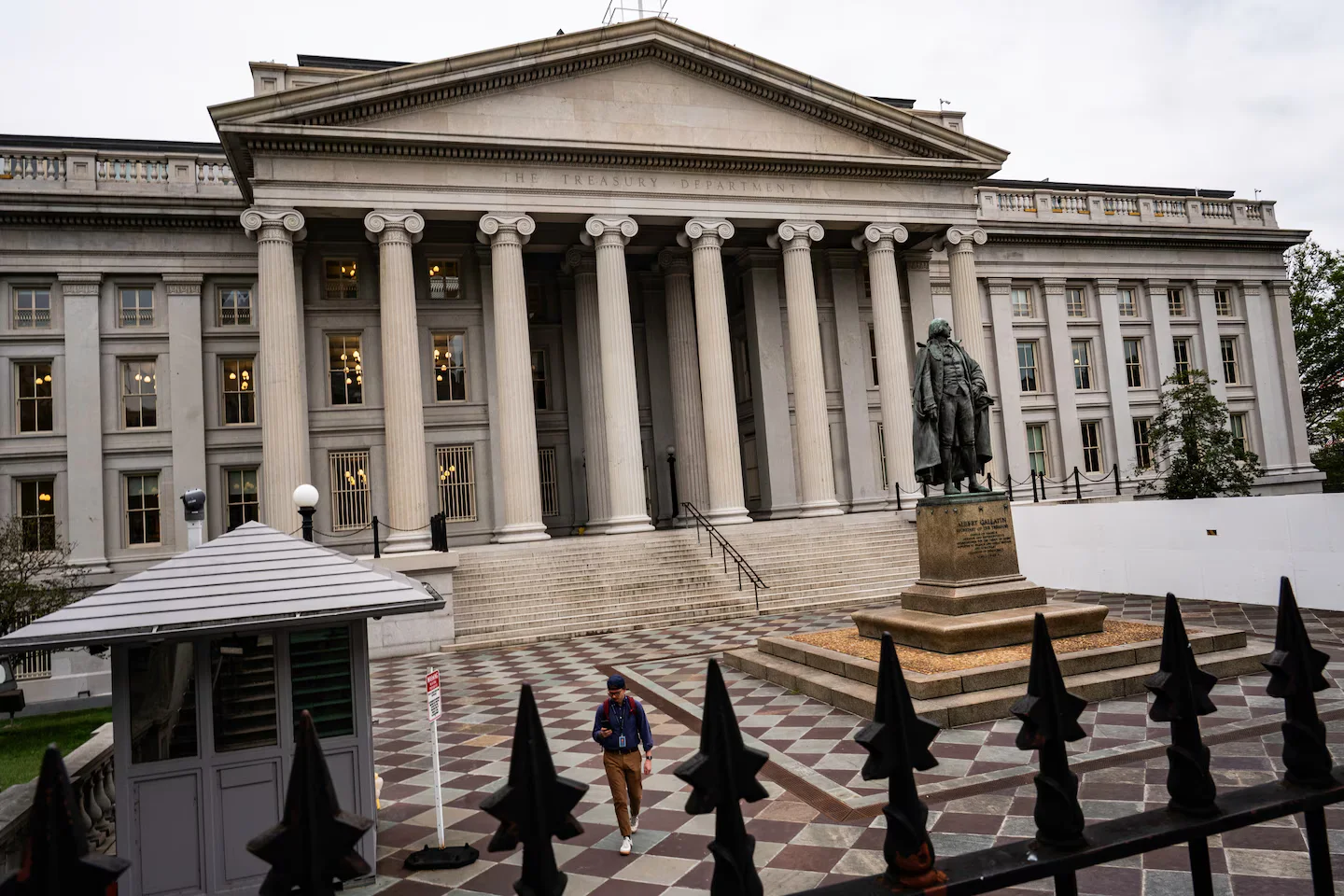
The Trump administration is considering executive action that would require banks to collect and report more citizenship information on customers as part of its immigration crackdown, a move that could create barriers to financial services and raise privacy concerns.

Fourth-quarter GDP grew slower than expected as a 16.6% drop in federal spending—part of it tied to a government shutdown and allegedly caused by Elon Musk’s DOGE-related cuts—dragged overall growth, while consumption was led by healthcare spending; housing and durable goods weakened, and non-residential investment was mixed with AI-related equipment up but other areas soft. Inflation remained stubborn at about 2.9% PCE, complicating Fed policy, and uncertainty remains over tariff policy after a court ruling and the future of the AI-driven investment boom.

Goldman Sachs economists say AI-related investments in 2025 contributed essentially zero to U.S. GDP growth, arguing much of the spending is offset by imported hardware and measurement gaps, challenging the view of AI as a strong growth engine even as roughly $700B is projected to be spent on AI infrastructure this year; surveys also show many firms use AI but do not see productivity or employment gains.
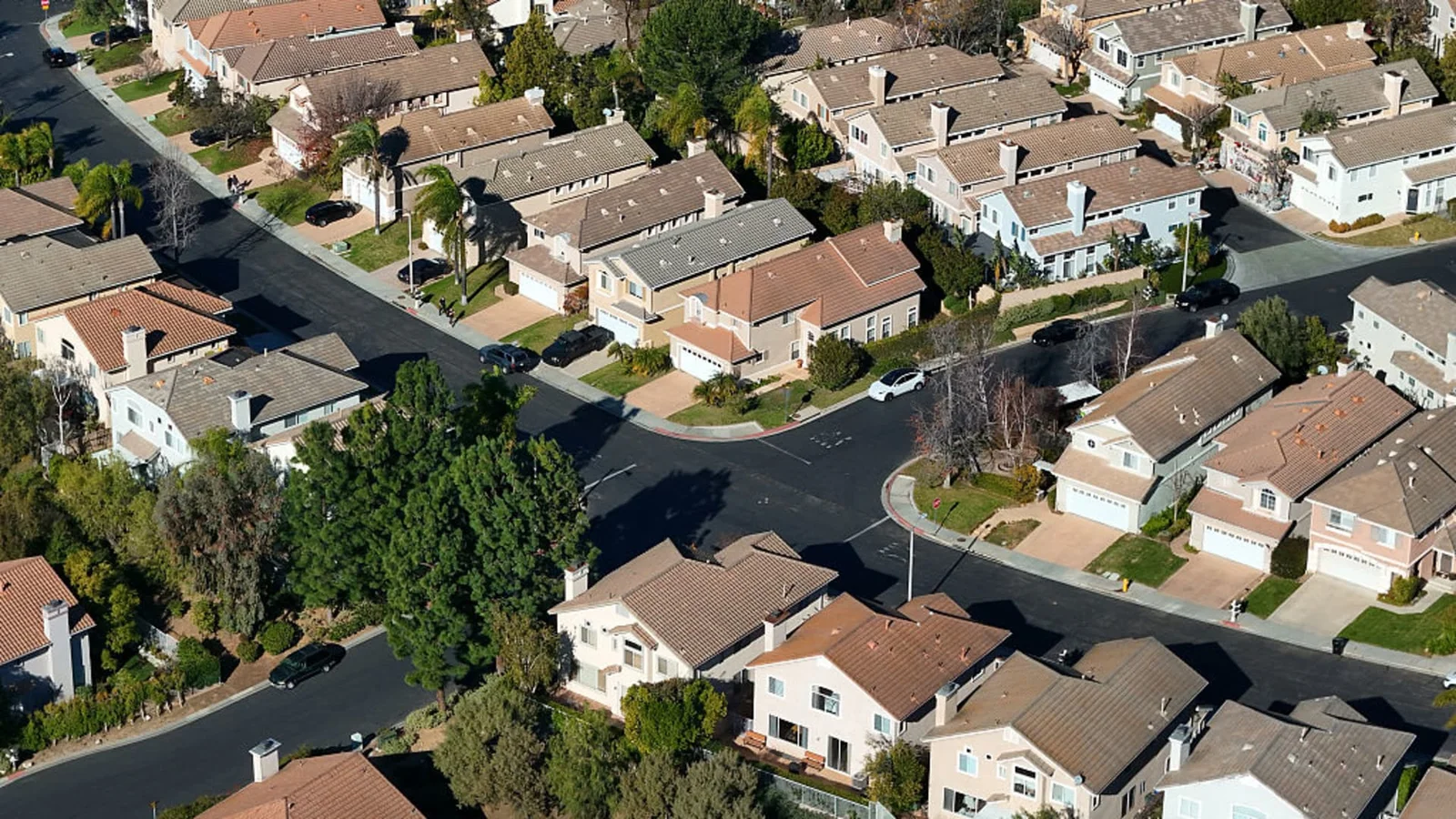
The average 30-year fixed mortgage fell to 5.99%, tying the lowest level since 2022 and helping refinancing applications surge about 130% year over year. Lower rates could widen loan eligibility and bolster spring homebuying, with a $400,000 home at 20% down costing about $1,916 per month in principal and interest vs. $2,105 a year ago.
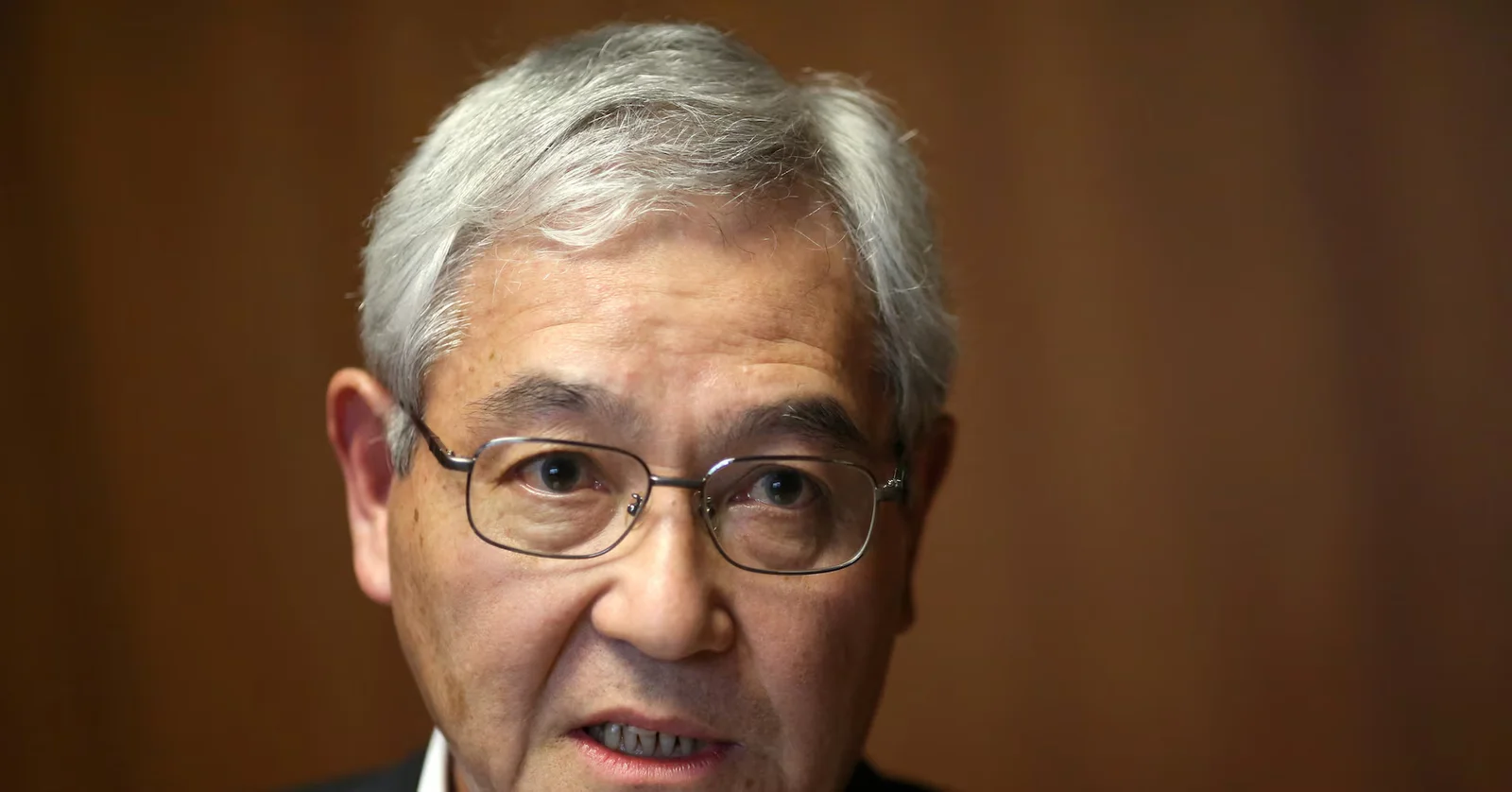
Former BOJ board member Makoto Sakurai says the central bank could raise rates as soon as March if the yen slides, with a potential 25 basis-point hike and possibly another in 2026–27 to push the policy rate toward 1.75%. He warns faster tightening could strain banks, though inflation remains above target and wage growth could justify action. Economists expect about 1% by end-June, and the next policy meetings are March 18–19 and April 27–28.
Fed Governor Christopher Waller says January’s strong payrolls may be noise in a year that already showed weak job creation in 2025; underlying inflation sits near the 2% goal once tariff effects are stripped out, with tariffs likely having only a temporary impact. GDP is expected to grow above 2% in early 2026, but the next February data will determine whether the Fed holds rates or cuts 25 basis points at the March meeting, amid tariff uncertainty and a Supreme Court ruling that could influence near‑term prices.
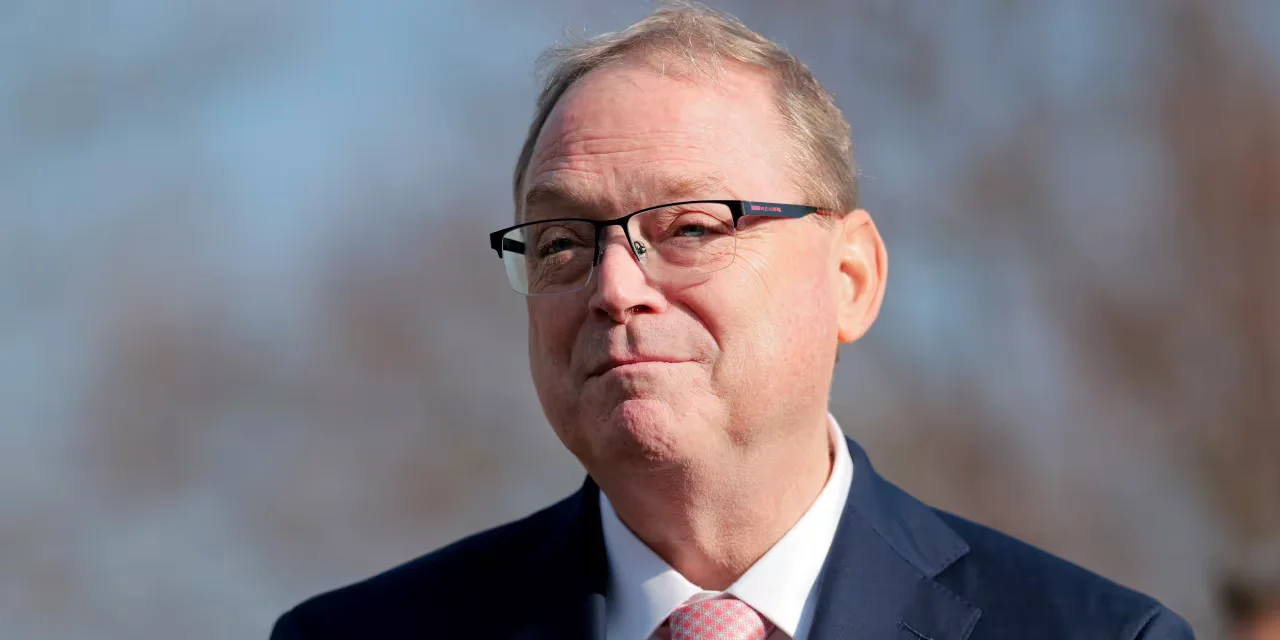
White House economic adviser Kevin Hassett apologized after initially demanding discipline for authors of a New York Fed study that found tariffs have burdened U.S. businesses and consumers more than the administration acknowledged, saying the Fed’s independence and academic freedom must be preserved even as he criticized the paper.
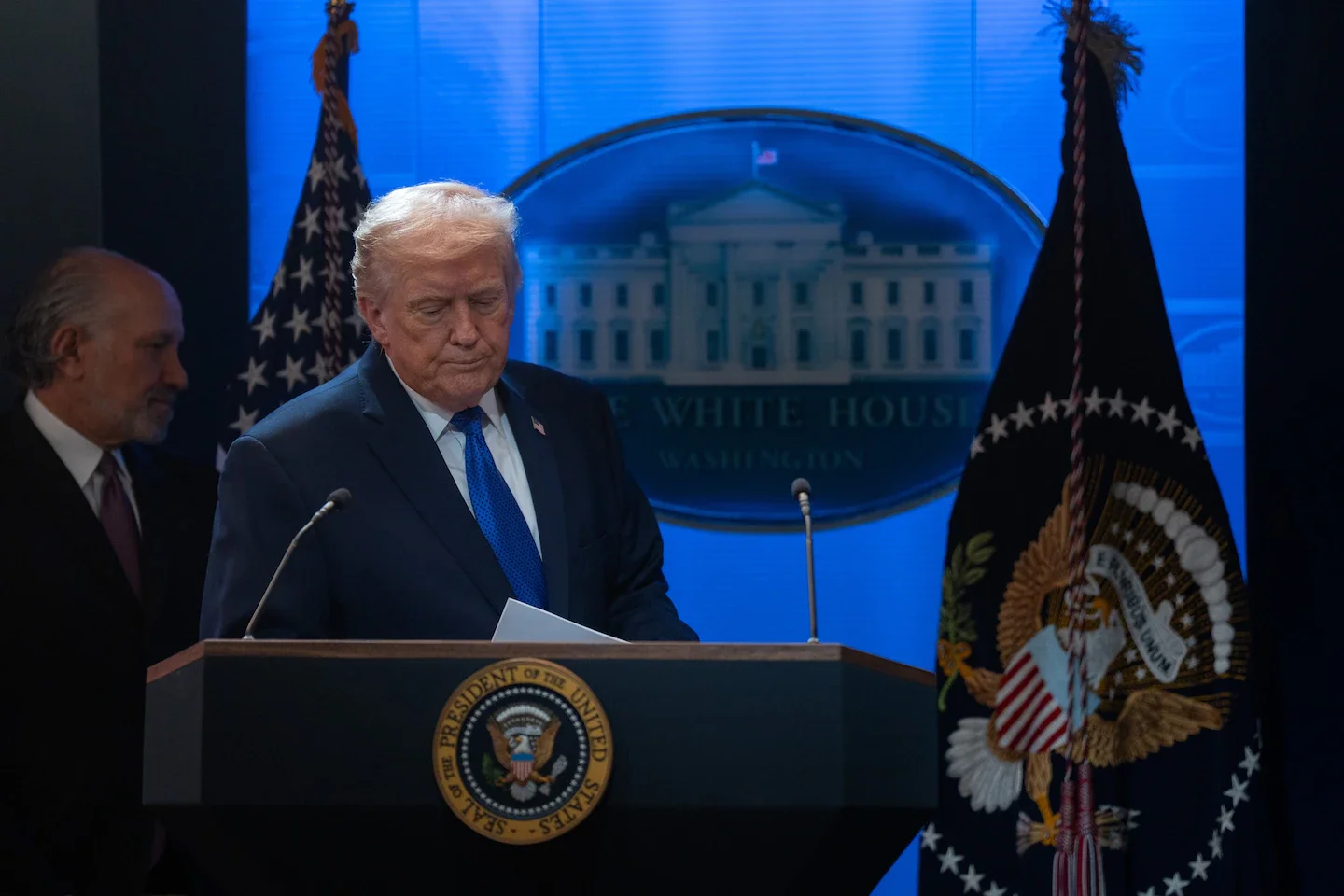
The Supreme Court ruled that Trump exceeded his authority with emergency tariffs, ending that chapter but Trump vows to reimpose tariffs within the law, signaling a new era of uncertainty for the U.S. economy.
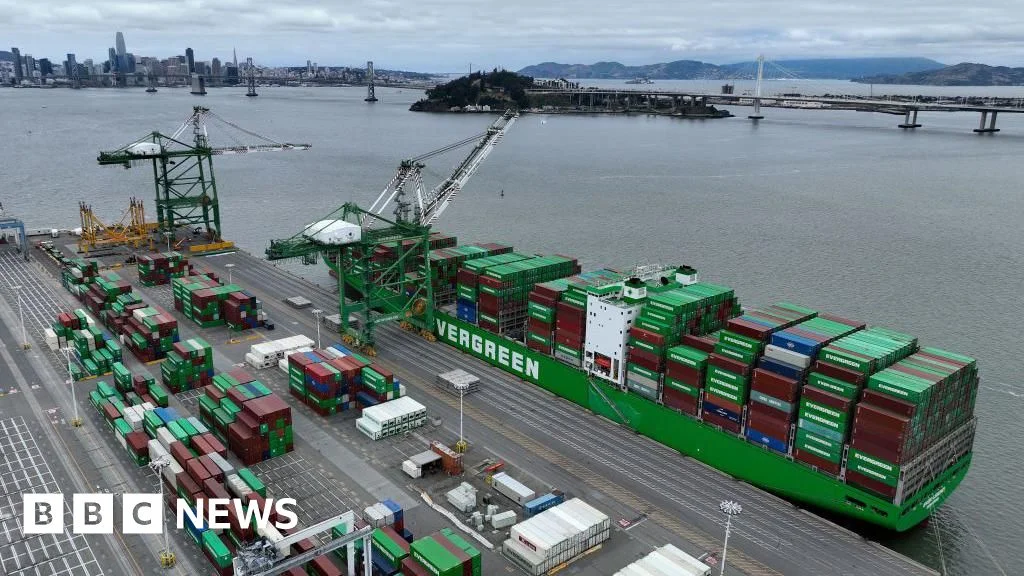
Last year the US posted a record $3.4 trillion in goods imports and a goods-and-services deficit near $901.5 billion, pushing the overall goods deficit to about $1.2 trillion despite sweeping tariffs. Exports rose to new highs, and the US-China gap narrowed about 30% to $202.1 billion, while gaps widened with Mexico, Vietnam and Taiwan. Analysts say tariff effects may take time to materialize amid ongoing legal challenges to the tariffs.