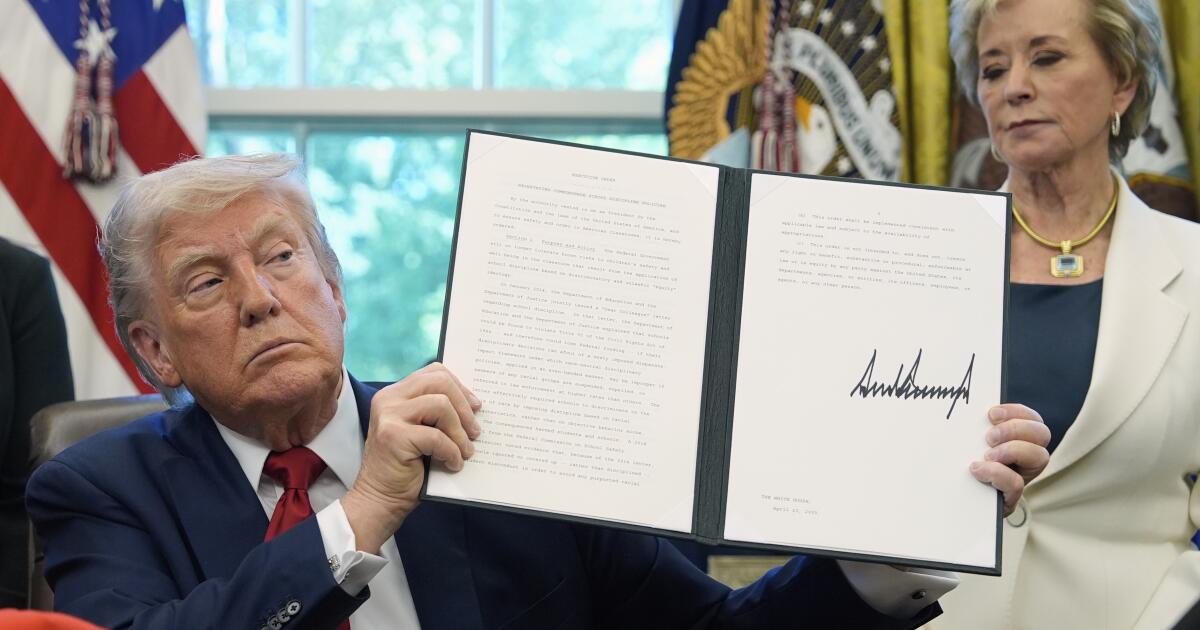
The White House plans to eliminate what President Trump calls 'egregious' Democratic-supported programs during the ongoing government shutdown, which has led to layoffs and budget freezes, as the administration seeks to target specific federal initiatives it opposes.
A prolonged US government shutdown could lead to a $15 billion weekly GDP loss, with significant impacts on federal programs, consumer spending, and employment, as detailed in a White House memo blaming Senate Democrats for the impasse.
On the 90th anniversary of the Social Security Act, President Trump reaffirmed commitment to strengthening and protecting the program through measures against fraud, tax relief for seniors, and efficiency improvements, emphasizing its importance for American seniors and future generations.
The U.S. Departments of Education and Labor have announced a partnership to create an integrated federal education and workforce system, with DOL taking a greater role in managing certain programs to streamline services, reduce bureaucracy, and better serve students and workers.
The Trump administration announced that undocumented immigrants will be barred from Head Start and other federal programs, citing the need to protect taxpayer benefits for American citizens, which has sparked concern among child care advocates and could impact vulnerable children and families.
The Trump administration has frozen $6.8 billion in education funds nationwide, including over $811 million for California, affecting programs for English learners, migrant children, and other educational initiatives, amid ongoing conflicts over federal education policy and legal challenges.
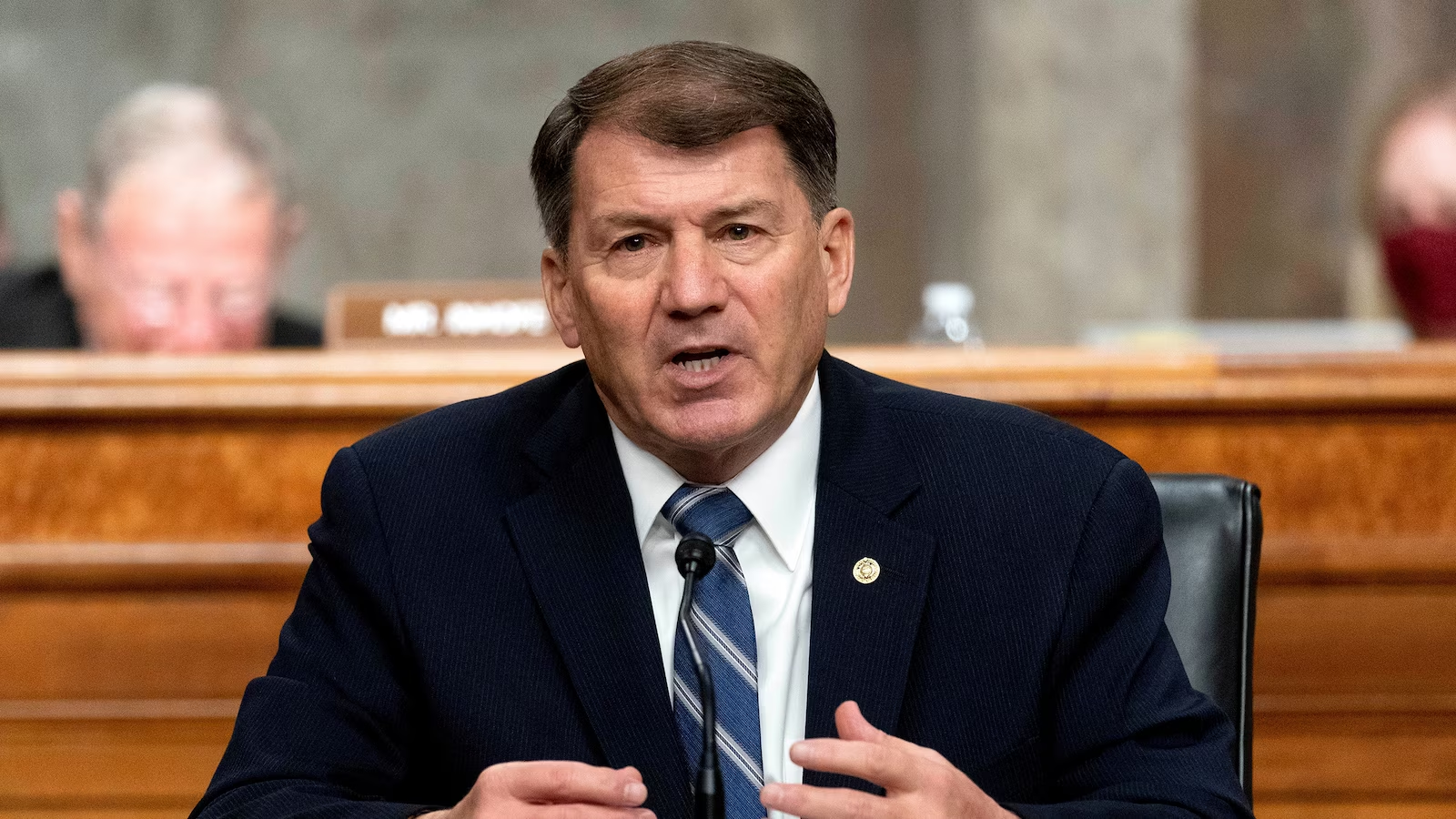
A Republican senator, Mike Rounds, has introduced a bill to eliminate the Department of Education, fulfilling a campaign promise by former President Donald Trump. The bill, titled the Returning Education to Our States Act, proposes redistributing federal education programs to other departments and allocating K-12 education funds to states via block grants. Key programs would be moved to departments like Treasury, Health and Human Services, and Labor. The changes would not immediately affect student loan borrowers, as existing programs and repayment plans would remain unchanged unless future congressional actions alter them.
Senator Mike Rounds and other Congressional Republicans are pushing to dismantle the Department of Education, aligning with President-elect Donald Trump's vision to return education control to states. Rounds introduced a bill to redistribute the department's responsibilities to other federal agencies, while Rep. Thomas Massie plans to propose legislation to abolish the department by 2026. Critics argue that such moves could disrupt federal education programs and funding, particularly affecting high-need districts.
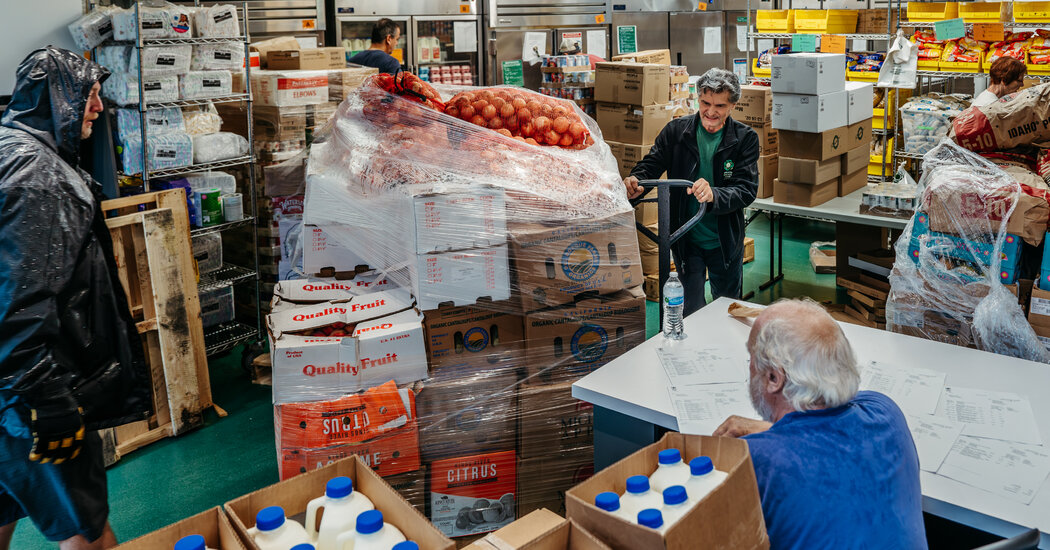
As a government shutdown looms, millions of federal employees face furloughs or working without pay, while federal programs that many Americans rely on could be disrupted. Low-income Americans may lose access to food assistance programs like SNAP and WIC, while Head Start programs and free school lunches could be affected. Social Security and Medicare payments will continue, but delays in customer service are expected. Flights and travel may experience disruptions, with potential delays in passport processing. Student loan borrowers may face delays in seeking help or processing payments, and national parks may be closed or have limited access. The United States Postal Service will not be affected.
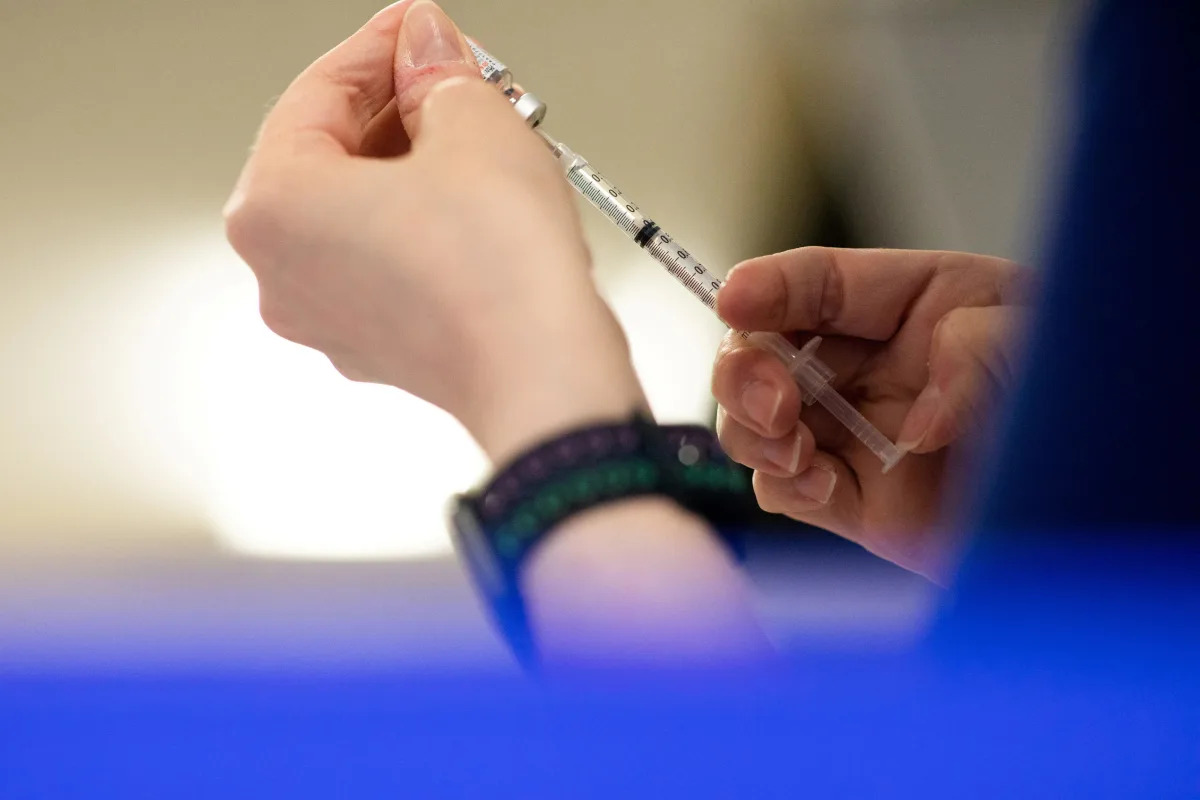
Some Americans are encountering difficulties in getting their COVID-19 vaccine shot for free, despite programs and requirements aimed at making the shots available at no out-of-pocket cost. Issues with billing codes and shipping of vaccines have caused glitches in coverage, but officials assure that these problems should be temporary as insurers and vaccinators work to resolve them. Under federal law, plans are required to cover COVID-19 vaccines at no cost to individuals with insurance, both in-network and out-of-network. For those without insurance, shots are available for free through the federal "Bridge Access Program" at various locations, including health centers, local health departments, and retail pharmacies.
Student loan borrowers who have applied to either the Public Service Loan Forgiveness or Income-Driven Repayment Forgiveness programs can appeal for forgiveness. Under the Public Service Loan Forgiveness program, loans are typically forgiven after 120 payments or ten years of continuous payments. Borrowers can appeal if they have evidence of eligibility or disagree with the payment count. The Income-Driven Repayment Forgiveness plan caps monthly loan payments based on income, and loans can be forgiven after 20-25 years of repayment. Borrowers can also appeal for a one-time adjustment to bring their loans closer to forgiveness. These measures are separate from the Biden administration's plan to wipe out up to $20,000 for federal student loan borrowers, which was struck down by the Supreme Court in June.
The poverty rate in the United States soared to 12.4% in 2022, the largest one-year jump on record, as federal aid programs expired and living costs rose. Poverty among children more than doubled, reaching 12.4% from a record low of 5.2% the previous year. The increase in poverty reversed two years of large declines driven by pandemic safety net programs. Median household income fell 2.3% to $74,580, adjusted for inflation, due to the impact of rising prices. The poverty threshold also rose sharply, contributing to financial hardship for many families.
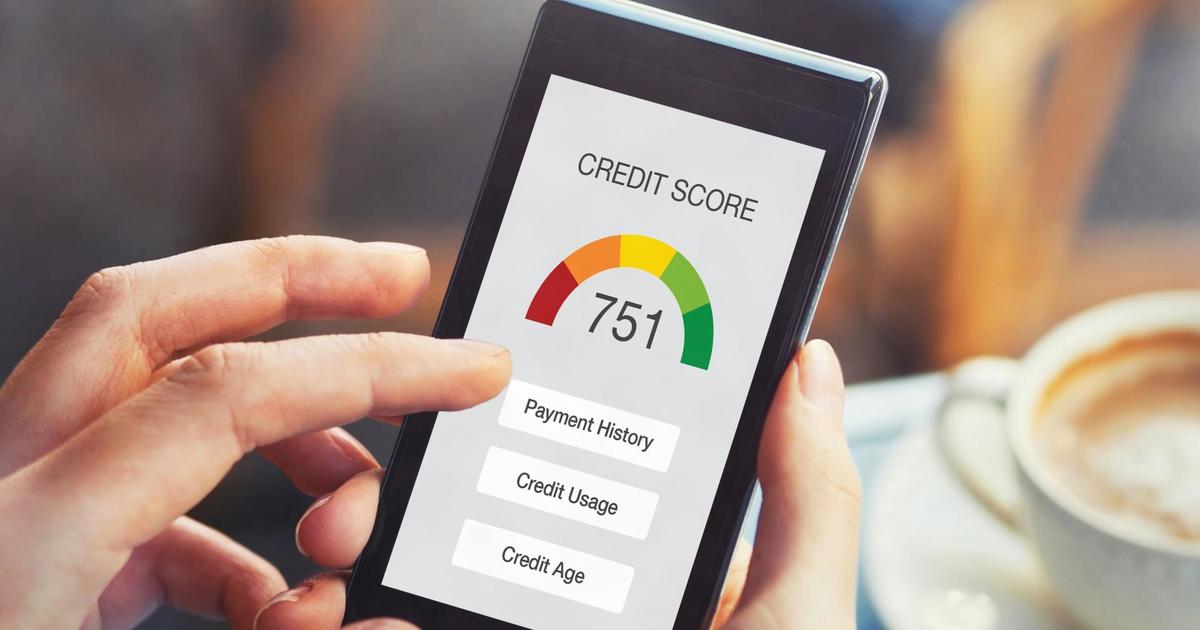
Changes in the mortgage industry will result in some people with higher credit scores paying higher fees while those with lower scores will pay less, starting May 1. The changes are part of the federal government's effort to provide equitable access to homeownership. The fees that lenders pay back to federal programs that back the mortgages are the reason for the changes. It will make it more expensive for borrowers to refinance and to pull equity out of their homes to pay off consumer debt.