The article offers five practical tips for starting the new year healthily, including eating more colorful vegetables, incorporating plant-based proteins like tofu, reducing sugar and saturated fats, increasing fiber intake, and staying hydrated, with easy recipes to help implement these habits.
Longevity experts warn that overconsumption of animal-based proteins can accelerate aging and harm cellular health due to compounds like AGEs and TMAO, suggesting that a diet rich in plant-based proteins and fish may promote longer, healthier lives.
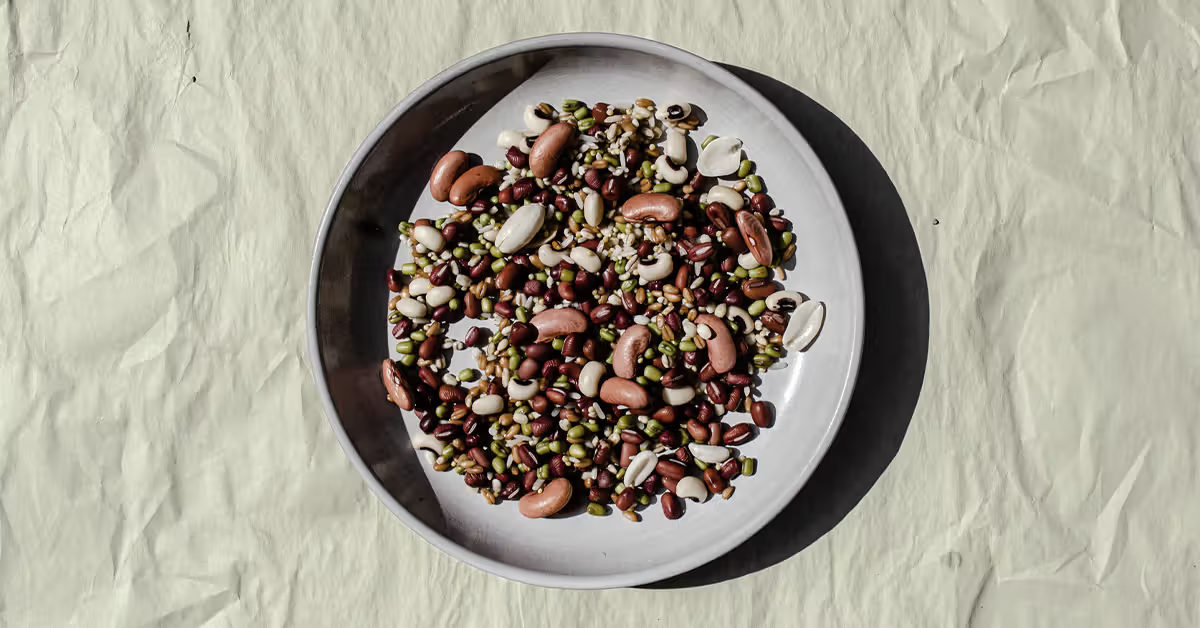
Health and Human Services Secretary Robert F. Kennedy Jr. is reportedly planning to omit a recommendation to promote beans and other plant-based proteins in the upcoming Dietary Guidelines for Americans, after initially considering their inclusion to address protein and fiber deficiencies among Americans. The decision comes amid a lack of transparency from the Dietary Guidelines Advisory Committee, raising concerns about the guideline development process.
Consuming excessive animal-based protein can accelerate aging and increase health risks due to compounds like AGEs and TMAO, despite the common belief that high protein intake is beneficial for longevity. Experts recommend focusing on plant-based proteins and fish to support healthy aging and reduce disease risk.
A 51-year-old woman, Natalie Bushaw, shares her personalized supplement routine, including fiber, collagen, vegan protein powder, colostrum, and a daily multivitamin, which she credits for improving her muscle mass, skin, and overall health during her perimenopause transition, alongside strength training and diet adjustments.
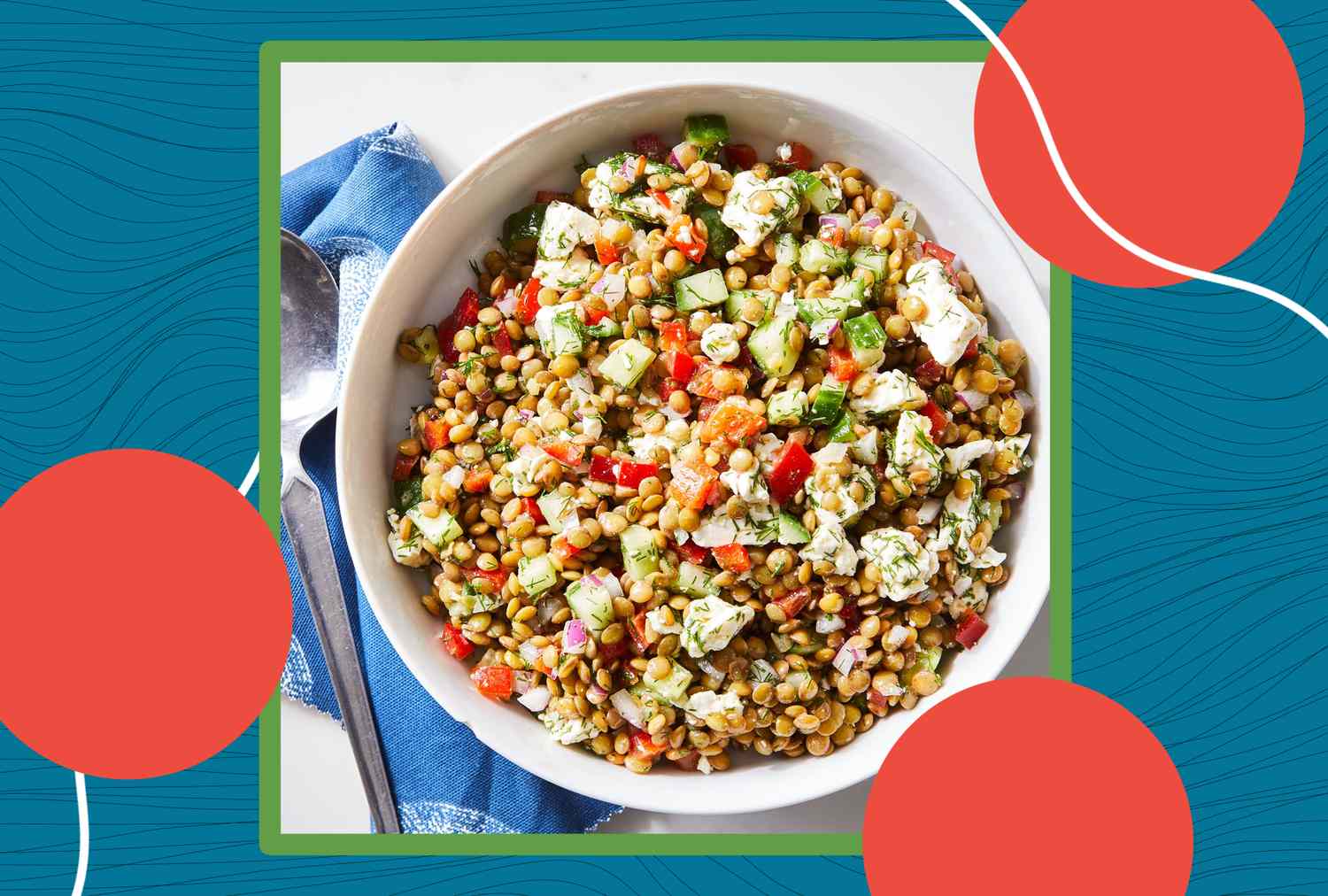
Pulses, including lentils, beans, and peas, are the top plant-based protein source recommended by dietitians for those not eating meat, offering benefits like high protein, fiber, iron, and heart health, while being affordable and eco-friendly.
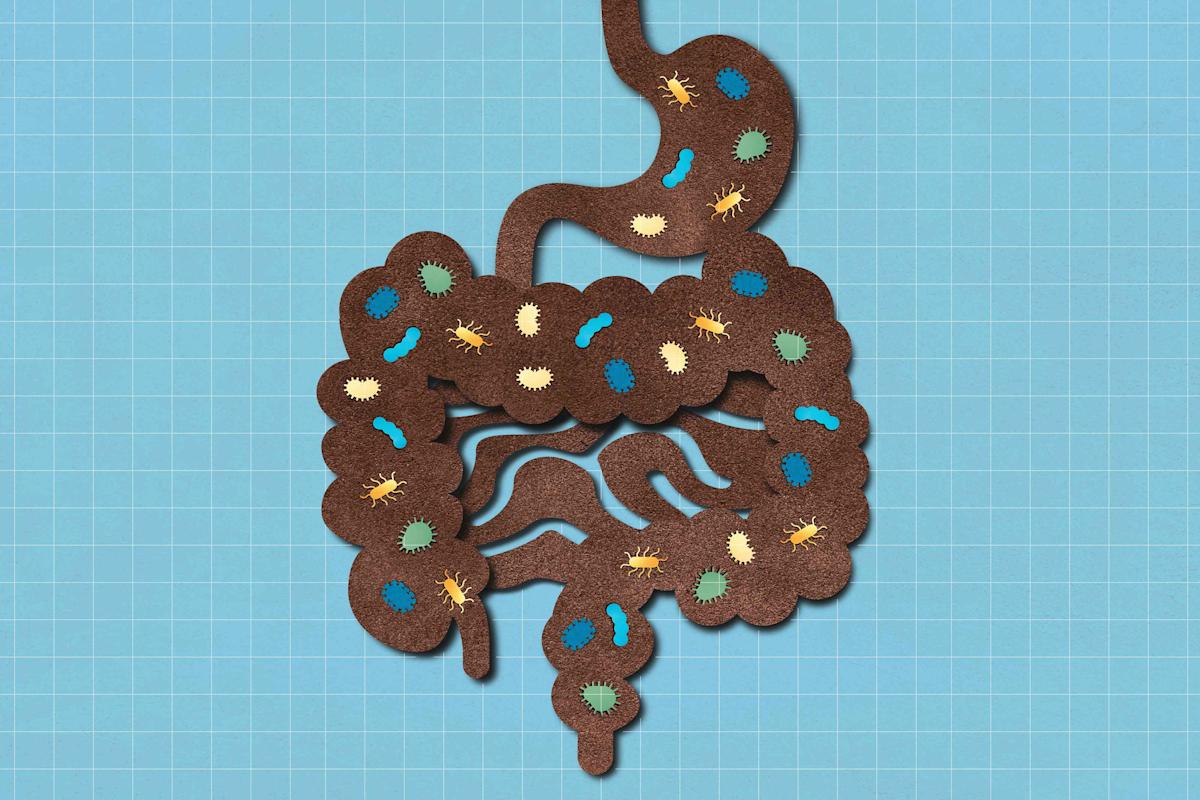
Nuts are the top snack recommended by gastroenterologists for supporting gut health due to their high protein and fiber content, which help feed beneficial gut bacteria. Other gut-friendly options include hummus, edamame, and plant-based yogurts. Choosing minimally processed, unsalted, and no-sugar-added nuts and snacks can further benefit gut health by maintaining a diverse microbiome and reducing inflammation.
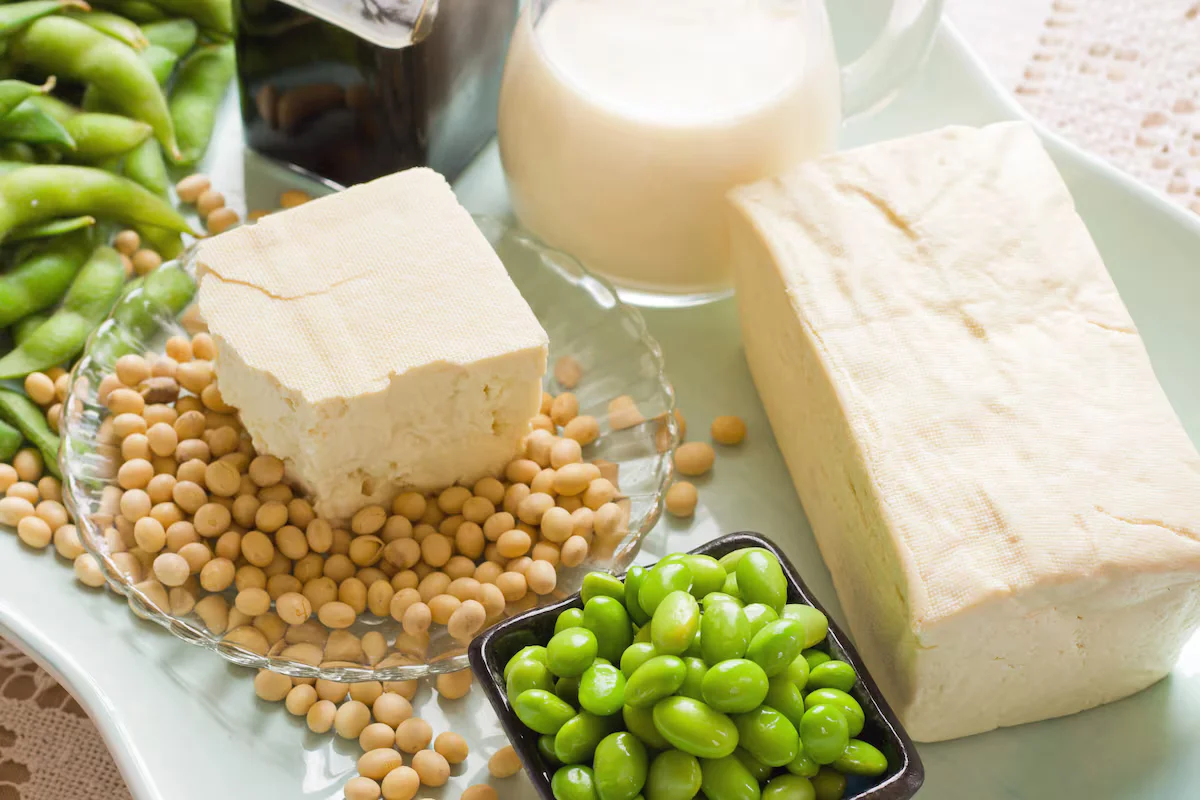
Tofu, a staple in Japanese cuisine, is a protein-rich meat alternative that offers numerous health benefits, including being a complete protein source with essential amino acids, and providing calcium, iron, magnesium, and B vitamins. It is heart-healthy, cholesterol-free, and can help reduce LDL cholesterol levels. Consuming tofu 2 to 3 times a week is recommended for its nutritional benefits, but those with soy allergies or thyroid issues should consult a doctor before including it in their diet.
A 30-year study by Harvard T.H. Chan School of Public Health found that consuming more plant-based protein compared to animal-based protein can significantly reduce the risk of coronary heart disease (CHD) by 27% and cardiovascular disease (CVD) by 19%. The study, involving over 200,000 participants, suggests that a higher plant-to-animal protein ratio is beneficial for heart health, although an optimal ratio was not determined. Experts recommend incorporating more plant proteins like nuts, beans, and tofu into diets to improve heart health.
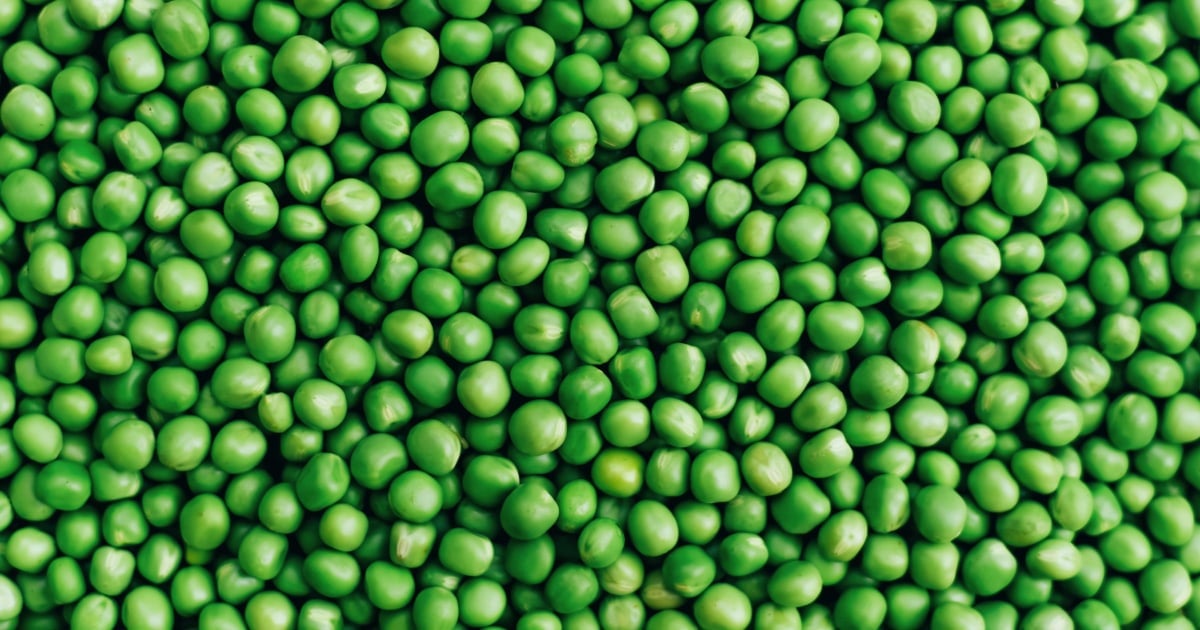
Peas, technically legumes, are high in fiber and plant-based protein, promoting gut health and feelings of fullness. They also contain essential nutrients like vitamin K, vitamin C, folic acid, B vitamins, and antioxidants. The nutritional differences between fresh, canned, or frozen peas are minimal, with frozen peas retaining nutrients well and canned peas being the most convenient. Pea protein powder and pea milk are gaining popularity as plant-based protein alternatives, offering essential amino acids and a protein content comparable to cow's milk. Peas can be easily incorporated into various recipes, providing an extra dose of plant-based protein and fiber to meals.
Azolla, a fast-growing aquatic fern, has the potential to become a widely cultivated crop for human and livestock consumption, fertilizer, and biofuel production. Research has identified a species, Carolina azolla, with lower levels of polyphenols, making it more suitable for consumption. With further study and potential breeding, azolla could offer high levels of nutrients such as protein, zinc, manganese, iron, calcium, and potassium. However, extensive research is needed to ensure its safety and potential as a food source.
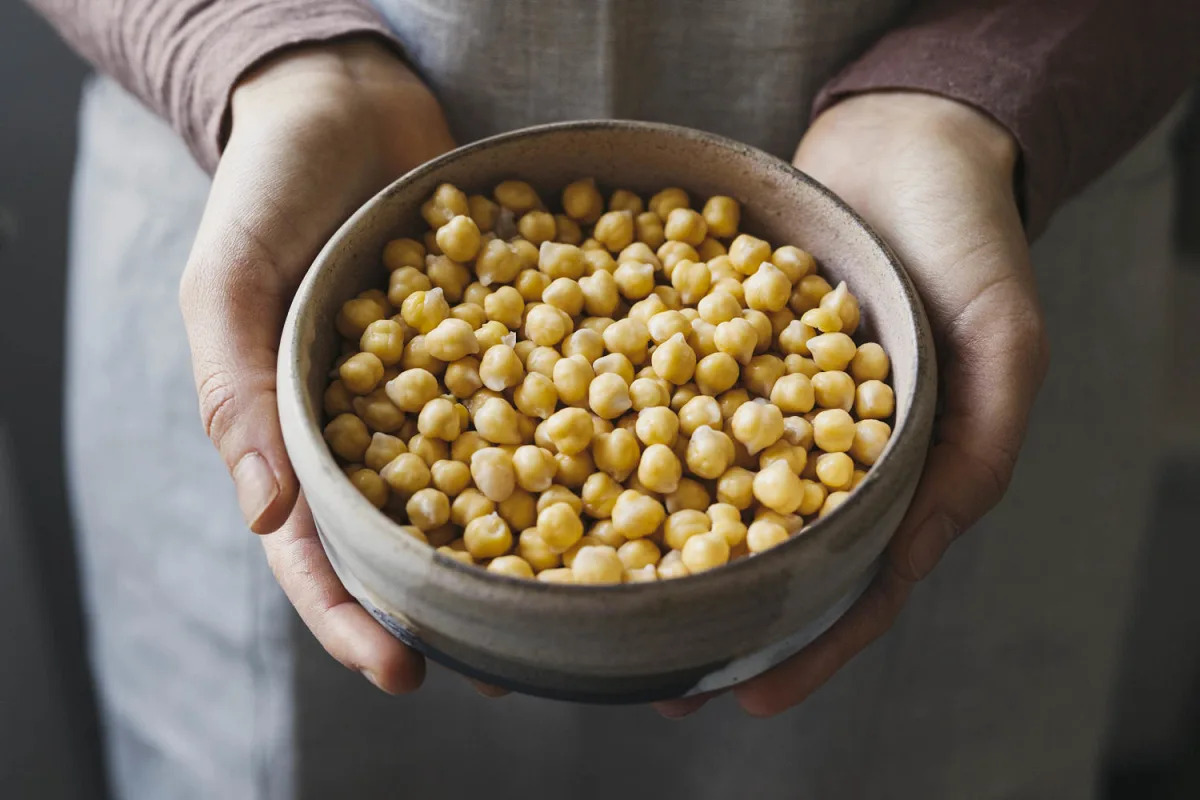
Chickpeas are a versatile and nutritious plant-based protein that offer numerous health benefits, including aiding in weight management, promoting heart health, managing diabetes, improving gut health, and potentially preventing cancer. With high fiber and protein content, chickpeas contribute to satiety, stable blood sugar levels, and improved cholesterol levels. Additionally, the liquid from canned chickpeas, called aquafaba, can be used as an egg replacement in recipes. Including chickpeas in your diet can be beneficial for overall health and well-being.
Researchers have developed a non-allergenic wheat protein, glutenin, as a base for growing cultivated meat. By creating ridged films from glutenin, they successfully grew striated muscle layers and flat fat layers, mimicking the texture and composition of traditional meat products. This approach could lead to the production of more realistic cultivated meat alternatives using edible, inexpensive plant proteins as scaffolds for cell cultures.
Lupini beans, a nutrient-rich legume popular in the Mediterranean, are gaining worldwide popularity for their savory flavor and health benefits. These beans are a good source of protein, fiber, and essential nutrients, and are considered a sustainable food due to their ability to replenish soil nutrients and their low environmental impact. They can help improve digestion, control blood sugar levels, and reduce the risk of heart disease and some forms of cancer. Lupini beans can be added to salads, eaten as a snack, or used in products like snack bars and pasta, making them a versatile and nutritious addition to a plant-based diet.
A study from Tufts University's HNRCA suggests that women who consume more plant-based protein have a lower risk of chronic diseases and experience healthier aging. The research, based on data from over 48,000 women, found that higher plant protein intake was linked to reduced incidence of heart disease, cancer, diabetes, and cognitive decline. In contrast, higher consumption of animal protein was associated with a decrease in healthy aging. The study recommends that women consume most of their protein from plant sources, while also including some fish and animal protein for iron and vitamin B12 content.