Tag

Lab Grown Meat

All articles tagged with #lab grown meat

world4 months ago

Texas Enforces Ban on Lab-Grown Meat Amid Legal Challenges

Texas has banned the sale and production of lab-grown meat for two years under Senate Bill 261, primarily to protect the cattle industry, despite concerns that the law may violate consumer rights and is influenced by agricultural lobbying. The ban has faced criticism and legal challenges, with some arguing it restricts consumer choice and stifles innovation.

science1 year ago

Scientists Engineer Photosynthetic Animal Cells for the First Time

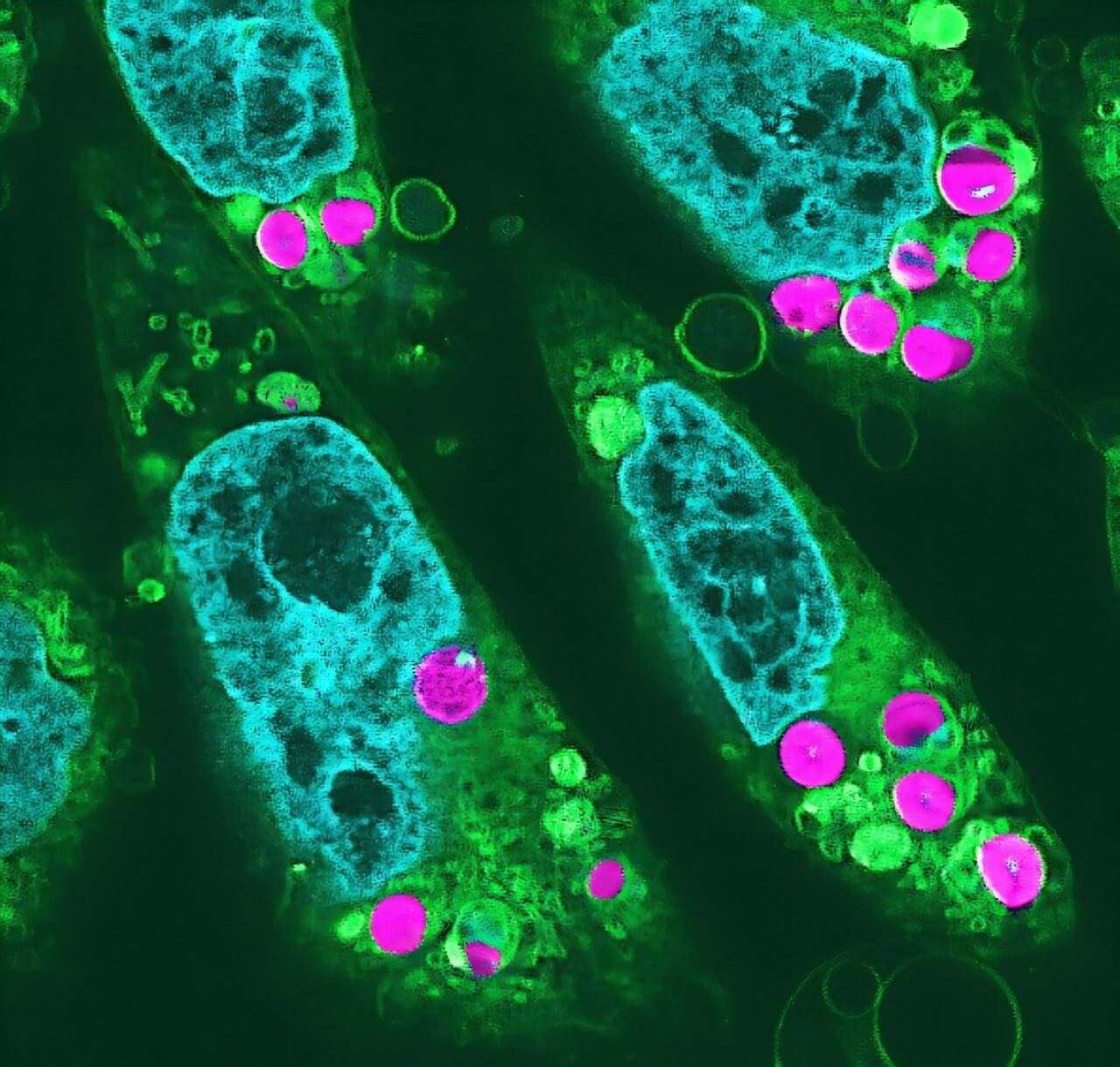
Scientists at the University of Tokyo have engineered animal cells capable of photosynthesis, a breakthrough that could revolutionize medical research and lab-grown meat production. By enabling animal cells to ingest chloroplasts, the team overcame a 50-year challenge, allowing these cells to produce oxygen and grow faster. This innovation could improve oxygen delivery in medical applications and enhance tissue growth for artificial meat, marking a significant advancement in biological engineering.

food-and-agriculture1 year ago

"Caitlin Clark Shines with 30-Point Game Despite Fever's Loss"

Despite lab-grown meat not yet being widely available, several U.S. states, including Florida and Alabama, have preemptively banned its sale, citing safety concerns and the need to protect traditional agriculture. This backlash comes even as the U.S. approved the sale of cultivated meat in 2023, and companies are working to scale production and reduce costs. The bans have sparked legal considerations and debates over consumer choice and food security, with some states shelving proposed bans and others moving forward. The issue has also seen international pushback, with Italy and France considering similar measures.

food-technology1 year ago

"Lab-Grown Beef-Infused Rice: A Sustainable Hybrid Protein Source"

South Korean researchers have developed a hybrid rice variant infused with cow muscle and fat cells, offering a potential sustainable and cheaper source of protein with a lower carbon footprint than actual beef. The rice grains, coated in fish gelatin, provide a housing for the meat cells to grow and thrive, resulting in a product that tastes like beef sushi. The team aims to eliminate livestock from the process entirely and refine the growth process to produce rice grains with more nutritional value, envisioning potential uses in food relief, military rations, and space food. This innovation is part of a global effort to address the ecological impact of meat production, with other initiatives including lab-grown meat and the rise of insects as a protein source.

food-technology1 year ago

"Lab-Grown Beef-Infused Rice: A New Frontier in Food Technology"

Scientists in South Korea have developed a beef-rice hybrid grown in a lab, combining cow muscle and fat stem cells with rice grains to create a protein-rich food source with a significantly lower carbon footprint than traditional beef farming. The hybrid has more protein and fat than regular rice, is cheaper than natural meat, and has a lower risk of foodborne illnesses. Researchers aim to commercialize the product as a low-cost and nutritious food source with potential applications in addressing famine, natural disasters, and long-term space travel.

food-technology1 year ago

"Beef-Infused Rice: A Sustainable Protein Source Created by Scientists"

Researchers have developed rice grains with beef and cow fat cells grown inside them, creating a potential sustainable and affordable protein source. The hybrid rice, made by covering traditional rice grains in fish gelatin and seeding them with muscle and fat stem cells, could offer a nutritious and flavourful alternative to traditional beef with a smaller carbon footprint. While some experts are skeptical about its impact, others see promise in providing animal nutrients with significantly lower greenhouse gas emissions and at a fraction of the cost.

food-technology1 year ago

"Rice Meets Beef: The Rise of Hybrid Food Innovation"

Scientists at Yonsei University have developed a new hybrid food by growing beef cells inside grains of rice, creating a meaty-rice combination rich in nutrition and potentially easing food production strain. The beef-infused rice, with higher protein and fat content than regular rice, could be a more sustainable and cost-effective source of protein compared to traditional beef, emitting significantly less carbon dioxide. The team aims to refine the production process and explore potential applications such as food relief for famine, military rations, and space food.

food-technology1 year ago

"Beef-Infused Rice: The Latest Sustainable Protein Innovation"

Scientists in Korea have developed a new "Frankenfood" by growing meat cells inside rice grains to create an all-in-one ready meal, claiming it to be affordable, tasty, and environmentally friendly. The process involves coating rice with fish gelatin, seeding cow muscle and fat stem cells into the rice, and culturing them for nine to 11 days. The resulting product is described as mushy pink rice with a firm bite and a creamy, beefy taste, with potential applications in food relief, military rations, and space food. The hybrid rice releases significantly less CO2 compared to beef and could cost much less, offering a promising solution to the environmental impact of traditional meat production.

science-and-technology1 year ago

"Beef-Infused Rice: A Protein-Rich Solution for Sustainable Dining"

Scientists at Yonsei University have developed a "meaty" rice hybrid food by seeding rice with beef muscle and fat cells grown in the lab, offering a potential affordable and eco-friendly source of protein with 8% more protein and 7% more fat than regular rice. The production method is said to have a smaller carbon footprint compared to traditional beef production. While the concept holds promise for healthier and more climate-friendly diets, some skepticism remains about public acceptance and the need for further research to make this technology a viable alternative protein source.

science-and-technology1 year ago

"Non-Allergenic Wheat Protein Boosts Cultivated Meat Growth"

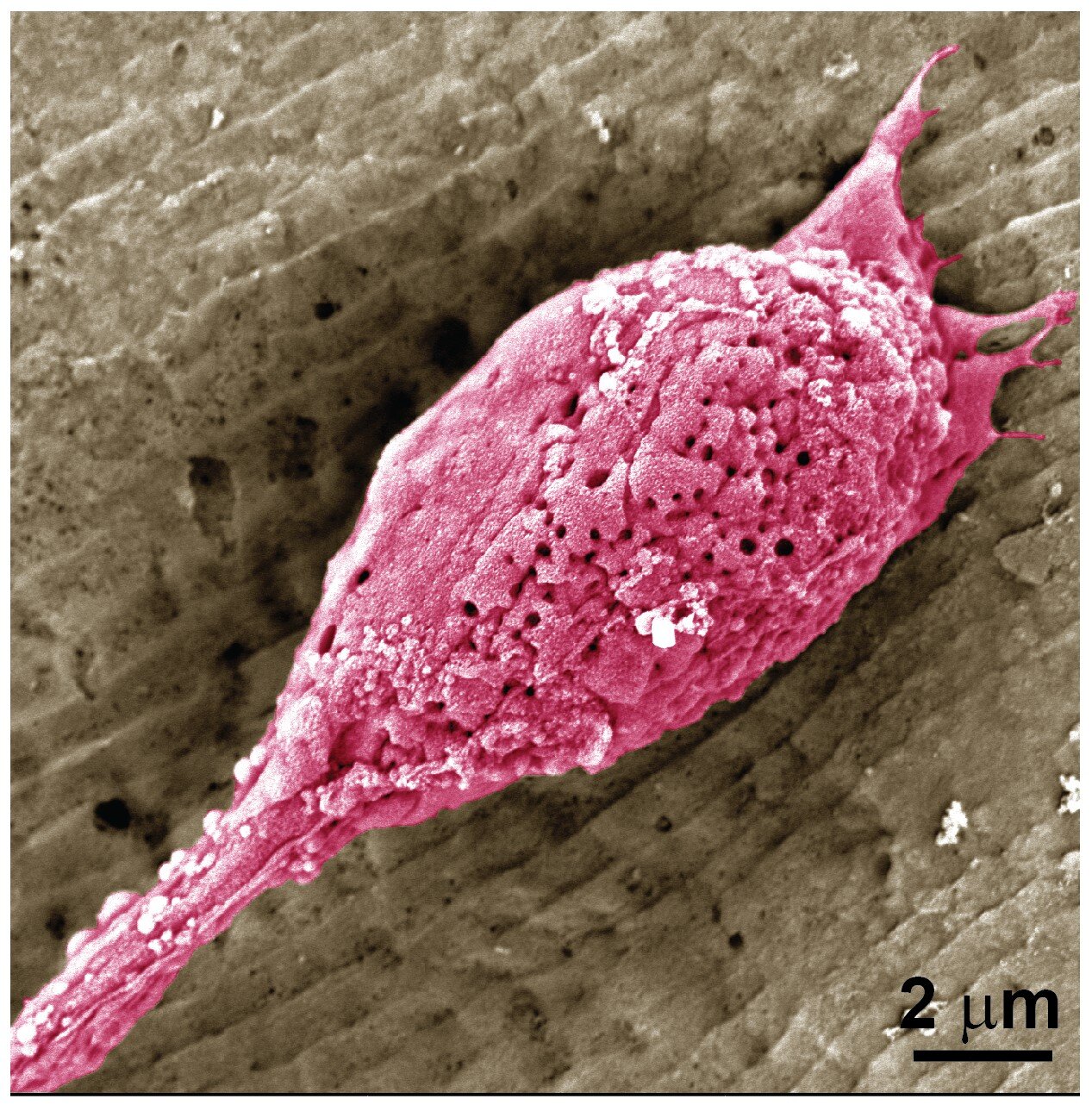
Researchers have developed a non-allergenic wheat protein, glutenin, as a base for growing cultivated meat. By creating ridged films from glutenin, they successfully grew striated muscle layers and flat fat layers, mimicking the texture and composition of traditional meat products. This approach could lead to the production of more realistic cultivated meat alternatives using edible, inexpensive plant proteins as scaffolds for cell cultures.

food-and-agriculture2 years ago

Italy's Ban on Lab-Grown Meat: Protecting Culinary Heritage and Livestock Industry

Italy's minister for food sovereignty and agriculture, Francesco Lollobrigida, has warned that lab-grown meats threaten Italian culture, identity, and civilization. The right-wing government led by Giorgia Meloni has passed legislation banning lab-cultured meat, viewing it as an existential threat to traditional meat farming and rural ways of life. Critics argue that these measures are ideological propaganda and reflect a hostility towards globalization and modernity. Lollobrigida has introduced various patriotic measures to defend Italian culture and culinary heritage, including clear labeling for insect-derived flour and promoting the consumption of invasive species. The bill banning synthetic meats has been approved by the lower house of parliament, but concerns have been raised about its compatibility with EU law.

food-and-agriculture2 years ago

"Lab-Grown Meat: Meeting Kosher and Halal Standards, Experts Confirm"

Lab-grown meat can be labeled kosher and halal as long as the cells used are derived in methods compliant with religious standards, according to panels of experts commissioned by the industry. This is seen as a significant development for cell-cultivated meat companies, as it opens up the possibility of observant followers of Judaism and Islam consuming their products. The opinions provide a roadmap for the industry to make halal products and have been welcomed by companies in the fledgling industry, who hope to scale production and appeal to vegans, vegetarians, and climate-conscious meat eaters. The Orthodox Union and a sharia panel have already provided guidelines for kosher and halal lab-grown meat, respectively, and are working on broader industry standards.

food-and-religion2 years ago

Halal Guidelines for Lab-Grown Meat Set by Islamic Scholars

Islamic scholars have issued rulings on the permissibility of consuming lab-grown meat, stating that it can be considered halal (permissible) as long as it meets certain conditions. These conditions include ensuring that the cells used to produce the meat are sourced from halal animals, that the process does not involve any haram (forbidden) substances, and that the final product does not pose any health risks. The rulings aim to provide guidance to Muslims who may have concerns about the religious acceptability of lab-grown meat.